Hear from Our Customers
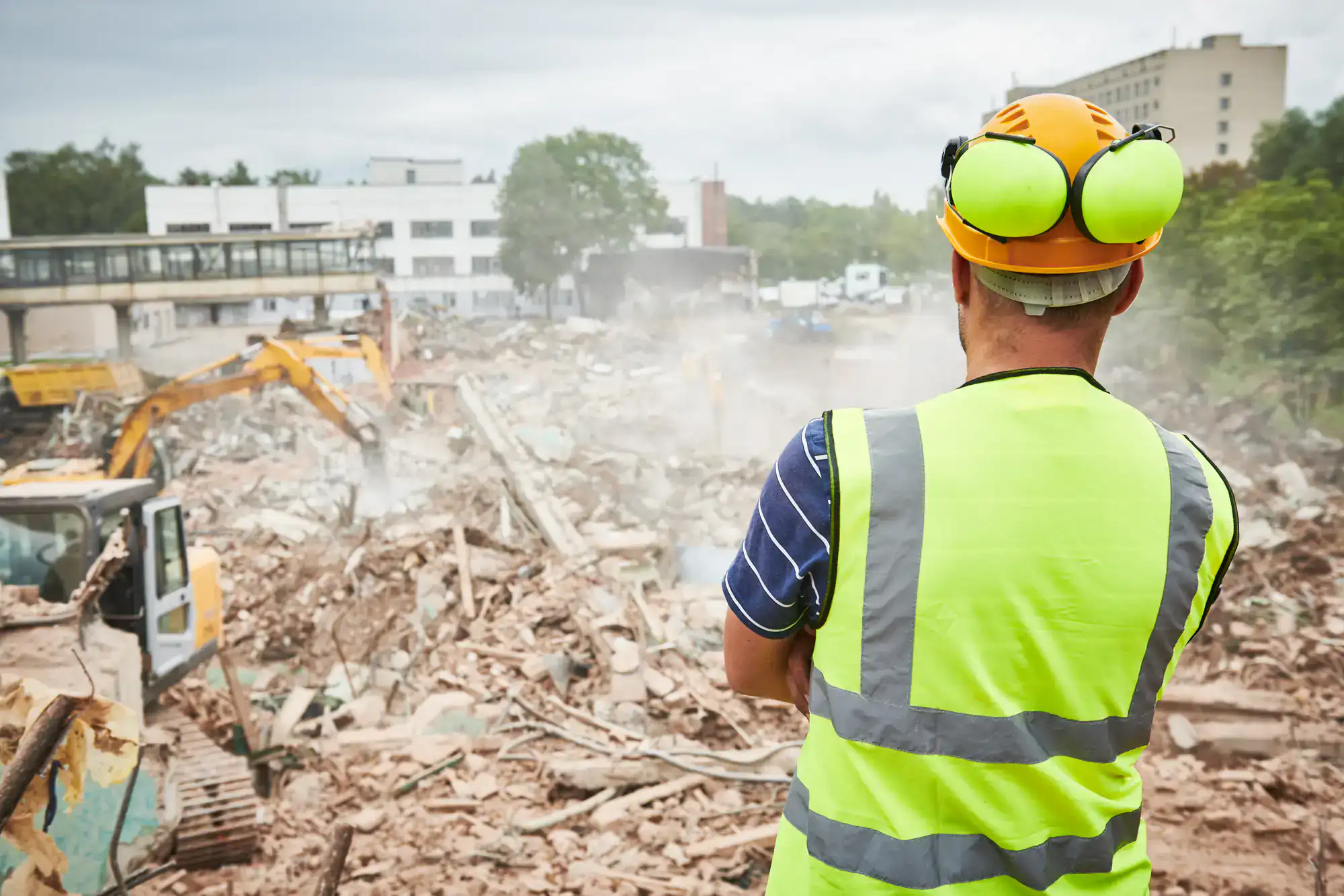
When you hire a demolition contractor in Newtown, you’re not just paying someone to knock down drywall. You’re navigating Bucks County permit requirements, a Joint Historic Commission review process that can hold your permit for 30 days or more, and a housing stock that — in many cases — predates the Civil War. Most contractors don’t know any of that. We do, and we factor it into the plan from day one.
For homeowners in Newtown Township, the challenge is often a finished basement that took on water during a spring flood or a nor’easter, or a mid-century home where the walls haven’t been touched since 1968. That’s not just a demolition job — that’s a potential asbestos and lead situation, and federal law is very clear about who’s allowed to handle it. When we show up, you get a contractor who can test, assess, certify, and remediate before a single wall comes down. That’s not common in this market.
What you’re left with after the work is done is a clean, safe, properly documented project — no surprise permit rejections, no hidden hazmat issues discovered mid-demo, and no coordinating three separate companies to finish what one should have handled. In a market like Newtown, where homes carry real historical and financial value, that kind of certainty matters.
We’ve been doing this work for over 20 years across Chester, Delaware, Montgomery, and Bucks counties. We’re not a franchise, not a call center, and not a crew that shows up without knowing what’s behind your walls. Eric runs the operation, and that means when you call — at 2 PM or 2 AM — you’re talking to someone who actually knows your project.
Newtown is a place we know well. The borough’s historic district, the older neighborhoods off Sycamore Street, the township developments along Penns Trail — they all come with different challenges, and we’ve worked through most of them. We’re fully licensed, bonded, and insured, and we hold EPA Certified Lead Inspector and Risk Assessor credentials, which puts us in a different category than the average demo company operating in Bucks County.
We offer free estimates, cash discounts, and a one-stop model that covers everything from initial hazmat testing to final debris removal — because making you manage five contractors for one project has never made sense to us.
It starts with a free on-site estimate. We come out, look at the space, and give you a straight answer about what needs to happen and in what order. If there’s any chance the structure contains asbestos or lead — and in Newtown, that’s a real question for anything built before 1978 — we test before we touch anything. That’s not optional. It’s the law, and skipping it creates liability that lands on you, not just the contractor.
Once testing is complete and we know what we’re working with, we handle the permit process. In Newtown Borough, that means submitting the Joint Historic Commission application and working through the review period before demolition can begin. In the township, it means registering with the Code Enforcement Office and pulling the appropriate permits. We know this process because we’ve done it — and we handle it so you don’t have to become an expert in Bucks County municipal code just to get your project started.
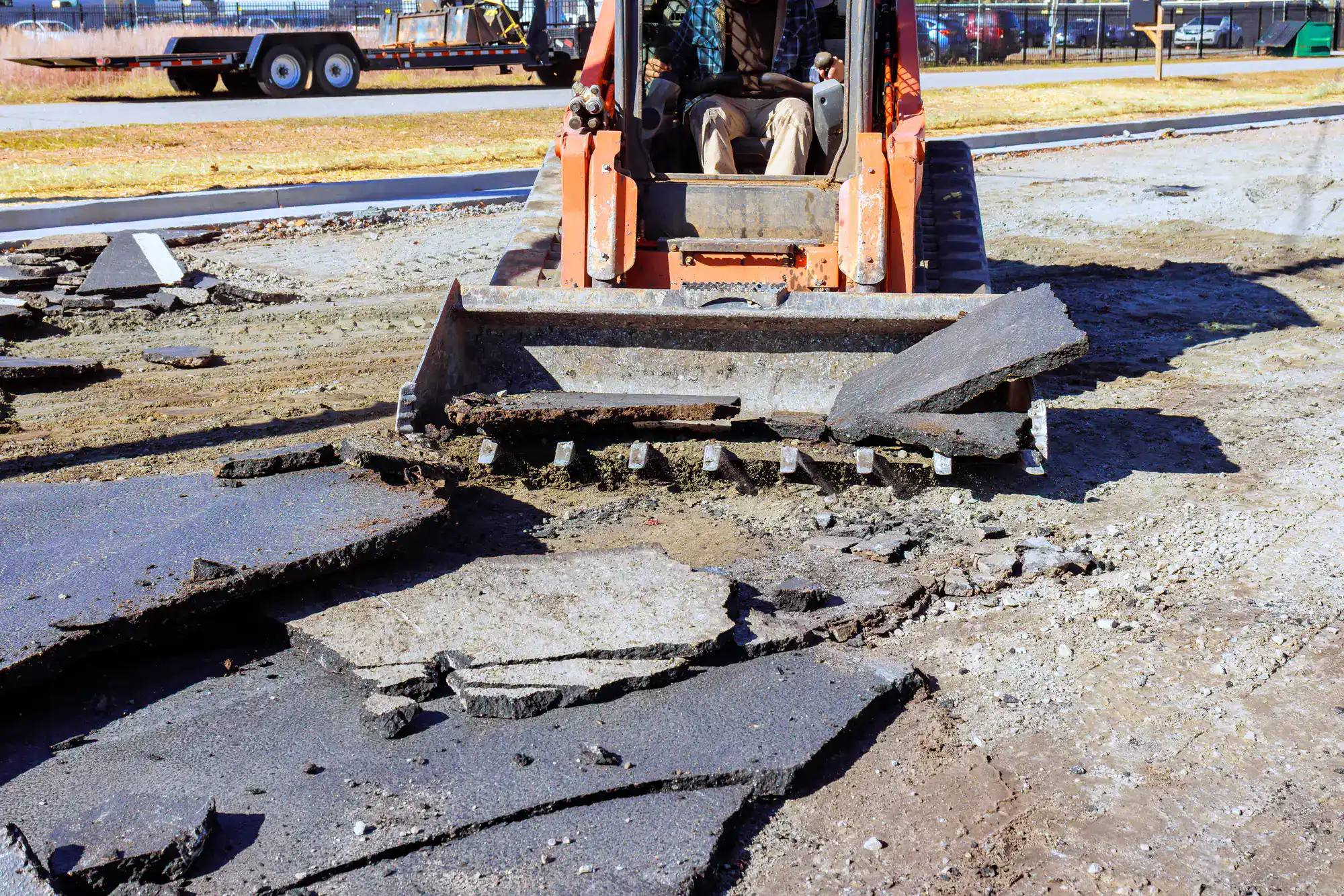
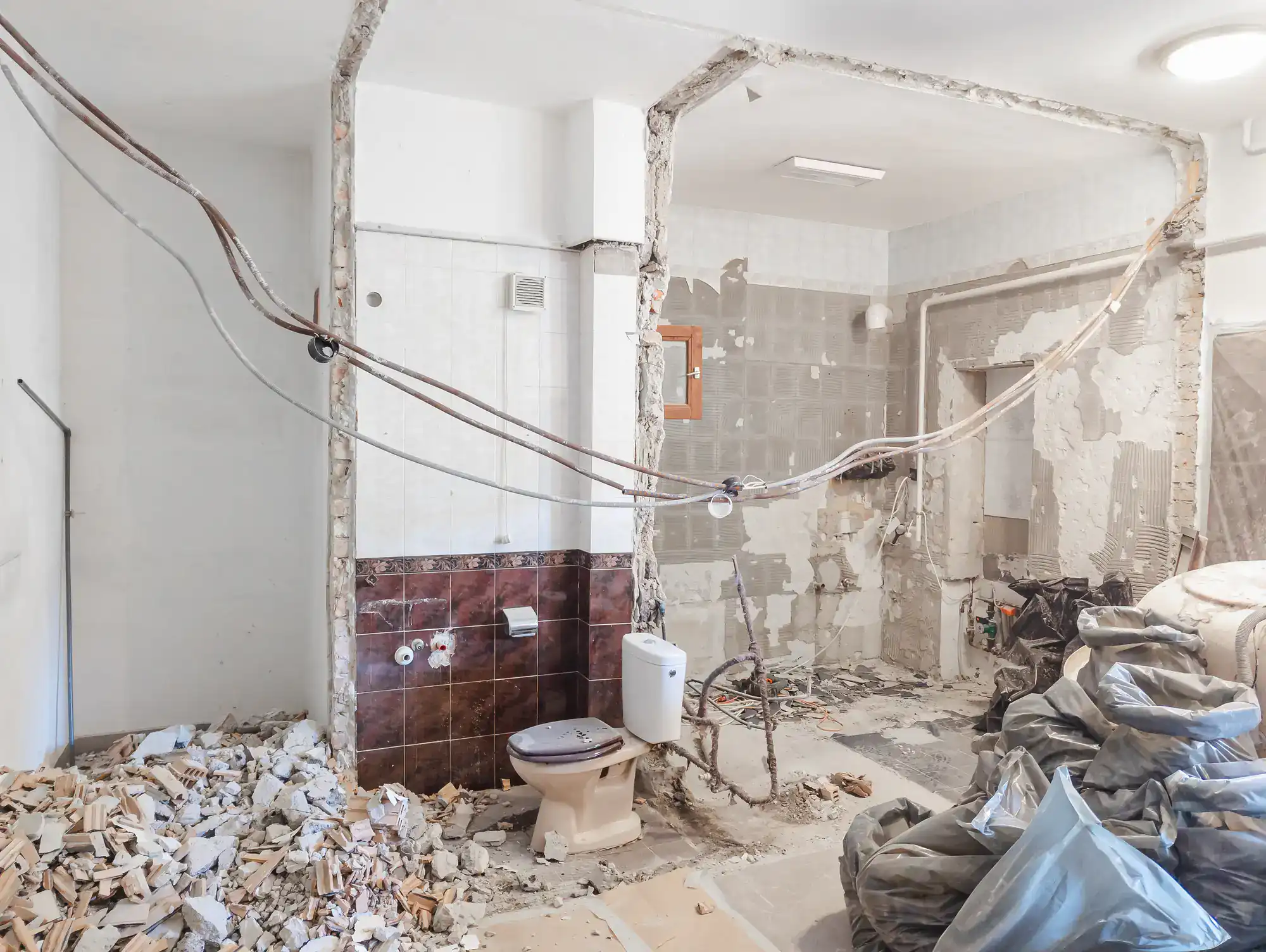
From there, we move into the actual work — gutting, demolition, debris removal, and if needed, waterproofing and remediation. HEPA filtration systems run throughout any abatement work to keep the rest of your home clean. When we’re done, the space is clear, documented, and ready for whatever comes next.
Ready to get started?
The short version: we handle the full scope. Testing, abatement, demolition, gutting, construction debris removal, and waterproofing — all under one contract. You’re not calling a separate company for the asbestos test, another for the lead abatement, and a third to haul the debris. That model costs more, takes longer, and creates gaps in accountability that always seem to surface at the worst possible time.
For Newtown homeowners specifically, the scope often includes things that catch people off guard. Older homes in the borough and the township’s mid-century neighborhoods frequently contain asbestos floor tile, insulation, and joint compound — materials that look ordinary until a certified inspector identifies them. Lead paint on pre-1978 surfaces is similarly common and similarly invisible to the untrained eye. Our EPA Certified Lead Inspector and Risk Assessor credential means we can legally identify, assess, and certify these conditions — not just remove them. That distinction matters when you’re selling a home, pulling permits, or dealing with a buyer’s inspection report.
We’re also EPA/HUD compliant, which qualifies us for the full range of Newtown properties — including federally-assisted housing and any pre-1978 structure subject to HUD’s lead-safe housing rule. Whether you’re dealing with emergency water damage in a finished basement off Newtown-Yardley Road or planning a full gut renovation in the borough, the process starts with a free estimate and ends with a space that’s clean, safe, and properly documented.

Yes — and in Newtown, the permit process is more involved than most homeowners expect. Newtown Township requires all contractors to be registered with the Code Enforcement Office before any permits can be issued, and larger projects involving earth disturbance over 1,000 square feet also require review by the Bucks County Conservation District. That’s an additional layer that many contractors from outside the area don’t know about until it causes a delay.
In Newtown Borough, the process goes a step further. A demolition permit cannot be issued until the Joint Historic Commission has reviewed the application and made a formal recommendation. The borough’s Building Inspector is required to hold the application for up to 30 days during that review, and if your property is on or eligible for the National Register of Historic Places — which applies to a significant portion of the borough’s central district — the review period can extend beyond that. Emergency demolition permits can be issued faster when there’s an immediate health or safety risk, but standard projects need to go through the full process. We handle all of it on your behalf.
The honest answer is: you don’t, unless someone tests for it. Visual inspection alone cannot identify asbestos-containing materials — they look like ordinary floor tile, insulation, or joint compound. Lead paint is the same way. And in Newtown, where the borough has structures dating to the 1700s and the township has entire neighborhoods of homes built between the 1940s and 1978, the statistical probability of finding one or both is genuinely high.
Federal law under the EPA’s Renovation, Repair, and Painting Rule requires certified contractors for any work that disturbs lead paint in pre-1978 homes. Asbestos regulations under EPA NESHAP require testing and certified abatement before demolition begins. These aren’t optional steps — skipping them creates federal liability. We hold EPA Certified Lead Inspector and Risk Assessor credentials, which means we can legally test, assess, and certify lead conditions, not just remove them. We test before we touch anything, and we give you a clear report of what we found and what needs to happen next. That documentation also matters if you’re selling the property or dealing with a buyer’s inspector.
Gutting refers to removing the interior components of a structure — drywall, flooring, insulation, cabinetry, fixtures — while leaving the structural shell intact. Full demolition takes the entire structure down to the foundation or removes it entirely. Which one you need depends on what you’re trying to accomplish and what condition the structure is in.
For most Newtown homeowners dealing with water damage, mold, or a major renovation, gutting is the right call. A basement that flooded during a spring storm off the Neshaminy Creek watershed, for example, typically needs the finished materials stripped out — drywall, carpet, insulation — so the space can dry properly, be inspected for mold, and be rebuilt correctly. Full demolition is more common in commercial redevelopment situations, pre-construction teardowns, or cases where a structure has deteriorated beyond the point of practical renovation. In the borough, full demolition triggers the Historic Commission review process, which adds time to the project. We’ll walk you through which approach makes sense for your specific situation during the free estimate — no pressure, just a straight answer.
If your property is in Newtown Borough’s historic district — and the entire central business district has been on the National Register of Historic Places since 1969 — your demolition permit goes through an additional review layer before it can be issued. The Joint Historic Commission reviews the application, and the borough’s Building Inspector holds the permit for up to 30 days during that process. If your property is on or eligible for the National Register individually, the review period can extend further, and the borough may send consultants to inspect the structure before making a recommendation.
This doesn’t mean you can’t do the work — it means the timeline needs to account for the review period from the start. Projects that don’t plan for it end up stalled, sometimes right when a contractor is ready to mobilize. The way to avoid that is to submit the Joint Historic Commission application correctly and early, with the right documentation. We’ve been through this process and know what the borough’s office expects. If your project is in the township’s historic district rather than the borough, the process runs through the township’s Historical Architectural Review Board, which meets the second Wednesday of each month. Either way, we handle the application and keep you informed of where things stand.
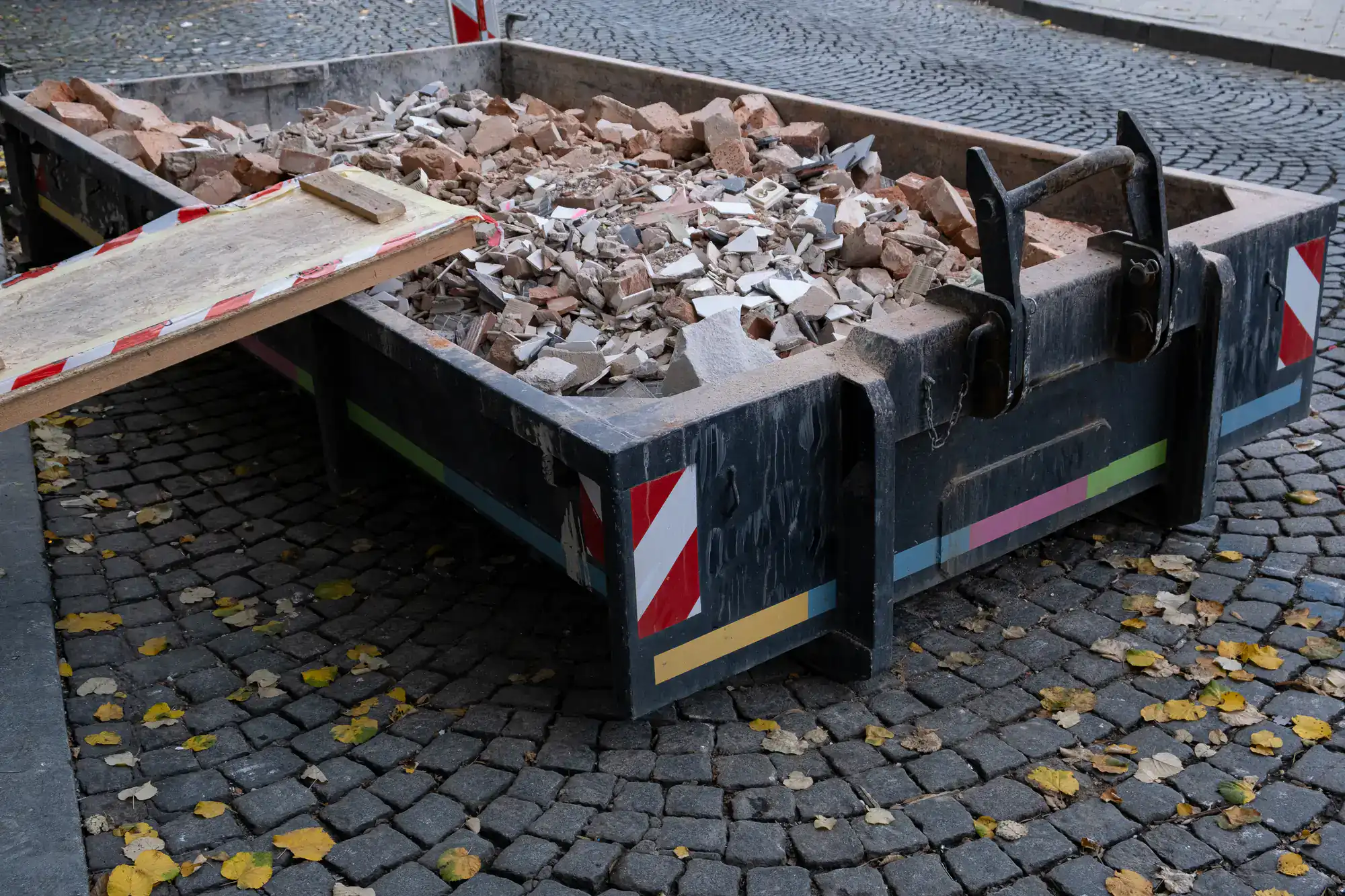
Debris removal is included in what we do — you’re not left with a pile of material and a separate call to make. Construction debris, hazardous materials, and any abatement waste are all handled as part of the project scope. Hazardous materials like asbestos-containing waste and lead-contaminated debris have specific disposal requirements under federal and Pennsylvania state regulations, and they cannot go into a standard dumpster or municipal waste stream. We handle that disposal through licensed channels, with proper documentation.
For standard construction debris — drywall, framing, flooring, fixtures — removal is coordinated as part of the project closeout. In Newtown Township, larger projects involving significant earth disturbance may also require coordination with the Bucks County Conservation District for stormwater compliance, which affects how and when certain materials can be moved off-site. We account for all of that in the project plan upfront, so there are no surprise fees or logistics issues at the end of the job. The goal is a clean site and a clear paper trail when we’re done.
We do offer cash discounts, which is genuinely uncommon in this industry. For homeowners in Newtown who are managing a renovation budget — especially on older borough properties where the scope can expand once walls come open — reducing the overall project cost where possible matters. Cash payment allows us to reduce processing overhead on our end, and we pass that savings directly to the customer. It’s a straightforward arrangement, not a complicated program.
Beyond that, every project starts with a free, written estimate that breaks down the scope in plain terms — what’s included, what the permit fees look like, how debris disposal is handled, and what hazmat testing will cover. Newtown’s construction market runs over $150 per square foot for new work, and renovation costs reflect that same high-value environment. We’re not the cheapest option in Bucks County, and we’re not trying to be — but what you get is a fully licensed, EPA-certified contractor who handles the entire project without handing you off to a subcontractor halfway through. For a home in Newtown, that’s the kind of accountability that’s worth paying for.
Other Services we provide in Newtown