Hear from Our Customers
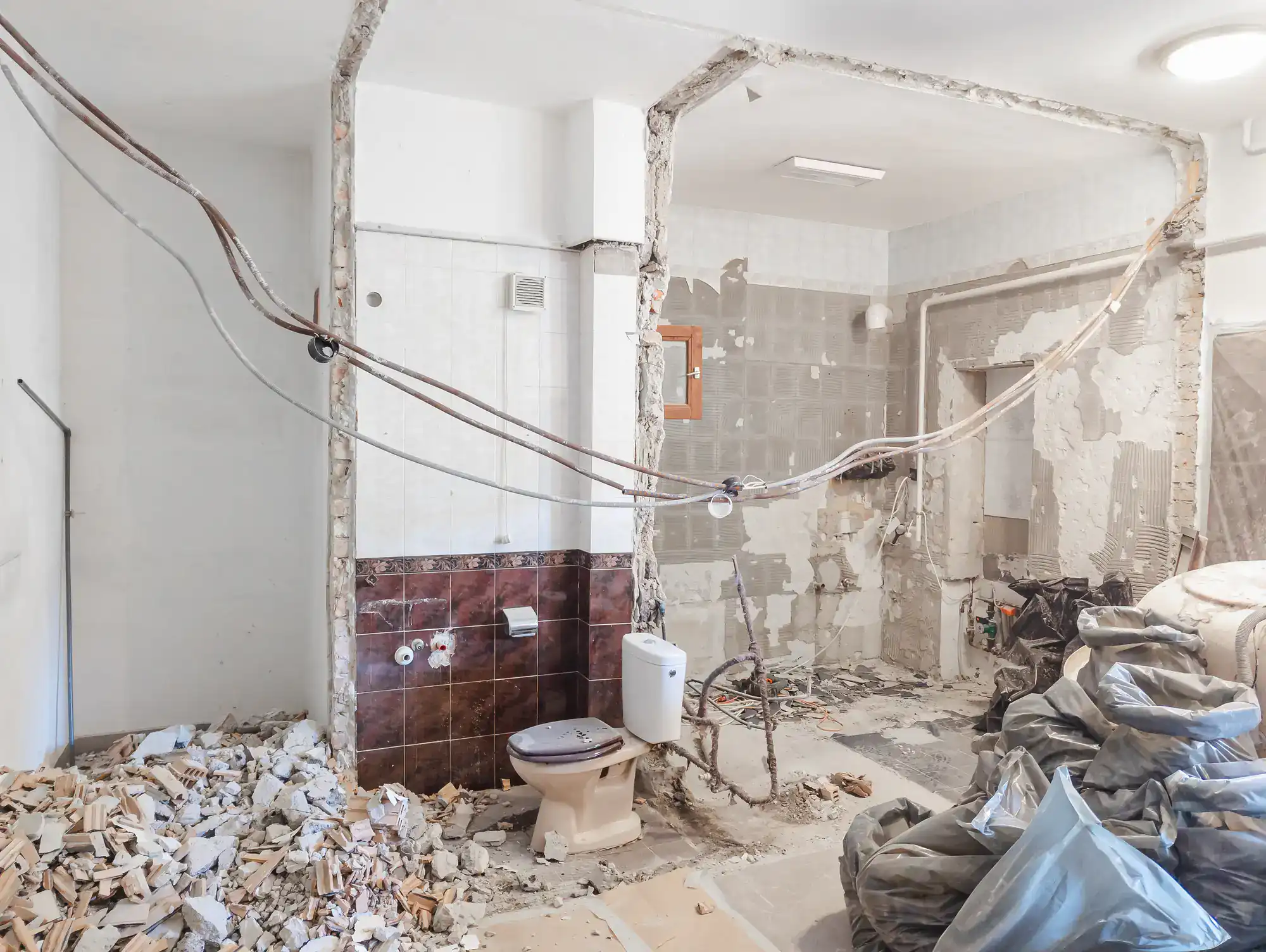
Most McKinley homes were built somewhere between the 1920s and the 1960s. That’s not a problem — it’s just reality. But it does mean that before any wall comes down or any floor gets ripped out, someone needs to check what’s behind it. Lead paint, asbestos insulation, deteriorating pipe wrap — these aren’t rare surprises in a neighborhood where the median home was built around 1949. They’re the baseline.
When you work with a contractor who can test, certify, and remove hazardous materials under the same roof as the demolition crew, you’re not just getting the job done faster. You’re avoiding the scenario where one company’s scope ends right where your actual problem begins. No handoffs, no gaps, no waiting on a second contractor to clear the site before the first one can continue.
McKinley also sits on heavy clay soil that doesn’t drain quickly. If you’ve had water in your basement — and a lot of homeowners on Tulpehocken, Cadwalader, or Roanoke Road have — the damage usually goes deeper than it looks. Gutting the affected area properly, down to clean structure, is what makes the difference between a real fix and a covered-up problem. That’s the outcome worth paying for.
We’re based in Glenside — which puts us about two to three miles from McKinley, inside Abington Township. We’re not a regional company routing calls through a dispatch center three counties away. We know McKinley, we pull permits from the same township office, and we’ve worked on the same pre-war twins and mid-century detached singles that line the streets here.
Eric has been doing this for over twenty years. We’re EPA Certified for lead inspection and risk assessment — not just the basic removal credential, but the federal qualification that legally authorizes us to inspect and certify lead conditions in pre-1978 homes. We’re also EPA and HUD compliant, fully licensed, bonded, and insured, and registered under Pennsylvania’s Home Improvement Consumer Protection Act.
What that means practically: you can verify us, you can trust the paperwork, and you’re not taking a gamble on who shows up at your door.
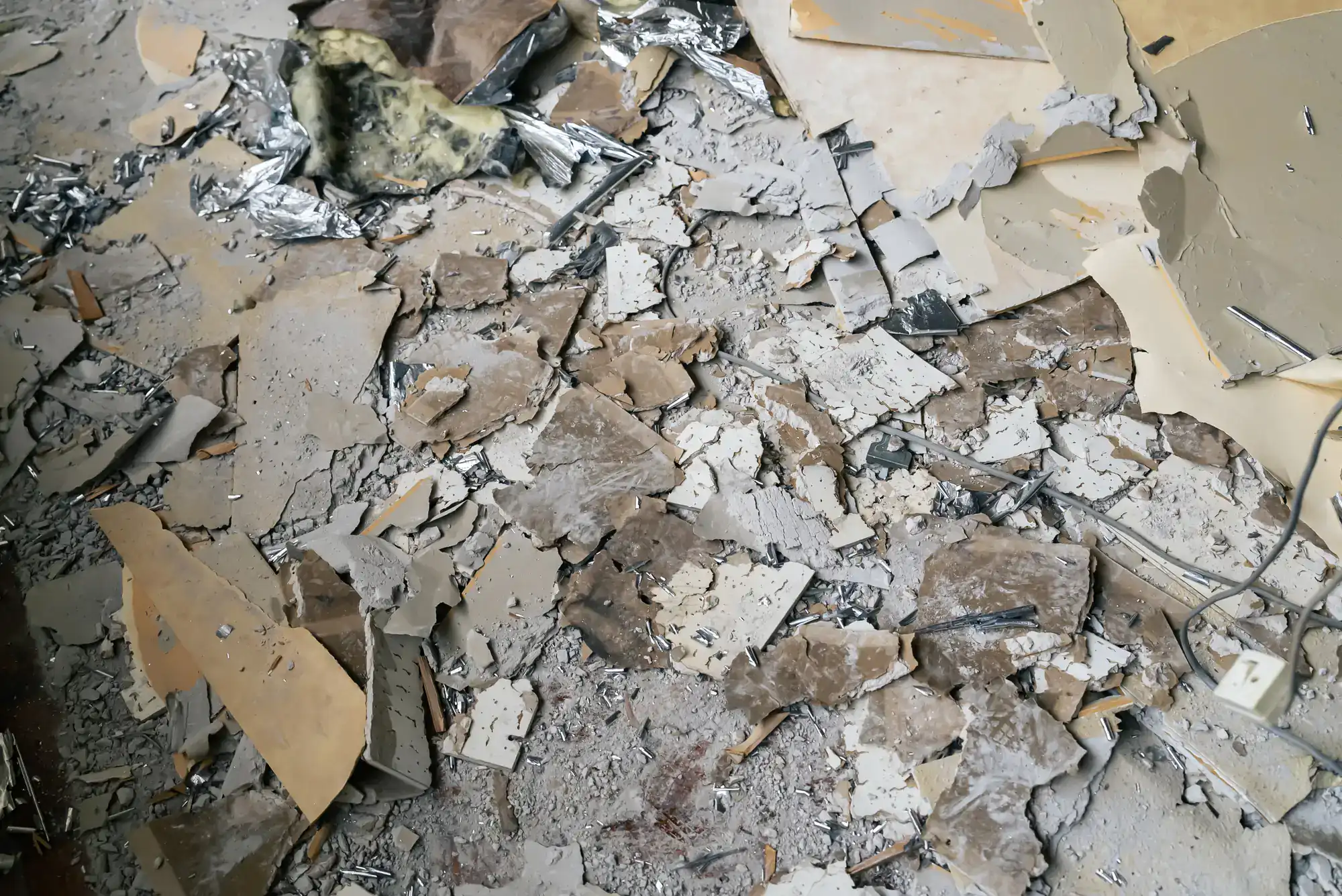
It starts with a free estimate. We come out, look at what you’re dealing with, and give you a clear picture of scope, timeline, and cost before anything gets signed. For most McKinley homes — especially anything built before 1978 — that first visit includes an assessment for lead and asbestos. Not because we’re trying to add line items, but because Abington Township’s permitting process and Pennsylvania’s regulations require it, and skipping that step creates legal exposure for you, not just us.
Once we know what we’re working with, we handle the permit application through Abington Township’s digital permitting portal. That includes the NFPA 241 fire prevention plan that the township requires for every demolition project. You don’t have to figure out what forms are needed or how the new online system works — that’s on us.
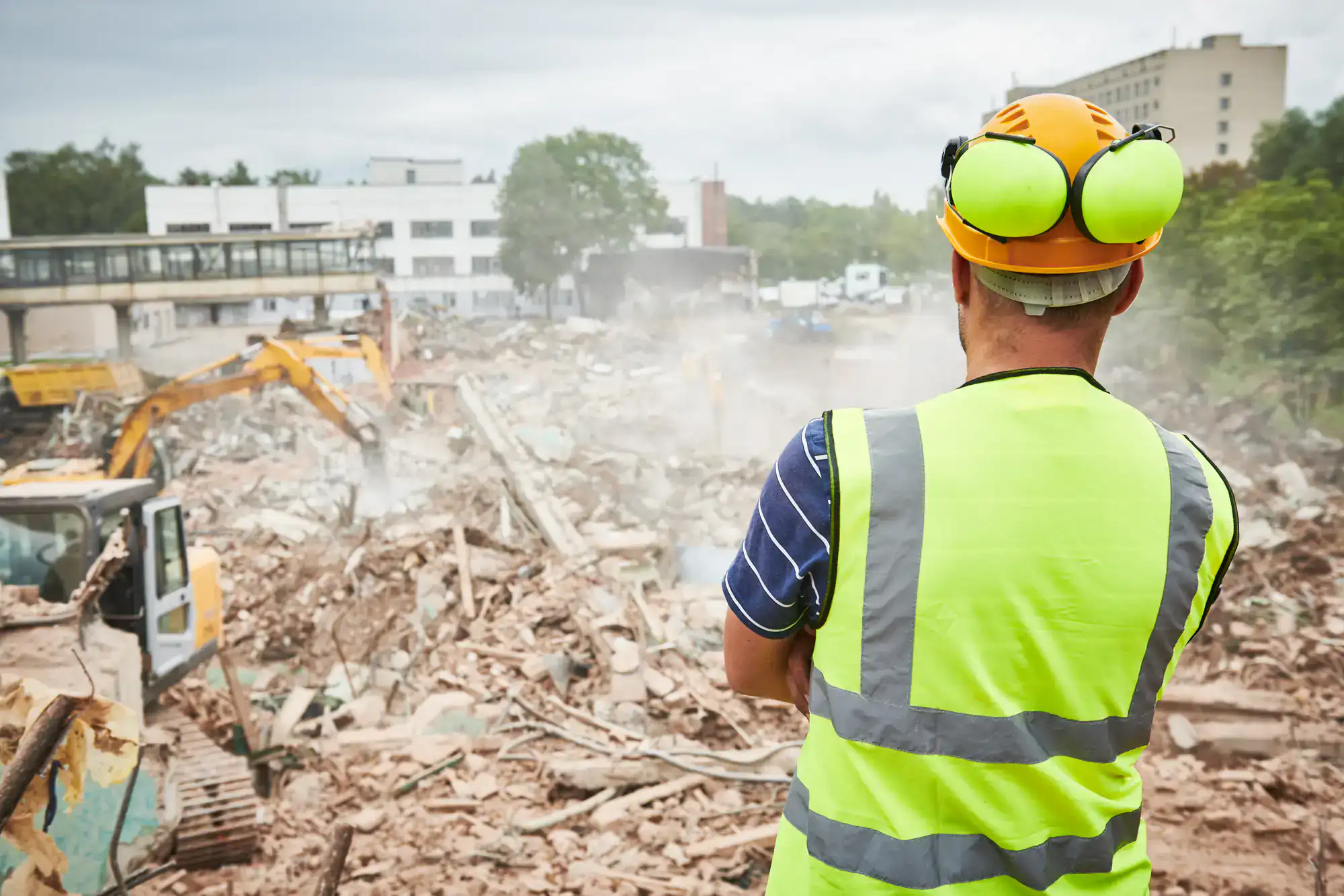
From there, the work begins. Hazardous materials get abated first, under proper HEPA containment so nothing migrates into the rest of your home. Then the demolition or gutting proceeds, supervised on-site by a licensed professional from start to finish. Debris gets removed, the site gets cleaned, and we don’t disappear before the job is actually done. If waterproofing is part of what you need — which it often is after water damage in this neighborhood — we handle that too, in the same project, under the same contract.
Ready to get started?
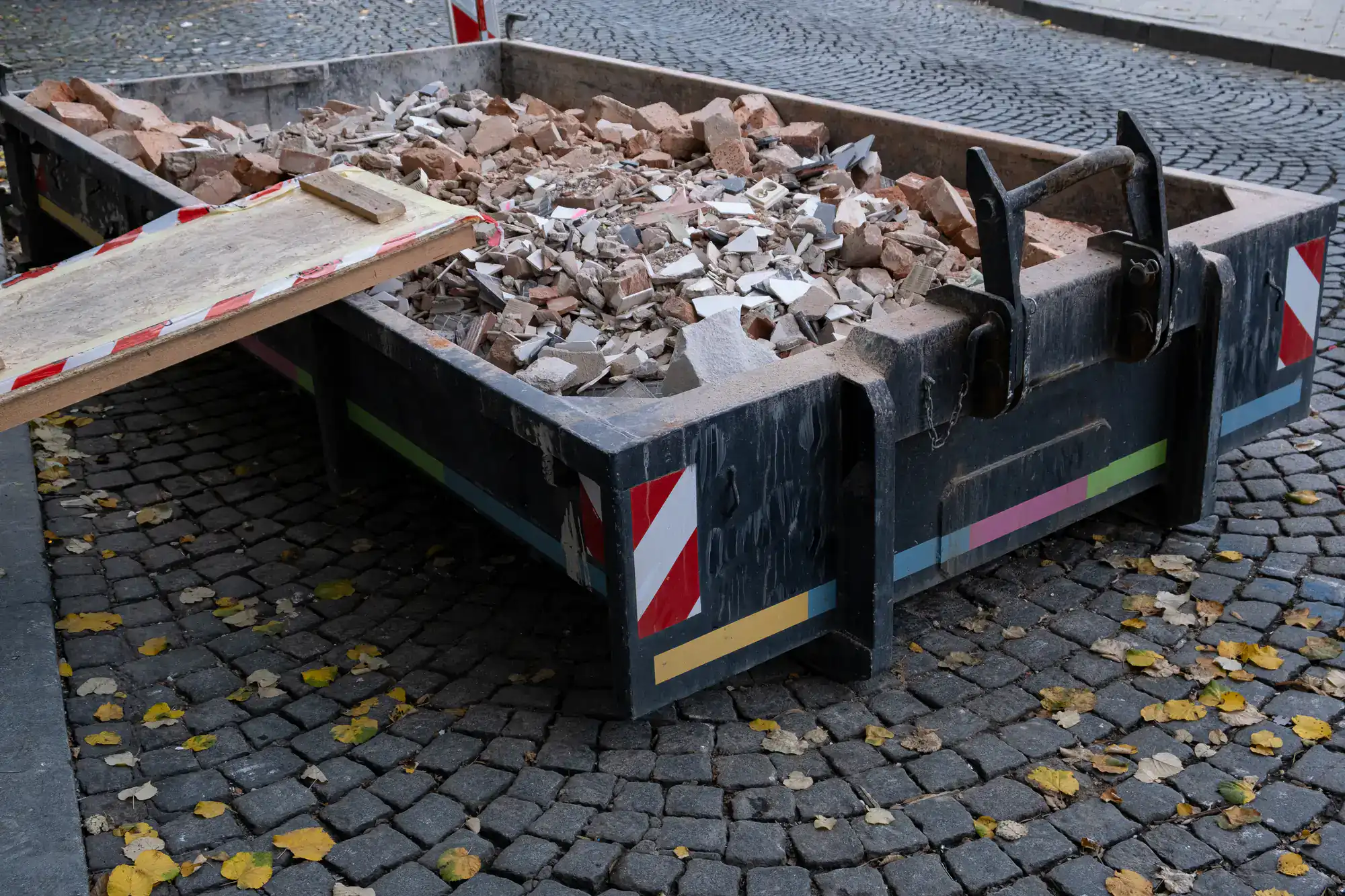
We handle the full scope: hazardous material testing, lead and asbestos abatement, interior demolition, selective gutting, full structure teardown, construction debris removal, and basement waterproofing. For McKinley homeowners, that combination matters more than it might in a newer neighborhood. When virtually every home on your block was built before the lead paint ban and before asbestos was phased out of building materials, you need a contractor who can legally do all of it — not one who has to stop and wait for someone else to clear the hazmat before the demo can start.
We use HEPA filtration systems on every abatement job. That’s not a vague claim about “proper equipment” — HEPA is a specific, medical-grade standard that captures particles down to 0.3 microns, including asbestos fibers and mold spores. In a 1,500-square-foot McKinley twin where your kitchen shares a wall with your living room, that level of containment is the only acceptable standard.
Emergency response is available around the clock. If a pipe fails at 2 AM — and in a neighborhood full of aging galvanized plumbing, that’s not a hypothetical — we answer. Water damage compounds fast. Mold starts within 24 to 48 hours. Getting someone on-site quickly, with the right equipment and the right credentials, is what keeps a bad night from turning into a months-long remediation project. Cash discounts are available, and estimates are always free.
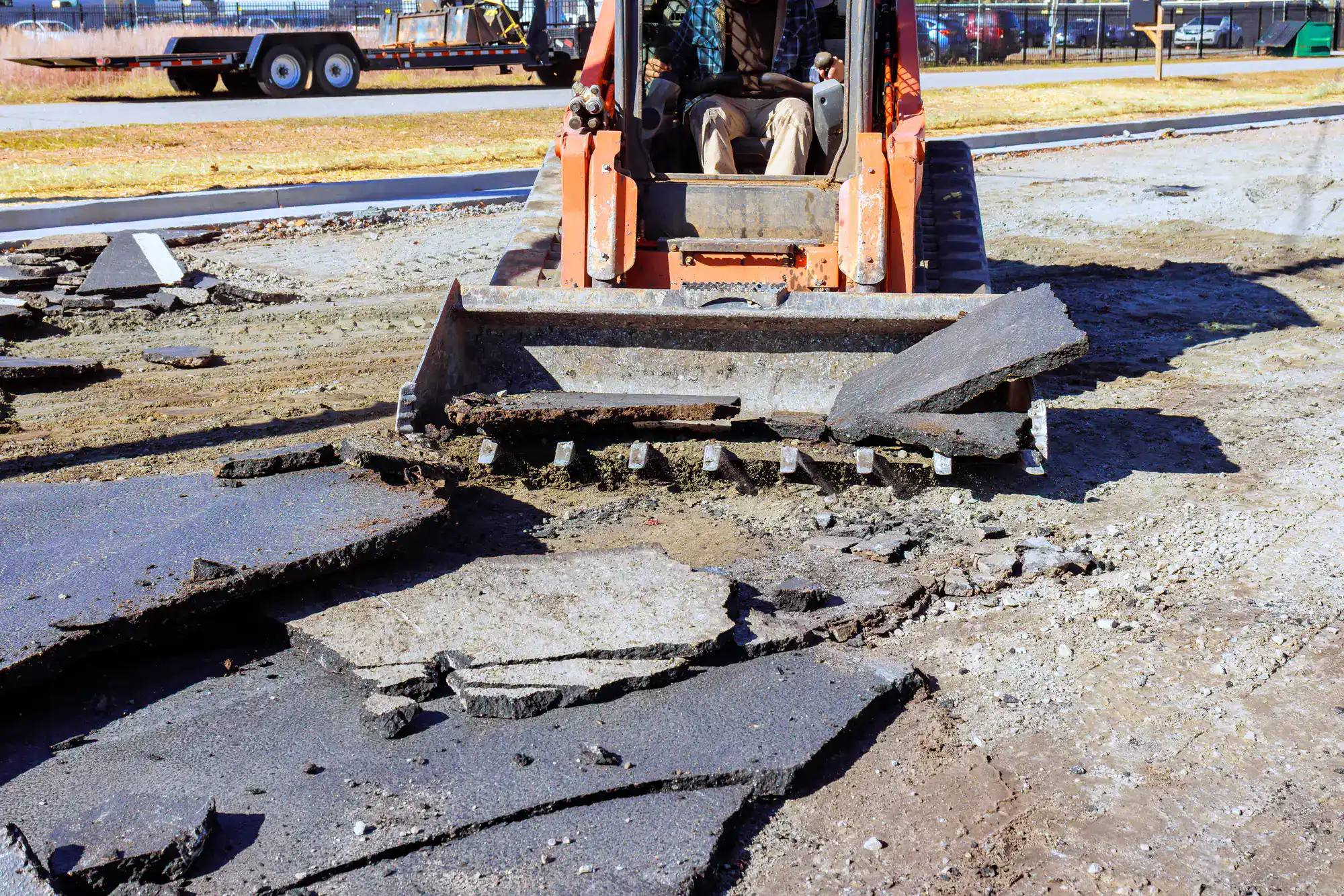

Yes. Because McKinley is a Census-Designated Place within Abington Township — not its own municipality — all permits are handled through Abington Township’s Fire and Code Services Department. A demolition permit is required for any partial or full structural demolition, including interior gutting projects that affect load-bearing or structural elements. Every application also requires an NFPA 241 fire prevention plan, which outlines the fire safety measures that will be in place during the demolition process.
Abington Township moved to fully digital permitting as of July 1, 2025, so all applications now go through the township’s online portal. If you’re not familiar with that system, it can be a bit of a learning curve. We handle the permit application, prepare the NFPA 241 plan, and submit everything on your behalf. It’s one less thing on your plate, and it ensures the paperwork is done correctly the first time — which keeps the project on schedule.
Statistically, yes — it’s very possible. Asbestos-containing materials were widely used in residential construction through the late 1970s and into the early 1980s. In a home built in the 1950s, you might find asbestos in floor tiles, ceiling tiles, pipe insulation, duct wrap, roofing materials, and joint compound. It doesn’t mean the home is unsafe to live in — intact asbestos that isn’t disturbed generally isn’t an immediate hazard. But the moment demolition or renovation begins, those materials can release fibers, which is when the risk becomes real and the legal requirements kick in.
Before any demolition work starts in a pre-1980 home, a certified inspector needs to assess the materials that will be disturbed. We hold EPA certification as a Lead Inspector and Risk Assessor, and we conduct full hazmat assessments as part of our pre-demolition process. We’ll tell you exactly what’s present, what needs to be abated before work can proceed, and what the removal process looks like — clearly, without padding the scope.
Interior demolition typically refers to removing specific elements — a wall, a ceiling, a section of flooring — as part of a targeted renovation. Gutting a house means stripping it down to the structural skeleton: removing drywall, plaster, flooring, insulation, cabinets, fixtures, and sometimes mechanical systems, leaving only the framing and foundation. Gutting is usually what’s needed after significant water damage, a major renovation, or when an older home is being fully updated from the inside out.
In McKinley, gutting projects most often come up after basement flooding or pipe failures. The clay-heavy soil under Abington Township builds up hydrostatic pressure during rain events, and homes with aging waterproofing — or none at all — end up with water intrusion that saturates walls, flooring, and insulation. Once that happens, surface-level repairs don’t cut it. The affected materials have to come out completely before anything can be rebuilt. We handle the full gutting process, including hazmat assessment and removal for any pre-1978 materials uncovered during the work.
Pennsylvania’s Home Improvement Consumer Protection Act (Act 132 of 2008) requires any contractor performing home improvement work valued at $5,000 or more to register with the Pennsylvania Office of the Attorney General. You can verify a contractor’s registration directly through the AG’s office online — it takes about two minutes and it’s one of the most reliable filters available to Pennsylvania homeowners. Beyond that, ask specifically about EPA certification for lead and asbestos work, not just general licensing. In a pre-1978 home, the EPA’s Renovation, Repair, and Painting Rule requires contractors to hold specific federal certification. A contractor without it is in violation of federal law, and that liability can land on you as the homeowner.
We’re fully registered under the Home Improvement Consumer Protection Act, EPA and HUD certified, licensed, bonded, and insured. All of that is verifiable. If a contractor can’t point you to their registration or certification credentials quickly and without hesitation, that’s a red flag worth taking seriously — especially in a neighborhood like McKinley where the age of the housing stock makes hazmat compliance the rule, not the exception.
It depends on the scope, but for a typical McKinley home — a 1,200 to 1,800 square foot detached single or twin — a targeted interior demolition project usually takes one to three days. A full gut of a basement or a significant portion of the living space, including hazmat abatement, typically runs three to seven days depending on what’s found during the initial assessment. Full structural demolition of a detached structure takes longer and involves additional permit timelines through Abington Township.
The variable that most affects timeline in McKinley specifically is the hazmat assessment phase. If asbestos or lead is confirmed, abatement has to be completed and cleared before demolition work can continue — that’s not something that can be rushed or skipped. We conduct the assessment before the project begins so there are no mid-project surprises that stall the schedule. We give you a realistic timeline upfront, and we stick to it.
Cash discounts are available. For homeowners in McKinley and the surrounding Abington Township area, paying in cash reduces the processing overhead on our end, and we pass that savings directly to the customer. It’s straightforward — no financing markups, no processing fees built into the quote. The estimate you receive reflects the actual cost of the work, and if you’re paying cash, that number comes down.
Beyond that, estimates are always free. For older homes in McKinley — where the scope of a demolition project often can’t be fully determined until someone walks the property and assesses what’s in the walls — a free, detailed estimate before any commitment is genuinely useful, not just a sales tactic. You’ll know what you’re paying for, why, and what the alternatives are before you make any decisions. That’s how we’d want to be treated, and it’s how we handle every project in this neighborhood.
Other Services we provide in Mckinley