Hear from Our Customers
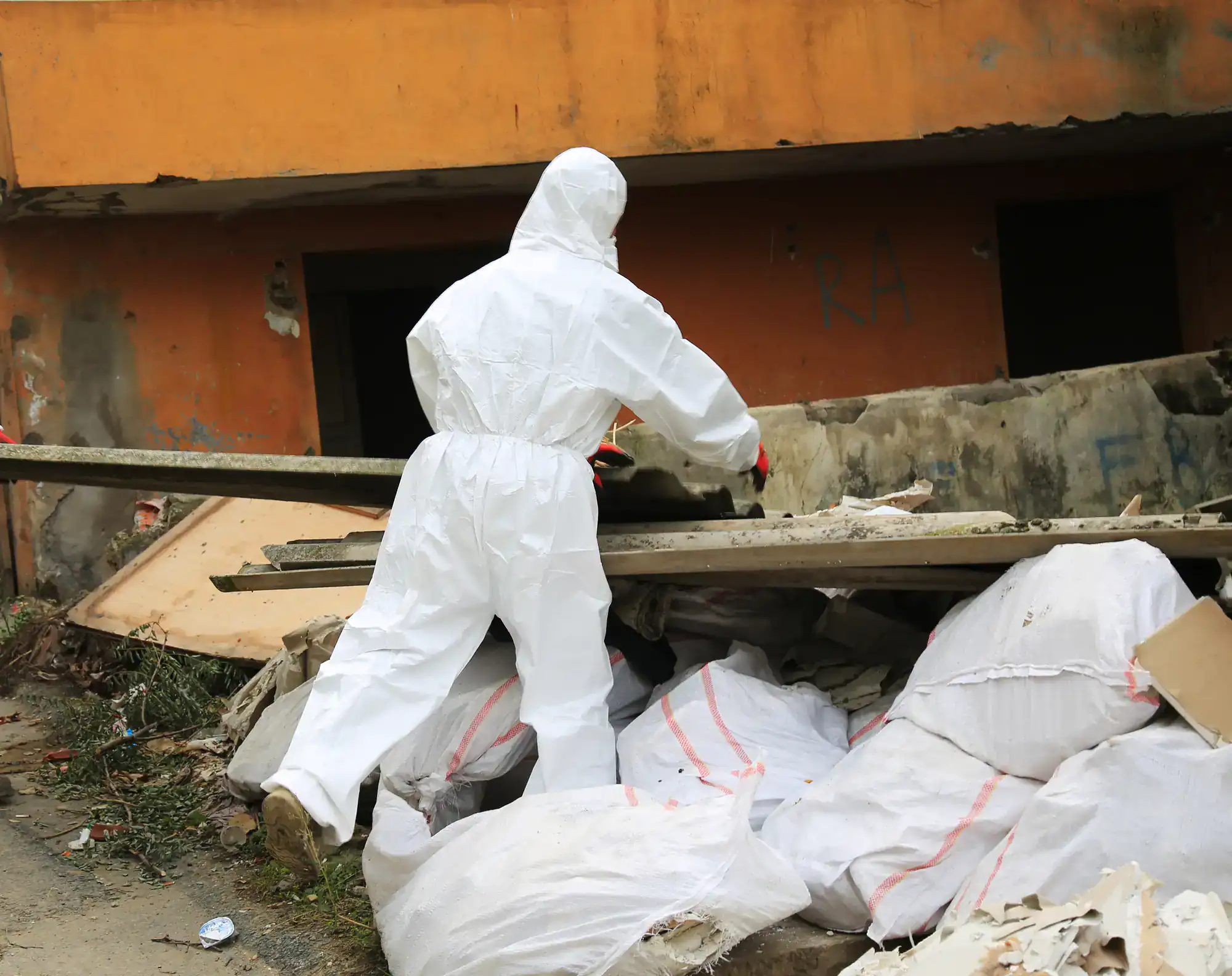
When asbestos is identified and removed correctly, you stop carrying that risk forward. You can renovate without wondering what’s inside the walls. You can sell without a deal falling apart at inspection. You can breathe without that quiet, unresolved question sitting in the back of your mind.
For residents of Warminster Heights — especially those in the original cooperative units along the core of the neighborhood — that question tends to run deeper than it does in most places. These homes were built in 1943 by the federal government as worker housing for the Brewster Aeronautical Corporation. Cinder block on slab, coal and oil furnace systems, original pipe insulation. That’s not a construction type where you assume everything is fine. That’s a construction type where you find out.
The Spring Lake Farms section, with its detached homes built through the mid-1950s and early 1960s, carries its own version of the same issue. Vinyl floor tiles, acoustic ceilings, attic insulation — materials from that era were routinely manufactured with asbestos. If you’re remodeling a kitchen, replacing flooring, or updating a heating system in a home built around 1958, a proper inspection before you start isn’t overcaution. It’s just what you do when you know what you’re dealing with.
We’ve been working in southeastern Pennsylvania for two decades. That means Bucks County is not a new market for us — it’s where we’ve built a reputation doing work that holds up. We’re fully licensed by the Pennsylvania Department of Labor and Industry under the state’s Asbestos Accreditation and Certification Act, fully bonded, and fully insured. We carry a Certified Lead Inspector and Risk Assessor on staff, and we’re EPA/HUD compliant — which matters specifically in Warminster Heights, where the Warminster Heights Home Ownership Association operates as a HUD-affiliated housing cooperative.
We serve Chester, Delaware, Montgomery, New Castle, and Bucks counties, and we handle the full scope in-house: inspection, testing, abatement, demolition, waterproofing, and cleanup. One contractor, one call, no coordinating between vendors while your project sits still. We offer free estimates, cash discounts, and 24/7 phone availability — because environmental problems don’t wait for business hours, and neither should you.
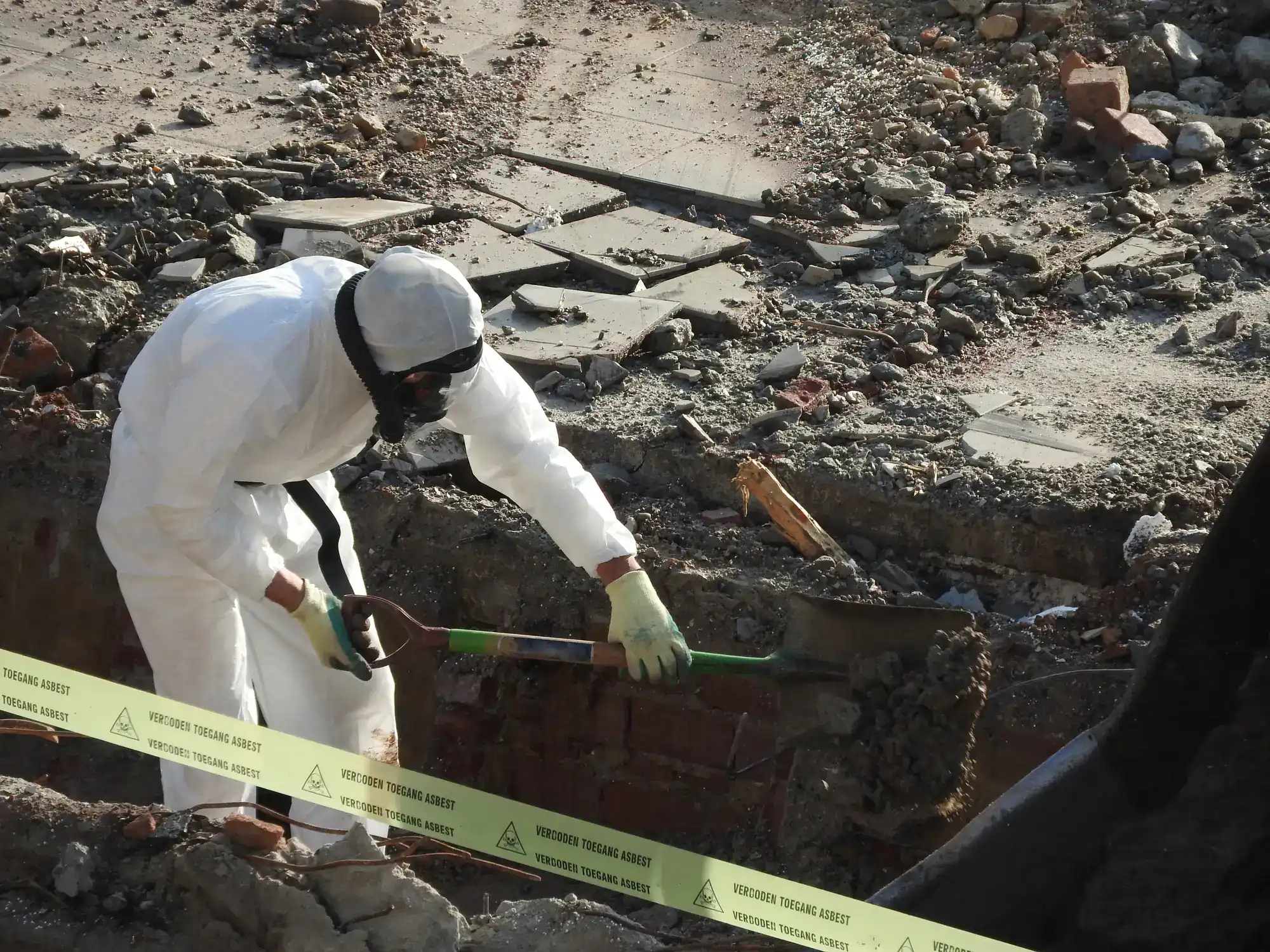
It starts with a call and a free estimate. We come to your property, assess the materials in question, and collect samples for lab testing. In a home built in 1943 or a Spring Lake Farms ranch from the late 1950s, we know where to look — pipe insulation, boiler wrap, floor tiles, joint compound, ceiling materials — because we’ve done this long enough to know what those construction types actually contain.
Once testing confirms the presence of asbestos-containing materials, we build a remediation plan specific to your property. Before any friable material removal begins, Pennsylvania DEP requires a minimum five-day advance notification for jobs above the threshold — and for larger scopes, federal NESHAP regulations require ten working days’ notice to state environmental agencies. We handle that paperwork. You don’t have to figure out what filings apply to your job.
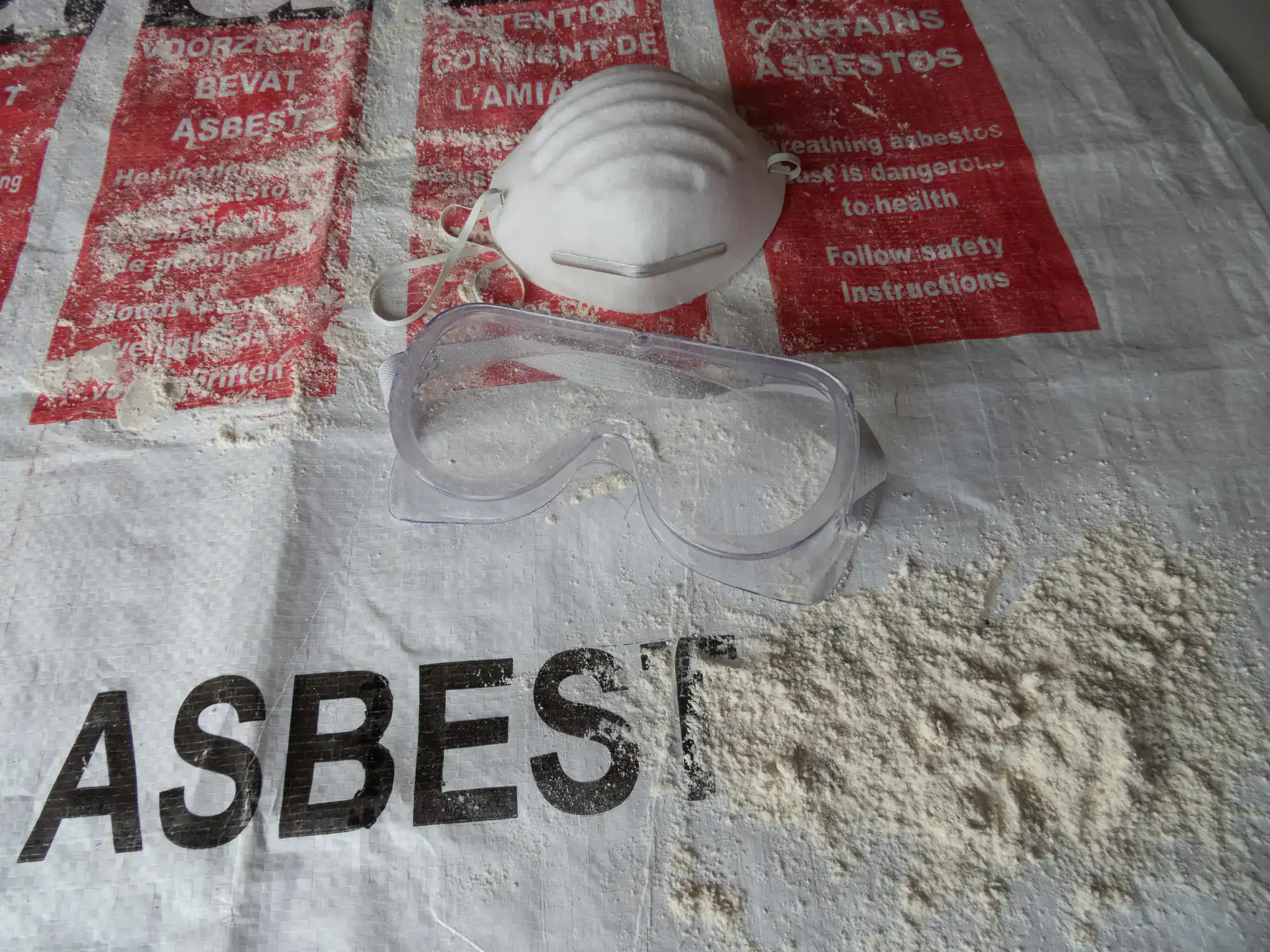
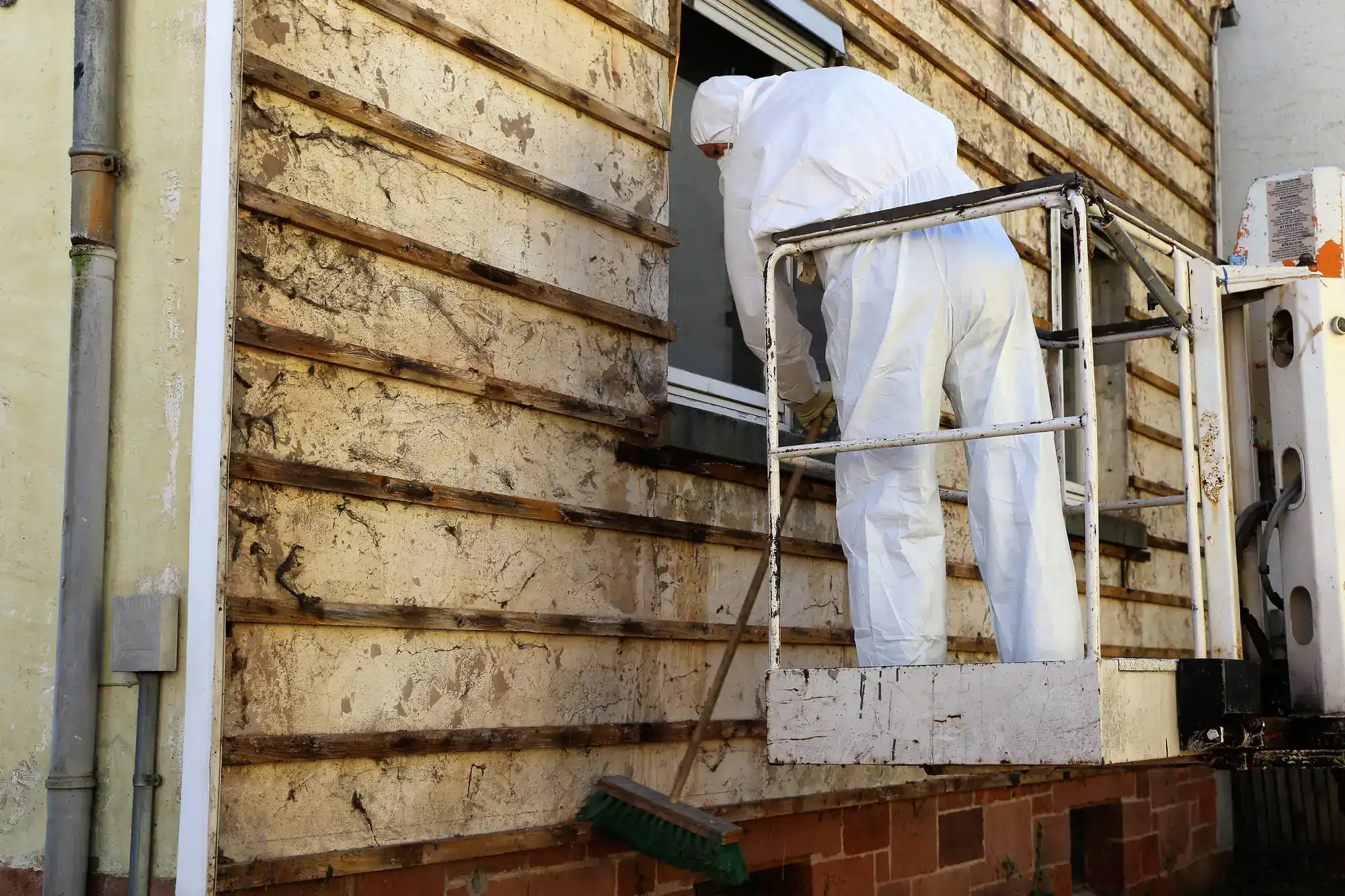
On the day of abatement, we set up proper containment, run HEPA filtration systems to maintain negative air pressure, and remove the materials using state-of-the-art equipment. When the work is done, we conduct final clearance testing before anything gets opened back up. If lead paint or mold surfaces during the job — which is common in pre-1978 construction, and all of the original Warminster Heights units predate 1978 by 35 years — we handle that too, without sending you back to square one with a different contractor.
Ready to get started?
Every job starts with a proper inspection and lab-confirmed testing — not a visual guess. We don’t tell you there’s a problem until we can prove it, and we don’t tell you there isn’t one until we’ve actually looked. For residents of the Warminster Heights cooperative, that also means we understand the HUD-compliance requirements that apply to work done in those units. Our EPA/HUD certification isn’t a generic credential — it’s what qualifies us to work in properties under that kind of federal oversight.
Abatement itself includes full containment setup, HEPA-filtered negative air pressure systems, licensed removal of all identified asbestos-containing materials, and post-abatement clearance testing before the space is released. If the scope involves demolition — tearing out old pipe systems, removing original flooring, gutting a heating room — we handle that in-house as well. Same goes for waterproofing if moisture is part of the picture, which it often is in cinder block construction that’s been sitting on a slab since 1943.
The community along the former NAWC Superfund corridor already knows what it looks like when environmental hazards get minimized for too long. We’re not here to minimize anything. You get a documented process, a licensed crew, and a job that’s done to the standard Pennsylvania DL&I and the EPA actually require — not the standard that’s easiest to cut corners on.

Yes, and the requirements are specific. Pennsylvania DEP requires a minimum five-day advance notification before any friable asbestos material removal begins, as long as the scope exceeds three square feet or three linear feet. For larger projects, federal NESHAP regulations require ten working days’ advance notice to state environmental agencies before work starts. These aren’t optional steps — skipping them exposes the property owner and the contractor to significant liability.
In Warminster Heights, if the work is being done in a unit within the Warminster Heights Home Ownership Association cooperative, there are additional considerations around EPA/HUD compliance that apply specifically to HUD-affiliated housing. We handle all required notifications and documentation as part of the job — you don’t need to research what applies to your specific situation and then figure out how to file it. That’s our responsibility, not yours.
You can’t tell by looking at it. Asbestos-containing materials don’t have a distinct appearance — old floor tiles, pipe insulation, ceiling texture, and joint compound from the 1940s through the 1970s can all look completely normal and still test positive. The only way to confirm it is to collect a sample and send it to an accredited laboratory.
For homes in Warminster Heights, the risk profile is unusually concentrated. The original cooperative units were built in 1943 — squarely in the highest-risk window for asbestos use in residential construction. The coal and oil furnace systems that were standard in those units are a particularly high-risk source. The Spring Lake Farms section, built primarily in the mid-1950s to early 1960s, carries similar risk in its flooring, insulation, and ceiling materials. If your home was built before 1980 and you’re planning any renovation, repair, or heating system work, testing before you start is the right call — not after something gets disturbed.
It depends on the scope and location of the work. For contained abatement in a single room or limited area — a basement, a utility room, a section of flooring — it’s often possible to remain in other parts of the home during the job. For larger or more invasive scopes, temporary relocation may be the safer and more practical option.
This question matters more in Warminster Heights than it does in a lot of other communities. The original cooperative units are compact, share walls with adjacent units, and weren’t built with modern air sealing in mind. When we assess your property, we’ll give you a straightforward answer about what the specific scope requires — not a blanket policy. If you’re in a cooperative unit and displacement is a concern, that’s worth discussing upfront so we can build the project plan around your actual situation. We’re not going to tell you to leave for a week if the job doesn’t require it.
For most residential jobs, the national average runs around $2,200, with a typical range of roughly $1,200 to $3,200 depending on the scope, the materials involved, and the size of the affected area. Larger or more complex jobs — full pipe system removal, extensive flooring, or abatement combined with demolition — will sit above that range. Smaller, contained scopes can come in below it.
In Warminster Heights specifically, the 1943 construction type tends to present multiple materials in the same job. Pipe insulation, floor tiles, and boiler wrap don’t always show up separately — they often come together, particularly in mechanical rooms and utility spaces. That’s worth knowing before you budget, because a job that starts as “just the floor tiles” can expand once the full inspection is complete. We offer free estimates, so there’s no cost to finding out exactly what you’re dealing with before you commit to anything. We also offer cash discounts, which is a real consideration in a community where cost is a genuine factor in the decision.
Pennsylvania doesn’t have a blanket law that requires every homeowner to test before renovating, but federal NESHAP regulations do require that any renovation or demolition project involving a certain threshold of asbestos-containing material be handled by a licensed contractor with proper notification to state agencies. The practical reality is that if you disturb asbestos-containing material during a renovation without knowing it’s there, you’ve created a contamination event — and cleaning that up costs significantly more than testing would have.
For homes in Warminster Heights, this isn’t a theoretical concern. Pre-1980 construction is the standard here, not the exception. If you’re replacing flooring, opening walls, removing old insulation, or updating a heating system in a home built in the 1940s, 1950s, or 1960s, testing before you start protects you, your contractor, and anyone else in the home. It also protects you legally — if a contractor disturbs asbestos-containing material without prior testing and proper handling, the liability doesn’t stay with the contractor alone.
The free estimate exists because the decision to hire an asbestos abatement contractor shouldn’t start with a financial commitment before you even know what you’re dealing with. You call, we come out, we assess the property, and you get a clear picture of the scope and cost before anything is agreed to. That’s how it should work, and it’s how we do it.
The cash discount reflects something straightforward about this community. Warminster Heights is a working-class neighborhood — median household income around $47,000, a housing cooperative that serves residents across a range of financial situations. Environmental hazard abatement is a health and safety necessity, not a luxury renovation. Offering a cash discount is a way of making the service accessible to people who need it, not just people who can absorb the cost without thinking twice. It’s not a gimmick — it’s just how we’ve chosen to operate in communities where that kind of flexibility actually matters to the people we’re working with.
Other Services we provide in Warminster Heights