Hear from Our Customers
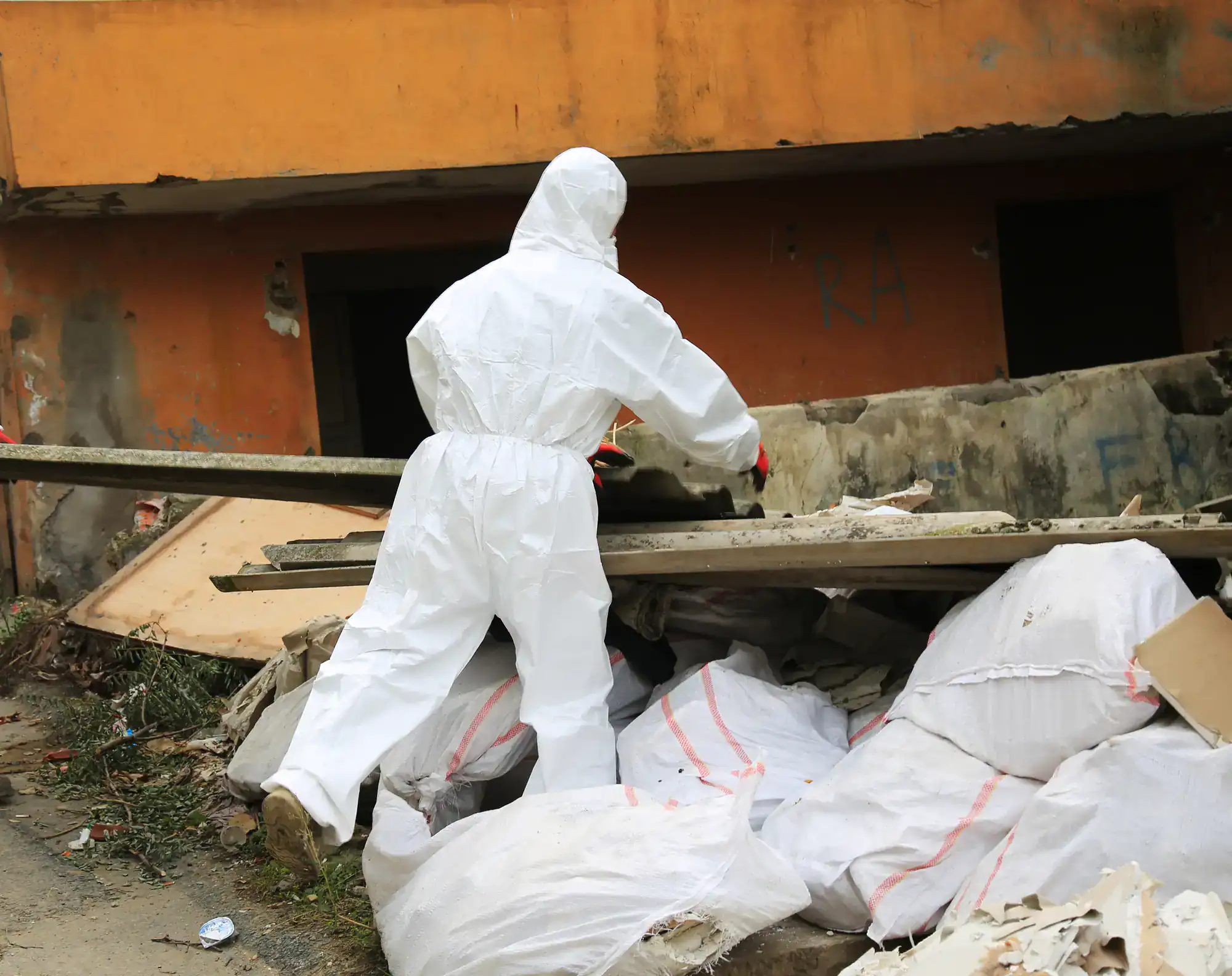
You stop guessing. That’s the first thing. When suspicious material turns up during a renovation — behind the plaster, under the floor tiles, wrapped around the pipes in the basement — the worst part isn’t the asbestos itself. It’s not knowing whether you’re dealing with something dangerous or something harmless. A proper inspection with real lab results ends that uncertainty fast.
Salford Township’s housing stock runs the full range — from 1860s stone farmhouses still in active use to post-war colonials and rural acreage properties that haven’t been touched in decades. Homes like these tend to have asbestos in places that don’t get disturbed until someone finally decides to renovate, replace the boiler, or gut the kitchen. When that moment comes, you need documentation you can actually use — not a verbal “looks fine” from someone who showed up without a test kit.
If you’re selling a property in Salford, a clean clearance report protects your transaction. If you’re buying, an inspection before closing protects your investment. And if you’re mid-renovation and something unexpected turned up, having a licensed asbestos removal contractor who can respond the same day means your project doesn’t sit frozen for two weeks while you track down someone qualified. That’s the practical outcome of getting this handled correctly.
We’ve been doing environmental hazard abatement for over two decades, serving Salford Township, Upper Salford, Lower Salford, Franconia, Souderton, and the broader Indian Valley area. That’s not a marketing line. It means we’ve worked on the kinds of properties that define this region: older farmhouses, rural acreage homes, historic structures that predate most of the suburbs to the south, and storm-damaged properties where asbestos-containing materials have been exposed.
We’re fully licensed under PA DL&I, EPA/HUD compliant, and carry a Certified Lead Inspector and Risk Assessor on staff — which matters in older Salford homes where asbestos and lead paint tend to show up together. We’re also fully bonded and insured, and we offer free estimates so you know what you’re dealing with before you commit to anything.
The one-stop model is real, not a tagline. Testing, abatement, demolition, waterproofing, mold — handled under one roof, one point of contact, one company that knows your property start to finish.
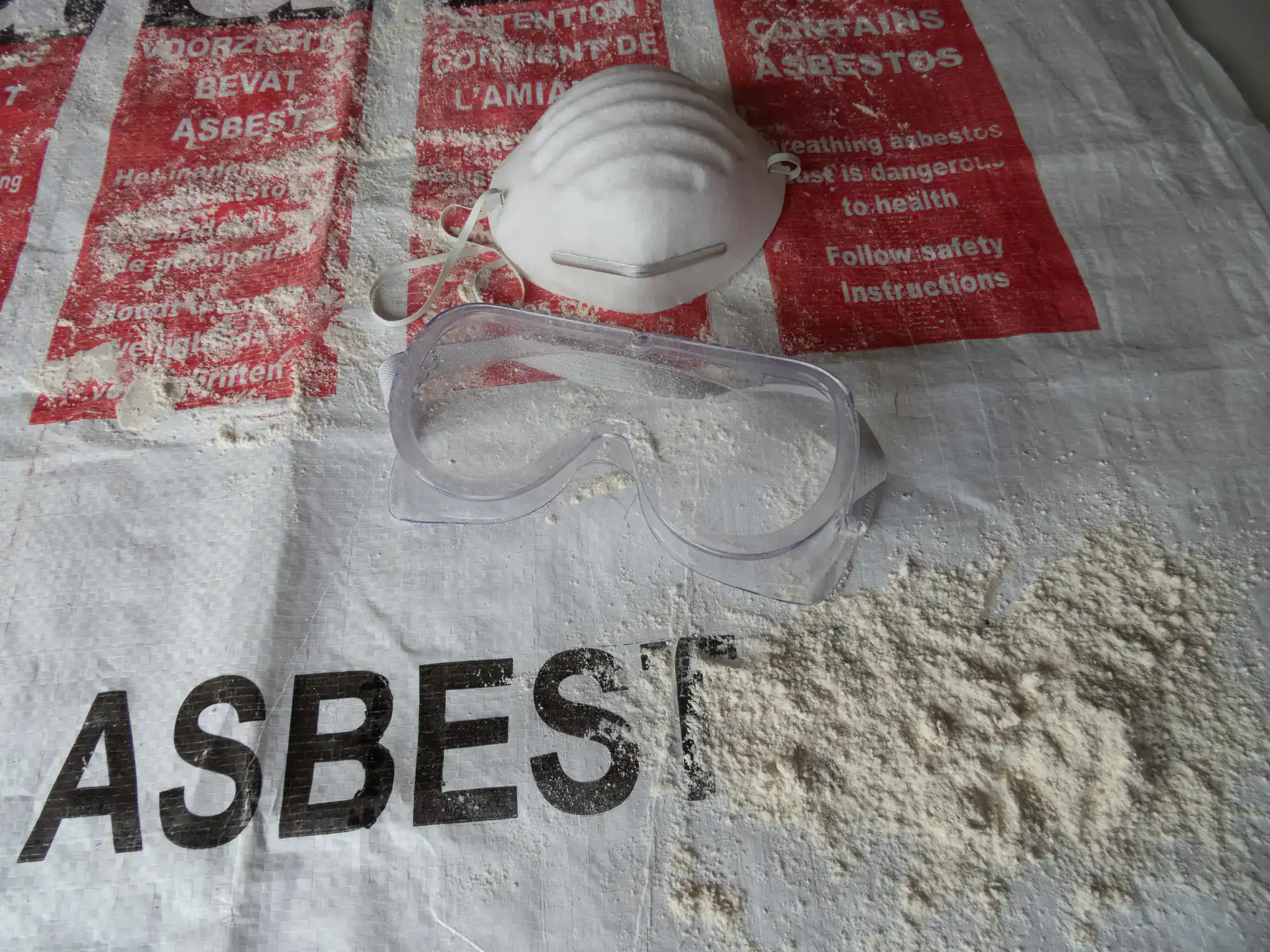
It starts with an inspection. We come out, assess the material, collect samples, and send them to a certified lab. You get actual results — not an estimate, not a visual guess. In Pennsylvania, friable asbestos removal above the threshold requires a five-day advance notification to PA DEP before work begins, and we handle that filing for you. You don’t have to navigate the regulatory side on your own.
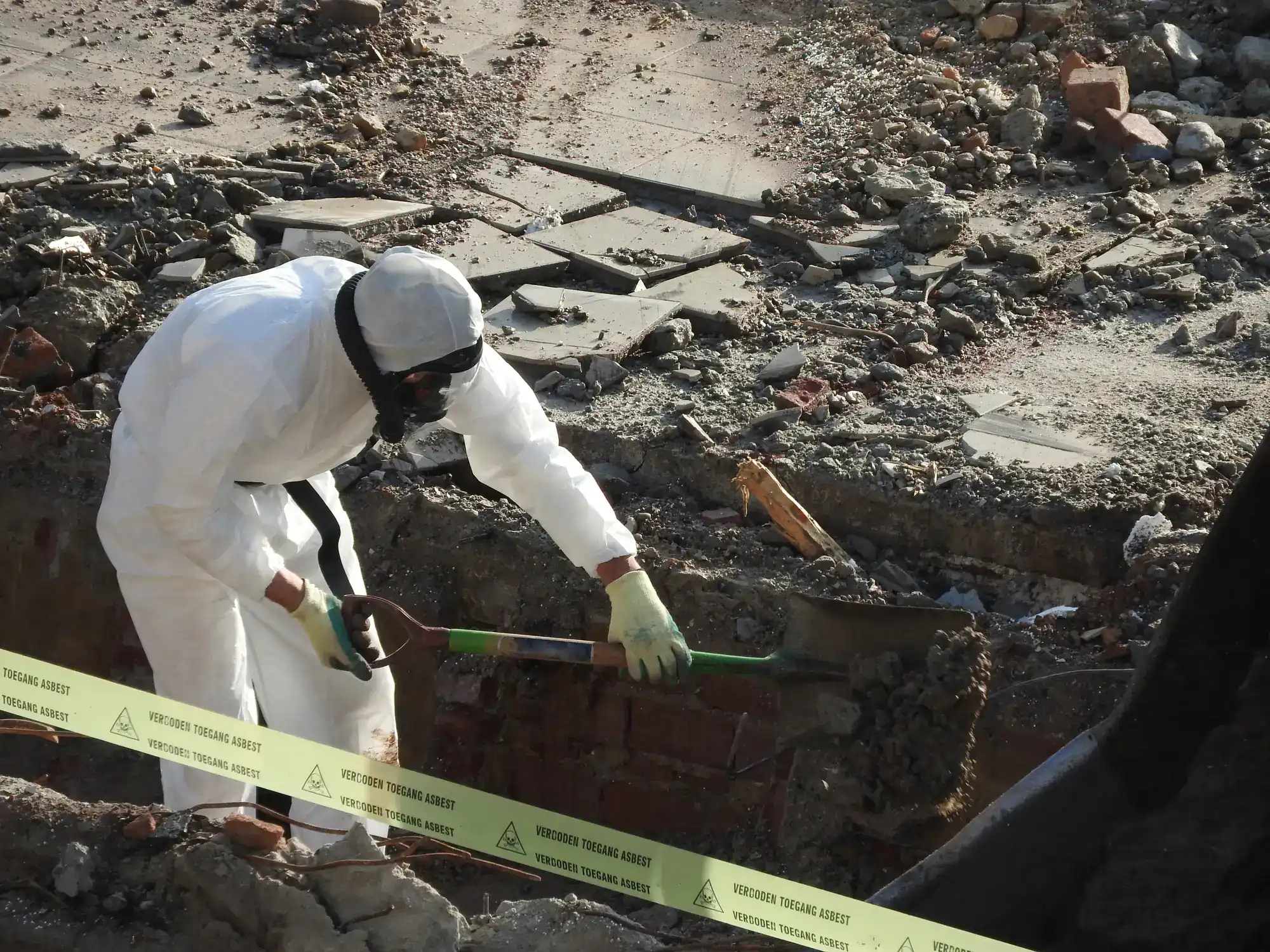
Once the scope is confirmed, we set up full containment — negative air pressure, polyethylene barriers, HEPA filtration running throughout the job. This isn’t optional equipment we bring out for bigger commercial jobs. It’s standard on every residential abatement we do, whether it’s a single pipe wrap in a Tylersport basement or a full floor tile removal in a 1950s farmhouse off Allentown Road. The reason it matters: improper removal without containment can actually increase airborne fiber counts. The setup is what keeps the rest of your home clean.
After removal, all material is packaged and disposed of through certified channels — Salford Township is designated a non-burning area under PA DEP, so proper licensed disposal isn’t optional here, it’s the law. We close out with post-abatement clearance air testing and give you a written report you can hand to a buyer, a contractor, or your own files.
Ready to get started?
Most asbestos removal firms handle the abatement and hand you back a property mid-project. We handle the full picture. That means inspection and lab testing, containment setup, licensed removal, certified disposal, clearance air testing, and written documentation — all under one company. If demolition work is needed before or after, we do that too. If mold turns up during the process (common in Salford’s older homes where moisture and age go hand in hand), we can address it without sending you to a third party.
The Perkiomen Creek watershed runs through Salford Township, and the area has seen significant flooding over the years. Storm damage that disturbs older building materials — insulation, floor tiles, pipe wrap — can release asbestos fibers from materials that were previously contained and undisturbed. That’s an emergency situation, and our 24/7 availability exists specifically for moments like that. If it’s 9 PM and a wall just came down, someone will answer.
We also work directly with general contractors and homeowners doing pre-demolition clearance on pre-1980 structures — a federal NESHAP requirement before any significant renovation or demolition work can proceed in Montgomery County. Whether you’re a homeowner converting a barn, a contractor pulling permits, or a buyer closing on a historic property near Tylersport, we provide the documentation that keeps the project moving.
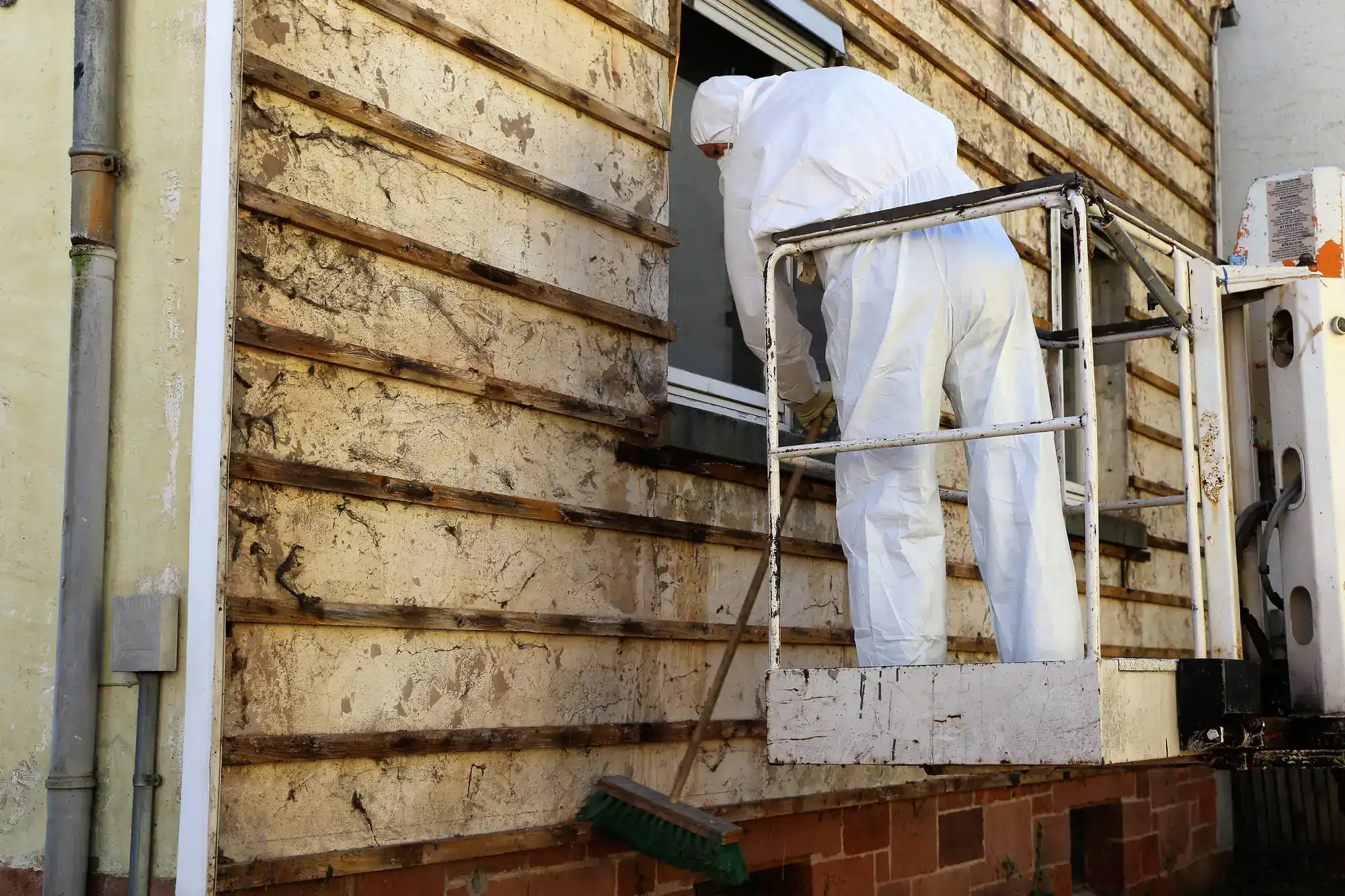

If your home was built before 1980, there’s a real chance it contains asbestos somewhere — and the older the structure, the higher the likelihood. Salford Township has an unusually old housing stock for Montgomery County. Current real estate listings in the township include stone farmhouses dating to the 1860s and 1870s, and a significant portion of the residential base consists of mid-century homes built in the 1940s, 50s, and 60s — exactly the window when asbestos was used most heavily in construction materials.
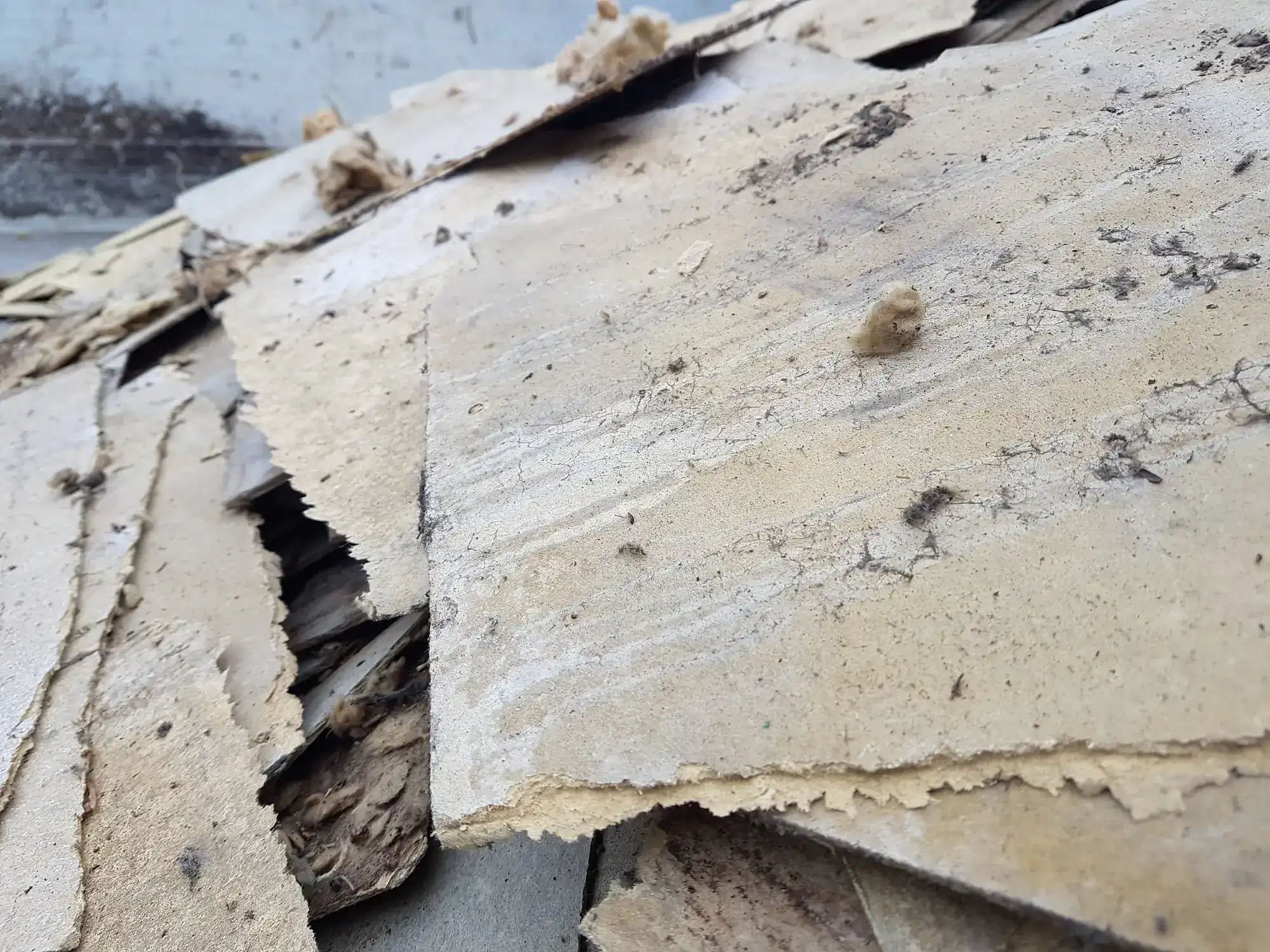
Common locations include floor tiles (especially 9×9 vinyl tiles), pipe and duct insulation, plaster and drywall joint compound, roofing shingles, siding, and insulation around furnaces and boilers. In older farm structures — barns, outbuildings, converted agricultural buildings — corrugated asbestos-cement roofing was widely used through the 1970s. The only way to know for certain is lab testing. Visual identification alone is not reliable, and Pennsylvania does not allow homeowners to make that call on their own for regulated removal.
Cost varies depending on the scope — how much material is present, where it’s located, and how accessible it is. A single localized removal, like an asbestos pipe wrap in a basement or a section of floor tile in one room, typically runs in the range of $1,500 to $3,000. Larger projects involving multiple areas, full insulation removal, or pre-demolition clearance on an older farmhouse can run $5,000 to $15,000 or more depending on square footage and material type.
What’s worth knowing is that the cost of proper abatement is almost always less than the cost of the alternative — a failed real estate transaction, a health consequence that surfaces decades later, or a renovation project that gets shut down mid-job by a PA DEP inspection. We offer free estimates so you know the actual number before committing to anything. We also offer cash discounts, which is something you won’t find advertised by most abatement contractors in the area.
For most residential abatement jobs, yes — you and your family should plan to be out of the affected area during active removal. The duration depends on the scope of the work. A single-room or localized removal might be completed in a day. Larger projects involving multiple areas or whole-floor tile removal can take two to three days. We’ll give you a realistic timeline before work begins so you can plan accordingly.
The containment setup — negative air pressure, polyethylene barriers, HEPA filtration — is designed to isolate the work area from the rest of your home. When the job is done, we conduct post-abatement clearance air testing before giving you the all-clear to return. You won’t be asked to come back to a property that hasn’t passed that test. The written clearance report is yours to keep, and it’s the document that confirms the air in your home meets safe standards.
Under federal NESHAP regulations — enforced by PA DEP for all Pennsylvania counties outside Philadelphia and Allegheny, which includes Montgomery County — asbestos inspection is required before any demolition or renovation work that will disturb regulated amounts of asbestos-containing material. The threshold is three linear feet or three square feet of friable material. If your project involves tearing out walls, removing flooring, replacing insulation, or demolishing any portion of a pre-1980 structure, you need a pre-renovation asbestos assessment before work begins.
For Salford Township homeowners, this comes up most often during kitchen and bathroom gut renovations, basement finishing projects, HVAC replacements, and barn or outbuilding conversions. A general contractor who skips this step is exposing themselves — and you — to significant liability. We provide the inspection, lab testing, and documentation that satisfies the NESHAP requirement and keeps your project on the right side of the law. We also handle the PA DEP five-day advance notification filing required before regulated removal begins.
It depends on where you are in the process and what kind of material was found. Not all asbestos-containing materials require immediate removal — if the material is in good condition and won’t be disturbed, encapsulation or a management plan may be an option. But if the material is friable, damaged, or in an area that will be disturbed by normal use or planned renovation, removal is the safer and more defensible path — especially when a real estate transaction is involved.
With Salford Township homes selling at a median price near $485,000, an unresolved asbestos issue can kill a deal or significantly reduce your negotiating position. Buyers under contract on older properties increasingly require asbestos inspection as a condition of sale, and sellers who can produce a clean clearance report — or documentation of completed abatement — are in a much stronger position at closing. We can turn around inspections and abatement on timelines that work with real estate schedules. Call us early in the process, not after the deal is already in jeopardy.
Straightforward answer: cash payments reduce our administrative overhead — no processing fees, no delayed settlement, no billing cycle. We pass that savings directly to the customer. For a Salford homeowner managing a renovation budget on a large rural property, the difference is real money, not a token gesture.
It also reflects how we operate generally. Salford is a place where most people know their neighbors, word travels fast, and contractors survive on reputation — not on upselling or padding invoices. Offering a cash discount is consistent with the kind of transparent, no-games pricing that makes sense in a tight-knit area like the Indian Valley. Combined with free estimates, it means you can get a clear picture of your actual cost before you’ve committed to anything. No surprises on the back end.
Other Services we provide in Salford