Hear from Our Customers
You stop guessing. That’s the first thing. A lot of Roslyn homeowners live with the quiet uncertainty of not knowing what’s inside walls that haven’t been touched in 40 years. Once the testing is done and the abatement is complete, you have documentation, clearance results, and the actual peace of mind that comes from knowing — not hoping.
The renovation moves forward. Roslyn’s housing market is competitive, with homes going pending fast and buyers walking away from anything that complicates a closing. If asbestos surfaces during an inspection, the deal doesn’t have to fall apart. A licensed abatement contractor who can move quickly turns a potential deal-killer into a resolved line item. That matters a lot when you’re working against a closing date.
The home is safer to work in — and to live in. The brick twins and Cape Cods along Roslyn’s sidewalked streets were built with materials that were standard at the time and hazardous in hindsight. Pipe insulation, floor tiles, attic fill, plaster — it’s all there in homes from that era. When those materials are properly contained and removed by a certified crew using HEPA filtration and negative air pressure, the air quality in your home is genuinely different. Not a marketing claim. A measurable result.
We’ve been doing licensed asbestos abatement and environmental hazard work in Montgomery County for over two decades. That’s not a number we throw around lightly — it means we’ve worked in the exact type of housing stock that defines Roslyn: mid-century Colonials, brick twins, ranch homes with original basements, and Cape Cods where nothing has been touched since the Eisenhower administration.
We’re fully licensed by the PA Department of Labor and Industry, bonded, insured, and EPA/HUD compliant. We have a certified lead inspector and risk assessor on staff — which matters in Roslyn, because where there’s asbestos in a 1952 home, there’s often lead paint two rooms over. We handle both. One call, one crew, one less thing to coordinate.
Abington Township and the surrounding communities along the Warminster Line know us because we show up, do the work right, and leave you with documentation you can actually use — whether that’s for a real estate transaction, a renovation permit, or your own records.
It starts with a free estimate and an honest assessment of what you’re dealing with. We come out, look at the materials in question — whether that’s floor tiles in a kitchen, pipe wrap on a steam heating system, or blown-in attic insulation — and tell you what needs testing, what needs removal, and what can stay put if it’s in good condition and not being disturbed. You get real information, not a pitch.
If testing confirms asbestos-containing materials, we file the required notification with the Pennsylvania DEP before any work begins. In Montgomery County, that’s not optional — it’s state law, and any contractor skipping that step is putting you at legal and financial risk. We handle all of it. The paperwork, the notification, the permit coordination with Abington Township if demolition work is involved.
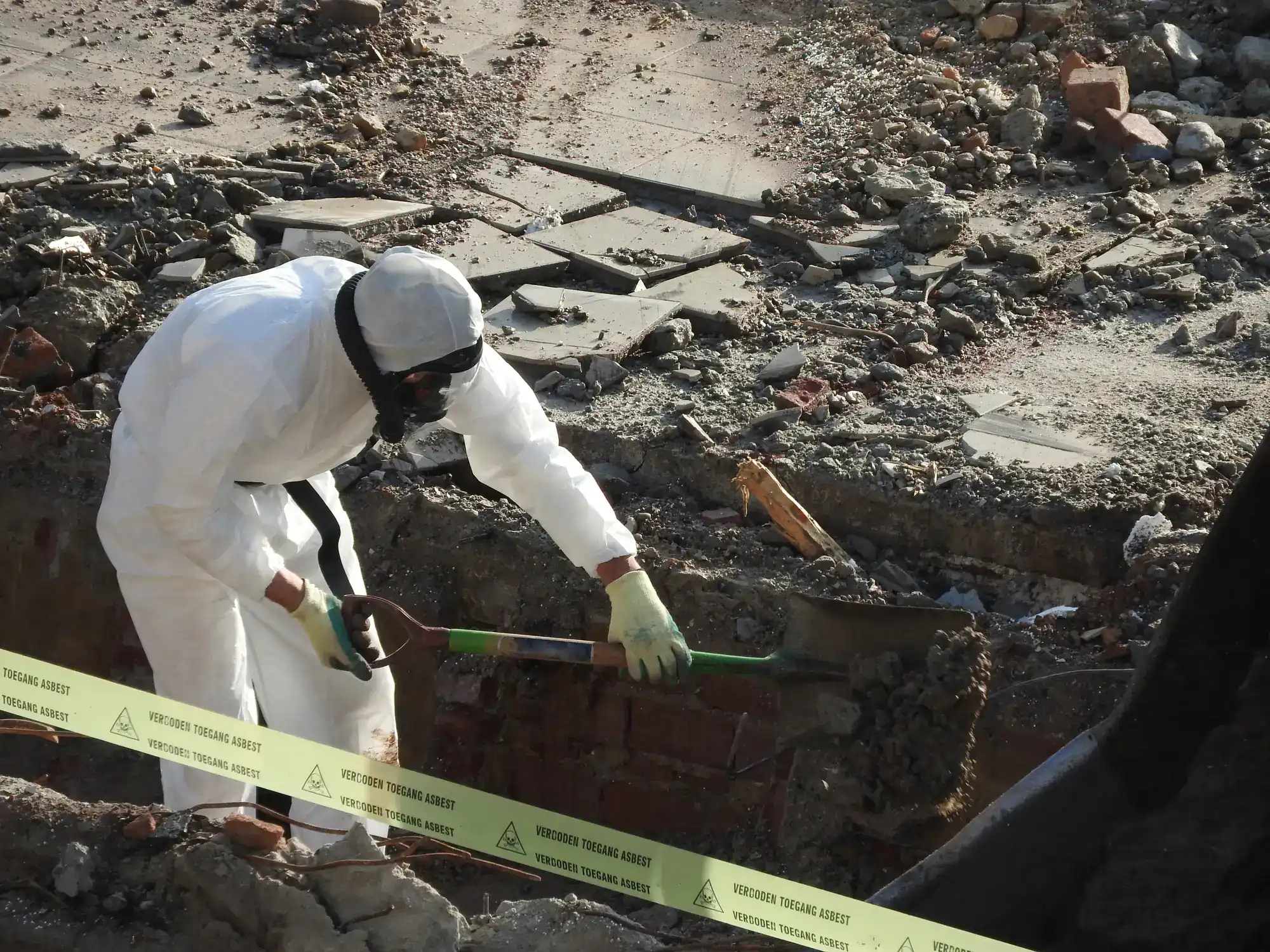
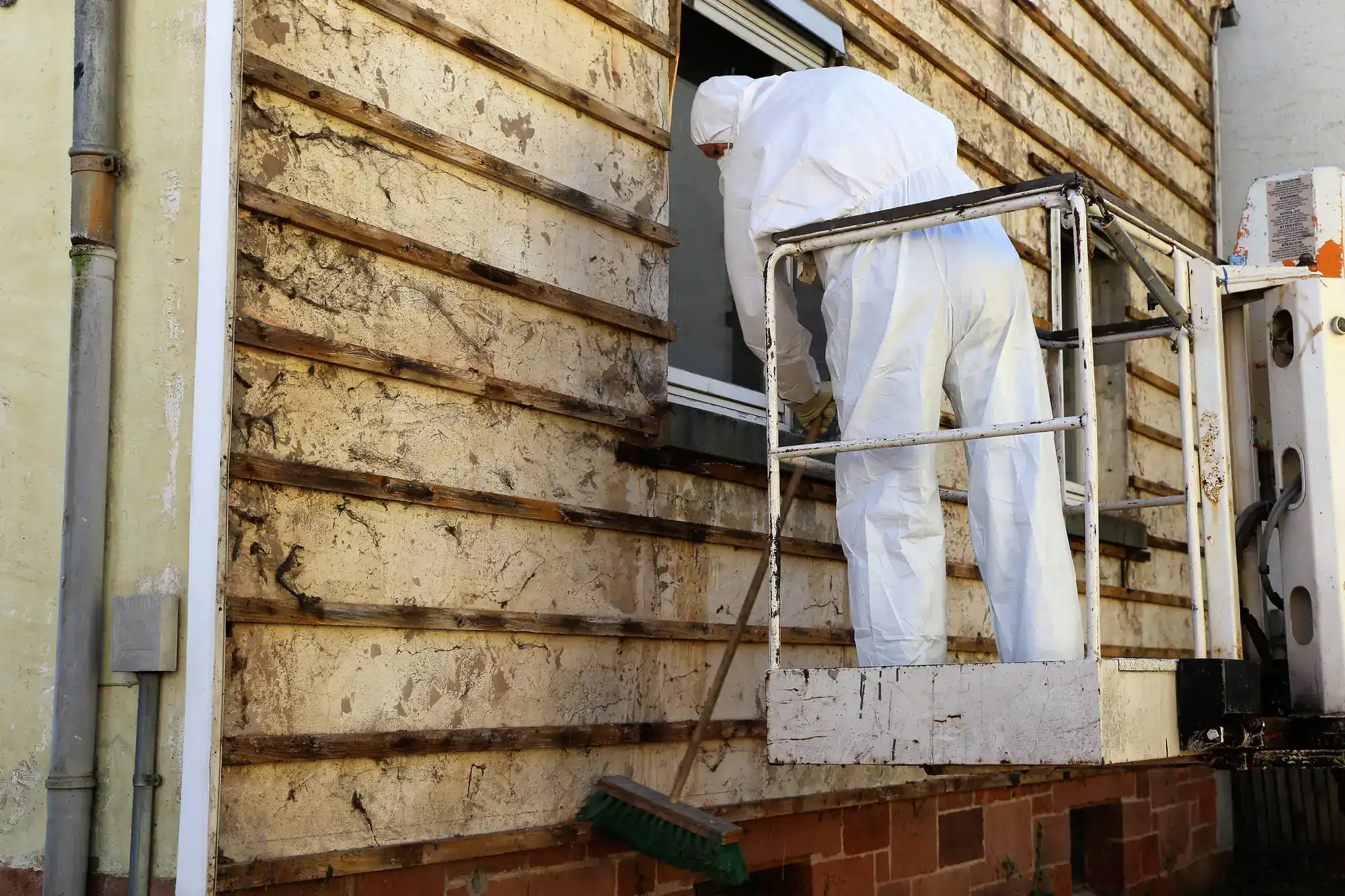
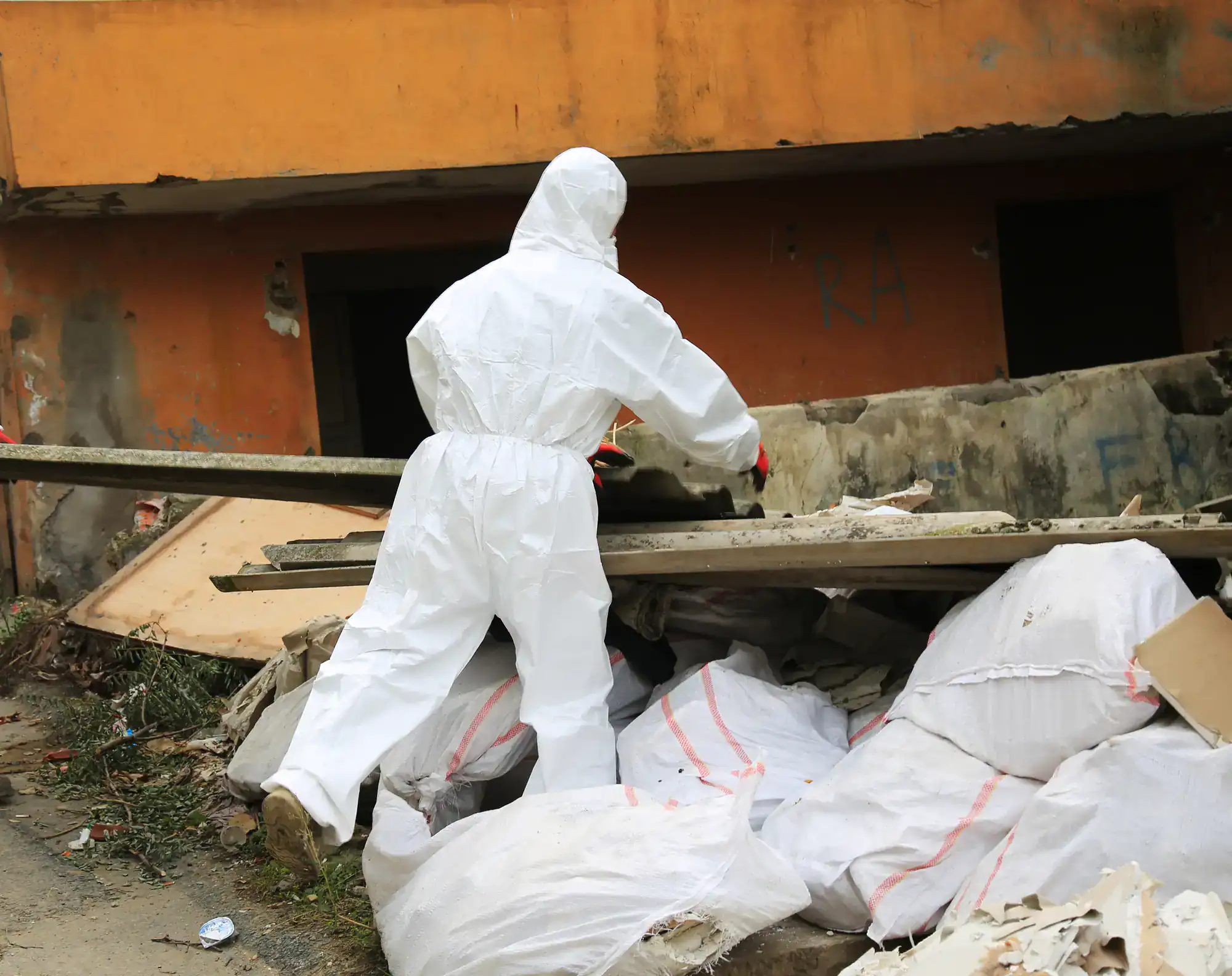
On the job itself, we set up full containment with negative air pressure and run HEPA filtration throughout the removal. That means fibers stay where they’re supposed to — inside the work area, not in your living room or your HVAC system. When the work is done, we conduct clearance testing before we call it finished. You get written documentation of the results. That’s the standard we hold ourselves to on every job, whether it’s a single floor tile or a whole-house abatement before a major renovation.
Ready to get started?
Asbestos abatement isn’t just pulling out old material and hauling it away. There’s a process behind it — and in Pennsylvania, there are legal requirements that govern every step. We handle the full scope: initial inspection, bulk sampling, lab analysis, PA DEP abatement notification, full containment setup, licensed removal, proper disposal at an approved facility, and post-abatement air clearance testing. You’re not managing pieces of this yourself. We own the whole process.
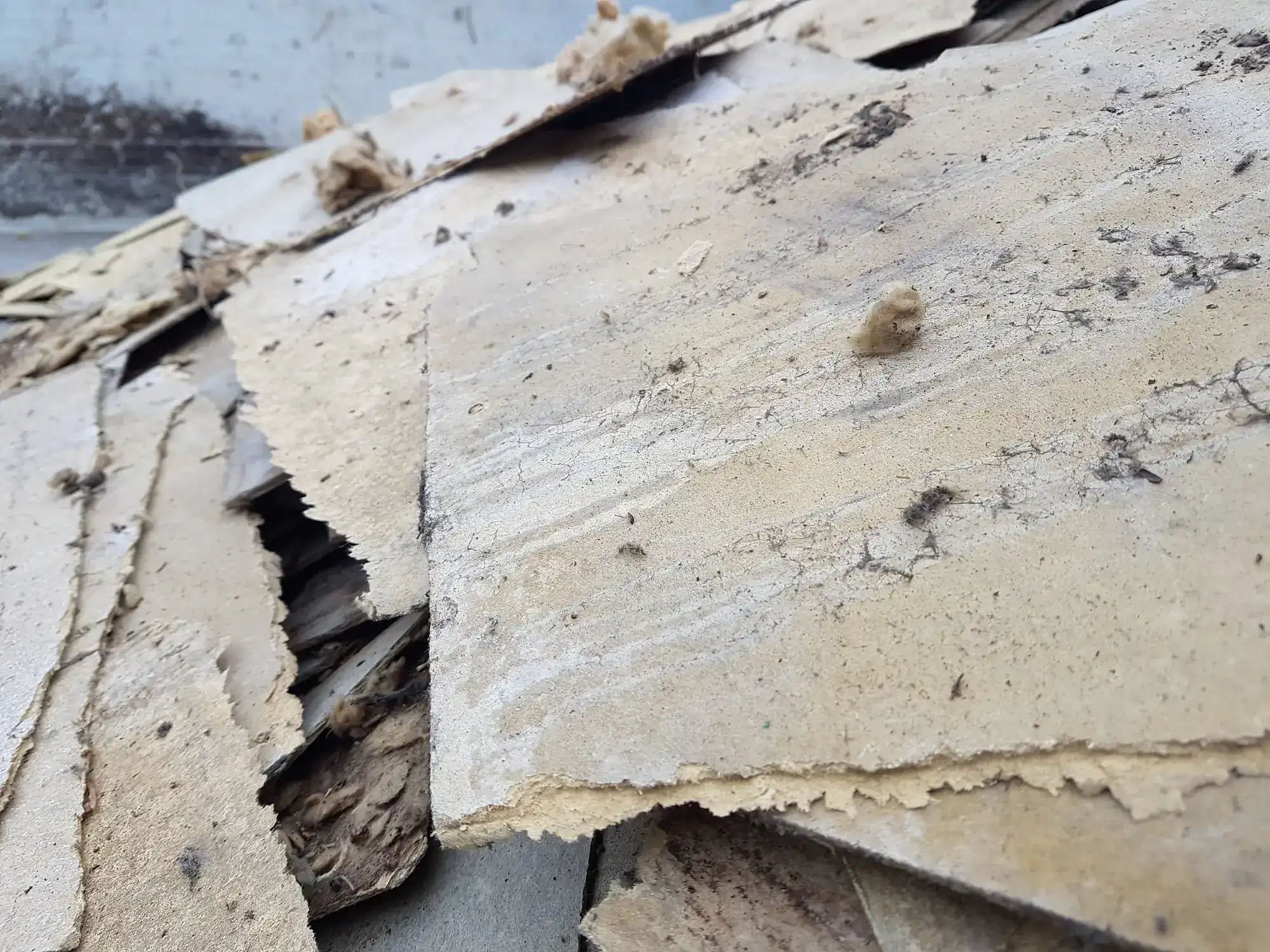
For Roslyn homeowners specifically, the most common materials we encounter are vinyl floor tiles in kitchens and basements, pipe and boiler insulation in older steam heating systems, textured or popcorn ceilings, and vermiculite attic insulation — all of which were widely used in the 1940s through 1960s construction that makes up most of this neighborhood. We also see joint compound and plaster in homes that have never been renovated, which is more common in Roslyn than in newer suburban communities where homes have been updated multiple times.
Because we’re a full-service environmental contractor, we can also address lead paint, mold, and demolition clean-out in the same project. If you’re gutting a kitchen in a 1955 Colonial off Susquehanna Road and you hit three different hazards behind the walls, you don’t need three separate contractors. We also offer cash discounts and free estimates — so you know what you’re getting into before you commit to anything.
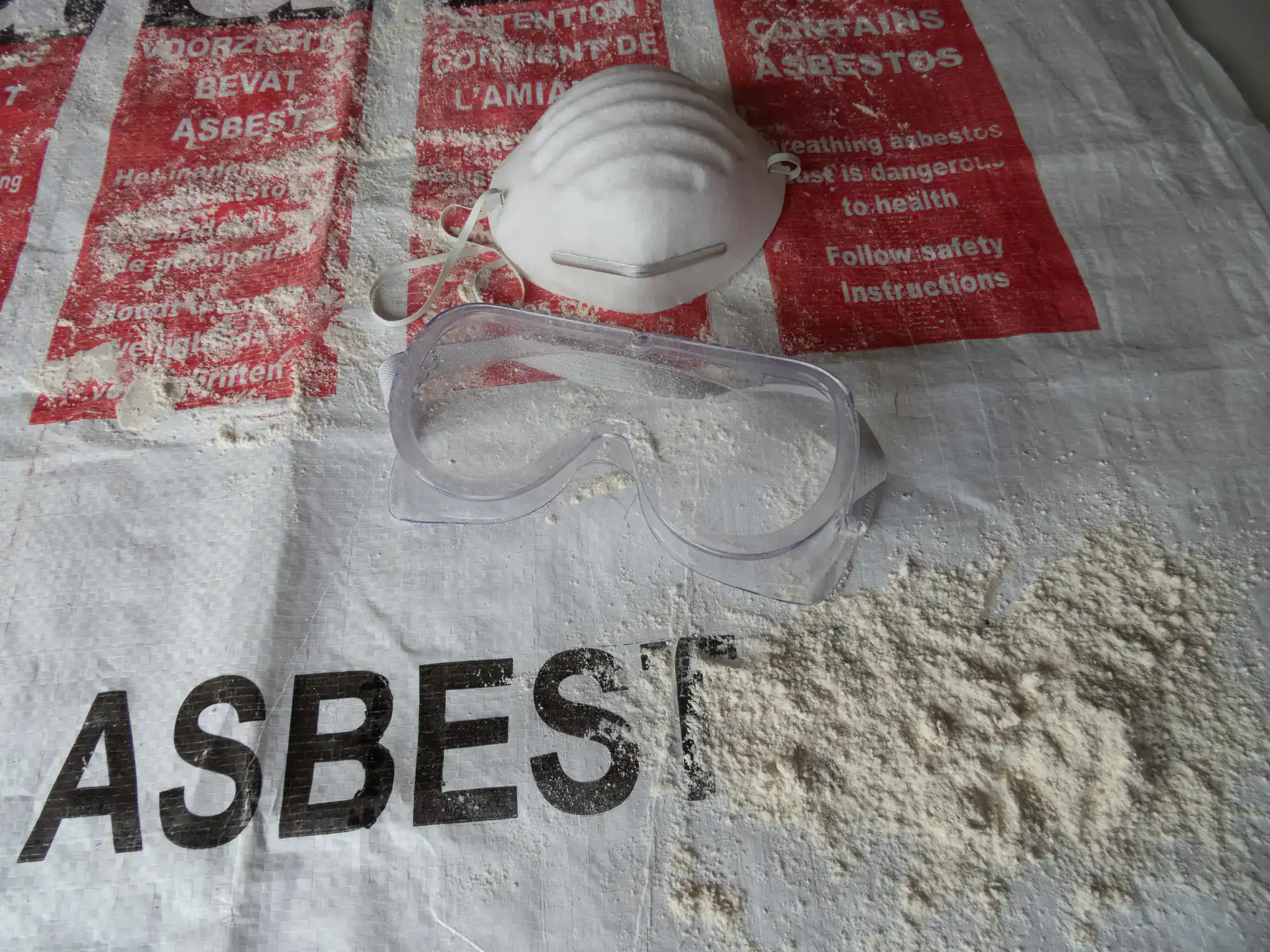

Almost certainly in at least one location, yes. Homes built between the late 1930s and the late 1970s were constructed with asbestos-containing materials as a matter of standard practice — it was cheap, fire-resistant, and widely available. In Roslyn, where the median single-family home was built around 1951, the most common locations are vinyl floor tiles (especially in kitchens, bathrooms, and basements), pipe and boiler insulation on steam heating systems, attic insulation (particularly vermiculite), textured ceilings, and plaster walls.
The important distinction is between asbestos that’s intact and undisturbed versus asbestos that’s being disturbed by renovation, deterioration, or damage. If the materials are in good condition and you’re not touching them, the risk is lower. The moment you start a renovation — pulling up floors, opening walls, replacing a boiler — the calculus changes. That’s when you need a licensed inspector to assess what’s there before your contractor starts swinging a hammer.
Pennsylvania regulates asbestos abatement at the state level through the Department of Labor and Industry, and any project involving the removal of friable asbestos material exceeding three square feet or three linear feet requires a minimum five-day advance notification to the PA DEP before work begins. That’s a legal requirement — not a suggestion. Starting January 2026, the notification fee for Montgomery County projects increases to $400, so the cost of compliance is going up.
For single-family residential properties in Roslyn, the PA DEP doesn’t directly regulate removal the way it does for commercial buildings or multi-unit properties — but the contractor certification and notification requirements still apply. Abington Township also has its own demolition permit requirements for projects that involve structural work alongside abatement. A licensed contractor handles all of this as part of the job. If someone quotes you asbestos removal without mentioning permits or notifications, that’s a red flag worth taking seriously.
It depends on the scope and location of the work. For smaller, contained projects — removing floor tiles in a basement or a section of pipe wrap in a utility room — it’s often possible to remain in unaffected areas of the home while work is underway, as long as proper containment and negative air pressure are in place. The work area is sealed off, and HEPA filtration keeps fibers from migrating into the rest of the house.
For larger projects — whole-floor removal, attic abatement, or anything that involves the HVAC system — temporary relocation is usually the safer and more practical choice. We’re straightforward about this during the estimate phase. You’ll know before the job starts what the realistic situation looks like for your specific home and project scope. In Roslyn, where a lot of the homes are occupied by families who have lived there for decades, we take the displacement question seriously and give you a real answer rather than a generic one.
The national average for a residential asbestos removal job runs around $2,200, with most projects falling somewhere between $1,200 and $3,200 depending on the material type, quantity, and accessibility. Smaller jobs — like removing a section of asbestos floor tile in a basement — can come in under $1,500. Larger projects involving pipe insulation throughout a full heating system, or attic insulation removal in a 1,800-square-foot Colonial, can run significantly higher.
In Roslyn specifically, the homes that most commonly need abatement are mid-century single-family homes and brick twins where multiple material types are present. A kitchen renovation that turns up floor tiles, joint compound, and textured ceiling material isn’t unusual — and when multiple materials are involved, the project scope (and cost) expands accordingly. The best way to get a real number is to have someone come out and assess what’s actually there. We offer free estimates, so you’re not paying anything to find out what you’re dealing with before you decide how to proceed.
This comes up regularly in Roslyn’s real estate market, where the housing stock is predominantly pre-1980 and the market moves fast. When asbestos surfaces during a buyer’s inspection, the transaction doesn’t automatically fall apart — but it does require a decision about how to handle it. Typically, the seller either agrees to have licensed abatement completed before closing, or the parties negotiate a price adjustment that accounts for the cost of remediation.
The key is moving quickly. With homes in the Abington area going pending in roughly six weeks and buyers sometimes juggling multiple offers, delays in getting a licensed contractor on-site can cost you the deal. We offer emergency response service and 24/7 phone availability specifically because real estate timelines don’t wait for Monday morning. If you’re in the middle of a transaction and asbestos has been flagged, call us directly — we can assess the situation, give you a realistic timeline, and help you move forward without losing the deal over something that’s entirely fixable.
It’s straightforward: cash payments reduce our administrative overhead — no processing fees, no delayed settlements, no paperwork on the back end. We pass that savings directly to the customer. It’s not a gimmick or a way to avoid documentation. Every job still gets proper permits, notifications, clearance testing, and written records regardless of how it’s paid for.
For Roslyn homeowners, especially those dealing with a renovation that’s already stretching a budget, or a real estate transaction where abatement costs are coming out of pocket at the last minute, a cash discount is a real and practical way to reduce the total cost without cutting corners on the work itself. We also offer free estimates, so you know the full number before you decide anything. The goal is to make it easier to do this the right way — licensed, documented, and done properly — rather than give someone a financial reason to skip it or hire an unlicensed contractor who won’t protect them or their home.
Other Services we provide in Roslyn