Hear from Our Customers
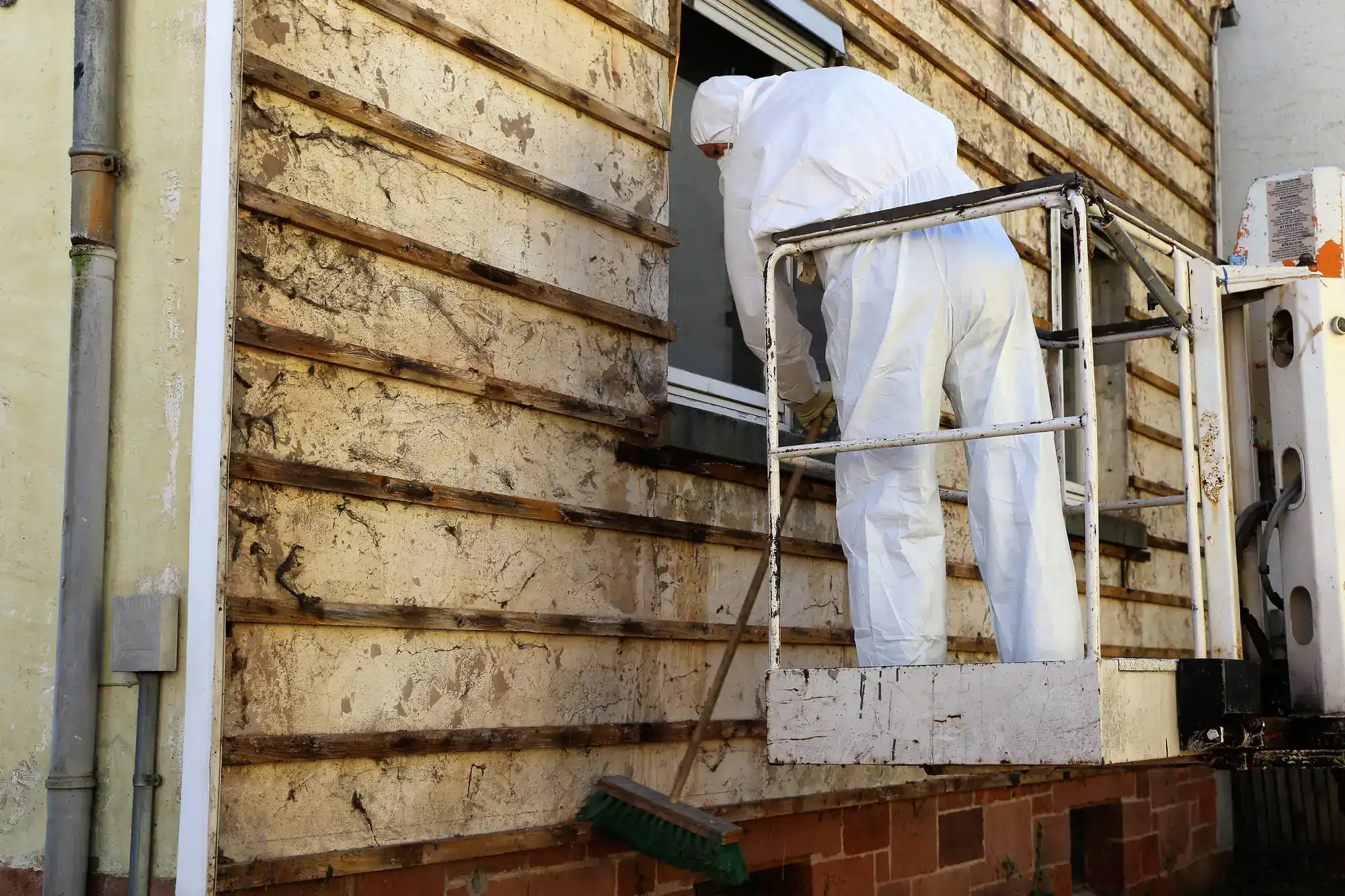
Limerick’s housing story is a split one. The older village homes in Linfield and Barlow Heights have been standing for decades — some well before asbestos was phased out in the late 1970s. Then there’s the wave of subdivisions built through the 1980s and 1990s, when asbestos was being quietly removed from product lines but hadn’t fully disappeared yet. Whether your home is a pre-1940 farmhouse or a 1992 colonial in Carriage Crossing, the risk doesn’t announce itself. It sits in floor tiles, pipe wrap, attic insulation, or joint compound until someone disturbs it.
Once we properly identify and remove it, you’re not just checking a box. You’re renovating without stopping mid-project. You’re listing your home without a deal-killing inspection flag. You’re not wondering what your kids are breathing in while the walls come down. For families who chose Limerick specifically for the Spring-Ford Area School District, that last part isn’t abstract — it’s the whole point.
The other thing that changes is your renovation timeline. Discovering asbestos mid-project and calling the wrong contractor — or worse, trying to work around it — creates delays, liability, and in Pennsylvania, real legal exposure. Montgomery County is explicit: asbestos in roofing, tiles, and piping must be removed by a licensed contractor, full stop. Getting it handled correctly the first time keeps your project moving and keeps you on the right side of PA DEP requirements.
We’ve been working in Montgomery County for over two decades, and we know Limerick’s housing stock inside and out. The difference between a 1960s Linfield farmhouse with original pipe insulation and a 1995 townhome in Wickford Hunt is significant — and so is the approach each one requires. We don’t show up with a one-size approach because Limerick’s properties don’t work that way.
Every job we handle is fully licensed under Pennsylvania DL&I, EPA and HUD compliant, and backed by a certified lead inspector and risk assessor on our staff. That last credential matters more than it sounds. In Limerick’s older village properties, asbestos and lead paint often share the same walls. Having both handled by one contractor — with one set of paperwork and one point of contact — saves time, money, and a lot of phone tag.
We’re fully bonded and insured, use HEPA filtration systems on every job, and answer the phone around the clock. If you find something unexpected on a Friday afternoon in the middle of a renovation, that’s not a Monday problem.
It starts with a free estimate. Someone from our team comes to your Limerick property, takes a look at what you’re dealing with, and gives you a straight answer — what’s there, what needs to happen, and what it’s going to cost. No vague ranges, no pressure. If you want to move forward, the process is mapped out clearly from there.
Before any friable asbestos-containing material is removed in Pennsylvania, state law requires a minimum five-day advance notification submitted to the PA DEP. We handle that filing — it’s part of the job, not an add-on. For Limerick homeowners in the middle of a renovation or dealing with storm damage along the Schuylkill River floodplain, there’s also an emergency pathway where the timeline can be compressed and DEP is notified as soon as possible. Either way, you’re not navigating that process alone.
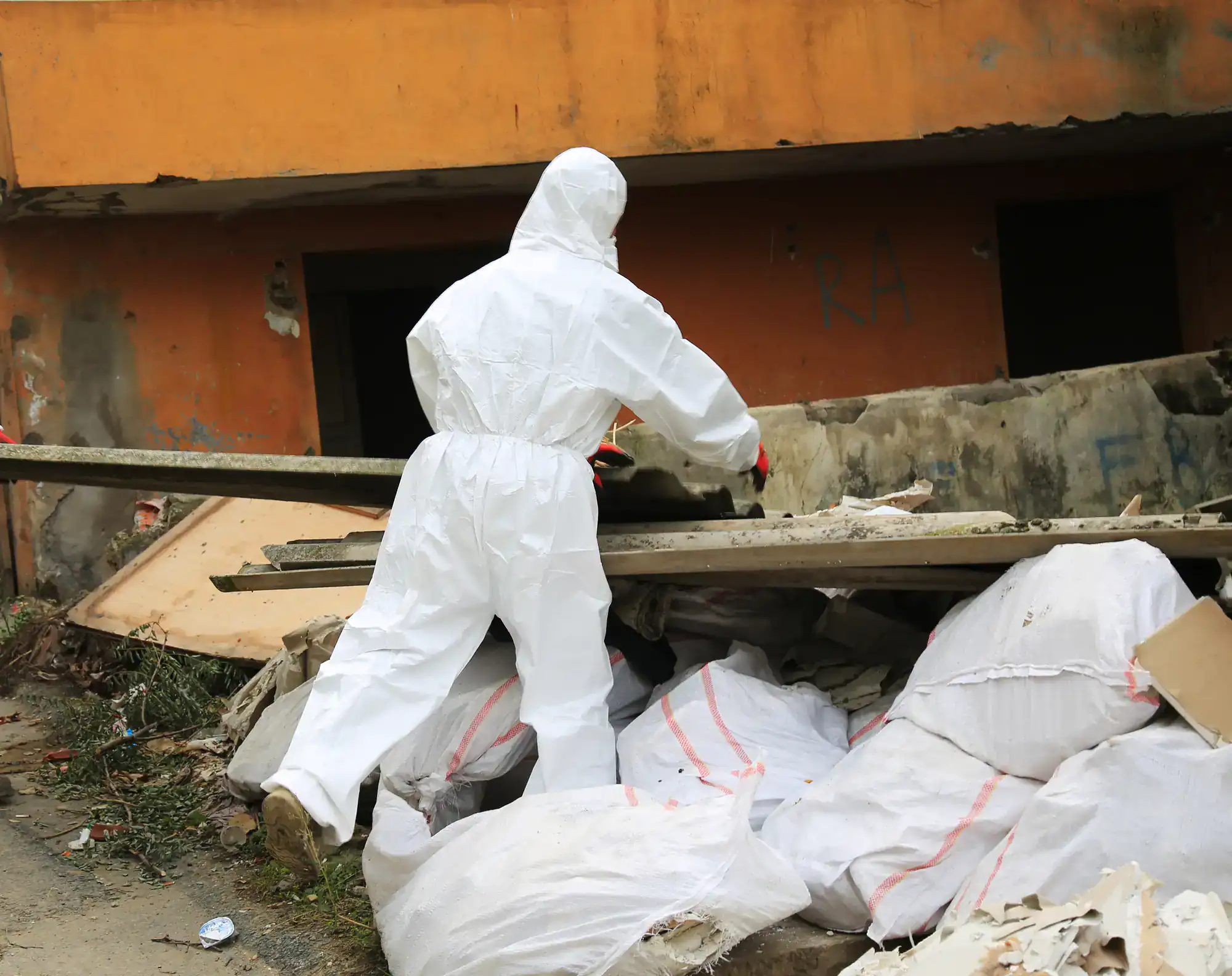
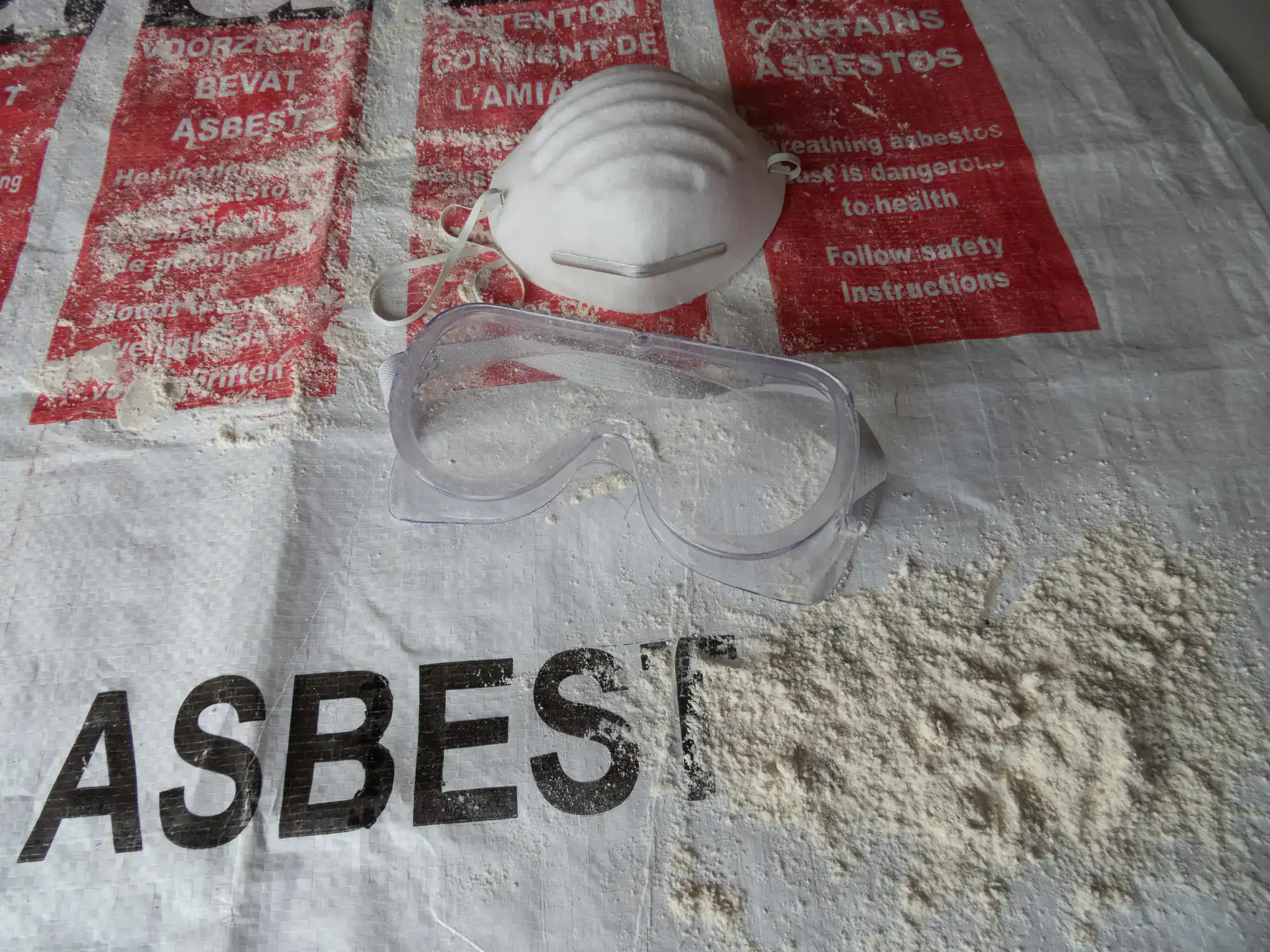
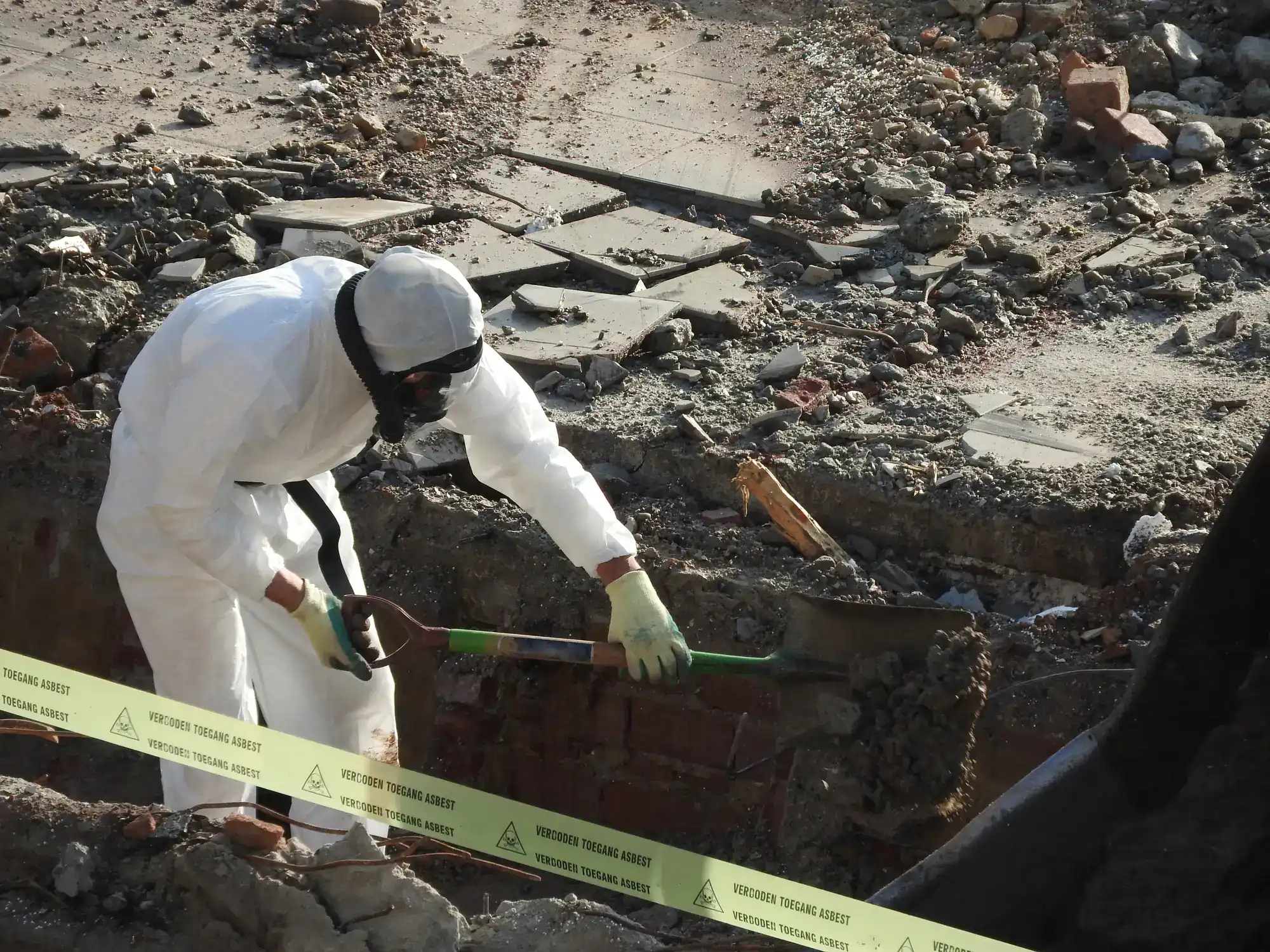
On the day of work, the affected area is contained using negative air pressure and HEPA filtration to make sure fibers don’t migrate to the rest of your home. We remove the material, package it, and transport it to a certified disposal facility — because Montgomery County does not accept asbestos at household hazardous waste events. When the job is done, you get documentation you can actually use: for your contractor, your real estate attorney, or your own records.
Ready to get started?
Asbestos abatement is the core of what we do in Limerick — but it’s rarely the only thing a property needs, especially in the older homes along Ridge Pike or in the historic Linfield and Barlow Heights village cores. Pipe insulation, floor tiles, ceiling tiles, roof shingles, joint compound, boiler wrap — these are the common locations, and we’ve handled all of them across Montgomery County’s varied housing stock.
What sets us apart from the narrower contractors in this market is the full-service model. Testing and inspection, asbestos abatement and removal, lead remediation, mold sampling and remediation, demolition, and waterproofing — all available under one roof. For a Limerick homeowner managing a gut renovation or preparing a pre-1978 property for sale, that means one call instead of four, and one contractor who already knows your property when the next issue comes up.
We also serve commercial and institutional properties in the area, including the kind of mid-20th century buildings common along the US 422 corridor and throughout the Spring-Ford school district footprint. Pre-demolition asbestos surveys are legally required before any demolition of structures built before 1980, and we handle those surveys and the abatement work that follows. Free estimates are available for all project types, and we offer cash discounts — something no other abatement contractor in this market is currently offering.
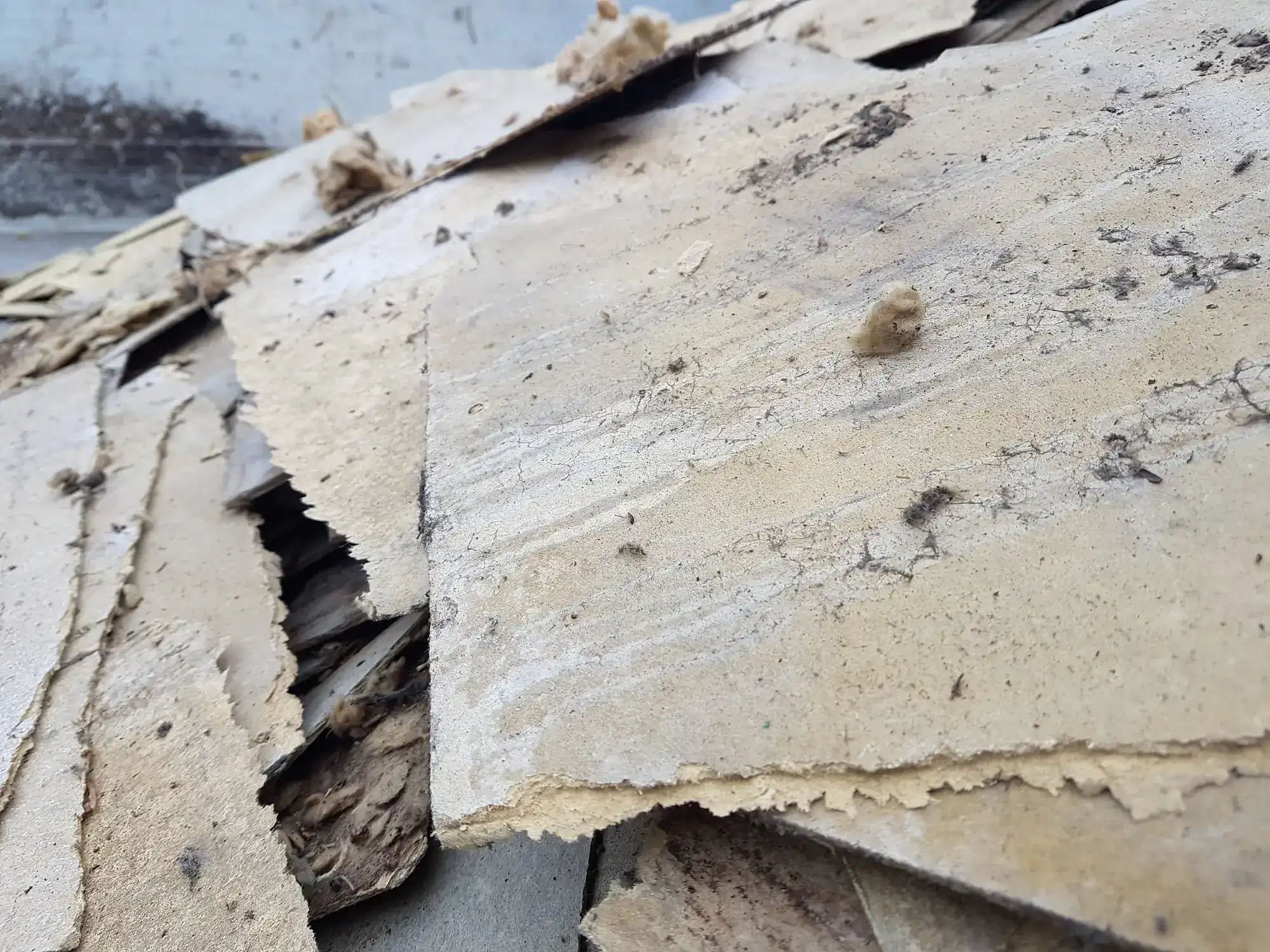

If your home was built before 1980, testing before any renovation is strongly recommended — and in many cases, required by your general contractor’s insurance or the terms of your building permit. Limerick Township’s Department of Code Services requires permits for structural work including wall removal, floor replacement, and insulation work. If that work disturbs asbestos-containing materials without prior testing and abatement, you’ve created a liability problem on top of a health one.
The trickier scenario is homes built between 1980 and the mid-1990s. Asbestos was being phased out during that window, but it hadn’t fully disappeared from vinyl floor tiles, roof shingles, and certain insulation products. A 1988 colonial in Waterford Greene or a 1993 townhome in Heritage Crossing may contain materials that look completely normal but still require professional assessment before you start pulling things apart. The cost of a test is a fraction of what it costs to stop a renovation mid-project and call in an emergency abatement team.
The timeline depends on how much material is involved and where it’s located. A localized removal — say, floor tiles in one room or pipe insulation in a utility area — can often be completed in a single day. A larger scope, like multiple rooms or a full basement abatement, typically runs two to three days. We’ll give you a clear timeline during the free estimate so you’re not guessing.
Whether you need to leave depends on the size of the containment zone. For small, well-contained areas, it’s sometimes possible to remain in unaffected parts of your Limerick home. For larger jobs or whole-floor abatements, temporary relocation is the safer and more practical choice. We use negative air pressure and HEPA filtration to prevent fiber migration, but the honest answer is that for bigger jobs, being out of the house during active removal is the right call. Our team will walk you through what makes sense for your specific property before any work begins.
For most residential jobs in the Montgomery County area, asbestos removal runs somewhere between $1,200 and $3,200, with a national average around $2,200. The range is wide because the cost depends on the type of material, how much of it there is, where it’s located, and whether it’s friable — meaning it can crumble and release fibers — or intact and stable.
Friable materials like deteriorating pipe insulation or damaged ceiling tiles cost more to remove than intact vinyl floor tiles, because the containment and handling requirements are more intensive. Properties in Limerick’s older village cores — particularly pre-1960 homes in Linfield or Barlow Heights — tend to have more complex abatement needs than newer construction. The best way to get an accurate number is a free on-site estimate, which we provide at no cost and no obligation. Cash discounts are also available, which is worth asking about when you call.
Yes, and the regulatory layer is real. Pennsylvania DEP requires a minimum five-day advance notification before any friable asbestos-containing material removal that exceeds three square or three linear feet inside a building. That notification is submitted electronically through the DEP’s GreenPort system. If you’re in the middle of a renovation and discover asbestos unexpectedly, there’s an emergency pathway, but you still need a licensed contractor to handle the notification and the work.
At the local level, Limerick Township’s Department of Code Services at 646 W. Ridge Pike administers construction permits for renovation work. Any project that involves structural changes — wall removal, flooring, insulation, roofing — requires a permit, and asbestos abatement is part of that regulatory picture. We handle the DEP notification process as part of the job. You don’t need to figure out GreenPort on your own or worry about whether the five-day window has been properly filed. That’s our responsibility, and we take it seriously.
This is more common than most people expect in Limerick. The township has documented flood risk along the Schuylkill River, and Limerick’s own codes include floodplain regulations for properties near watercourses. When flooding reaches a basement with older pipe insulation or floor tiles, or when storm damage compromises a roof with asbestos-containing shingles, the result can be an emergency abatement situation — disturbed material that’s now releasing fibers into a living space.
In these cases, the five-day DEP notification window can be shortened under emergency provisions, but you still need a licensed contractor to manage the process and document the response. We offer emergency response service and answer the phone 24 hours a day. If you’re dealing with storm or flood damage and you’re not sure whether the materials involved contain asbestos, the safest move is to keep people out of the affected area and call for an assessment before anyone starts cleaning up or moving debris. Disturbed asbestos is significantly more dangerous than intact asbestos — the emergency response protocol exists for exactly this reason.
Renovation projects in Limerick — whether in an older Linfield farmhouse or a 1990s home in Montgomery Brooke — tend to involve multiple contractors, multiple permits, and budgets that are already stretched across a lot of line items. Asbestos abatement isn’t something most homeowners plan for when they start a project. It shows up mid-renovation, during a pre-sale inspection, or after a flood, and it has to be dealt with before anything else can move forward.
The cash discount is a straightforward way to reduce the cost of a job that wasn’t in the original budget. We offer it because it lowers overhead on both sides — no processing fees, simpler accounting, faster close. It’s not a promotional gimmick tied to a season or a sales push. It’s just a practical option that Limerick homeowners managing real renovation budgets tend to appreciate. When you call for your free estimate, ask about it directly — the discount amount depends on the scope of the job, and our team will give you a clear number.
Other Services we provide in Limerick