Hear from Our Customers
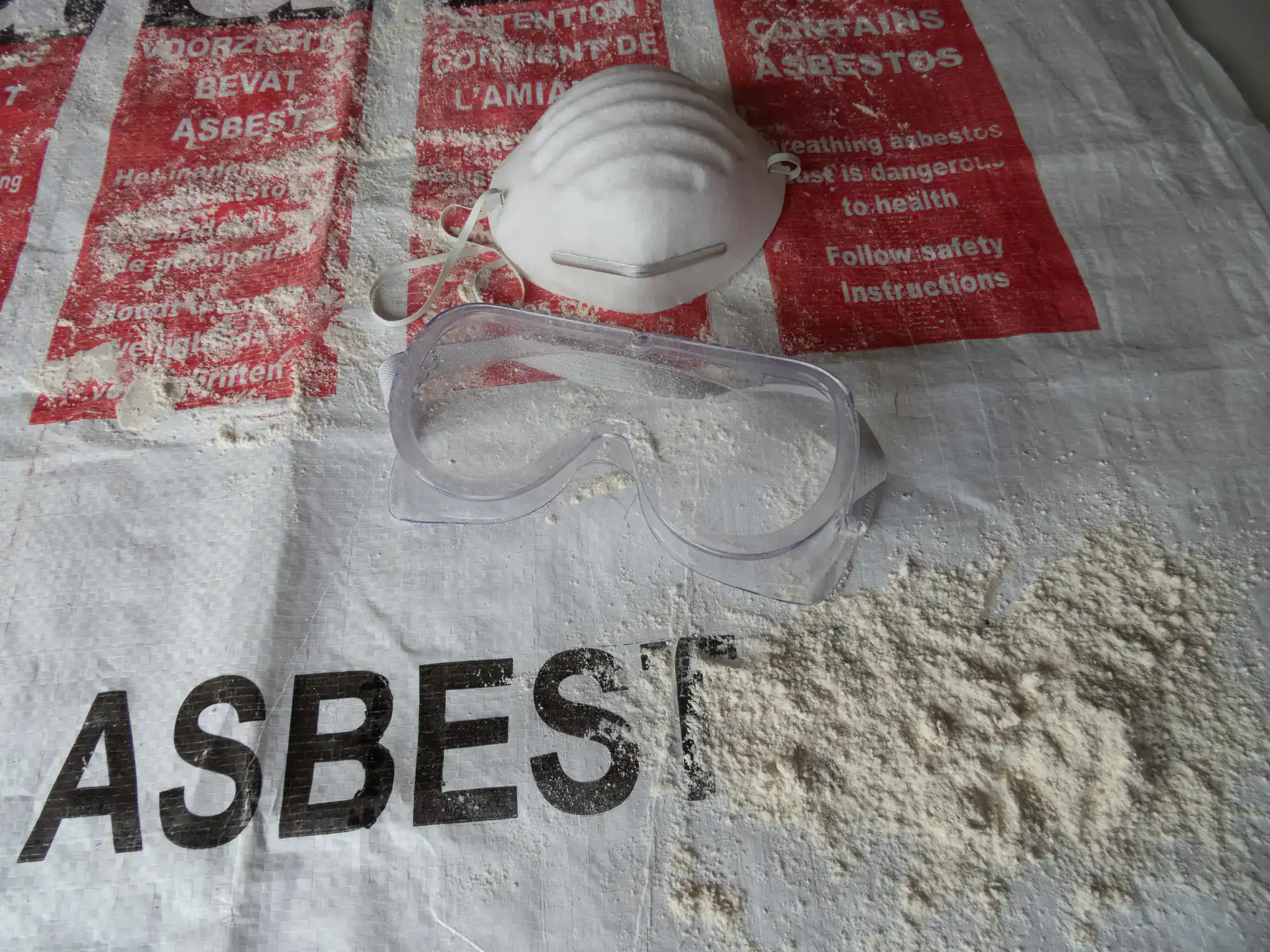
When asbestos is properly removed and documented, your renovation moves forward, your real estate deal doesn’t fall apart at the inspection, and you’re not carrying liability you didn’t know you had. That’s the practical outcome. No drama, no delay — just a clean job with the paperwork to prove it.
Elkins Park’s housing stock is genuinely old. Nearly 38% of homes here were built before 1939, which means pipe wrap, boiler insulation, plaster, and floor tiles from an era when asbestos was standard are sitting inside walls and under floors right now. When you’re updating a kitchen on Old York Road or finishing a basement in Cheltenham Township, the question isn’t really whether asbestos is present — it’s whether you find it before or after demo starts.
The homes in Elkins Park are also worth protecting. With median values approaching $521,000, a botched abatement job — or worse, an unlicensed one — can unravel a sale, fail a permit, or create a disclosure problem that follows the property for years. Doing it right the first time isn’t just safer. It’s the smarter financial decision for a home like yours.
We’ve been doing licensed asbestos abatement work in Pennsylvania for over 20 years, with Elkins Park and Cheltenham Township as a core part of our service area. That means we’ve worked in the pre-war colonials, Tudor revivals, and estate properties that define this community. We know what pre-war construction looks like from the inside, and we know where the asbestos tends to hide.
We’re fully licensed under the Pennsylvania Department of Labor and Industry, EPA and HUD compliant, and carry a Certified Lead Inspector and Risk Assessor on staff. That last part matters more than it sounds — in a community where most homes predate 1940, lead and asbestos almost always show up together. Having both handled by one licensed team means your project doesn’t stall while you track down a second contractor.
We offer free estimates, cash discounts, and 24/7 availability as standard — not add-ons.
It starts with a site assessment and sampling. We come out, identify materials that are likely to contain asbestos, collect samples, and send them to an accredited lab. You get real results — not a guess, not a visual estimate. If asbestos is confirmed, we walk you through what needs to come out and what can stay safely in place.
Before any removal work begins, we handle the regulatory side. Pennsylvania DEP requires five-day advance notification before removal of friable asbestos material, and for multi-family properties in Elkins Park — which make up a significant portion of the housing stock — federal NESHAP rules require ten working days’ notice to the state. Cheltenham Township building permits now run through the OpenGov online portal as of early 2025. We know the process and we handle the filings, so you’re not learning environmental compliance law in the middle of a renovation.
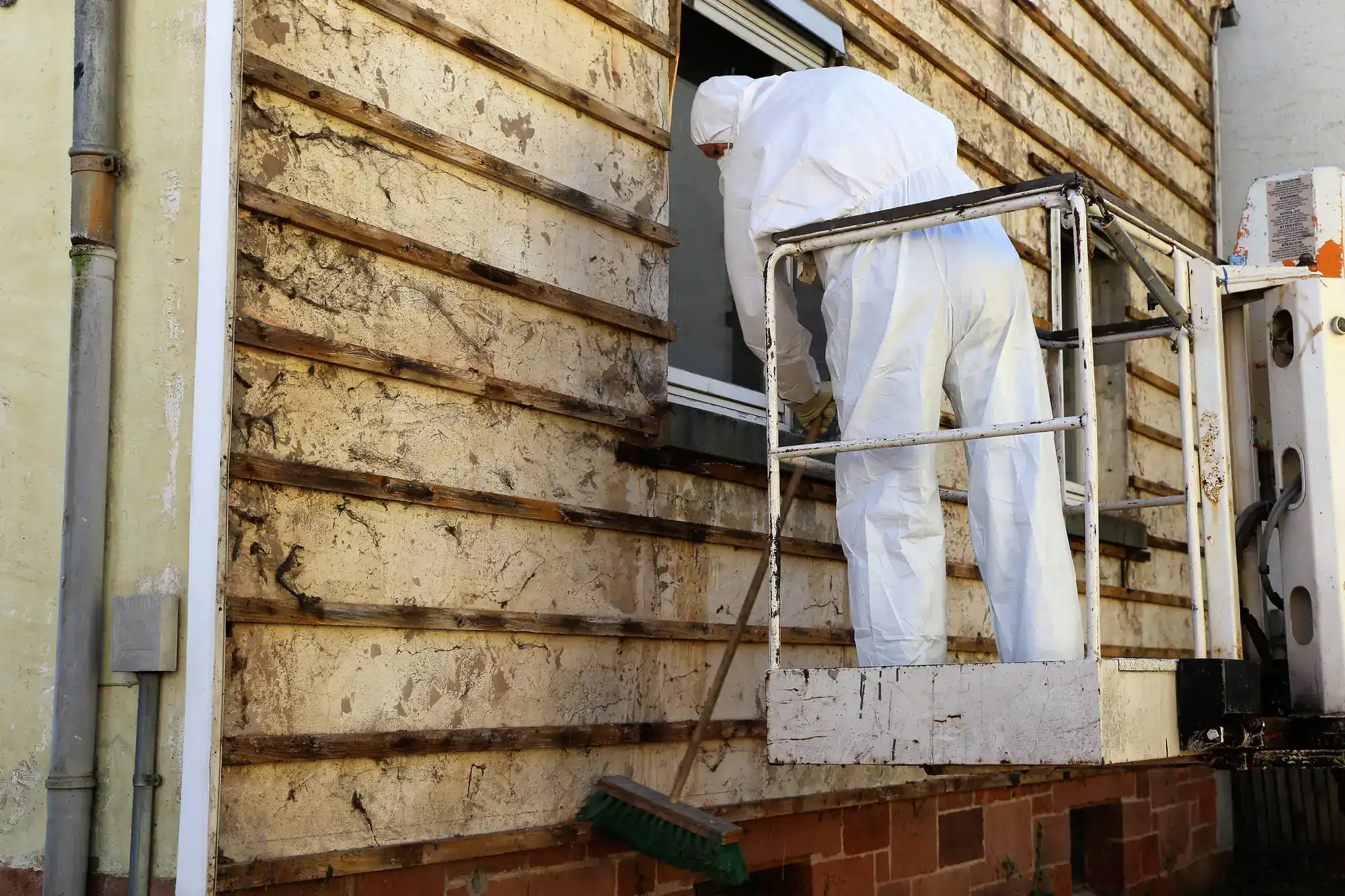
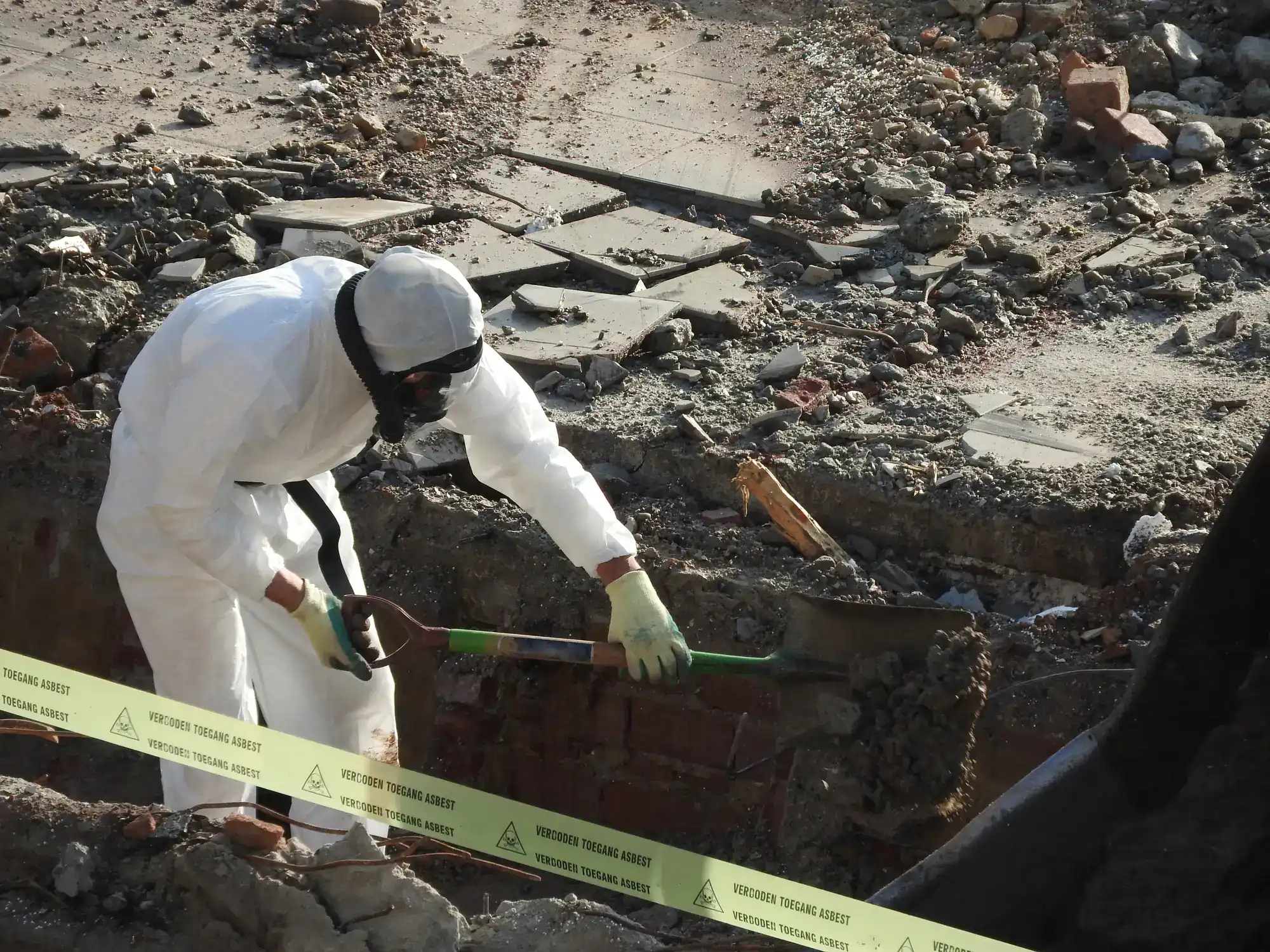
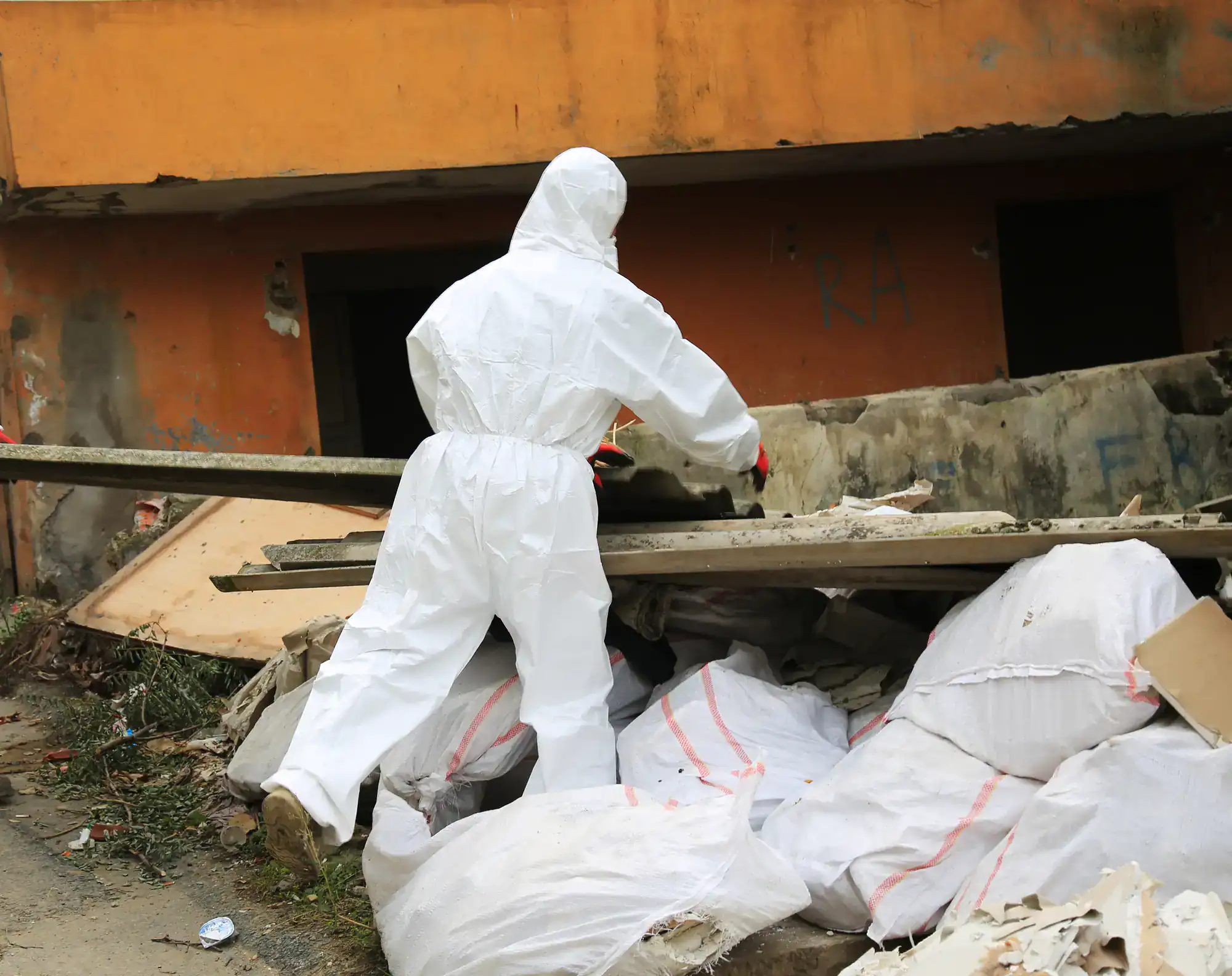
On the day of removal, we establish full containment with negative air pressure and HEPA filtration before anything is disturbed. Materials are removed, bagged, and disposed of at a licensed facility with documentation you can keep. After the work is done, we conduct post-abatement clearance air testing to confirm the space is clean. You get a written clearance report — the kind of documentation that satisfies buyers, lenders, and permit offices.
Ready to get started?
Asbestos abatement in Elkins Park isn’t one-size-fits-all. A 1928 colonial near the Elkins Park SEPTA station has different materials than a 1962 ranch addition or a mid-century apartment building. We handle the full range — pipe wrap and boiler insulation common in pre-war steam heating systems, 9×9 floor tiles from the 1940s and 50s, plaster and joint compound, acoustic ceilings, roofing materials, and duct insulation. If it was built before 1980, we’ve seen it.
Because so many homes in this area also carry lead paint — virtually guaranteed in anything built before 1940 — our Certified Lead Inspector and Risk Assessor handles both in the same visit. You’re not scheduling two separate assessments or coordinating two separate contractors. That’s the one-stop model we’ve built over 20 years, and it’s especially relevant in a community like Elkins Park where pre-war construction is the norm, not the exception.
We also handle the work that comes after abatement: demolition, gutting, environmental clean-outs, and mold remediation when it’s needed. If your project in Cheltenham Township or the Abington Township portion of Elkins Park involves more than just asbestos, we’re already equipped to carry it through. One call, one team, one project.
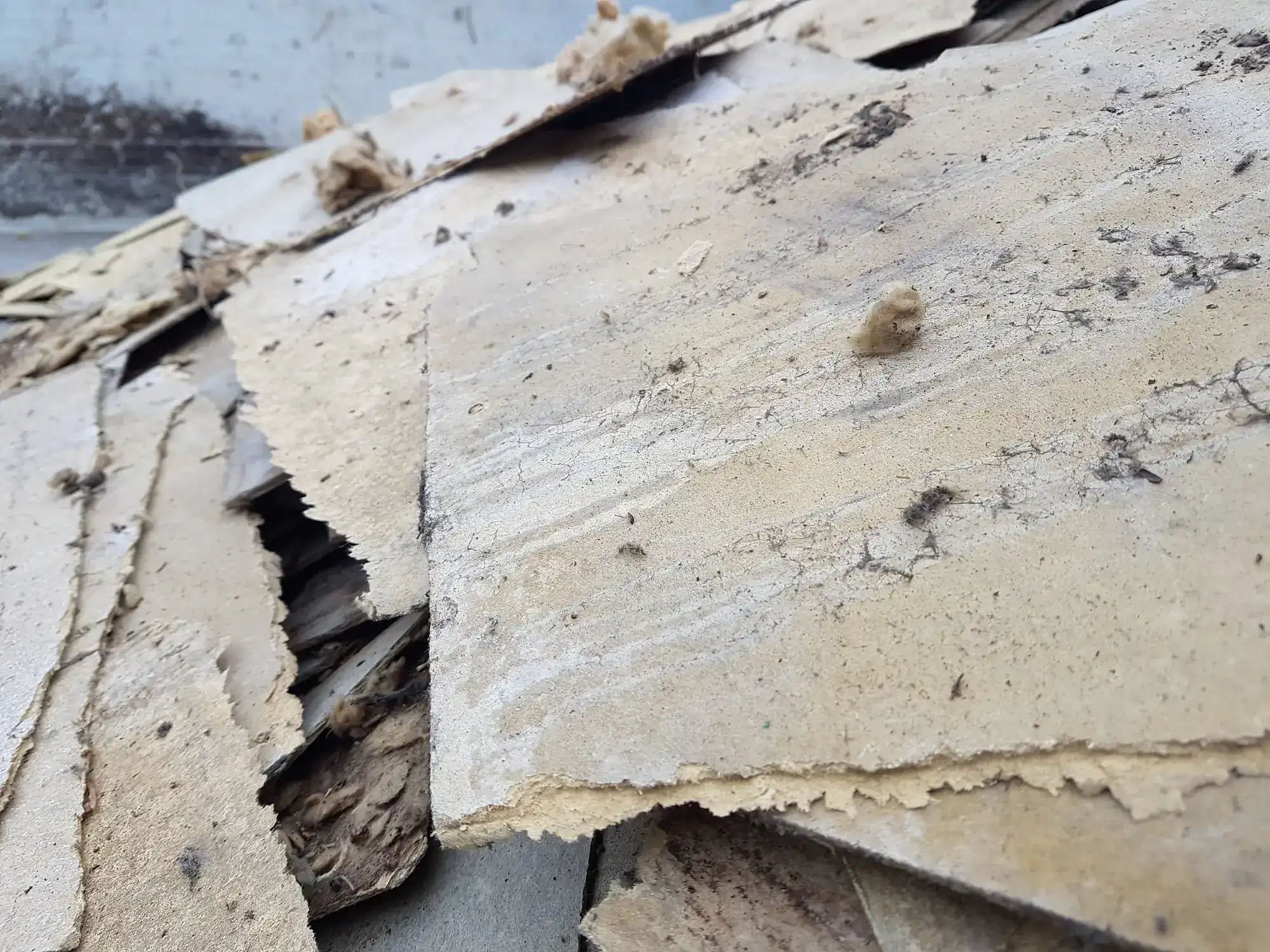

If your home was built before 1980, testing before any demolition or renovation work is the right move — and in many cases it’s legally required. Pennsylvania law mandates that a licensed contractor handle any asbestos removal exceeding 10 square feet, and fines for violations run $25,000 or more. But beyond the legal side, testing protects you practically. Disturbing asbestos-containing materials without containment releases fibers that are invisible, odorless, and don’t cause symptoms until years later.
In Elkins Park specifically, the odds are not in your favor if you skip testing. With nearly 38% of homes here built before 1939, the materials most commonly found — pipe wrap, plaster, floor tiles, boiler insulation — are exactly what’s inside the walls and under the floors of a typical pre-war home in Cheltenham Township. A licensed inspection takes the guesswork out of it and gives you a clear picture before the demo crew starts swinging.
Most residential asbestos removal jobs fall somewhere between $1,200 and $3,500, depending on the size of the affected area, the type of material involved, and how accessible it is. A single room of floor tile removal is on the lower end. A full basement with wrapped pipes, boiler insulation, and plaster walls is a different scope entirely — and in Elkins Park, that second scenario is more common than most homeowners expect.
The honest framing here: in a community where median home values are around $521,000, the cost of proper abatement is a small fraction of what’s at stake. A failed permit, a collapsed real estate deal, or a disclosure problem that surfaces after closing will cost you far more. We offer free estimates so you know exactly what you’re looking at before committing to anything — and we offer cash discounts that can meaningfully reduce the final number.
The most frequently found materials in pre-war homes throughout Elkins Park and the surrounding Cheltenham Township area fall into a few categories. Pipe wrap and boiler insulation are at the top of the list — the steam and hot-water heating systems standard in homes built before World War II were almost universally insulated with asbestos-containing materials, and many of those systems are still in place or only partially updated. Plaster walls and ceilings are another common source, since asbestos was routinely added to plaster mixes for durability and fire resistance.
Beyond those, 9×9 vinyl and asphalt floor tiles from the 1930s through the 1960s are extremely common under newer flooring layers, and asbestos-containing roofing shingles and felt were standard through the 1970s. Acoustic ceiling texture — the “popcorn” finish applied during mid-century renovations — also frequently tests positive. The practical takeaway: if you’re pulling up floors, opening walls, or touching the ceiling in a home built before 1960 in this area, there’s a real chance you’re dealing with more than one of these materials at once.
For most residential abatement jobs, yes — you and your family should plan to be out of the home during active removal work and until post-abatement clearance air testing confirms the space is clean. This isn’t an overcautious recommendation. Asbestos abatement involves physically disturbing materials that contain asbestos fibers, and even with full containment and HEPA filtration in place, the work area is not a safe environment for occupants during the process.
How long you’ll be out depends on the scope of the job. A contained single-room removal might be a matter of hours. A larger project involving multiple materials across a pre-war Elkins Park home — say, boiler insulation plus floor tiles plus plaster in a basement — could run a full day or more. We give you a realistic timeline before work starts so you can plan accordingly. The clearance air test at the end is what confirms it’s safe to return — not just our word that the job is done.
Yes — and it usually comes up at one of two points: during the buyer’s inspection or during the lender’s appraisal process. Pennsylvania requires sellers to disclose known environmental hazards, and asbestos is near the top of that list for any pre-war property. If a buyer’s inspector flags suspected asbestos-containing materials, you’re either negotiating a price reduction, agreeing to abatement before closing, or watching the deal fall apart.
The cleaner path is handling it before you list. A licensed abatement with proper documentation — PA DEP notification, lab results, post-clearance air testing report — gives buyers and their lenders something concrete to work with. In Elkins Park’s real estate market, where homes are selling at a premium and buyers are represented by experienced agents and attorneys, having that paper trail is a genuine advantage. It removes a negotiating chip from the other side of the table and signals that the property has been properly maintained.
It comes down to how the business runs. When a job is paid in cash, there’s no processing fee, no delayed settlement, and less administrative overhead on our end. We pass that savings directly to the customer instead of keeping it. It’s a straightforward exchange — not a promotional gimmick or a pricing trick.
For homeowners in Elkins Park managing renovation budgets on large, older properties, the discount is real and worth asking about when you call. These aren’t small jobs — pre-war homes in Cheltenham Township often have multiple asbestos-containing materials that need to be addressed in a single project, and the total scope can add up. Any reduction in cost on a job that’s already necessary is worth having. When you call for your free estimate, just ask — we’ll tell you exactly what the cash price looks like for your specific project.
Other Services we provide in Elkins Park