Hear from Our Customers
You stop guessing. That’s the first thing. When a licensed asbestos abatement contractor has tested, contained, removed, and cleared your Chalfont home, you’re not sitting with a “probably fine” — you have documentation. That matters whether you’re renovating, selling, or just trying to stop worrying about what’s inside the walls of a house built in 1973.
Chalfont’s median construction year puts the majority of homes in the borough squarely inside the window when asbestos was standard in floor tiles, pipe insulation, plaster, acoustic ceilings, and joint compound. If you’re pulling up old flooring in a pre-1980 home near Butler Avenue or touching the ceiling in a colonial off Main Street, there’s a real chance you’re disturbing something that needs professional handling — not a YouTube tutorial and a dust mask.
Once abatement is done correctly, your renovation can move forward. Your contractor can get back to work. Your home inspection doesn’t come back with a line item that kills the deal. And if you’ve got kids in the house — which a lot of Central Bucks School District families do — you can stop running the math in your head about fiber exposure. That peace of mind isn’t a soft benefit. It’s the whole point.
We’ve been doing this work in Pennsylvania for two decades. That’s not a tagline — it means we’ve handled the full range of what shows up in Bucks County homes: floor tile abatement in mid-century ranches, pipe wrap removal in Victorian basements, whole-house clearance before demolition in the kinds of older properties that make up the Chalfont Historic District. We know this county’s housing stock, and we know how the work actually gets done here.
Every job we perform is fully licensed under PA DL&I, EPA/HUD compliant, and backed by a Certified Lead Inspector and Risk Assessor on staff — a specific federal credential that matters when you’re dealing with pre-1978 construction, which describes most of Chalfont. We’re fully bonded and insured, and we handle all required PA DEP notifications so you don’t have to figure out the regulatory side on your own.
What you won’t get from us is a crew that shows up with a standard procedure and applies it to every house the same way. We build a plan specific to your property — because a 1730s structure in the Chalfont Historic District is not the same job as a 1973 split-level off New Britain Boulevard.
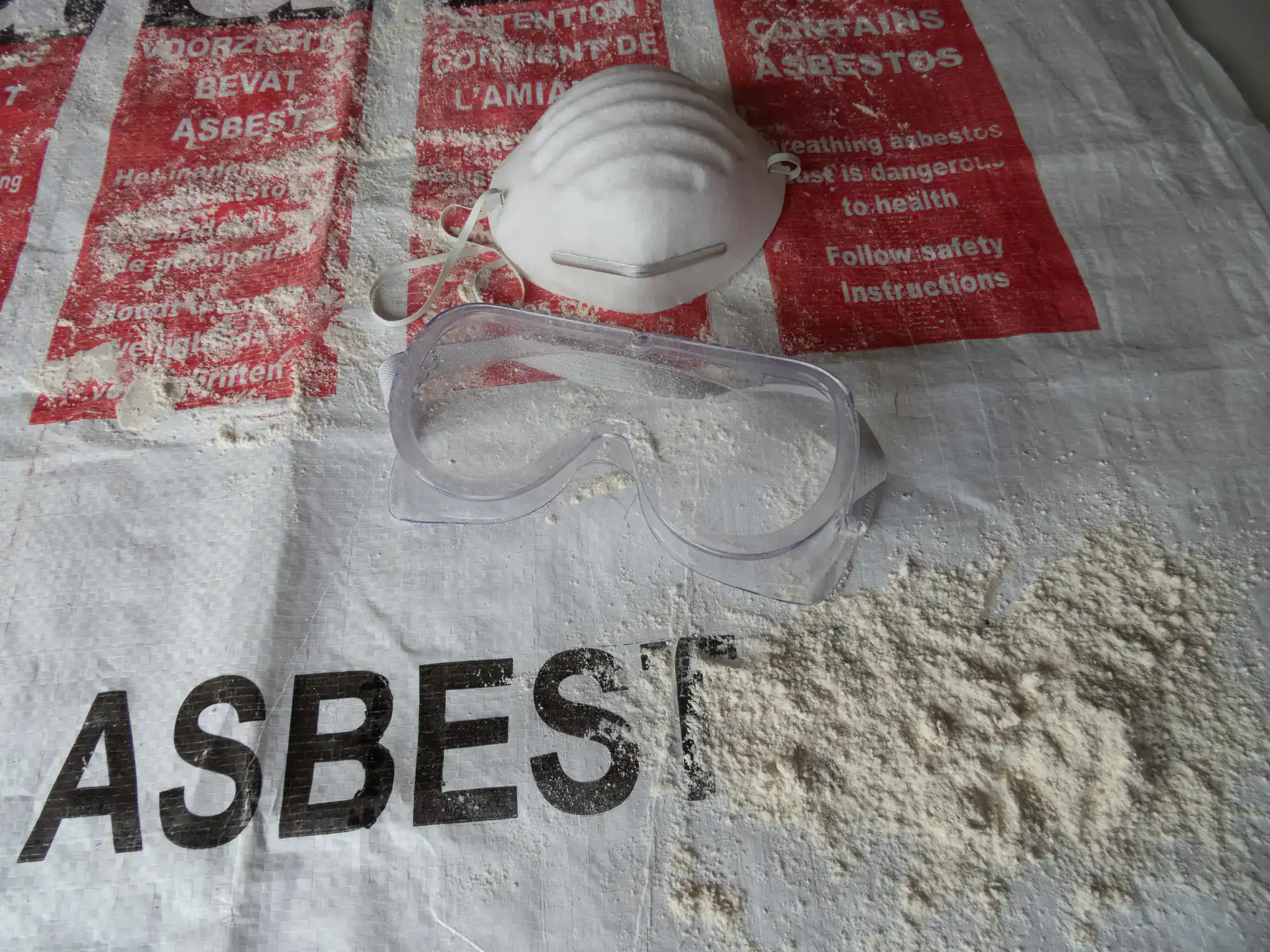
It starts with an inspection. Our licensed inspector comes to your Chalfont home, identifies materials that may contain asbestos, and collects samples for lab testing. You get real results — not a visual guess — so you know exactly what you’re dealing with and where. If nothing comes back positive, you have documentation that says so. If something does, you have a clear starting point for what happens next.
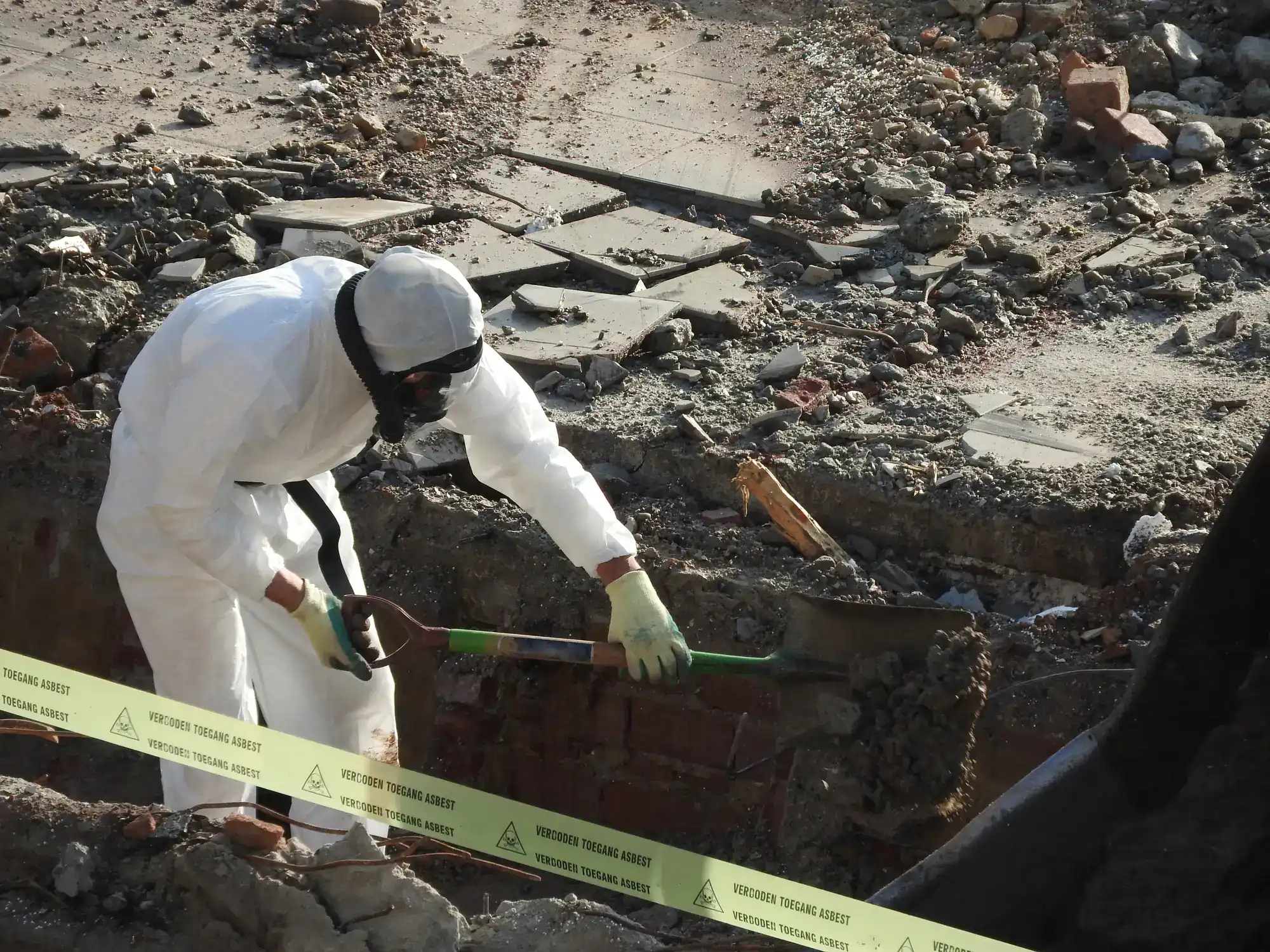
From there, we build an abatement plan specific to your property. Containment goes up before any removal begins — negative air pressure, HEPA filtration, proper barriers — so fibers don’t migrate into the rest of your home during the work. Pennsylvania requires a minimum five-day advance notice to PA DEP before friable asbestos removal begins, and we handle that filing for you. You don’t need to research state notification requirements in the middle of a renovation project.
Once removal is complete, the containment area is cleaned, air samples are taken, and a final clearance test confirms the space is safe before anything is opened back up. You get the documentation at the end — the kind that satisfies a home inspector, a real estate attorney, or your own peace of mind. If your project also turns up mold, lead paint, or ductwork that needs attention, we handle all of it under one roof. One call, one company, one completed job.
Ready to get started?
Asbestos abatement isn’t a single task — it’s a sequence of steps that have to happen in the right order, by licensed professionals, with proper documentation at every stage. In Pennsylvania, that means PA DL&I licensure, compliance with EPA NESHAP thresholds, and coordination with local permitting through the Chalfont Borough Office when a renovation permit is involved. We manage all of it. You don’t need to become an expert in environmental compliance to get your home handled correctly.
The most common materials we remove in Chalfont-area homes include floor tiles and the adhesive beneath them, pipe and duct insulation in basements and mechanical rooms, acoustic and popcorn ceilings, plaster and joint compound in older walls, and attic insulation in homes built before the mid-1980s. The Chalfont Historic District adds a layer of complexity — structures that have been updated multiple times over the decades can have asbestos-containing materials layered on top of original historic fabric, which requires more careful assessment before removal begins.
Beyond asbestos, our one-stop model means that if your project also involves mold remediation, lead paint removal, interior demolition, duct cleaning, or basement waterproofing, you’re not calling three different companies. Everything gets coordinated through us. Free estimates are available on every job, and cash discounts apply — which is genuinely rare in this industry and worth asking about when you call.
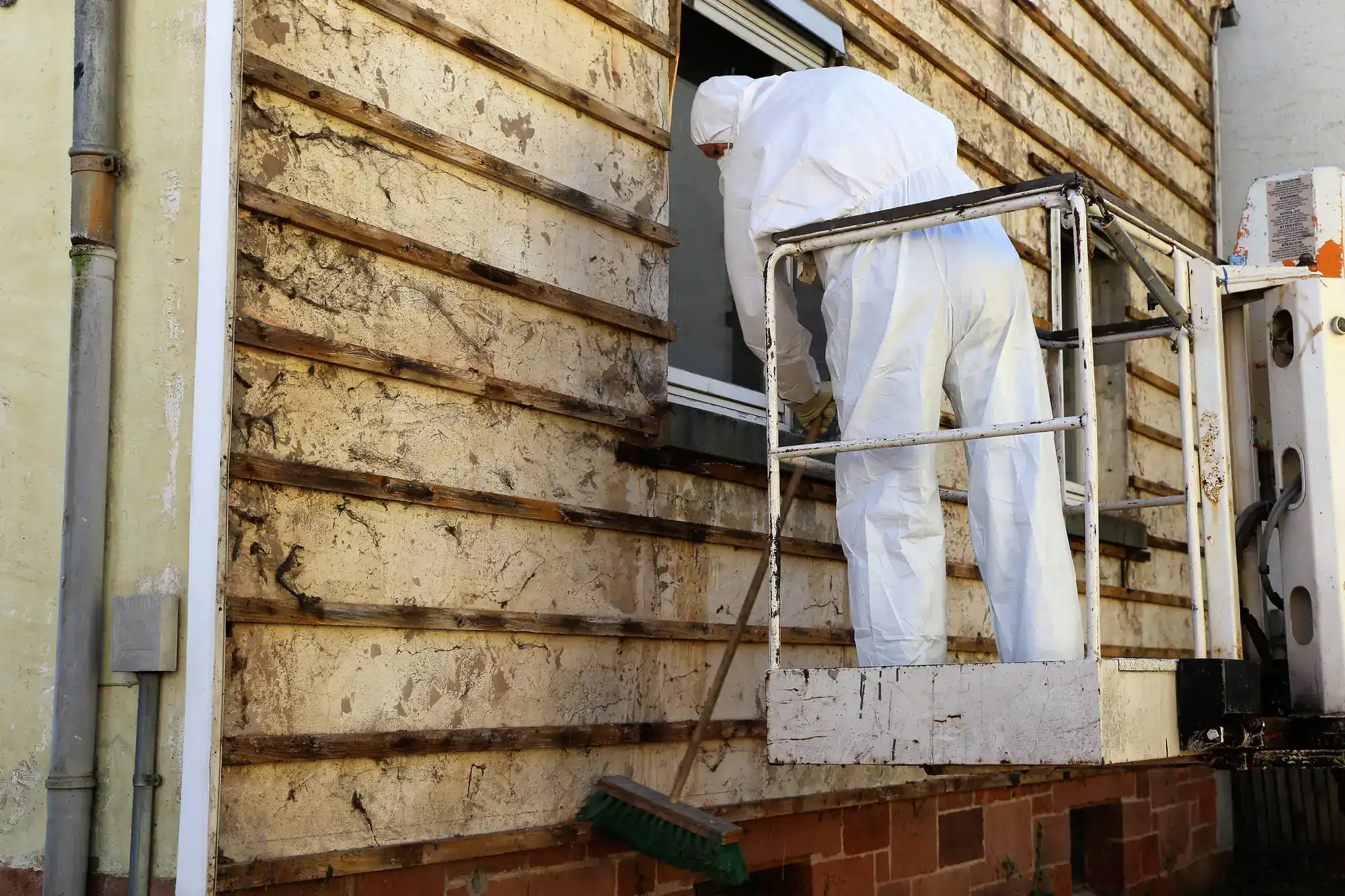

Statistically, yes — and it’s worth taking seriously. Chalfont’s median construction year is 1973, which places the majority of the borough’s housing stock directly inside the era when asbestos was routinely used in residential building materials. Floor tiles, the mastic adhesive beneath them, acoustic ceiling texture, pipe and duct insulation, plaster, joint compound, roofing shingles, and furnace insulation were all common sources of asbestos in homes built between the late 1930s and the late 1970s.
The presence of asbestos doesn’t automatically mean you’re in danger — materials that are intact and undisturbed generally don’t release fibers. The risk comes when those materials are cut, drilled, sanded, or demolished. If you’re planning a kitchen renovation, a bathroom remodel, a basement finish, or any project that touches pre-1980 building materials, testing before the work starts is the right move. It’s not expensive relative to what a mid-project discovery costs in delays and remediation. We offer free estimates, so there’s no financial barrier to getting a professional assessment.
It depends on the scope of the work and where in your Chalfont home it’s happening. For contained, single-room abatement — say, floor tile removal in a basement or a bathroom — it’s often possible for the rest of the home to remain occupied, provided proper containment is in place. We use negative air pressure and HEPA filtration as standard practice, which isolates the work area and prevents fibers from moving into adjacent spaces.
For larger projects — whole-house abatement, attic insulation removal, or work in heavily trafficked areas — temporary relocation during the active removal phase is typically the safer and more practical choice. We’ll walk you through exactly what the containment plan looks like for your specific property before work begins, so you’re not making that decision blind. If you have young children in the home, which is common in Central Bucks School District households, erring toward temporary relocation during active removal is a reasonable precaution even for smaller jobs.
It depends on how it’s documented and what condition the material is in. If a home inspector notes suspected asbestos-containing materials in a pre-1980 Chalfont home, the buyer’s attorney or real estate agent will typically request either professional testing, abatement prior to closing, or a price adjustment to account for future remediation. Deals don’t automatically fall apart — but they do stall, and they can fall apart if the seller isn’t prepared to respond quickly and credibly.
The cleanest path for a seller is to get testing and, if necessary, abatement done before the property goes on the market. That way you’re handing the buyer documentation that says the issue has been professionally resolved, rather than negotiating over an open question during the inspection period. We handle the full sequence — inspection, testing, abatement, and post-abatement clearance documentation — so sellers have a complete paper trail ready to hand over at closing. Given how active the Chalfont real estate market is, particularly among buyers drawn to the Central Bucks School District, being ahead of this issue is almost always the better financial decision.
The national average for residential asbestos removal runs roughly $1,192 to $3,240 for a typical single-room or limited-scope project, with a national average around $2,200. Larger projects — whole-house abatement, attic insulation removal, or multi-room work — can run $15,000 to $30,000 or more depending on the square footage and the type of materials involved.
The honest answer is that cost varies significantly based on what’s present, how much of it there is, and what condition it’s in. A few floor tiles in a bathroom are a very different job from pipe insulation throughout a basement mechanical room or acoustic ceiling removal in a 2,500-square-foot home. The only way to get an accurate number for your specific Chalfont property is to have a licensed inspector assess it. We offer free estimates, so there’s no cost to finding out what you’re actually dealing with. We also offer cash discounts, which is uncommon in this industry — worth mentioning when you call.
It can be, and the situation there is often more layered than in a straightforward mid-century home. The Chalfont Historic District includes 121 contributing buildings along Main Street and Butler Avenue, with some structures dating to the 1730s. The oldest of these homes predate asbestos use entirely — but many of them were updated, renovated, or had systems replaced during the mid-20th century, which is precisely when asbestos-containing materials were standard. That means you can have an 1890s Victorian with 1960s floor tiles over the original hardwood, or a Federal-style home with 1950s pipe insulation in the basement.
The complexity here isn’t just about age — it’s about the renovation history of the property. A home that’s been touched multiple times over 150 years may have asbestos-containing materials in locations that aren’t obvious without a thorough inspection. We build a customized assessment for each property rather than applying a standard checklist, which matters when you’re working with a historic structure that has its own specific material history.
No — not legally. Pennsylvania law requires that all asbestos abatement work be performed by a contractor licensed by the PA Department of Labor and Industry under the Pennsylvania Asbestos Accreditation and Certification Act (Act 194 and Act 161). A general contractor or handyman who is not specifically licensed for asbestos abatement cannot legally perform that removal, regardless of how experienced they are in other areas of construction.
This matters for a practical reason beyond compliance: improper removal — without containment, without HEPA filtration, without negative air pressure — can actually increase airborne fiber concentrations compared to leaving the material undisturbed. Some of the worst asbestos exposure events in residential settings happen during unlicensed renovation work where no one recognized the risk until after the fact. If your general contractor encounters suspicious material during a Chalfont renovation project, the right move is to stop work in that area and call a licensed abatement contractor before anything else is disturbed. We’re available 24/7 for exactly that situation — mid-project discoveries don’t wait for Monday morning, and neither do we.
Other Services we provide in Chalfont