Hear from Our Customers
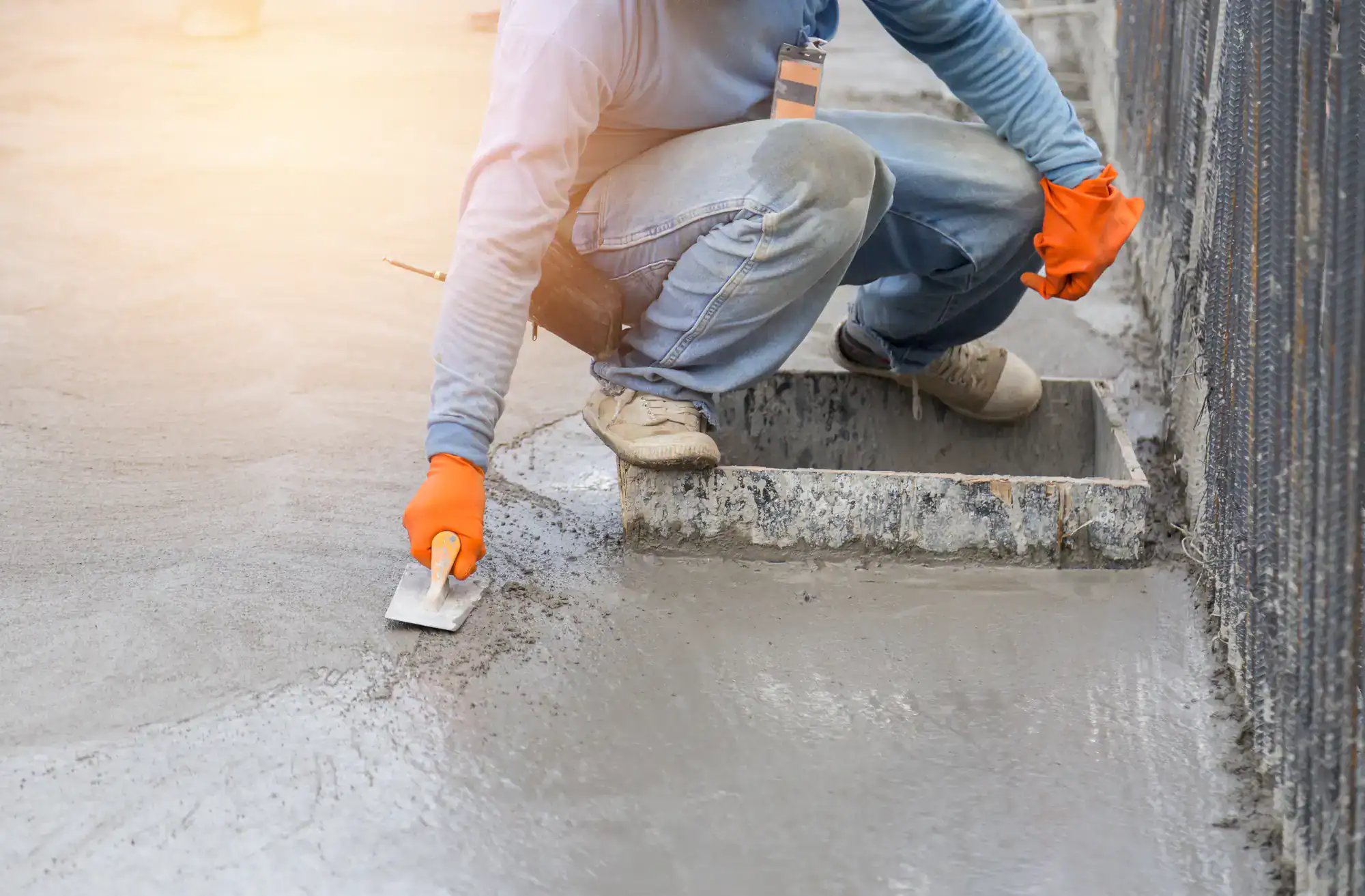
Wayne isn’t just a place to live — it’s a significant investment. With median home values around $1.23 million, a basement that takes on water every spring isn’t a minor inconvenience. It’s a threat to your foundation, your air quality, and the long-term value of your property.
The clay-heavy soils along the Main Line corridor are a well-documented problem. When the ground around your foundation gets saturated — and in Wayne, it will, especially from March through August — that soil expands and pushes water against your walls with real force. This is what’s known as the clay bowl effect, and it’s the dominant reason basements in this area flood. It’s not bad luck. It’s geology.
For homes in North Wayne, South Wayne, or anywhere in the Radnor Township area, the risk compounds with age. Stone foundations from the 1890s, early brick construction, and pre-war concrete weren’t built with hydrostatic pressure in mind. Once you understand what’s actually causing the problem, the fix becomes a lot more straightforward — and a lot more permanent.
We’ve been working on homes across Delaware County for two decades. That means we’ve seen the full range of what Wayne basements deal with — century-old stone foundations in the North Wayne Historic District, early concrete in South Wayne colonials, and everything in between. We’re not learning your neighborhood from a map.
What sets us apart isn’t just waterproofing. It’s the fact that we handle testing, remediation, demolition, and waterproofing under one roof. If your wet basement has led to mold, or if your pre-1978 Wayne home has lead paint near the work area, you don’t need to coordinate three separate contractors. One call covers it.
We’re fully licensed, bonded, and insured — and EPA/HUD compliant for lead-safe work practices, which matters more than most people realize when you’re dealing with older Radnor Township homes. Free estimates, cash discounts, and 24/7 availability round it out.
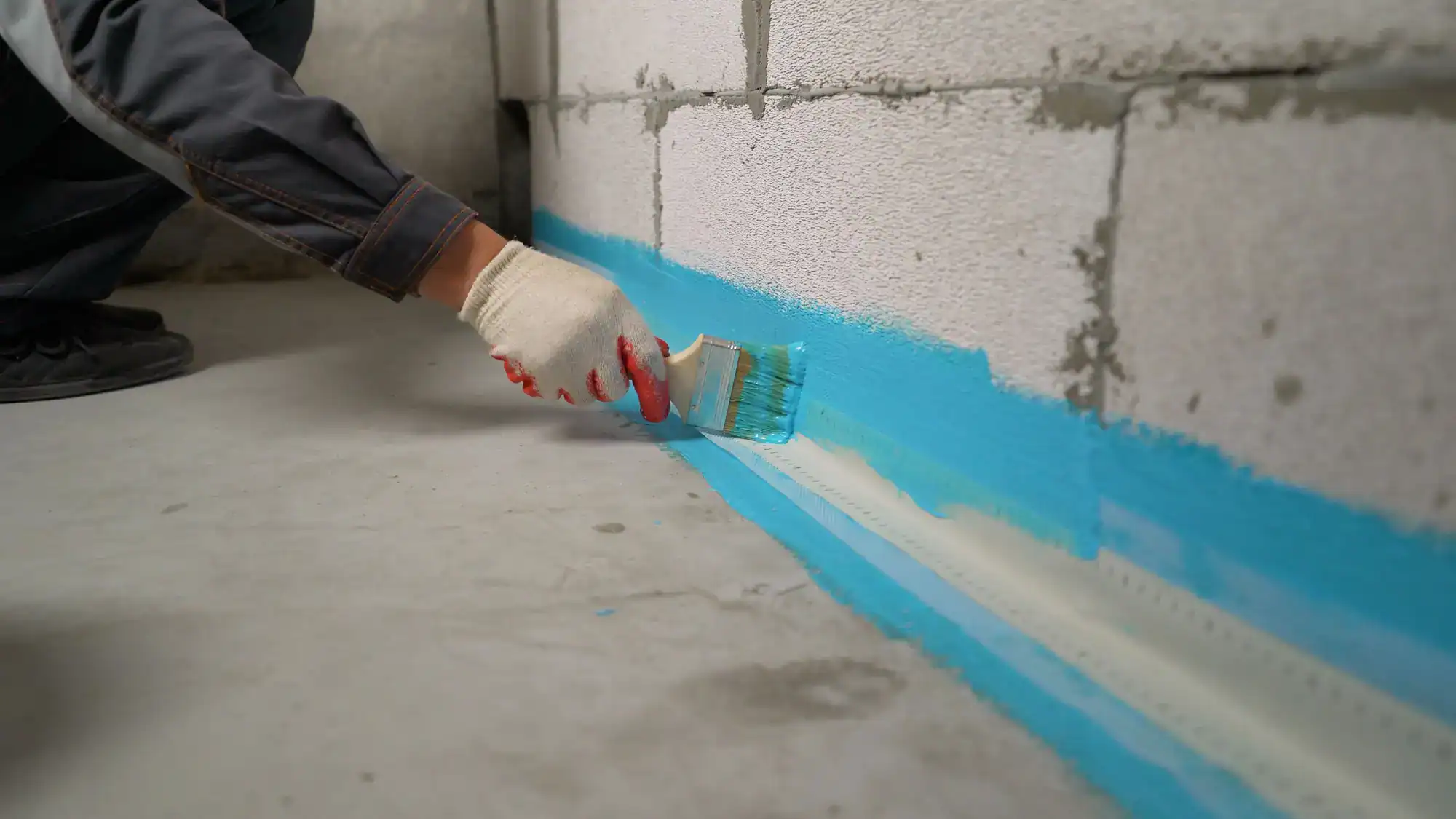
It starts with a free estimate. We come out, walk the space, and look at what’s actually going on — not just where the water is showing up, but where it’s coming from. In Wayne, that usually means checking for hydrostatic pressure points, foundation wall cracks, mortar joint deterioration in older stone or brick construction, and drainage patterns around the home. The clay soil in this area holds water close to the foundation, so we pay close attention to grading and exterior conditions as well.
From there, we map out the right approach for your specific situation. Interior drainage systems, sump pump installation or replacement, vapor barriers, crack injection, exterior waterproofing — the method depends on your foundation type, your water source, and your home’s age. For homes in Radnor Township, we’re familiar with the permitting requirements through the Community Development Department, and we handle that process without putting it on your plate.
Once the work is done, we don’t hand you a pamphlet and disappear. We walk you through what was done, why it was done that way, and what to watch for going forward. If something comes up — especially during one of Wayne’s heavy August storms — you have our number, and we pick up.
Ready to get started?
Wayne’s housing stock is unlike most of the Philadelphia suburbs. A large portion of the homes in the North and South Wayne historic districts were built between the 1880s and the 1930s — stone, brick, and early poured concrete that has been settling and shifting for over a century. Standard waterproofing approaches designed for post-war slab construction don’t always translate. We adjust the work to fit the actual foundation in front of us.
For homes in the Chesterbrook area or newer construction within the 19087 ZIP code, the issues tend to look different — drainage system capacity, sump pump performance, and vapor control in finished or semi-finished spaces. We handle both ends of the spectrum without treating every job the same.
Because we also provide mold testing, lead inspection, and environmental remediation, we catch the things that waterproofing-only companies miss. A wet basement in a pre-1978 Wayne home may involve disturbing lead-containing materials — something that requires certified handling under EPA and HUD regulations. Our team is certified and compliant, which protects you legally and practically. Since we serve Chester, Delaware, and Montgomery counties, Wayne’s tri-county footprint is never a complication for us — it’s just Tuesday.
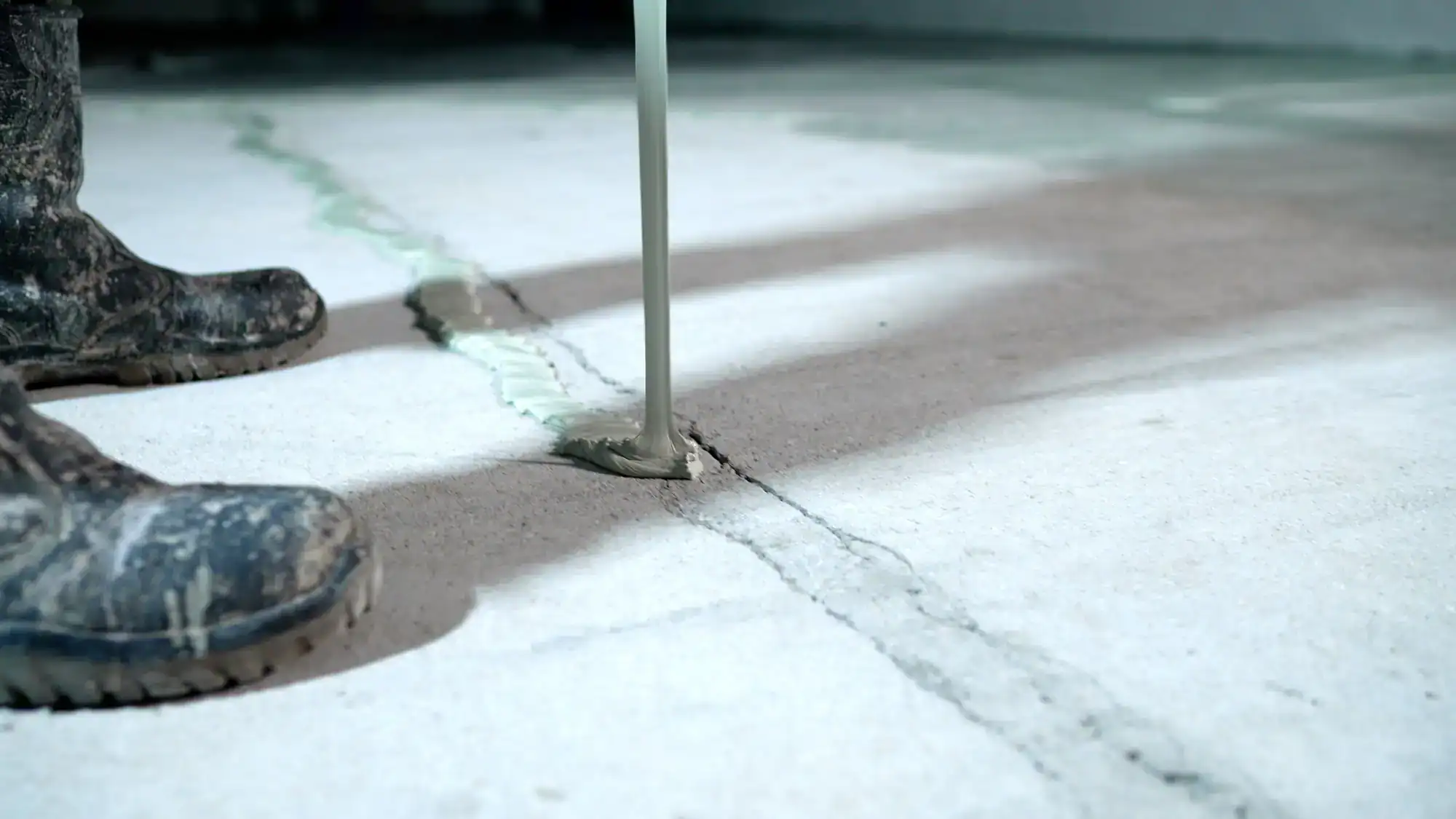
Spring is the highest-risk season for basement flooding in Wayne, and there’s a straightforward reason for it. Snowmelt from February and March combines with consistent April rainfall to saturate the ground around your foundation. The clay-heavy soils common throughout the Main Line corridor hold that moisture close to your foundation walls rather than draining it away, and the weight of that saturated soil pushes water inward — a process called hydrostatic pressure.
For older homes in North Wayne or South Wayne, this problem is amplified by the age of the foundation itself. Stone and early brick foundations develop small gaps in mortar joints over decades, and those gaps become entry points when hydrostatic pressure builds up. The fix isn’t just sealing visible cracks — it’s managing where the water goes before it ever reaches your wall. Interior drainage systems and properly positioned sump pumps are usually the most effective long-term solution for this specific pattern.
Basement waterproofing cost in Wayne varies quite a bit depending on what you’re dealing with and what kind of foundation you have. A basic interior crack injection on a poured concrete wall might run a few hundred dollars. A full interior drainage system with sump pump installation in an older Wayne home typically falls in the $5,000–$15,000 range. Exterior waterproofing — which involves excavating around the foundation — tends to cost more and isn’t always necessary, but for certain foundation types it’s the right call.
Wayne’s older housing stock adds some nuance to the pricing conversation. Stone and brick foundations from the late 1800s or early 1900s require more careful work and sometimes more material than a standard concrete pour. If mold is present or if lead-containing materials need to be managed safely — which is a real consideration in pre-1978 homes throughout Radnor Township — that affects the scope and cost as well. The best way to get a real number is a free on-site estimate, because no two basements in Wayne are the same.
Yes, and it’s one of the more important distinctions to understand before hiring anyone. Stone foundations — common throughout the North Wayne and South Wayne historic districts — are inherently more porous than poured concrete. Water doesn’t just come through cracks; it seeps through the stone and mortar themselves. The mortar joints also deteriorate over time, and in a home that’s 100 or 130 years old, those joints may have been repointed multiple times with materials of varying quality.
Interior waterproofing approaches for stone foundations typically focus on managing water that has already entered the wall cavity rather than trying to create a fully watertight seal from the inside — because with stone, that’s often not realistic. A drainage channel along the perimeter, a reliable sump system, and a vapor barrier work together to keep the space dry even when the wall itself is allowing some moisture through. Exterior waterproofing on a stone foundation is possible but significantly more involved. The right answer depends on your specific home, which is why a proper assessment matters before any work begins.
It depends on the scope of work. For straightforward interior waterproofing — crack injection, sump pump installation, or interior drainage systems — permits are generally not required in Radnor Township. However, if the work involves structural changes to the foundation, excavation outside the home, or modifications to the drainage system that affect impervious coverage, a permit through Radnor Township’s Community Development Department is likely required.
Radnor Township also mandates that all contractors working in the township be licensed with the municipality. This is worth verifying before you hire anyone, because working with an unlicensed contractor can create liability issues and complicate future property sales. For homes within the North Wayne or South Wayne Historic Districts, exterior modifications are subject to review by the Historic Architectural Review Board — though interior waterproofing work typically falls outside HARB’s jurisdiction. We’re fully licensed and familiar with Radnor Township’s requirements, so we handle that piece of the process without adding to your to-do list.
Interior waterproofing manages water after it enters the foundation wall or floor — directing it to a drainage system and sump pump rather than letting it pool in your basement. It’s less disruptive, generally less expensive, and effective for most residential situations. For Wayne homeowners dealing with hydrostatic pressure through foundation walls, an interior perimeter drainage system combined with a quality sump pump is usually the most practical and durable solution.
Exterior waterproofing addresses the problem from the outside by excavating around the foundation, applying a waterproof membrane to the exterior wall, and improving drainage at the footing level. It’s a more comprehensive fix and eliminates water before it reaches the wall at all — but it’s also more expensive, more disruptive to landscaping, and not always necessary. In Wayne, exterior waterproofing tends to make the most sense when there’s significant foundation wall damage, when interior solutions have already failed, or when grading issues are actively directing water toward the home. We’ll tell you honestly which approach fits your situation.
Yes. Cash discounts are available, and it’s a straightforward reason — processing fees on credit transactions add cost that ultimately gets passed along. When payment is made in cash, we can pass that savings directly to you instead. It’s not a gimmick; it’s just a more efficient transaction for both sides.
For Wayne homeowners managing a larger scope of work — waterproofing combined with mold remediation, lead abatement, or environmental testing — those savings can be meaningful. The free estimate gives you a clear picture of the full cost upfront, so you know exactly what you’re working with before any decisions are made. If a cash discount makes a comprehensive fix more accessible for your home in Radnor Township or anywhere else in the Delaware County area, that’s a conversation worth having when we’re on-site.
Other Services we provide in Wayne