Hear from Our Customers
When your basement finally stops taking on water, something shifts. The boxes you’ve been stacking on pallets can go back on shelves. The musty smell that greets you every time you open that door disappears. The finished space you’ve been putting off actually gets finished. That’s what this is really about — getting your home back.
For Warminster homeowners specifically, the conditions that cause basement water problems are pretty relentless. The Piedmont clay soils throughout Bucks County expand and contract with every rain cycle, pressing against your foundation walls year-round. Homes built in the 1950s and 60s — which make up a big portion of the housing stock in neighborhoods like Hartsville and Davisville — were built with concrete block foundations that were never designed to hold up against decades of that kind of pressure without intervention.
And then there are the winters. Freeze-thaw cycles in this region are brutal on foundation walls. Water works its way into hairline cracks, freezes, expands, and opens those cracks wider every single season. By the time most Warminster homeowners call us, what started as a damp corner has turned into a recurring flooding problem. Getting ahead of it — or fixing it properly once and for all — protects your home’s value and your family’s living environment.
We’ve been working in southeastern Pennsylvania for over two decades, with deep roots right here in Warminster and the surrounding Bucks County area. We’re not a franchise. We’re not a national brand with a local phone number. We’re a fully licensed, bonded, and insured environmental services company that has spent twenty years learning the soil conditions, the housing stock, and the seasonal patterns that affect homes across this region — including the specific challenges Warminster residents face.
What sets us apart isn’t a slogan. It’s scope. Most waterproofing companies stop at the walls. We handle the whole picture — waterproofing, mold remediation, environmental testing, and demolition — all under one roof. That matters when you’re dealing with a basement that’s been wet long enough to grow a problem. You don’t need to coordinate three contractors and hope they don’t blame each other. One call to us handles it.
We’re EPA/HUD compliant, carry lead inspector and risk assessor certification, and use HEPA filtration on every job. For a township with Warminster’s environmental history, that level of credentialing isn’t a bonus — it’s the baseline.
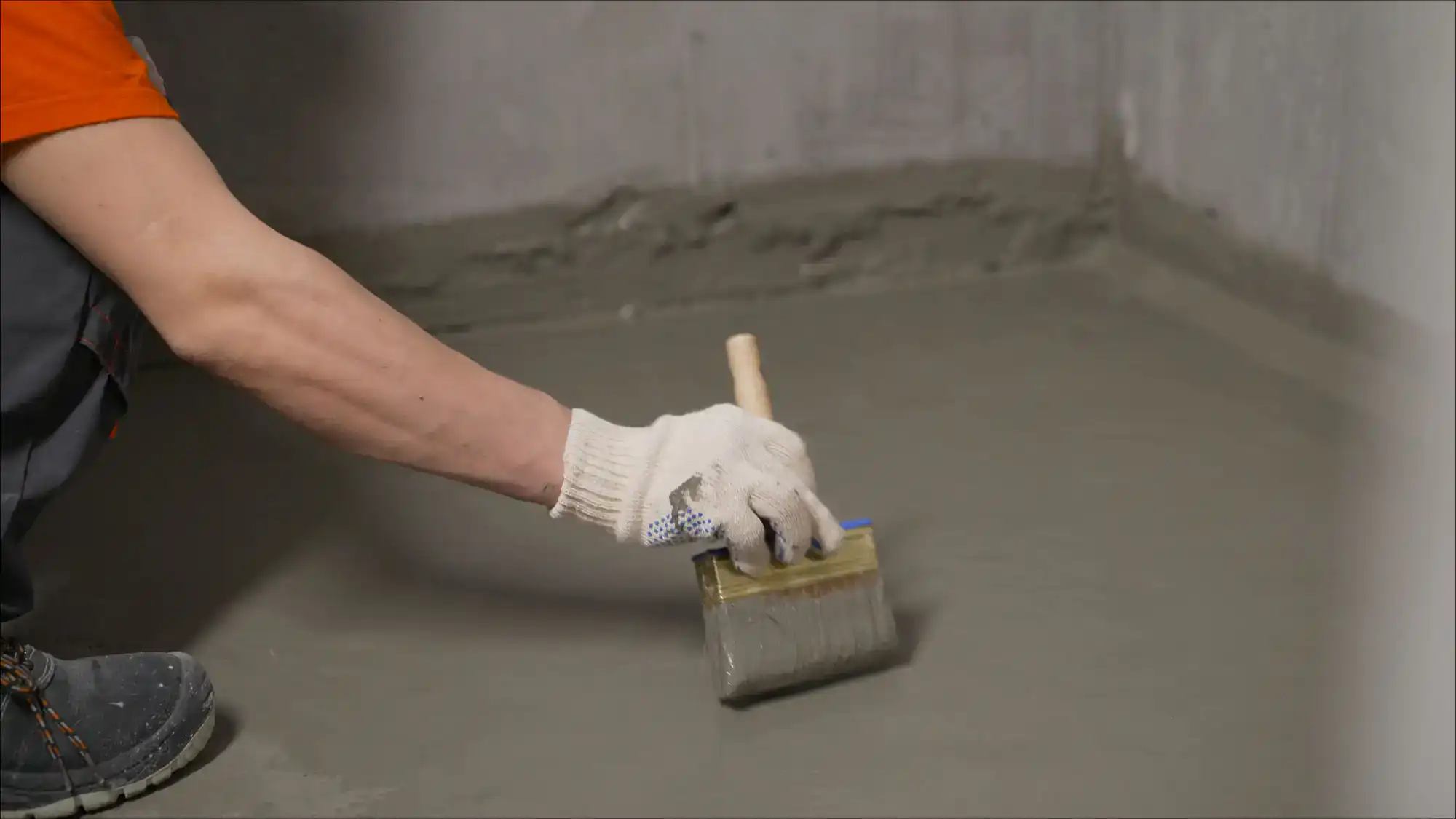
It starts with a free estimate. We come out, look at the actual problem — not just the symptom — and tell you exactly what’s causing water to get in and what it’s going to take to stop it. No pressure, no upsell, no vague ballpark. If you don’t need something, we’ll tell you that too.
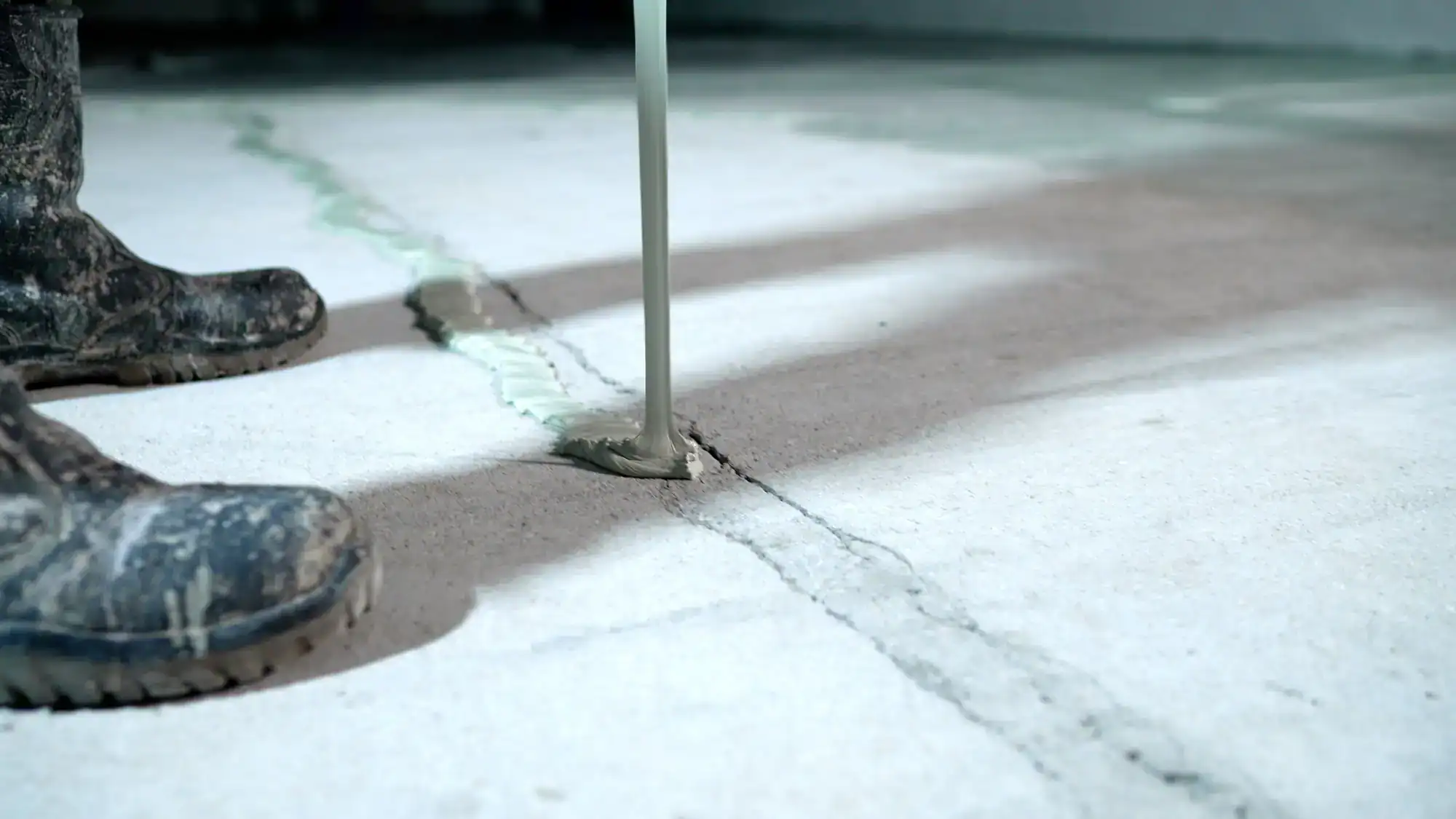
From there, the approach depends on what your home actually needs. Warminster’s older concrete block foundations often require interior drainage system installation — a French drain channel cut into the perimeter of the basement floor, paired with a properly sized sump pump, to redirect groundwater before it can build up against the walls. Newer poured concrete foundations in the township’s 1990s-era subdivisions more commonly deal with crack injection and exterior grading issues. The fix isn’t the same for every home, and we don’t treat it like it is.
Before any significant work begins, we handle the permit side. Warminster Township requires building permits for interior drainage system installations and any excavation near the foundation. As a licensed contractor operating in Bucks County, we manage that process on your behalf — so you’re not chasing paperwork while your basement sits wet. Once the work is done, we walk you through what was installed, how it functions, and what to watch for going forward.
Ready to get started?
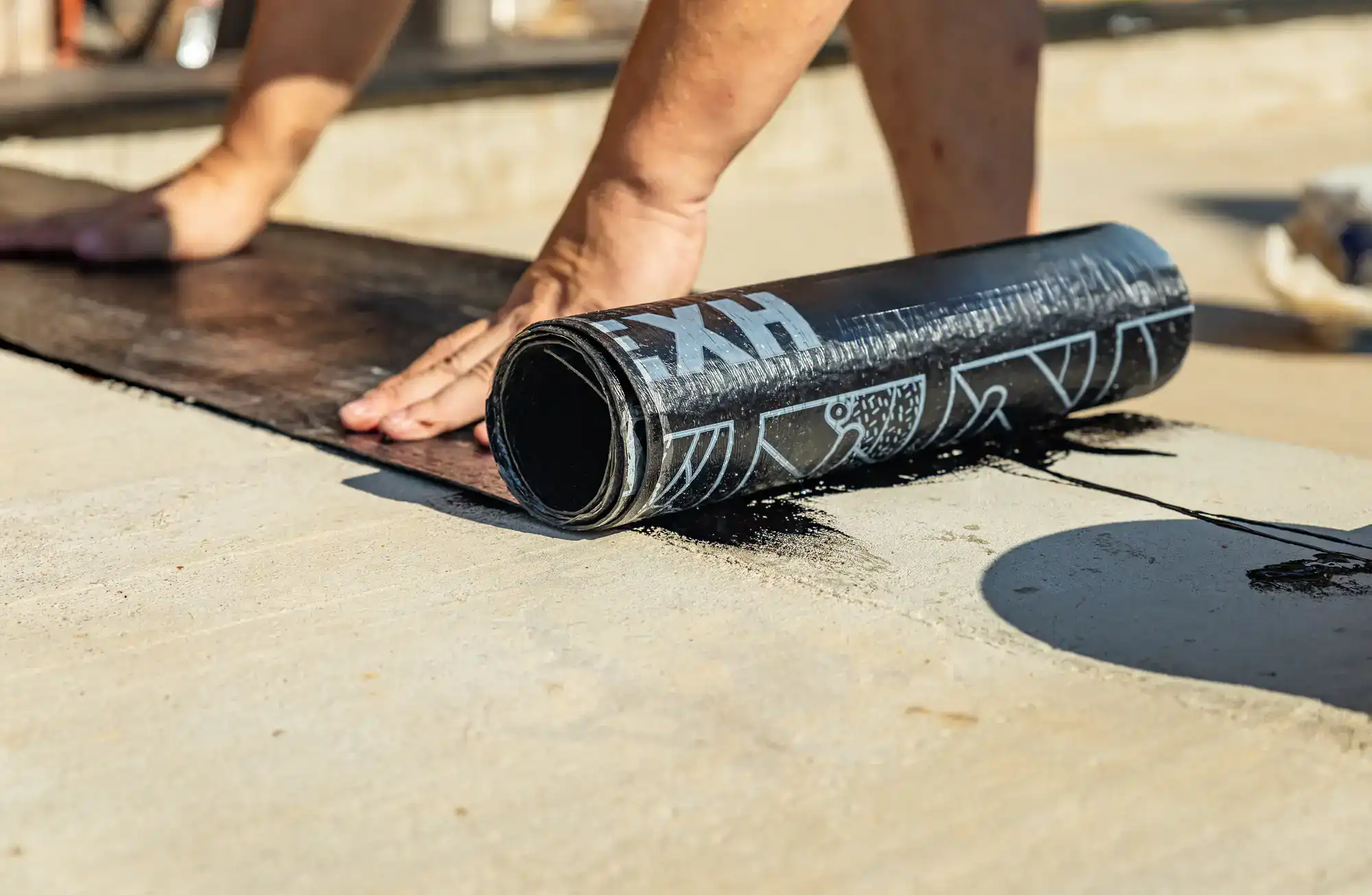
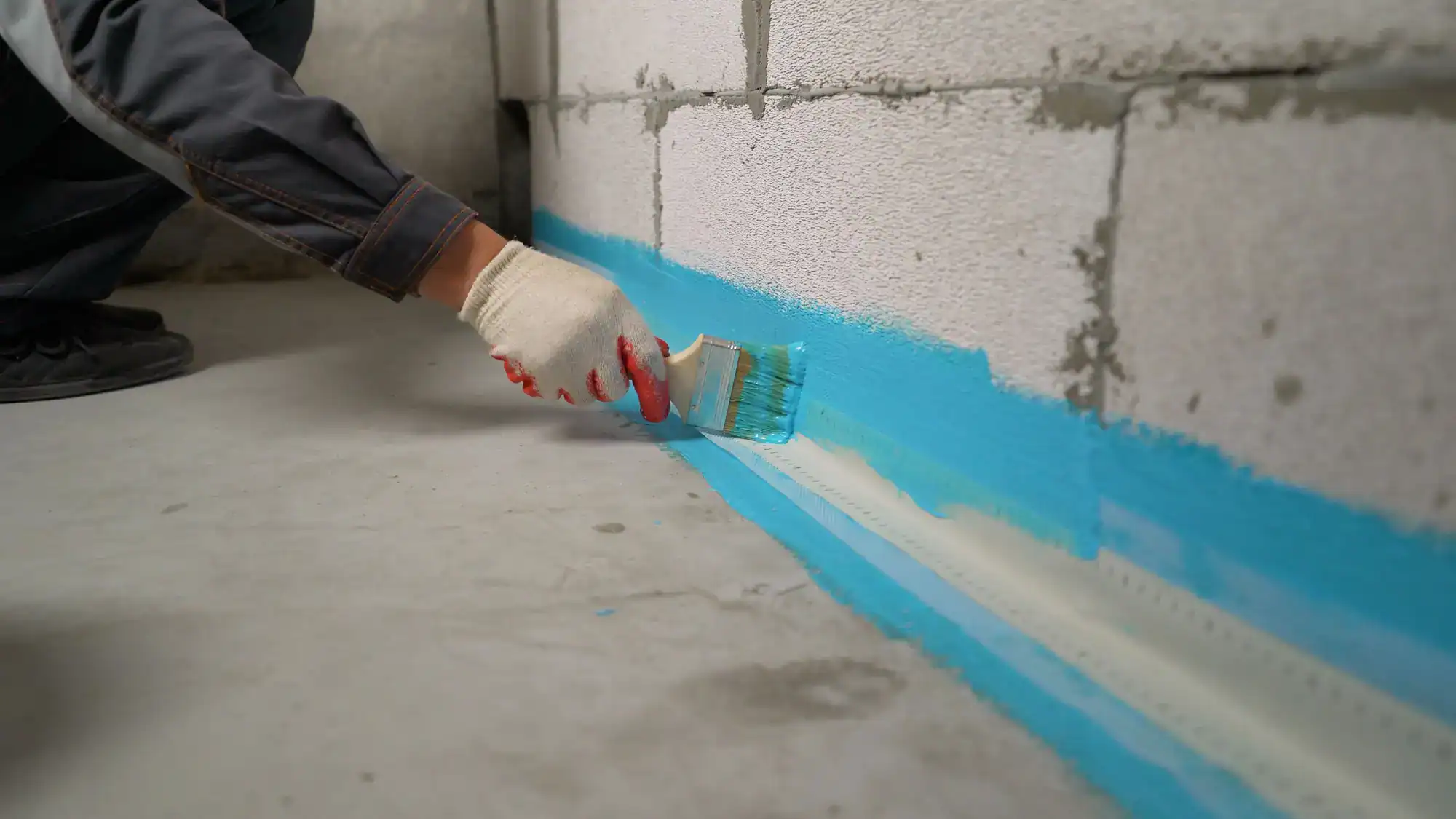
Basement waterproofing isn’t one thing. Depending on your home, the solution might be an interior French drain system with a sump pump, exterior waterproofing membrane application, crack injection to seal active leaks in poured walls, wall anchor installation for bowing foundation walls, or some combination of all of the above. We assess your specific situation and build the scope around what your home actually needs — not what’s easiest for us to install.
For Warminster homeowners near the Hartsville and Casey Highlands neighborhoods, where homes sit on older concrete block foundations, mortar joint deterioration is one of the most common entry points for water. We address that at the source. For homes closer to the Davisville corridor where the housing stock skews newer, the issues tend to involve drainage grading and sump pump capacity during heavy rain events — the kind Bucks County sees when nor’easters roll through or when storm systems push up from the Delaware Valley.
One thing worth knowing: because we operate as a full environmental services company, we’re also equipped to handle what water leaves behind. If mold has taken hold in your basement — which is common in Warminster homes that have been dealing with moisture for more than a season or two — we remediate it as part of the same project. You won’t need to bring in a separate company. Cash discounts are available, and all estimates are completely free.

Spring is the highest-risk season for basement flooding in Warminster, and there are a few reasons why. The combination of snowmelt and March-April rainfall saturates the Bucks County clay soil faster than it can drain. When that soil is fully saturated, water has nowhere to go but sideways — and it finds the path of least resistance, which is usually the mortar joints in your foundation wall, floor-wall seams, or existing cracks.
For homes built in the 1950s and 60s, which represent a large portion of Warminster’s housing stock, the original drainage around the foundation has often settled, compacted, or been altered by decades of landscaping. That means water pools against the foundation instead of draining away from it. The fix we typically recommend involves improving the interior drainage system so that water that does reach the foundation gets redirected to a sump pump before it can enter the living space — rather than trying to stop water from ever reaching the wall, which is nearly impossible in clay-heavy soil conditions like Warminster’s.
Most basement waterproofing projects in Warminster run somewhere between $1,500 and $7,000, with the majority of homeowners landing around $3,000 to $4,000 for a full interior drainage system with a sump pump. The range is wide because the scope varies significantly — a simple crack injection on a newer poured concrete wall is a very different job than a full perimeter French drain installation in a 1950s concrete block basement.
What drives cost up most often is the size of the basement, the severity of the water intrusion, and whether mold remediation or wall repair is also needed. In Warminster’s older neighborhoods, it’s not uncommon for a waterproofing assessment to reveal secondary issues — efflorescence on block walls, deteriorating mortar joints, or early-stage mold growth — that need to be addressed at the same time. We provide completely free estimates with no obligation, so you’ll know exactly what you’re looking at before any commitment is made. Cash discounts are also available, which can bring the final number down meaningfully.
Yes, in most cases. Warminster Township requires a building permit for interior drainage system installations — meaning if you’re having a French drain channel cut into your basement floor and a sump pit installed, that work needs to be permitted through the township’s building department. Any exterior waterproofing work that involves excavation near the foundation may also require permits and will need to comply with Bucks County stormwater management regulations.
This is one area where working with a licensed contractor matters. We’re fully licensed in Pennsylvania and operate regularly in Bucks County — we handle the permit process as part of the job. You don’t have to figure out which forms to file or whether your project triggers additional inspections. It’s handled. Unpermitted waterproofing work can create complications when you go to sell your home, so getting it done correctly from the start protects you on both ends.
This is a question that comes up more in Warminster than almost anywhere else in the Philadelphia suburbs, and it’s a fair one. The former Naval Air Warfare Center in Warminster left behind a significant PFAS groundwater contamination legacy — levels in some public wells reached nearly 40 times the EPA’s recommended threshold before the issue was identified and addressed. Public water supplies have since been remediated, but the awareness that created among Warminster residents is completely legitimate.
If your basement is taking on groundwater, the question of what’s in that water is worth taking seriously. A properly sealed and waterproofed basement is your home’s primary barrier between the surrounding soil environment and your living space. We’re an EPA/HUD compliant environmental services company with certified lead inspector and risk assessor credentials — which means when we assess your basement, we’re looking at the full picture, not just the visible water. If there are environmental testing concerns alongside a waterproofing need, we can address both as part of the same engagement.
Exterior waterproofing means excavating around the outside of your foundation, applying a waterproof membrane directly to the wall, and installing drainage to redirect water away before it ever reaches the foundation. It’s the most comprehensive approach when done correctly, but it’s also the most disruptive and expensive — and in an established Warminster neighborhood with mature landscaping, driveways, and tight lot lines, exterior excavation isn’t always practical or necessary.
Interior waterproofing doesn’t stop water from reaching the foundation wall — it manages water after it gets there. A French drain channel is cut into the perimeter of the basement floor, water that enters the wall is captured and redirected to a sump pump, and the pump moves it away from the house. For most Warminster homeowners dealing with hydrostatic pressure from clay soil, interior drainage is the more realistic and cost-effective long-term solution. We’ll tell you honestly which approach makes sense for your home after seeing it — not based on what’s more profitable for us to install.
Both — and that’s actually one of the more practical reasons Warminster homeowners choose us over a single-trade waterproofing contractor. When a basement has been taking on water for more than a season or two, mold is almost always part of the picture. In Warminster’s older homes, where basements were often partially finished or used for storage, moisture behind drywall or under carpet can go undetected long enough to create a real mold problem before the water intrusion itself becomes obvious.
We handle mold remediation as part of the same project — same company, same crew, same accountability. There’s no handoff to a separate remediation contractor, no gap in responsibility, and no situation where one company blames the other for a problem that spans both scopes of work. We use HEPA filtration systems throughout the remediation process to make sure airborne particulates from disturbed mold growth don’t spread through the rest of your home during the job. If your basement has both a water problem and a mold problem, one call to us covers the whole thing.
Other Services we provide in Warminster