Hear from Our Customers
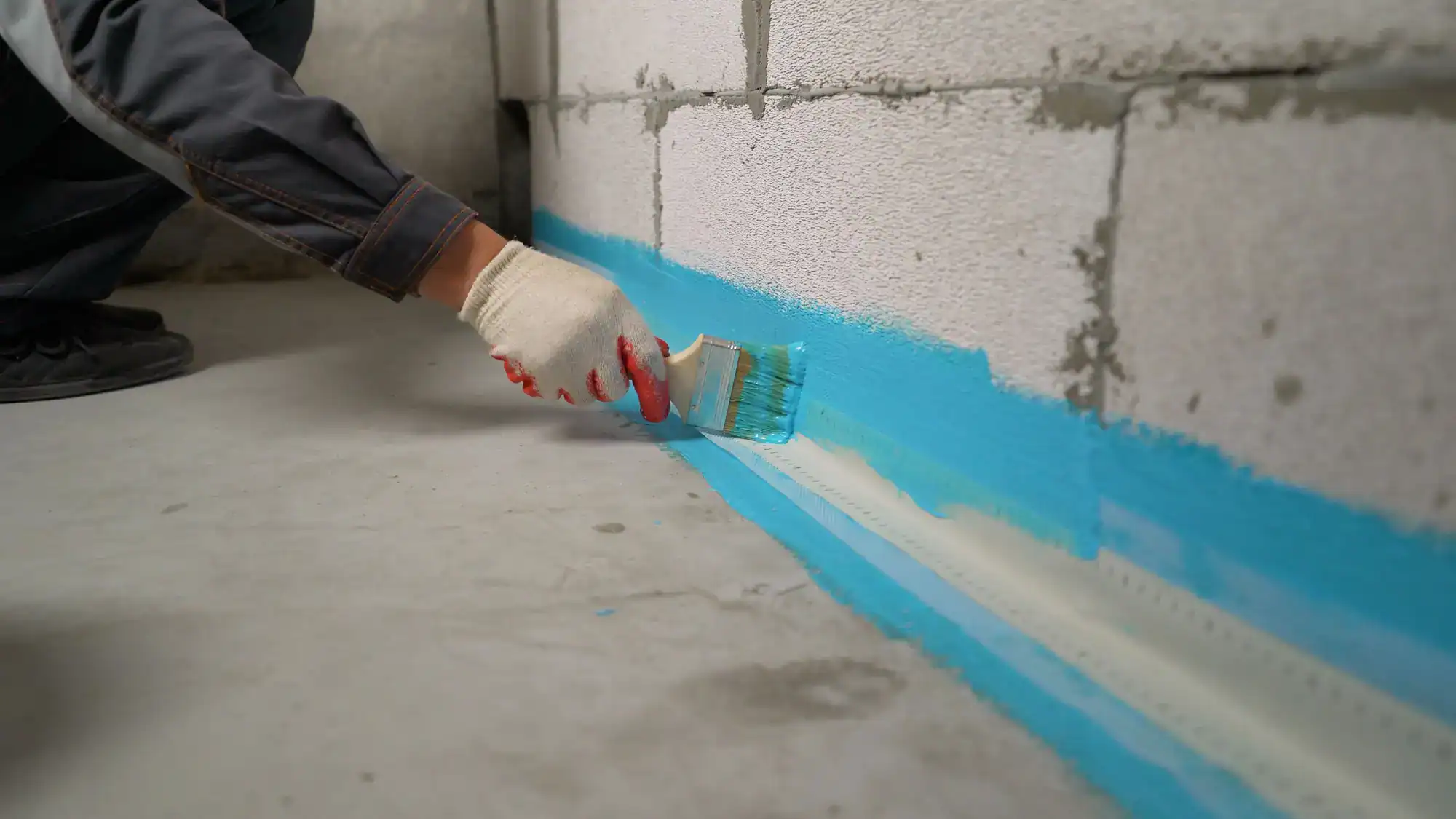
When waterproofing is done right, the difference isn’t subtle. No more white mineral staining creeping up your foundation walls. No more musty smell hitting you when you open the basement door. No more dreading the forecast every time a storm rolls through the Delaware Valley. You just have a dry, usable space — and one less thing to worry about in a home that’s probably worth well over a million dollars.
Saint Davids sits on Piedmont geology with clay-heavy soils that expand when saturated and push hard against your foundation walls. That’s just the reality of building in this part of Delaware County. But when that pressure goes unaddressed year after year, it widens cracks, shifts block walls, and turns a manageable issue into a serious repair. Getting ahead of it costs a fraction of what it takes to fix the damage after the fact.
The homes in Saint Davids — Tudor, Colonial, Craftsman, Queen Anne — were built to impress, not to handle modern stormwater runoff from fully developed suburban streets. Many of them are 70 to 100 years old, with original drain tile systems and stone or block foundations that were never designed with today’s conditions in mind. A properly waterproofed basement means your finished space, your HVAC equipment, and everything you’ve invested in down there stays protected — not just this season, but for the long haul.
We’ve been working in Chester and Delaware Counties for over 20 years. That means we’ve been inside the kinds of homes that line the streets near St. Davids Golf Club and along the quiet cul-de-sacs off Eagle Road — stone foundations, aging mortar joints, original sump pits, and all. We’re not guessing at what your basement needs. We’ve seen it before, probably more than once.
What sets us apart from the bigger franchise operations isn’t a sales pitch — it’s the way we actually work. One call covers everything: testing, environmental assessment, demolition if needed, and the waterproofing itself. No coordinating three separate contractors. No gaps in accountability. Just a licensed, bonded, and insured team that handles the full scope and leaves when the job is actually done.
We’re also Certified Lead Inspectors and Risk Assessors operating in full EPA/HUD compliance — which matters a lot in Saint Davids, where most of the housing stock predates 1978. If your basement walls have old paint on them, we handle that safely and legally, not as an afterthought.
It starts with a free estimate. We come to your home, walk the basement, and assess what’s actually going on — where the water is entering, what’s driving it, and what the foundation looks like up close. In Saint Davids, that usually means evaluating older stone or block walls, checking the condition of any existing drain tile, and identifying whether the issue is hydrostatic pressure from saturated clay soil, surface water intrusion, or a failing sump system. Sometimes it’s all three.
From there, we walk you through exactly what we recommend and why. If the work involves any surface preparation on walls built before 1978, we follow EPA lead-safe protocols — something the older housing stock in Saint Davids makes relevant more often than most homeowners expect. If permits are required for the scope of work, we’ll let you know upfront. Radnor Township requires contractor licensure for all construction work, and we carry it.
Once the work starts, we use HEPA filtration systems to keep dust and debris contained, and we don’t consider the job done until the space is clean and the solution is built to last. Whether that’s an interior drainage system, exterior waterproofing, a new sump pump, or a combination approach — the goal is the same: your basement stays dry when Little Darby Creek’s watershed gets hammered by a spring storm or a summer thunderstorm that overwhelms the surface drainage on your street.
Ready to get started?
Basement waterproofing in Saint Davids isn’t a single product or a one-afternoon fix. The homes here have real complexity — stone foundations that need mortar joint assessment, block walls that can bow under hydrostatic pressure, and drainage systems that were installed when Eisenhower was president. What you get from us is a full evaluation of the problem before anything else, because the right solution depends entirely on what’s actually causing the water intrusion in your specific home.
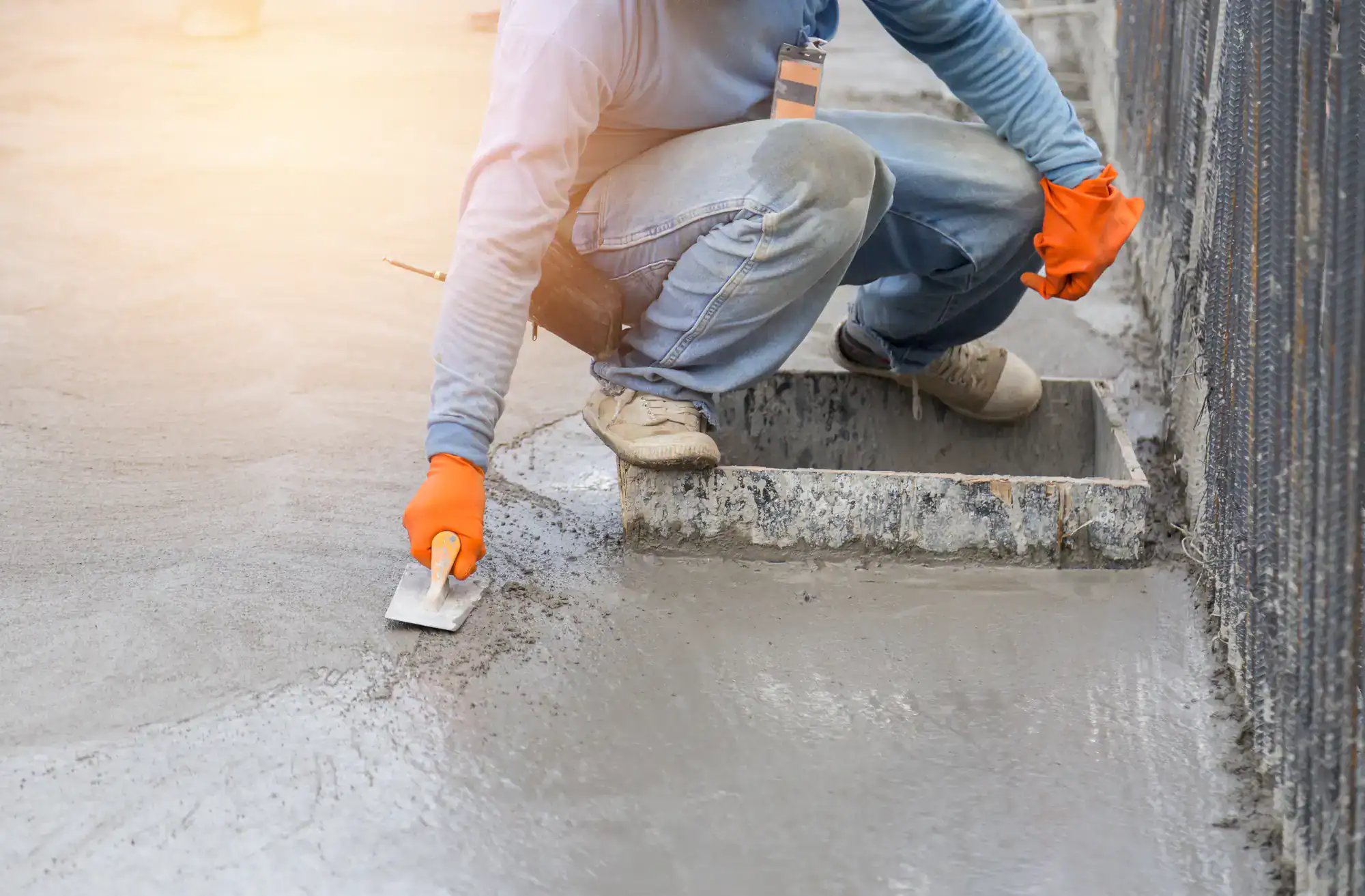
Interior drainage systems are one of the most effective long-term solutions for the clay soil conditions common throughout Radnor Township. When exterior excavation is the right call — particularly for homes with serious foundation wall deterioration — we handle that too, including any grading or stormwater considerations that come with working near the surface in a township that adopted a stormwater management ordinance specifically because of runoff issues in developed areas like Saint Davids.
Mold is a common companion to long-term basement moisture, and we’re equipped to handle remediation as part of the same project — not as a referral to someone else. If your basement has been damp for years, there’s a reasonable chance mold is already present behind finished walls or under flooring. We test, we remediate, and we waterproof, so by the time we leave, you’re not just dry — you’re starting clean.

The most common cause in Saint Davids and the broader Radnor Township area is hydrostatic pressure from clay-heavy Piedmont soil. When the ground around your foundation gets saturated — which happens fast during spring snowmelt, summer thunderstorms, or multi-day rain events from Atlantic storm remnants — that soil expands and pushes water directly against your foundation walls. If there are any cracks, deteriorated mortar joints, or gaps around window wells, that’s where it enters.
Older homes in Saint Davids, many of which were built in the early to mid-1900s, often have stone or block foundations with original drain tile systems that are decades past their useful life. When those systems stop functioning, water has nowhere to go except into your basement. The fix depends on the source — sometimes it’s an interior drainage system, sometimes it’s exterior waterproofing, and sometimes it’s both. That’s exactly why we start with a thorough assessment before recommending anything.
Cost varies based on the size of your basement, the type of foundation, the extent of the water intrusion, and what solution is appropriate for your specific situation. For most interior drainage system installations in the Philadelphia suburbs, homeowners typically spend somewhere in the range of $3,000 to $10,000. Exterior waterproofing projects — which involve excavating around the foundation — can run higher, sometimes $15,000 to $20,000 or more depending on scope and access.
In Saint Davids, where homes are often larger, older, and more architecturally complex than average, it’s not unusual for a comprehensive solution to sit in the middle to upper end of that range. That said, the free estimate exists for exactly this reason — so you get a real number based on your actual home, not a ballpark pulled from a brochure. We also offer cash discounts, which can meaningfully reduce your out-of-pocket cost on larger projects.
It depends on the scope of the work. Radnor Township requires construction permits for most types of structural and drainage work, administered through the township’s Department of Community Development. Interior drainage system installation and sump pump replacement may or may not require a permit depending on how the work is classified, but exterior waterproofing that involves foundation excavation almost certainly will. Any project involving new or replacement impervious coverage over 499 square feet also triggers additional stormwater requirements under Radnor Township’s 2022 stormwater management ordinance.
What you want to avoid is hiring a contractor who skips the permit process to save time — because that creates liability for you as the homeowner, can affect your insurance coverage, and can complicate a future sale. Radnor Township also requires that all contractors performing construction work be licensed with the municipality before starting. We carry full contractor licensure, and we’ll tell you upfront if your project requires a permit and what that process looks like.
In most cases, yes — and the math is pretty straightforward. Home buyers in the Saint Davids market are sophisticated, and their inspectors are thorough. A wet basement or visible water damage is one of the most common deal-breakers in the Main Line real estate market. It either kills the deal outright or gives the buyer leverage to negotiate a price reduction that’s almost always larger than what the waterproofing would have cost.
Beyond the sale price, there’s the disclosure question. Pennsylvania requires sellers to disclose known material defects, and water intrusion in a basement qualifies. Addressing it before listing removes that disclosure obligation and removes the anxiety that comes with it. For a home worth $1 million or more, spending $5,000 to $10,000 to go into the sale clean — with documentation that the problem was properly resolved by a licensed, insured contractor — is a straightforward investment in a cleaner transaction and a stronger final number.
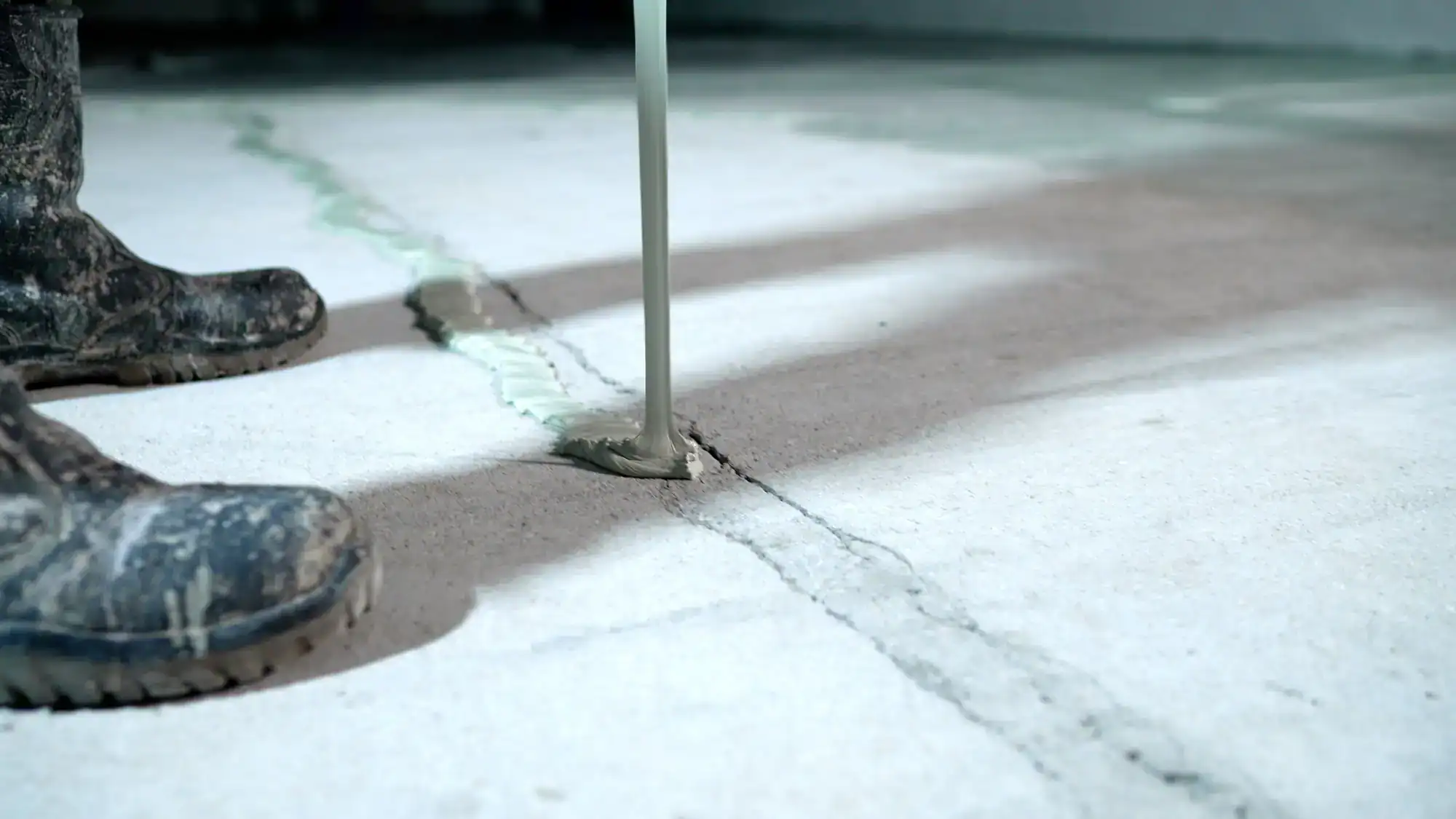
This is one of the more underappreciated causes of foundation damage in the Philadelphia suburbs. When water infiltrates a crack in your foundation wall — even a hairline crack — and then temperatures drop below freezing, that water expands as it freezes. That expansion widens the crack. When it thaws, more water enters. The next freeze widens it further. Over several winters, what started as a minor crack becomes a significant structural issue.
Saint Davids averages temperatures that dip well below freezing from December through February, and the freeze-thaw cycle is most destructive in the shoulder seasons — late fall and early spring — when temperatures fluctuate above and below 32°F repeatedly within the same week. For homes with stone foundations or older block walls, this process accelerates because the mortar joints are already degraded and offer less resistance to water infiltration. Catching and sealing foundation cracks before winter is one of the most cost-effective things you can do to slow this cycle down and protect the long-term integrity of your foundation.
We handle both under the same roof, which is one of the main reasons homeowners in this area call us instead of trying to piece together multiple contractors. Mold and moisture go together — if your basement has been taking on water for more than a season or two, there’s a good chance mold has already established itself somewhere, whether that’s behind drywall, under flooring, or on the surface of block or stone walls. Finding out after the waterproofing is done isn’t ideal.
Our process includes testing and environmental assessment before any work begins, so we know what we’re dealing with before we start sealing things up. In older Saint Davids homes — many of which have finished basements that were renovated decades ago — mold can be hidden inside wall cavities and only becomes visible once we start opening things up. Because we’re also a certified lead inspection and risk assessment operation, we can identify and address lead paint exposure at the same time, which is a real consideration in any home built before 1978. One project, one team, one bill — and you’re not left coordinating the cleanup after we leave.
Other Services we provide in Saint Davids