Hear from Our Customers
Once the moisture problem is handled, you stop watching the weather forecast with dread. No more musty smell greeting you at the door, no more wondering what’s growing behind the drywall, and no more dreading what a home inspector might find before you sell. That peace of mind is worth more than most people expect — until they finally have it.
For Lower Providence homeowners specifically, this matters in ways it doesn’t everywhere else. The clay-loam soils throughout this part of Montgomery County hold water longer than most people realize, and when the Perkiomen Creek watershed gets saturated after a heavy spring storm, that hydrostatic pressure doesn’t just sit outside your foundation — it pushes through it. Homes in Evansburg, near the Skippack Creek corridor, and throughout the older neighborhoods along Ridge Pike deal with this every wet season.
A properly waterproofed basement also directly protects what you’ve built financially. With median home values in Lower Providence approaching $500,000, a documented moisture problem found during a pre-sale inspection can cost you far more than the waterproofing would have. Buyers in this price range don’t negotiate around water damage — they walk.
We’ve been working in Montgomery County for over 20 years. That means we’ve seen what happens to foundations in the Perkiomen floodplain after a bad March, and we know what the soil conditions around Audubon and Trooper do to basement walls over time. We’re not guessing — we’ve been doing this work in your backyard for a long time.
What sets us apart from most waterproofing contractors is the range of what we handle under one roof. Waterproofing, mold remediation, lead inspection, demolition, environmental abatement — it’s all here. Our team includes a Certified Lead Inspector and Risk Assessor, and we operate in full EPA and HUD compliance. In a township where a significant portion of the housing stock predates 1978, that matters more than most homeowners initially realize.
We’re fully licensed, bonded, and insured. We offer free estimates, cash discounts, and we answer the phone around the clock. No runaround, no pressure — just a straight answer about what your basement needs.
It starts with a free estimate. We come out, walk through the basement with you, and look at what’s actually happening — where the water is entering, what the foundation material is, whether there’s evidence of mold or lead-based materials that need to be addressed alongside the waterproofing. In older homes, especially in the Evansburg historic district or the mid-century neighborhoods near Trooper Road, that initial assessment often reveals more than one issue. You’ll know everything we find before we recommend anything.
From there, we map out the right approach for your specific situation. Interior drainage systems, exterior waterproofing membranes, sump pump installation, crack injection, vapor barriers — the method depends on what your foundation actually needs, not a one-size-fits-all package. If your property sits within Lower Providence Township’s Floodplain Conservation District, we’re also familiar with the permit requirements that may apply to more extensive exterior work, so that process doesn’t catch you off guard.
Once the work begins, we use HEPA filtration systems throughout to keep dust and debris contained. For families working from home or households with young kids in the Methacton School District, that matters. When we’re done, we walk you through everything — what was done, why, and what to watch for going forward. No disappearing act after the invoice.
Ready to get started?
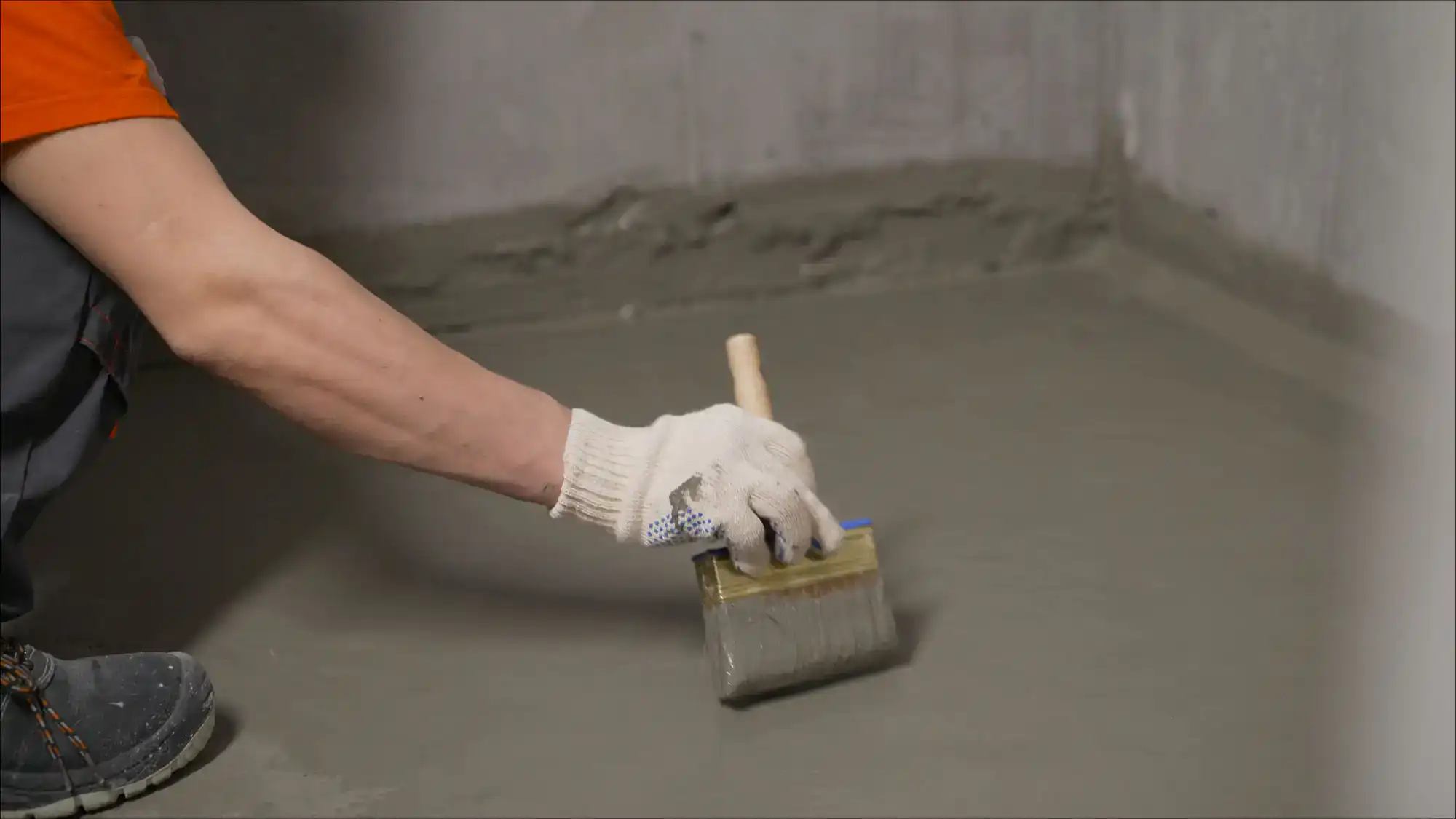
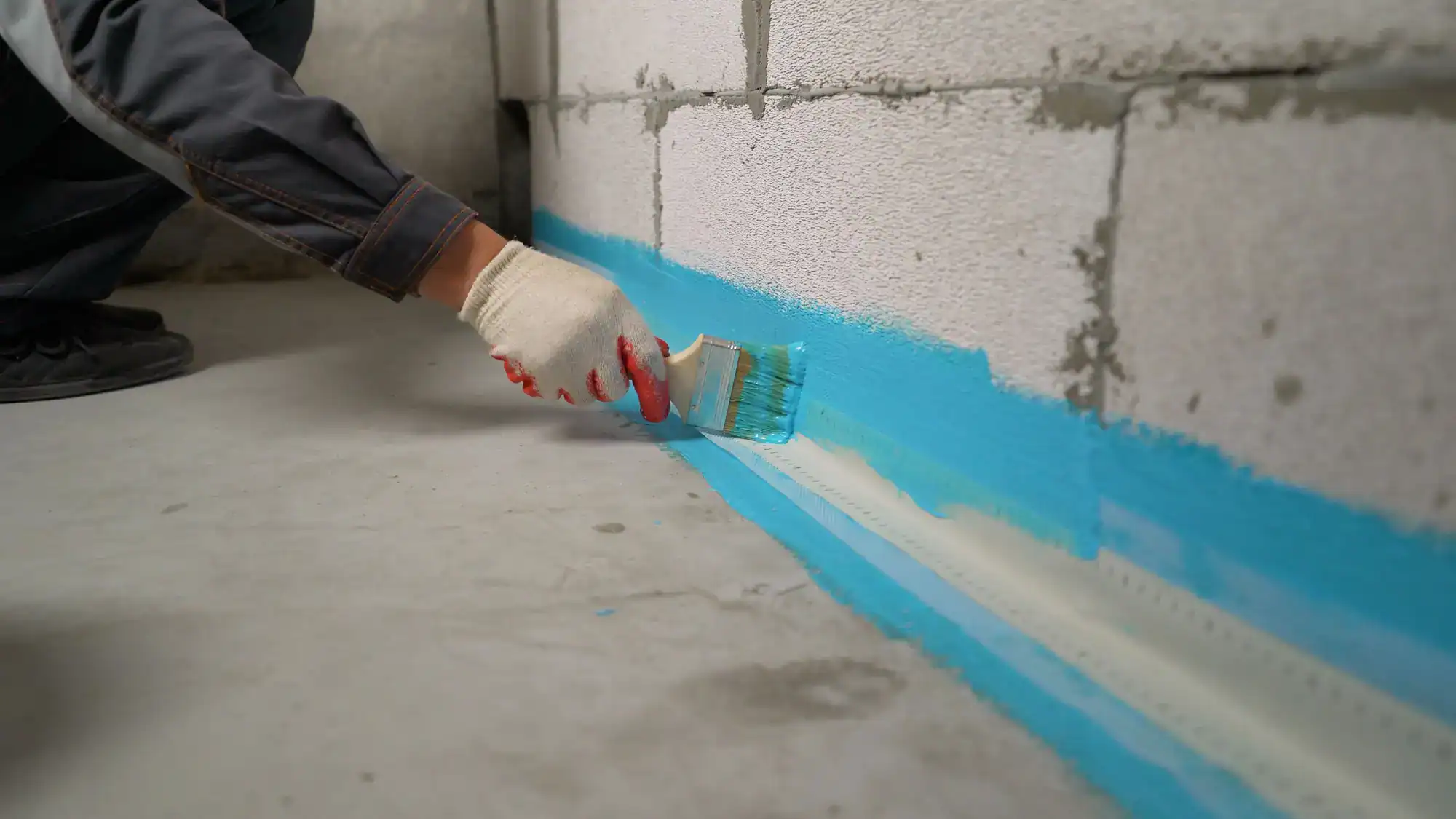
Basement waterproofing isn’t one thing — it’s a range of solutions that depend on how your foundation was built, how old it is, what the soil conditions around it look like, and where the water is actually coming from. We handle all of it. Interior drainage channel systems that redirect water before it reaches your living space, exterior membrane waterproofing for homes where excavation is appropriate, sump pump installation and replacement, crack injection for poured concrete walls, and vapor barriers for crawl spaces and slab areas that deal with moisture transmission rather than active intrusion.
For Lower Providence homes specifically, the combination of older housing stock and local hydrology creates situations that require more than a surface-level fix. A home in the Audubon area with a block foundation from the 1960s has different needs than a newer build near Egypt Road. A property near the Skippack Creek in Evansburg faces different groundwater conditions than one on higher ground near US Route 422. We assess all of it and recommend what actually fits — not what’s easiest to sell.
Because we also handle mold remediation and environmental abatement, we can address everything that comes with a long-term moisture problem in a single project. If waterproofing reveals mold growth, lead-containing materials, or other hazards — and in older homes throughout Montgomery County, it often does — you don’t need to call a second company. We’re already there.

The most common reason is hydrostatic pressure — when the ground around your foundation becomes saturated, water has nowhere to go but through. In Lower Providence, this happens faster than in a lot of surrounding areas because of the clay-loam soils that dominate this part of Montgomery County. Clay holds water instead of draining it, so after a significant rain event, the soil stays saturated for days. That sustained pressure against your foundation walls is what forces water through cracks, the wall-to-floor joint, or even directly through porous block or stone.
If your home is near the Perkiomen Creek watershed or the Skippack Creek corridor in Evansburg, the groundwater table in your area rises significantly during wet seasons — sometimes fast. Homes that sit in or near Lower Providence’s Floodplain Conservation District can experience this even when there’s no visible surface flooding. The water is coming up from below and in from the sides simultaneously. That’s a waterproofing problem, not a drainage problem, and it requires the right solution for your specific foundation type and site conditions.
The honest answer is that it depends on what your basement actually needs, and that’s not a dodge — it’s just the truth. A simple interior drainage channel system with a sump pump for a mid-sized home in Lower Providence typically runs somewhere in the range of $3,000 to $8,000 depending on the perimeter footage and the condition of the existing foundation. More extensive work — exterior waterproofing that requires excavation, full membrane application, and drain tile replacement — can run higher, particularly for larger homes or properties with more complex foundation issues.
What affects the number most is the scope of the problem. A home in Trooper with a single crack that’s been leaking for one season is a different job than a 1950s block-foundation ranch near Ridge Pike that’s been holding moisture for decades. The best way to get a real number is to have someone actually look at it — which is why we offer free estimates. You’ll get a clear scope and a straight price before any commitment is made. We also offer cash discounts, which for a project of this size can be a meaningful difference.
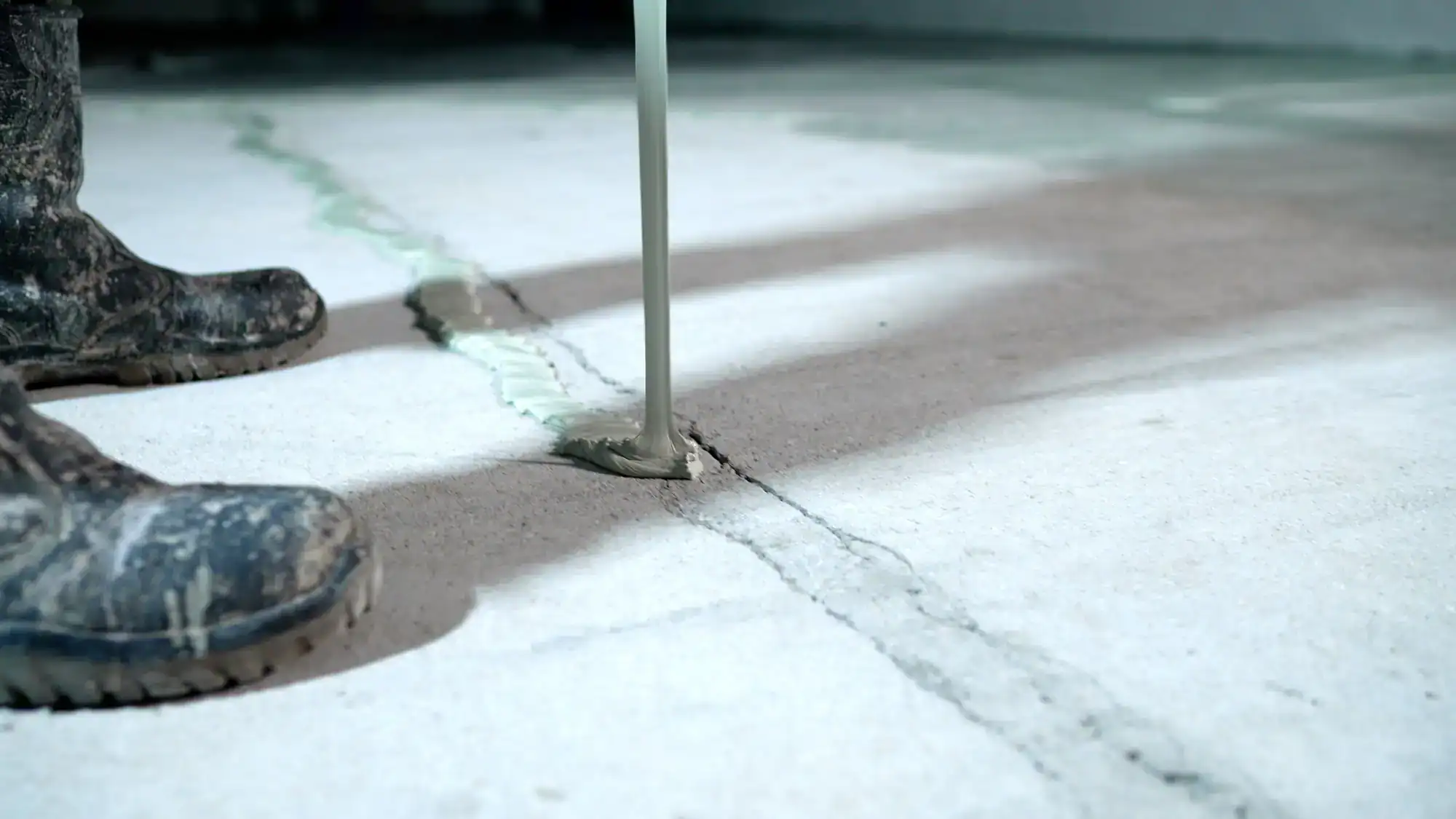
Interior waterproofing manages water after it enters the foundation — it doesn’t stop the water from getting in, but it captures and redirects it before it can damage your living space. A drainage channel is installed along the interior perimeter of the basement floor, water is directed into a sump pit, and a pump moves it out and away from the house. This is the most common approach for Lower Providence homes dealing with hydrostatic seepage because it’s effective, less disruptive than excavation, and works well with the foundation types common in this area.
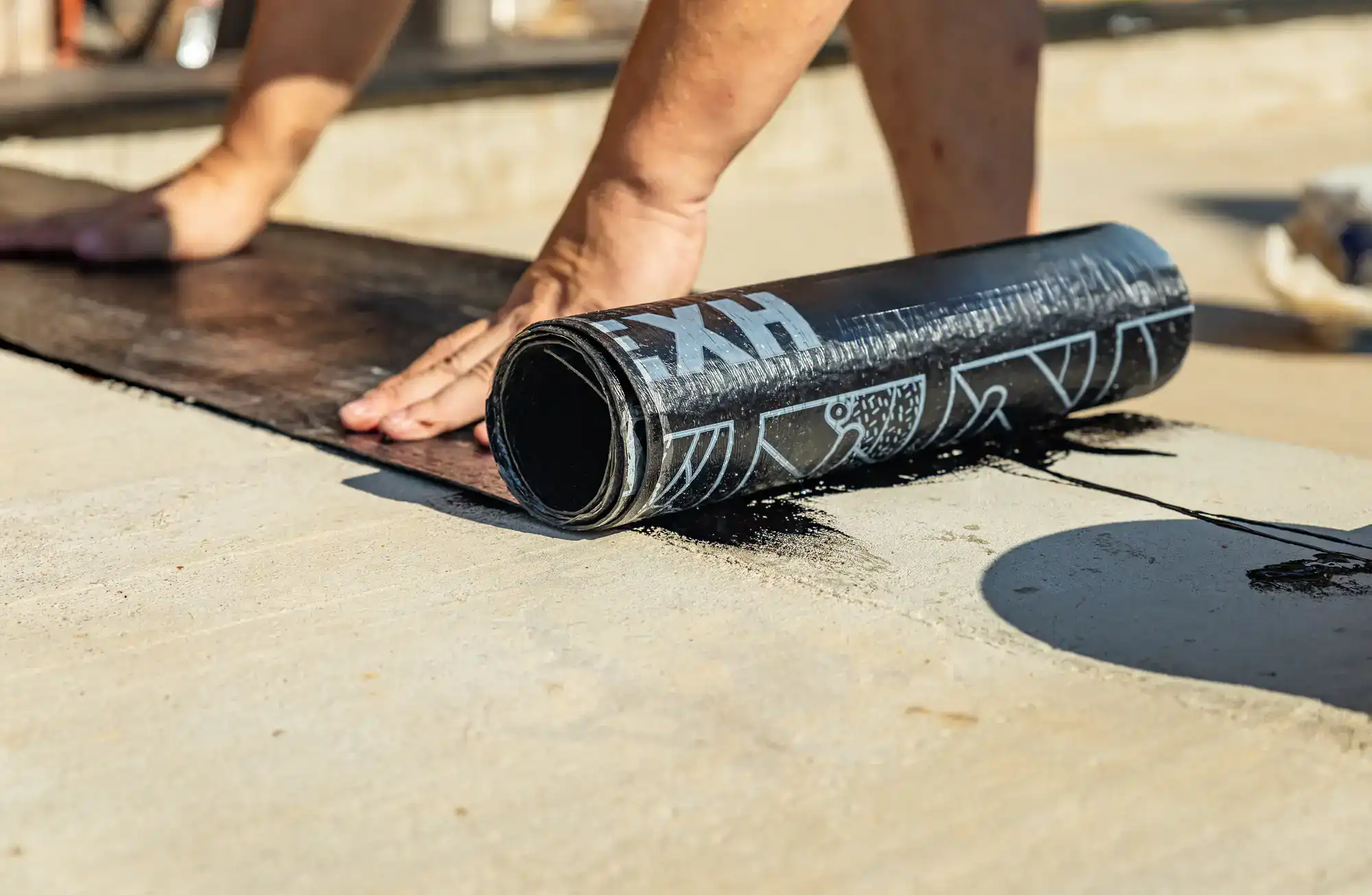
Exterior waterproofing addresses the problem at the source — it involves excavating around the foundation, applying a waterproof membrane directly to the outside of the wall, and installing drain tile at the footing level to redirect water away before it ever reaches the foundation. It’s more comprehensive and more expensive, and it’s the right call in specific situations — particularly for homes with deteriorating exterior foundation walls or properties where the grade and drainage conditions make interior management alone insufficient. For homes near the Perkiomen floodplain, we sometimes recommend a combination of both. The assessment tells us which direction makes sense for your specific property.
It depends on the scope of the work. Interior waterproofing — drainage channels, sump pump installation, crack injection — generally falls under routine home repair and doesn’t require a permit from Lower Providence Township. However, if the work involves exterior excavation, changes to the foundation structure, or any modification to how water is discharged from the property, that can trigger the township’s building and stormwater ordinance requirements.
Lower Providence also has an active Floodplain Conservation District ordinance. If your property sits within the 100-year floodplain — which applies to a number of properties near the Perkiomen Creek and Skippack Creek corridors — more substantial waterproofing work may require a floodplain permit before construction begins. The township’s stormwater ordinance also governs how drainage is directed on a property and requires that existing drainage patterns not be significantly altered without approval. We’re familiar with these local requirements and will flag any permit considerations during the estimate process so you’re not caught off guard mid-project.
Yes, and this is one of the most common situations we see. Visible water is the obvious sign, but it’s often the last stage of a moisture problem that’s been building for a while. A musty smell almost always means moisture is present — either vapor transmission through the floor slab or walls, minor seepage that evaporates before you notice it, or condensation from high humidity levels in the basement. All of those conditions support mold growth, even without puddles on the floor.
In Lower Providence, the combination of older housing stock and the area’s seasonal humidity patterns makes this particularly common. Homes that were built in the 1950s through 1970s — which make up a large portion of the township’s housing stock — often don’t have vapor barriers, and their original drainage tile systems have long since degraded or collapsed. The moisture is moving through the foundation slowly and consistently, just not dramatically enough to pool visibly. A musty smell, efflorescence (white chalky deposits on the walls), or peeling paint on basement walls are all signs that the problem is real and worth addressing before it gets worse or before it shows up on a home inspection report.
We offer cash discounts on waterproofing work, and for a project that can run several thousand dollars, that’s a real number — not a token gesture. The reason is straightforward: cash transactions reduce our administrative overhead, and we pass that savings directly to the customer. For Lower Providence homeowners managing the cost of maintaining a home in a market where median values are approaching $500,000, keeping the job cost honest matters.
Beyond the cash discount, every job starts with a free estimate — no charge, no obligation, no pressure. You get a full assessment of what’s happening in your basement, a clear explanation of what we’re recommending and why, and a specific price before you decide anything. That’s the right way to do it, especially for a service that some contractors in this market have historically used as an opportunity for high-pressure upselling. We’d rather earn your trust with a straight conversation upfront than chase you down after a vague quote. If you’re in Audubon, Eagleville, Evansburg, or anywhere else in Lower Providence Township, call us and we’ll come take a look — no strings attached.
Other Services we provide in Lower Providence