Hear from Our Customers
When your basement is properly waterproofed, you stop dreading every heavy rain. No more checking the sump pump at midnight, no more pulling ruined boxes off the floor, no more wondering if that smell is mold. You just get a dry, usable space — and the peace of mind that comes with knowing your foundation is protected.
In Doylestown specifically, that matters more than it might in other parts of the region. The clay-heavy soils throughout Bucks County don’t drain — they hold. After a two-inch storm, that moisture sits pressed against your foundation walls for days, sometimes longer. Over time, that sustained pressure is what cracks walls, lets water in, and turns a minor seepage issue into a serious structural problem. Getting ahead of it isn’t overcautious — it’s just smart.
The older housing stock in the borough adds another layer. Homes with stone, brick, or block foundations — some of them more than a hundred years old — are more porous than modern poured concrete. If your home is in or near the historic district, your foundation wasn’t built with today’s waterproofing standards in mind. A system that accounts for that reality, installed by someone who understands it, makes a real difference in how long the fix actually lasts.
We’ve been handling basement waterproofing and environmental hazard work across Bucks County for two decades, with Doylestown at the heart of our service area. We’re fully licensed, bonded, and insured in Pennsylvania — and our owner is a certified Lead Inspector and Risk Assessor, which matters more than most homeowners realize when you’re working in an older Doylestown home that may have pre-1978 construction materials lurking behind the walls.
This isn’t a franchise operation dispatching crews from three counties away. We serve Chester, Delaware, Montgomery, New Castle, and Bucks counties — and Doylestown is right in the heart of that territory. That means the person who shows up knows the local soil conditions, knows what Bucks County winters do to foundations, and isn’t reading your neighborhood off a GPS screen for the first time.
Every job comes with a free estimate, no-obligation pricing, and 24/7 phone availability — because a flooded basement in Doylestown doesn’t wait for business hours, and neither do we.
It starts with a free assessment. When you call us, someone picks up — day or night — and we’ll schedule a time to come look at what you’re dealing with. We’re not sending a salesperson with a pitch deck. We’re sending someone who can actually evaluate your foundation, identify where water is getting in, and tell you what needs to happen to stop it.
From there, we diagnose the source. In Doylestown, that usually means looking at hydrostatic pressure from clay soil buildup, cracks in the foundation wall from years of freeze-thaw cycling, or drainage failures that can’t keep up with the kind of rainfall this area sees. FEMA designates Doylestown as a very high flood risk area — and if you’ve lived here through a few Bucks County springs, that probably doesn’t surprise you. The solution depends on what’s actually happening, not on a pre-packaged upsell.
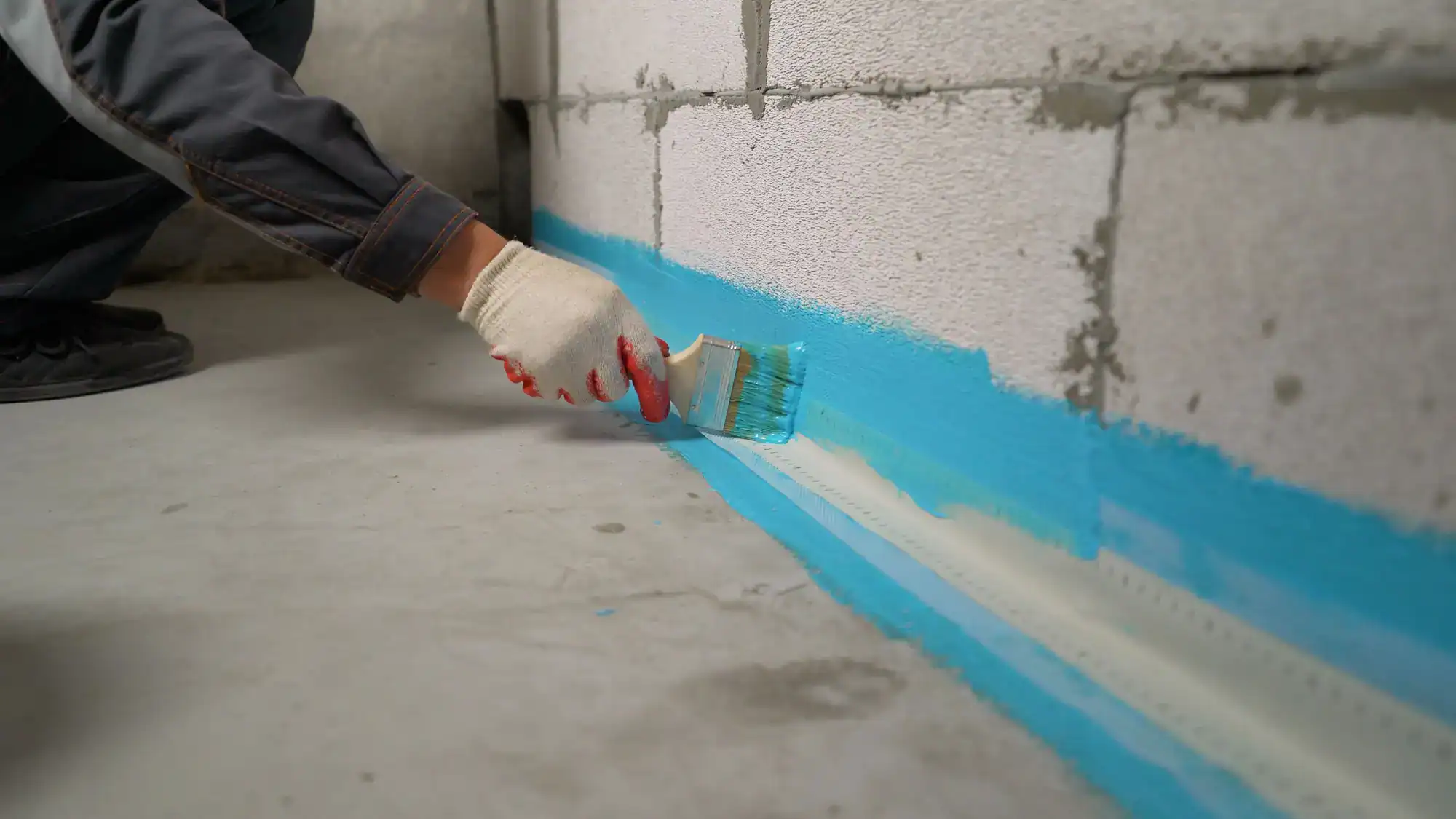
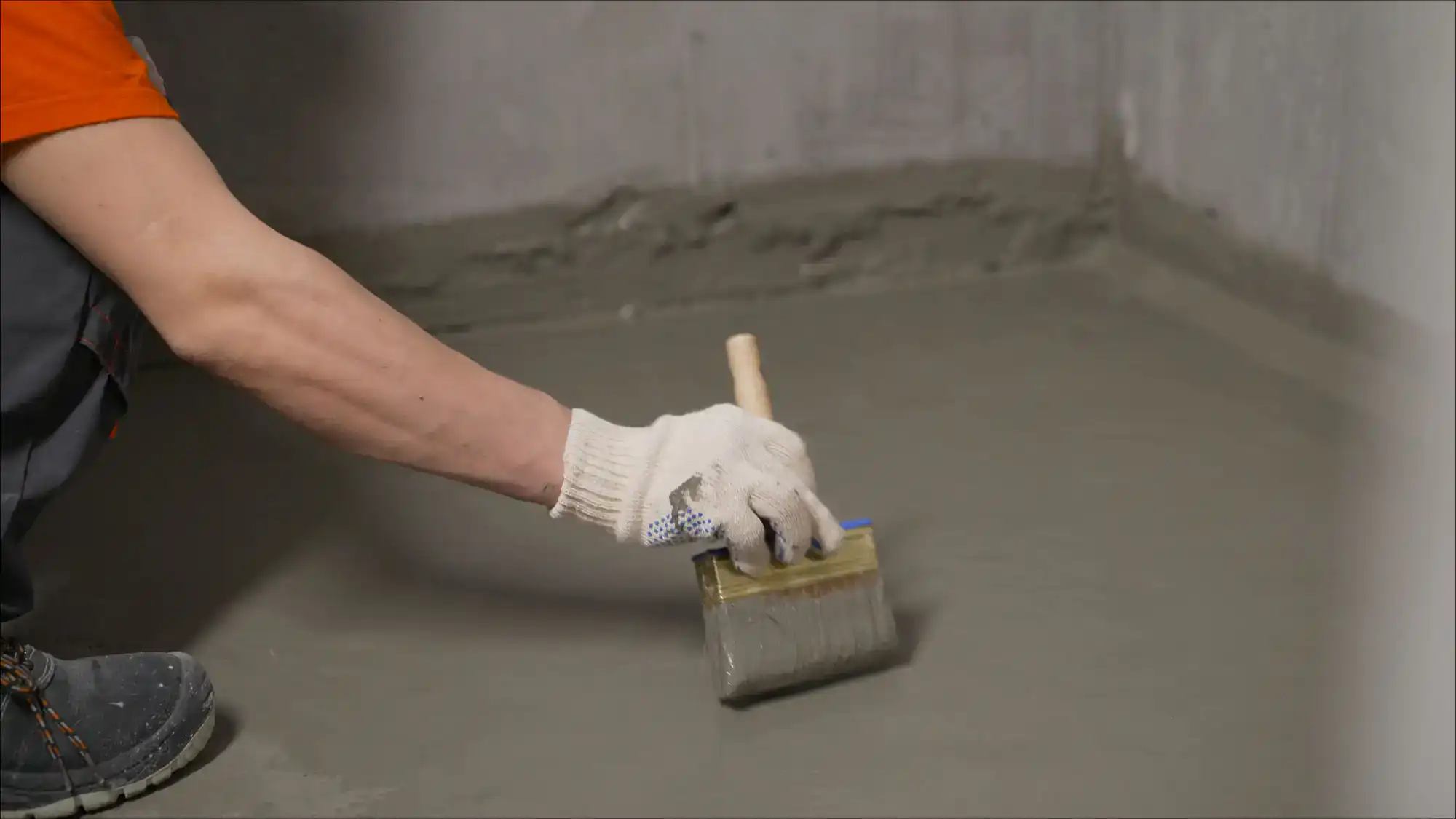
Work may involve interior drainage systems, sump pump installation, exterior waterproofing membranes, or crack injection — sometimes a combination. If your project requires a permit under the Pennsylvania Uniform Construction Code, we’ll walk you through that process. We use state-of-the-art equipment and HEPA filtration throughout, which is especially relevant in older homes where disturbing walls or flooring can expose more than just water damage. When the job is done, you’ll know exactly what was done and why — and you’ll have a basement that can actually handle what Bucks County throws at it.
Ready to get started?
Most waterproofing companies do one thing. We do the whole job. That’s not a marketing angle — it’s just how the work actually goes in an older Bucks County home. You find water in the basement, and then you find mold. Or you start pulling back a wall and find something that shouldn’t be disturbed without proper handling. Having one company that’s equipped and certified for all of it saves you the headache of coordinating multiple contractors and the risk of someone cutting corners because the next phase isn’t their problem.
We handle basement waterproofing, foundation sealing, interior and exterior drainage systems, sump pump installation, mold remediation, and full environmental hazard abatement — including lead and asbestos work that comes up regularly in Doylestown’s historic district homes. Our owner’s certification as a Lead Inspector and Risk Assessor isn’t a bonus credential — it’s a practical necessity when you’re working in a borough where a significant share of homes predate 1978.
For Doylestown homeowners in the township’s newer subdivisions — Estates of Doylestown and similar developments — the issue is usually hydrostatic pressure from clay soils and drainage systems that weren’t designed for the water table fluctuations this area sees. For borough homes, it’s often aging mortar joints and foundation materials that were never meant to last this long without intervention. Either way, we assess what’s actually there and build the solution around that — not around a fixed menu of packages.
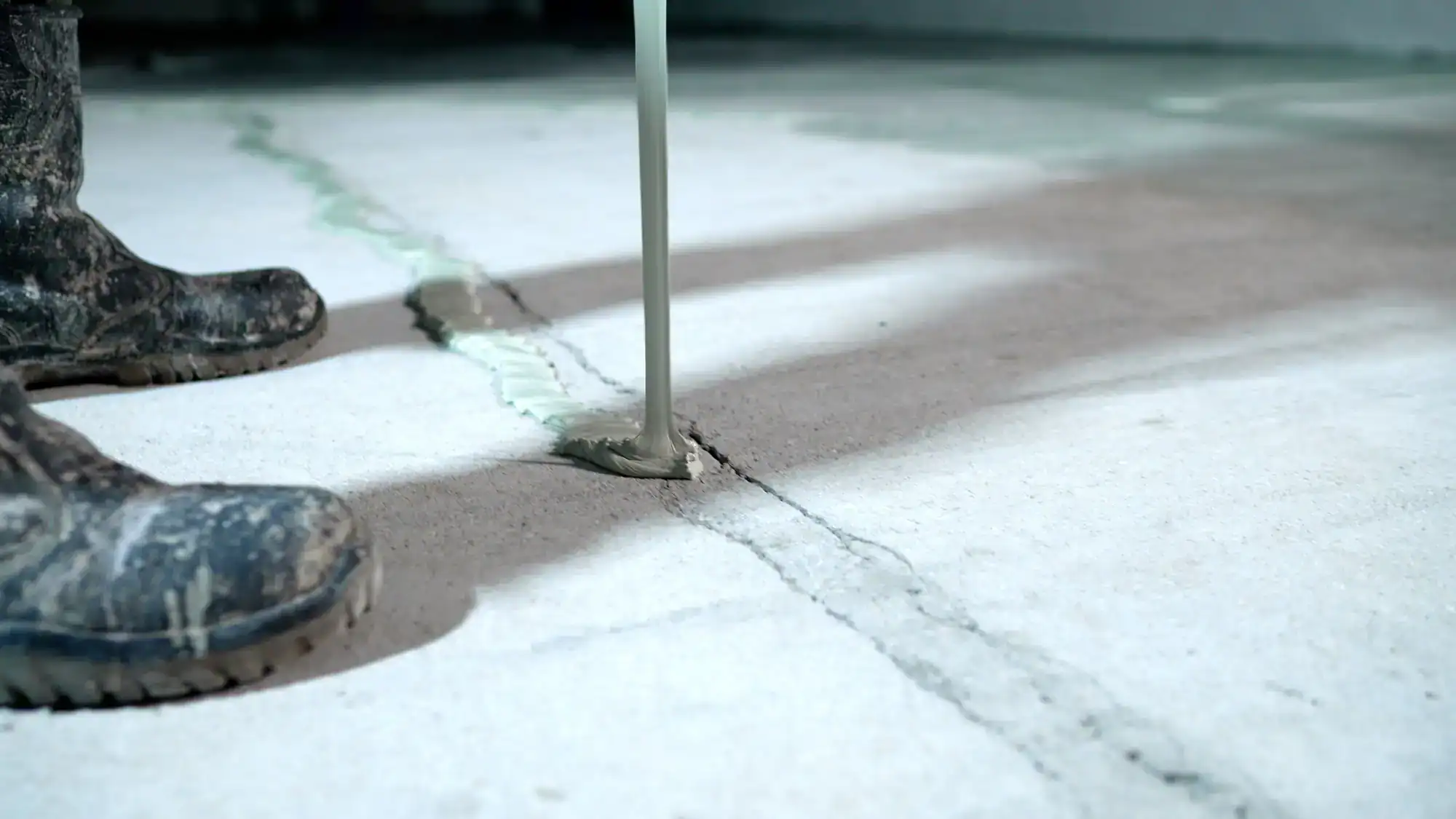

If your basement is still taking on water after a previous waterproofing job, the most likely explanation is that the original work addressed symptoms rather than the source. In Doylestown, the underlying driver is almost always hydrostatic pressure from clay-heavy soil. That clay absorbs water and swells after every rain event, pressing against your foundation walls with sustained force. If the drainage system installed wasn’t designed to relieve that pressure — or if it was undersized for the volume of water your lot collects — it will eventually fail.
There’s also the water table to consider. Bucks County is known for underground springs that shift seasonally, and some Doylestown properties sit over areas where the water table rises significantly after heavy precipitation or snowmelt. A waterproofing system that worked fine for five years can start failing when subsurface conditions change. The fix isn’t always starting over — sometimes it’s adding a secondary drainage layer or upgrading the sump capacity — but it does require an honest assessment of what’s actually happening beneath the slab, not just at the wall surface.
The honest answer is that it depends on what you’re dealing with — but most Doylestown homeowners can expect to spend somewhere between $3,000 and $10,000 for a comprehensive interior waterproofing system, including drainage and sump pump installation. Exterior excavation work, which is more involved and more disruptive, can run higher. Smaller targeted repairs like crack injection or localized sealing will come in lower.
What drives cost in this area specifically is the combination of soil conditions and housing stock. Clay soil means more drainage infrastructure is typically needed to manage the volume of water pressing against the foundation. And in the historic borough, older stone or brick foundations often require more prep work than a standard poured concrete wall. The best way to get a real number is to have someone actually look at your basement — which is why we offer free estimates. You’ll know what the job entails and what it costs before you commit to anything.
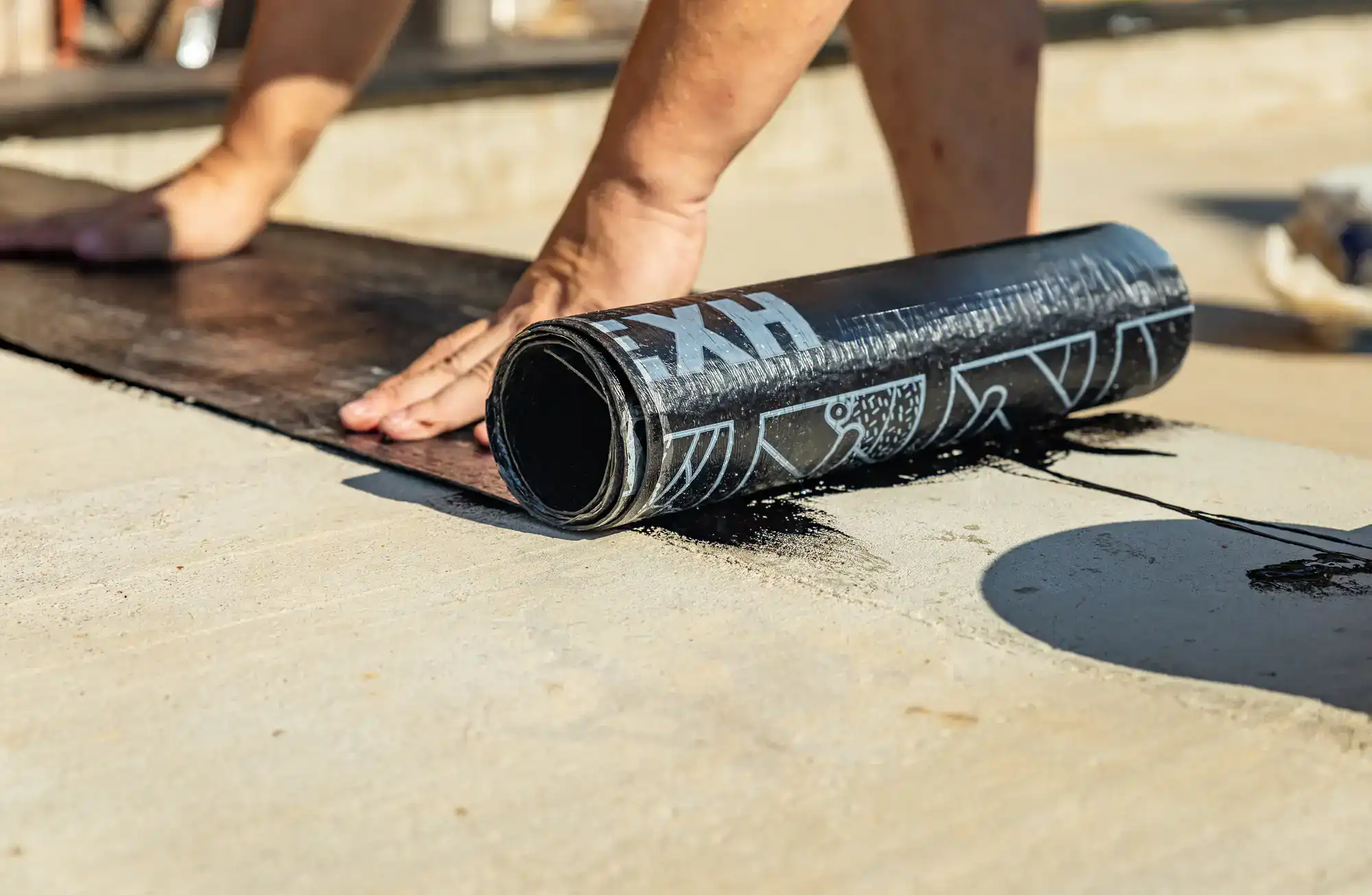
Exterior waterproofing means excavating around the outside of your foundation, applying a waterproof membrane directly to the wall, and installing drainage at the footing level to redirect water before it ever reaches the foundation. It’s the more thorough approach and is generally considered the gold standard for keeping water out permanently. The tradeoff is cost and disruption — it’s a bigger job, especially on a property with mature landscaping or limited access.
Interior waterproofing manages water after it enters the foundation wall, channeling it to a drainage system and sump pump before it reaches your floor. It doesn’t stop water from entering the wall itself, but it does prevent it from flooding your basement. For many Doylestown homeowners — especially those in the historic district where exterior excavation would be extremely disruptive to older masonry and established landscaping — interior systems are the practical and effective choice. The right answer depends on your specific foundation type, the source of the water intrusion, and your budget. A proper assessment will tell you which approach actually makes sense for your situation.
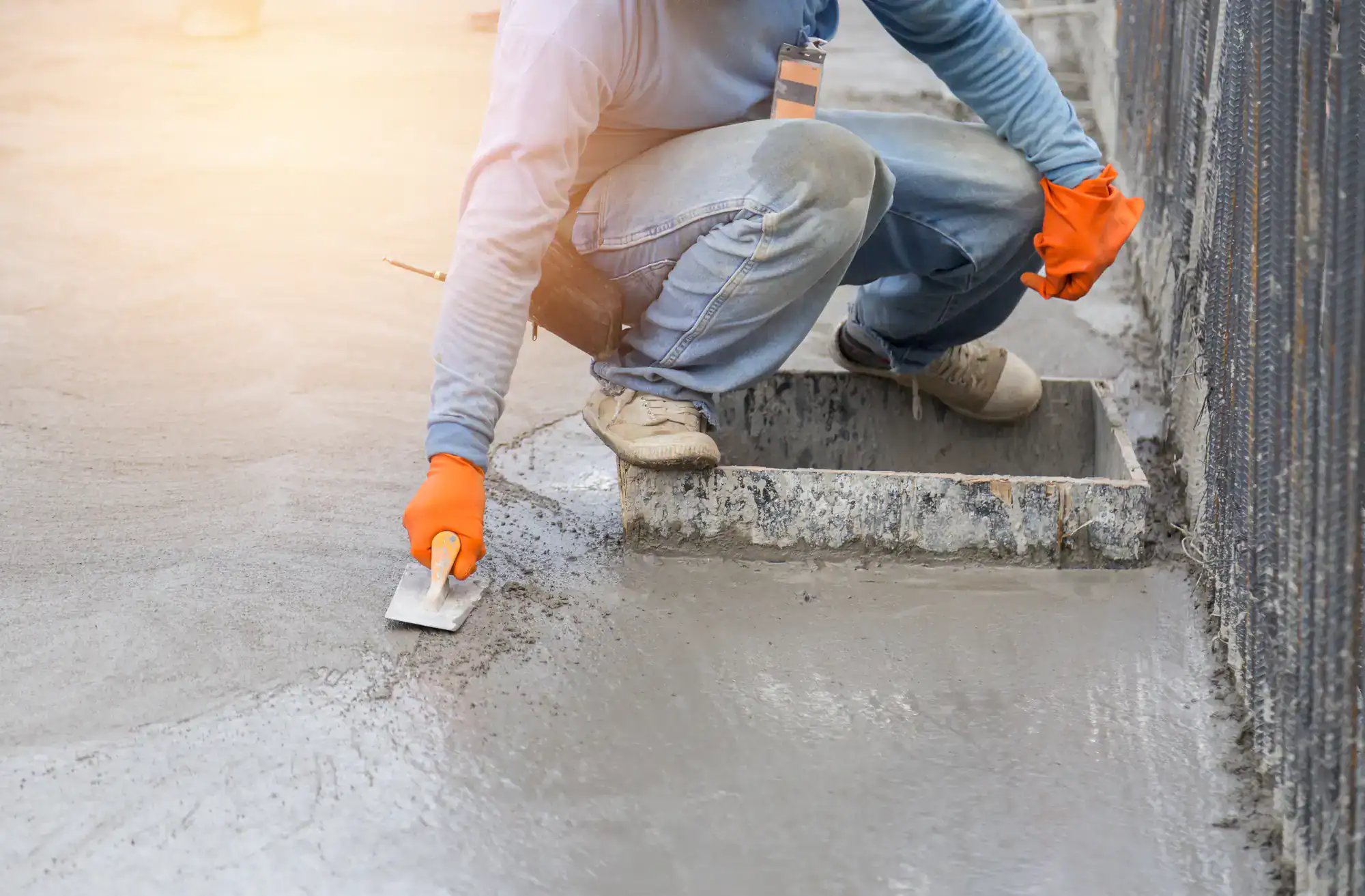
It depends on the scope of the work. Under the Pennsylvania Uniform Construction Code, which both Doylestown Borough and Doylestown Township follow, a building permit is generally required for work that involves structural alterations, new drainage system installation, or egress window modifications. Straightforward crack injection or surface sealing typically doesn’t require a permit. Installing a full interior drainage system with a new sump pit, or doing any exterior excavation work, usually does.
The Borough of Doylestown’s Building and Zoning Department handles permits and inspections, and turnaround times can vary depending on the time of year and the complexity of the project. If your home is in or near the historic district, there may be additional review requirements depending on what’s being altered. We’ll advise you upfront on whether your specific project requires a permit and what that process looks like — we’re not going to hand you a stack of paperwork and wish you luck.
This is one of the most underappreciated causes of foundation damage in this area. From roughly November through March, Doylestown experiences repeated cycles of freezing and thawing. Any water that has seeped into a crack in your foundation wall will freeze, expand, and widen that crack — then thaw, allowing more water in before the next freeze. Over multiple winters, what starts as a hairline crack becomes a gap wide enough to let in meaningful water intrusion.
The problem compounds because most homeowners don’t notice the damage until spring, when the thaw reveals what the winter quietly did. By then, cracks that could have been addressed with a simple injection repair have sometimes grown into structural concerns. The best time to have your foundation assessed is in the fall — before the freeze-thaw cycle starts — so that any existing vulnerabilities can be addressed before another Bucks County winter makes them worse. If you’re already seeing cracks or seepage, don’t wait for spring to call.
Yes — we offer cash discounts on waterproofing work. In a community where most homeowners are making a significant investment in a property they’ve owned for years and plan to keep, being able to save on a job that’s already a meaningful expense is genuinely useful. It’s a straightforward way to reduce your total cost without cutting anything from the actual scope of work.
Doylestown homeowners tend to be thorough — they research contractors, get multiple estimates, and ask the right questions before they commit. That’s exactly the kind of customer we work well with, because the work holds up to scrutiny. The free estimate means you’ll have a clear, itemized picture of what the job involves before any money changes hands, and the cash discount gives you a real way to reduce that number if it works for your situation. Call to ask about current pricing and what the cash discount looks like for your specific project.
Other Services we provide in Doylestown