Hear from Our Customers
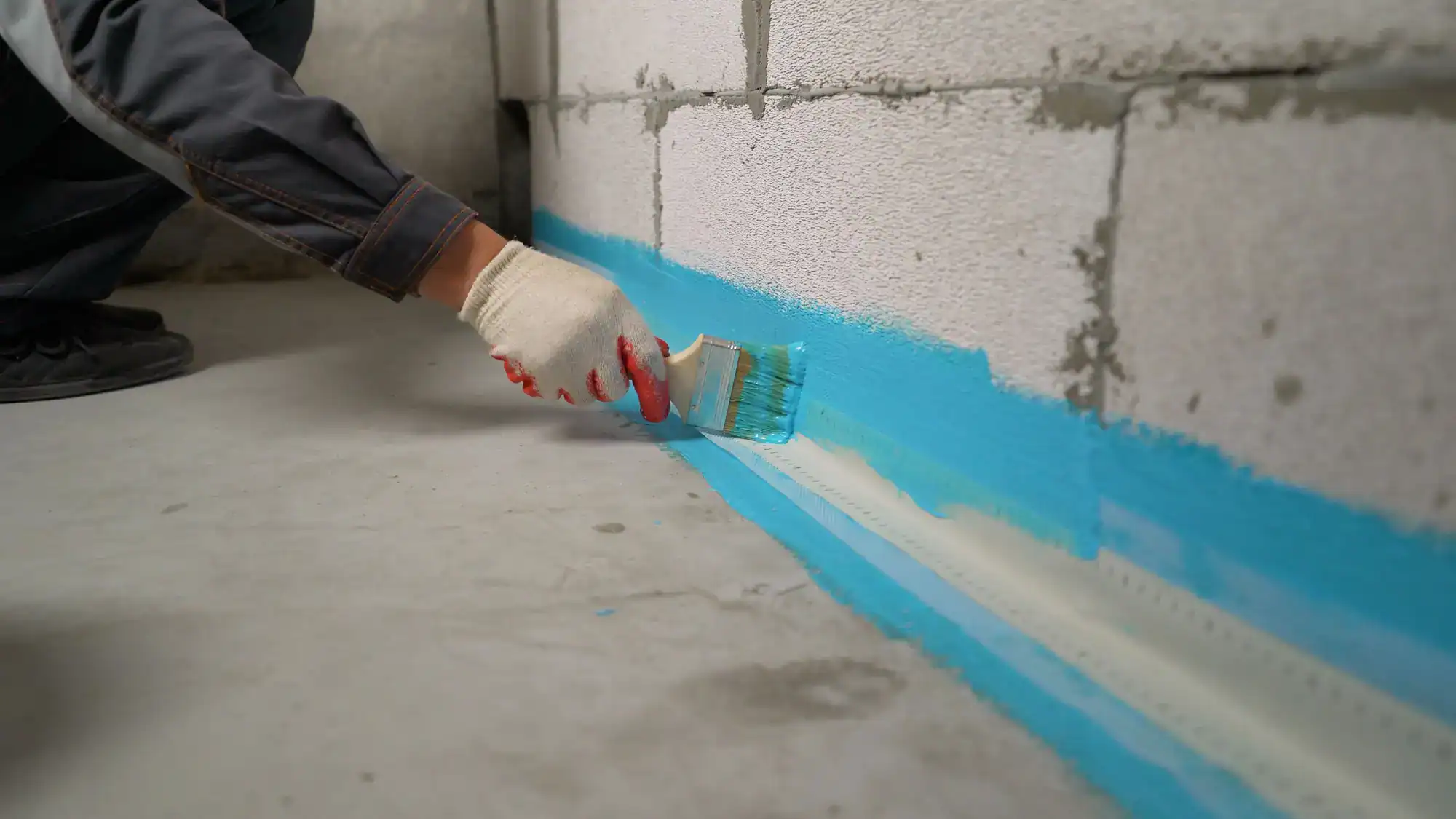
A dry basement in Conshohocken isn’t just about comfort — it’s about protecting a home that’s worth real money in one of Montgomery County’s most in-demand boroughs. Row homes and twin houses along Fayette Street and Hector Street have been here for over a century. They were built well, but they weren’t built with modern waterproofing in mind. When water finds its way in — and in a river valley borough, it will — the damage compounds fast.
The Schuylkill River sits right at your doorstep. The USGS monitors river levels at the Conshohocken station specifically because this bend in the river — the same Conshohocken Curve that every Philadelphia traffic reporter mentions — concentrates water pressure against the soil surrounding your foundation. Even when the river doesn’t flood, the elevated water table pushes against your basement walls constantly. That’s hydrostatic pressure, and it doesn’t take a storm to cause damage.
Once the water is gone and the foundation is properly sealed, you stop managing the problem and start ignoring it. No more dehumidifier running around the clock. No more musty smell creeping upstairs. No more watching the walls every time a nor’easter rolls through. You get usable space back, you protect your investment, and you stop losing sleep over what’s happening one floor below you.
We’ve been working in Conshohocken and throughout Montgomery County for twenty years. That means we’ve seen what the Schuylkill River valley does to foundations over time, what the clay-heavy soils around here do to drainage, and what happens when an older Conshohocken row home goes too long without proper waterproofing attention. We’re not a franchise that recently planted a flag in your ZIP code. We know this area because we’ve worked in it for two decades.
What separates us from the other names you’ll find targeting Conshohocken is the scope of what we handle. We’re a full-service environmental hazard company — basement waterproofing, mold remediation, testing, demolition — all under one roof. If your wet basement has already led to mold growth, you don’t need to coordinate two separate contractors. We handle it. We’re fully licensed, bonded, and insured, EPA/HUD compliant, and certified as lead inspectors and risk assessors — which matters in a borough where a significant portion of the housing stock predates 1978.
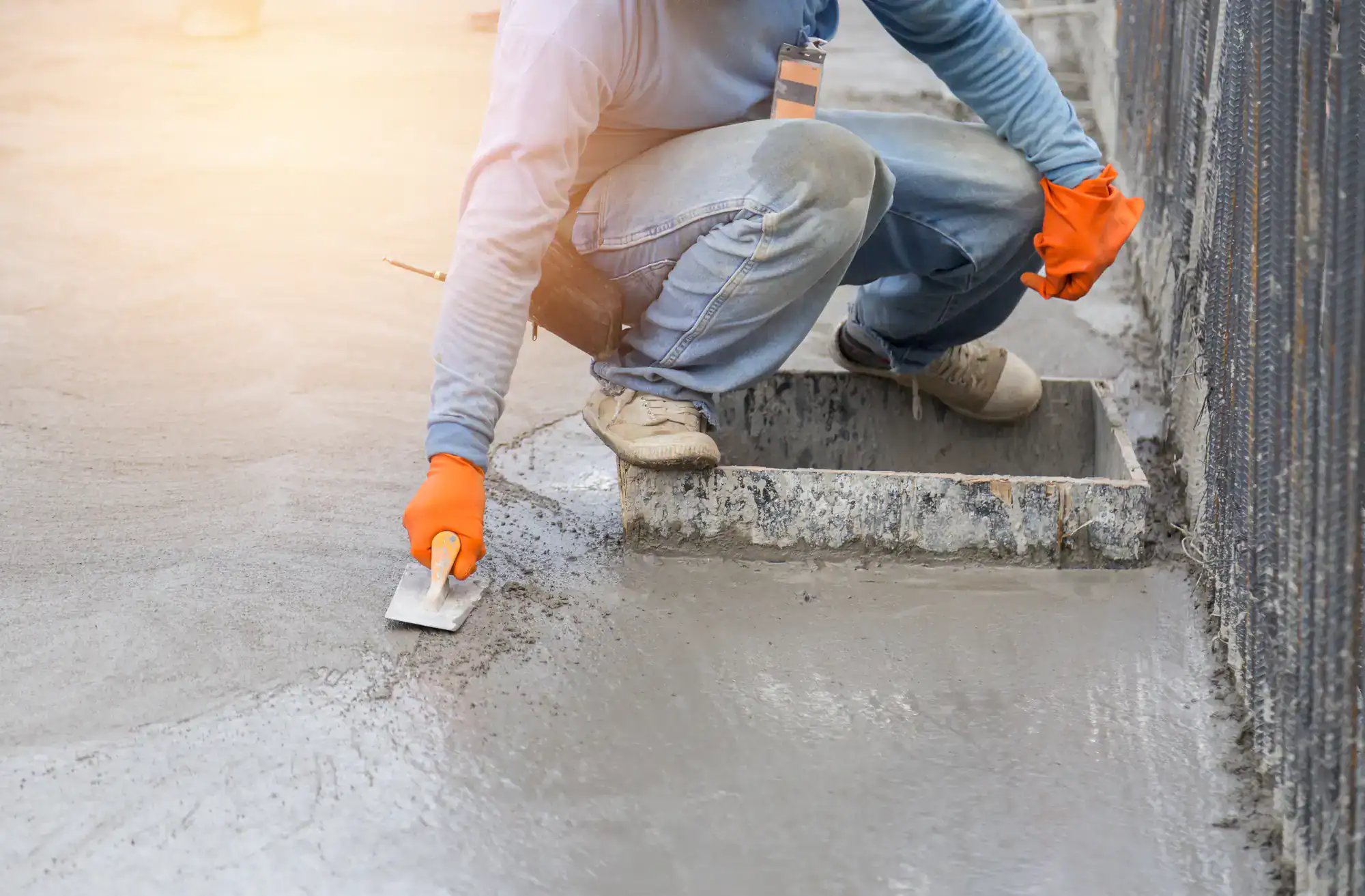
It starts with a free estimate. We come out, look at your specific situation — the foundation type, where the water is entering, what the surrounding soil and drainage conditions look like — and give you a clear picture of what’s going on and what it will take to fix it. In Conshohocken, that assessment always accounts for your position in the river valley. A home near Spring Mill sitting close to the Schuylkill has different exposure than one higher up on the ridge, and we diagnose accordingly.
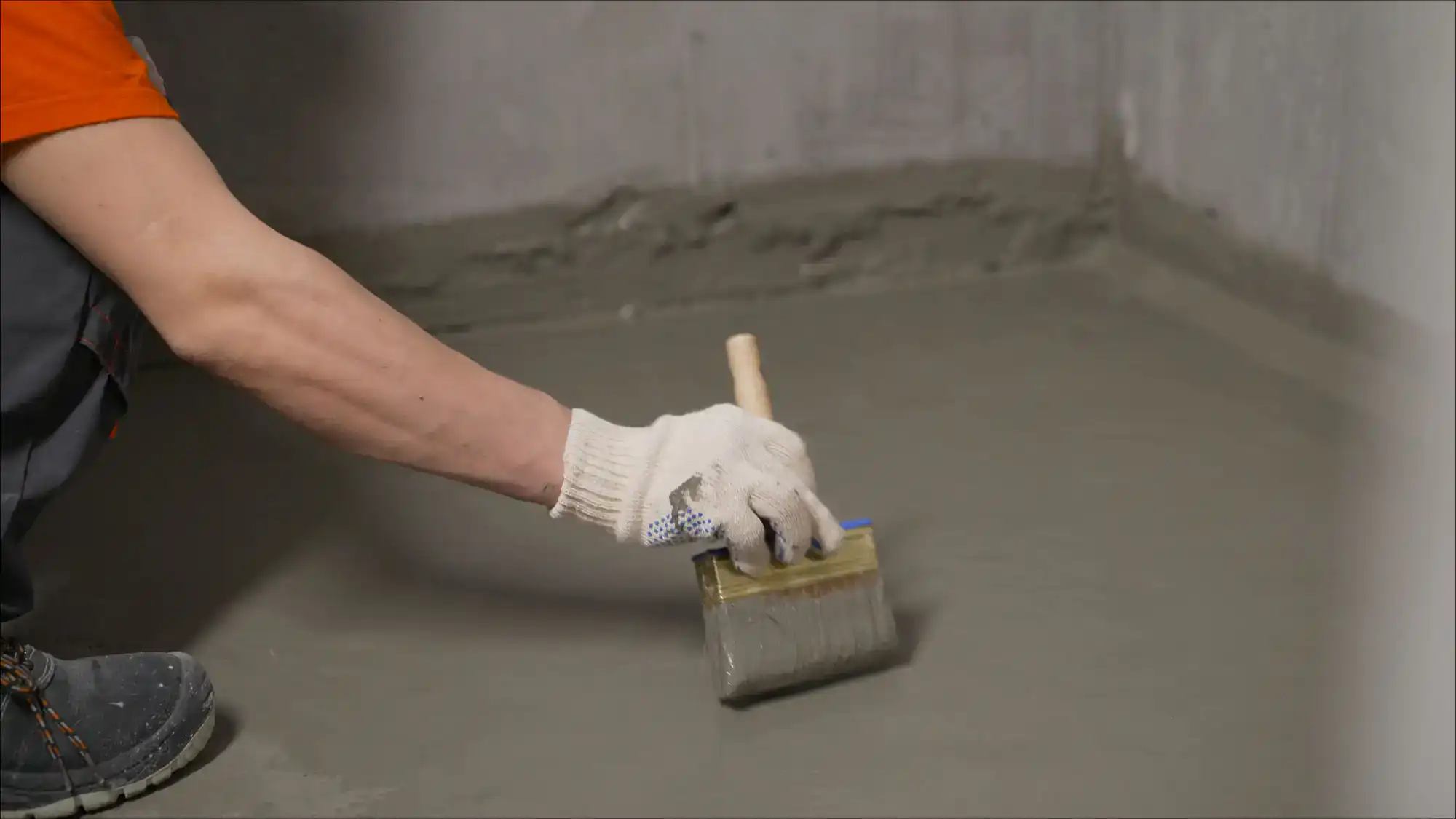
From there, the approach depends on what your basement actually needs. Interior drainage systems — French drains, sump pump installation, interior membrane systems — address water that’s already getting in and redirect it safely out. Exterior waterproofing involves excavating around the foundation, applying a waterproof membrane, and correcting drainage at the source. Crack injection repair seals the specific entry points that are letting water through. Most Conshohocken homes with older stone or early concrete foundations need a combination of these methods. We’ll tell you exactly which ones apply to your home and why.
If significant work is involved, we’ll walk you through the permit requirements with Conshohocken Borough’s Licenses and Inspections department. We’re used to navigating that process, and we handle it so you don’t have to figure it out on your own. Once the work is done, you’ll know what was done, why, and what to watch for going forward.
Ready to get started?
Basement waterproofing in Conshohocken isn’t a one-size solution. The borough’s position on the Schuylkill, its older housing stock, and Montgomery County’s EPA Radon Zone 1 designation — the highest-risk category — all factor into what a complete job actually looks like here. Water infiltration and radon often enter through the same foundation cracks. When we seal your foundation, we’re addressing both risks at once, which is something a waterproofing-only contractor simply can’t offer.
Every job includes a thorough assessment of how and where water is entering, followed by the appropriate combination of interior drainage, exterior membrane application, crack injection, or sump pump installation based on what your home specifically needs. If water intrusion has already created mold conditions — which is common in Conshohocken’s older attached homes where moisture has had years to accumulate — we handle that too. We use HEPA filtration systems during remediation to make sure the process doesn’t spread contaminants through your living space.
We offer free estimates with transparent pricing, cash discounts, and 24/7 phone availability for emergency situations. The Schuylkill doesn’t flood on a schedule, and neither do the intense summer thunderstorms that hit this river valley. If you’re dealing with an active water event, you can reach a real person at any hour — not a voicemail. That’s a straightforward commitment, and it matters when the water is rising.

The short answer is geography. Conshohocken sits in the Schuylkill River valley, and that position affects everything below ground. The USGS actively monitors river levels at the Conshohocken station specifically because this stretch of the river — the Conshohocken Curve — is a known pressure point. When the river rises, the water table throughout the borough rises with it. Even when there’s no flooding event, that elevated water table is constantly pushing against your foundation walls and floor. That’s called hydrostatic pressure, and it’s the primary driver of basement water intrusion in Conshohocken.
The geology compounds the problem. The underlying soils in this part of Montgomery County are clay-heavy, which means they drain poorly. When it rains — and southeastern Pennsylvania averages around 46 inches of rain per year — that clay saturates quickly and holds water against your foundation for days. Add in the fact that a large portion of Conshohocken’s housing stock was built between the 1880s and 1930s, before modern waterproofing materials existed, and you have the full picture. These are old foundations under constant pressure from soil that doesn’t drain well, in a river valley that keeps the water table elevated year-round.
Interior waterproofing manages water that’s already entering your basement — it doesn’t stop water at the source, but it redirects it safely before it can cause damage. This typically involves installing a French drain system along the interior perimeter of your basement floor, routing water to a sump pump that removes it from the home. Interior systems are effective, less invasive, and generally less expensive than exterior work. For many Conshohocken homeowners dealing with chronic seepage through walls or floor joints, an interior system is the right long-term fix.
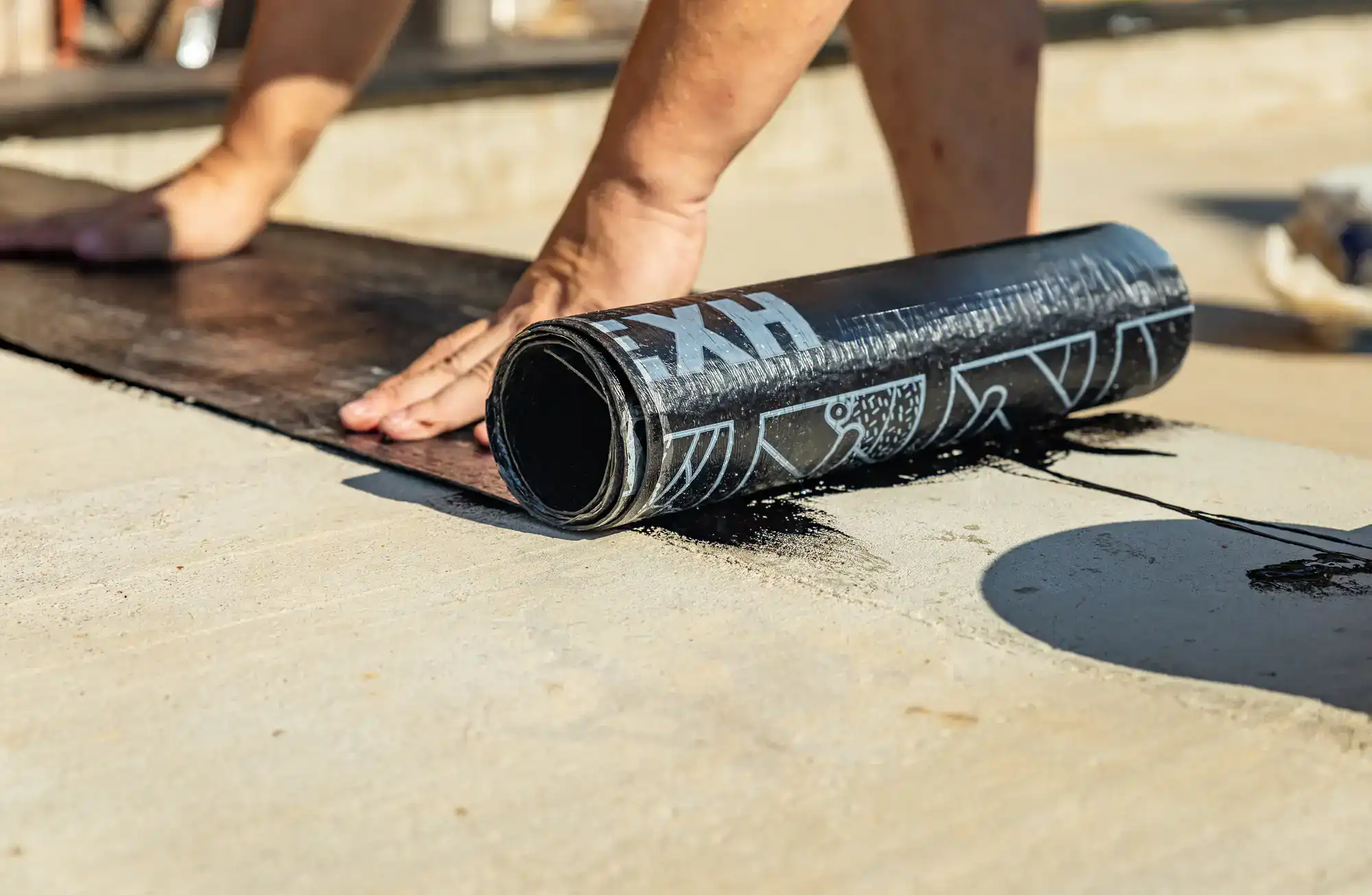
Exterior waterproofing goes to the source. It involves excavating the soil around your foundation, applying a waterproof membrane directly to the exterior wall surface, and improving the drainage gradient so water moves away from the foundation rather than toward it. This is a more involved process and typically costs more, but it addresses the root cause rather than managing the symptom. For homes with severe hydrostatic pressure — which is a real concern in Conshohocken’s lower-lying areas near the river — exterior waterproofing may be the more durable solution. In practice, many older Conshohocken foundations benefit from a combination of both methods, and a proper assessment will tell you exactly what your specific home needs.
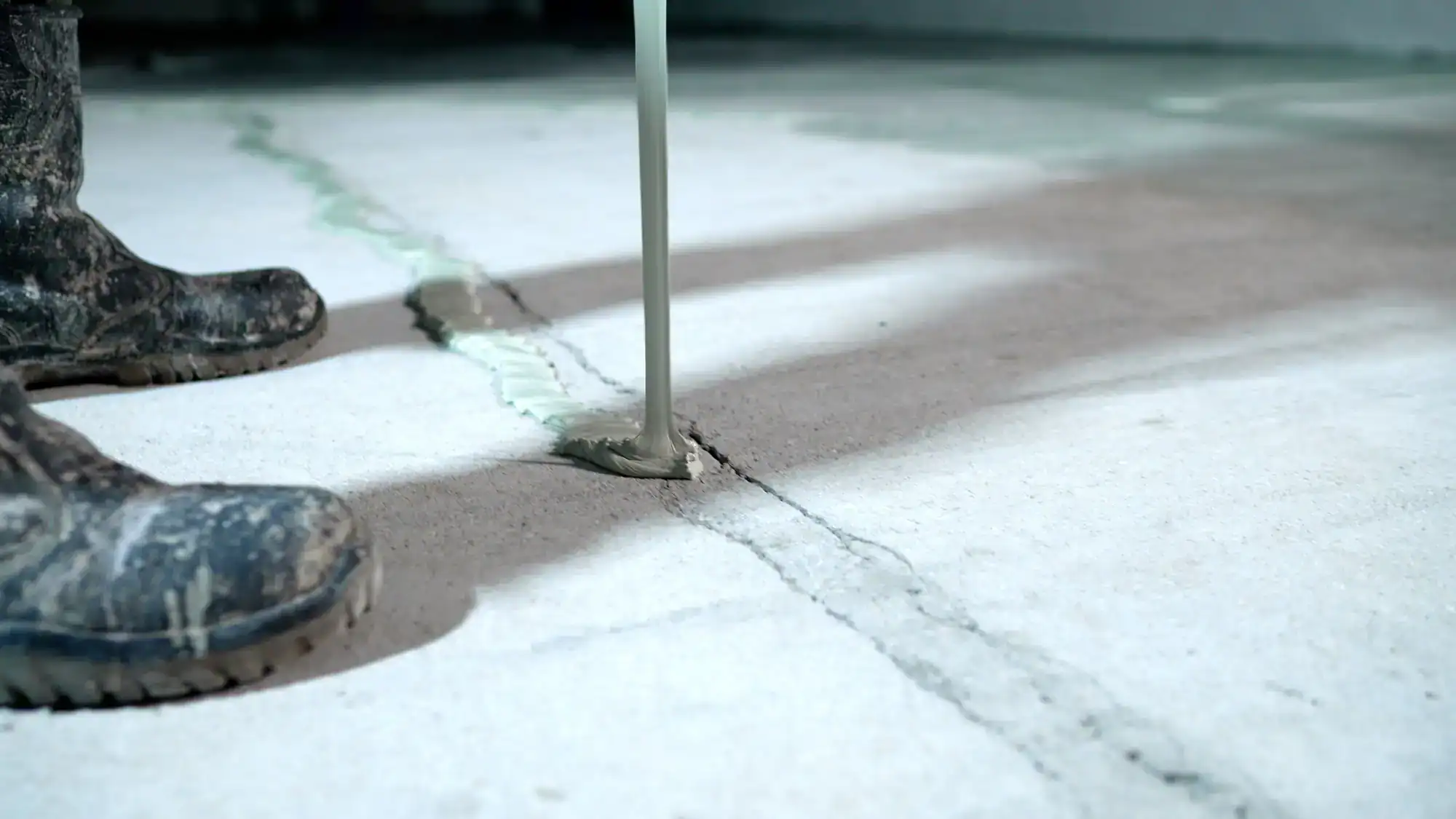
The honest answer is that it depends on what your basement actually needs, and any contractor who gives you a firm number before seeing your home is guessing. That said, here’s a realistic range: interior drainage system installations for a typical Conshohocken row home or twin house generally run between $3,000 and $8,000 depending on the size of the space and the complexity of the drainage layout. Exterior waterproofing, which involves excavation, typically starts around $8,000 and can go higher depending on foundation depth and accessibility. Crack injection repairs for isolated entry points are usually the least expensive option, often in the $500 to $1,500 range per crack.
In Conshohocken specifically, the age of the housing stock is a factor. Homes built in the late 1800s or early 1900s sometimes have stone or rubble foundations that require more preparation work than poured concrete. That can affect the final cost. The best way to get a real number is to have someone walk through your basement and give you an honest assessment. We offer free estimates with no obligation, and we’ll tell you exactly what’s driving the water in and what it will realistically take to fix it — including cash discount options that can reduce your total cost.
Yes, and this connection is one that most waterproofing-only contractors don’t address. Montgomery County — which includes Conshohocken — is classified by the EPA as a Radon Zone 1 county, the highest-risk category, with predicted average indoor radon screening levels above 4 pCi/L. Radon is a naturally occurring radioactive gas that enters homes through the same pathways as water: cracks in the foundation, gaps around service pipes, and porous concrete or stone. Between 10 and 40 percent of homes in this area may have elevated radon levels.
When you seal foundation cracks as part of a waterproofing job, you’re also closing the primary entry points for radon. That’s a meaningful secondary benefit that most homeowners don’t think about until after the fact. We’re a full-service environmental hazard company, which means we can assess both risks — water intrusion and radon — as part of a single evaluation. If your basement has active water infiltration, it’s worth asking about radon testing at the same time. Addressing both issues together is more efficient and more thorough than treating them separately, and it gives you a complete picture of what’s actually happening in your foundation.
There are a few signs that push something from “keep an eye on it” to “deal with this now.” Active standing water after rain is the obvious one — if water is pooling on your basement floor, that’s not a monitoring situation. Visible white mineral deposits on your foundation walls (called efflorescence) mean water has been moving through the concrete or block for a while and is leaving minerals behind as it evaporates. That’s a sign of ongoing infiltration, not a one-time event. Mold growth — visible or just a persistent musty smell — means moisture has been present long enough to create a secondary problem that will only get worse.
In Conshohocken, the timing of when you discover the problem also matters. Spring is typically the highest-risk season in this region — snowmelt combined with spring rain saturates the clay soils quickly, and the Schuylkill River’s water table is at its highest. If you’re seeing early signs of water intrusion heading into spring, waiting until summer means you’re likely to see the problem get significantly worse before it gets better. Getting a free assessment done now gives you a clear picture of what you’re dealing with and what it will cost to fix it, without any commitment attached.
It’s worth asking about directly. When customers pay in cash, it eliminates processing fees and administrative overhead on our end, and we pass that savings back to you as a straightforward discount on the job. It’s a practical arrangement that works for both sides, and for a project that might run several thousand dollars, the difference is real — not symbolic.
For Conshohocken homeowners weighing multiple estimates from the several waterproofing companies that target this borough, the cash discount can be a meaningful factor in the overall value comparison. It doesn’t change the scope of work, the quality of materials, or the credentials behind the job — it just reduces what you pay out of pocket. If you’re planning to pay cash anyway, mention it when you call for your free estimate and we’ll factor it in from the start. There’s no complicated process involved; it’s a straightforward option we offer because it makes sense for customers who prefer it.
Other Services we provide in Conshohocken