Hear from Our Customers
Worcester is the kind of township where the homes have history. That’s part of the appeal — the farmhouses off Morris Road, the colonials tucked behind mature trees along Skippack Pike, the mid-century properties that have been in families for decades. But that history comes with a reality: a significant share of the housing stock here was built before 1980, when asbestos was a standard ingredient in floor tiles, pipe insulation, ceiling materials, boiler wrap, and more. When those materials are intact, the risk is manageable. When they’re disturbed — during a renovation, an HVAC replacement, or even a contractor opening the wrong wall — the situation changes fast.
Proper asbestos abatement means the material is identified, contained, removed by a PA DL&I-licensed crew using HEPA filtration and negative air pressure, and disposed of through a certified hazardous waste facility with full chain-of-custody documentation. What you’re left with is a home you can renovate, sell, or simply live in without that question hanging over it. For a Worcester property in the $600,000–$1.3 million range, that documentation also matters at closing — buyers and their inspectors will ask, and having a licensed abatement report answers the question before it becomes a negotiation.
The other thing that changes is the renovation itself. Contractors cannot legally proceed with demolition or structural work in a pre-1980 building until asbestos is cleared. Getting the inspection and abatement done first means your project doesn’t stall mid-demo because someone found something unexpected under the subfloor.
We’ve been doing this work across Montgomery County for two decades. Worcester Township sits right in the core of our service area — not a stretch, not an outlier. The Route 73 and Route 363 corridors are familiar ground, and so are the older farmhouses, mid-century colonials, and historic properties that define this township’s character.
We’re fully licensed under Pennsylvania’s Department of Labor and Industry, EPA/HUD compliant, and we carry a Certified Lead Inspector and Risk Assessor on staff — which matters more than it sounds, because homes built before 1978 in Worcester frequently have both asbestos and lead paint in the same structure. One contractor, both problems handled, one set of documentation.
We also offer something most environmental contractors don’t: 24/7 phone availability and emergency response. When a Worcester homeowner’s heating contractor discovers suspicious boiler insulation on a January evening and can’t proceed, we’re the call that moves things forward. Free estimates, cash discounts, and no pressure — just straight answers about what you’re dealing with and what it takes to fix it.
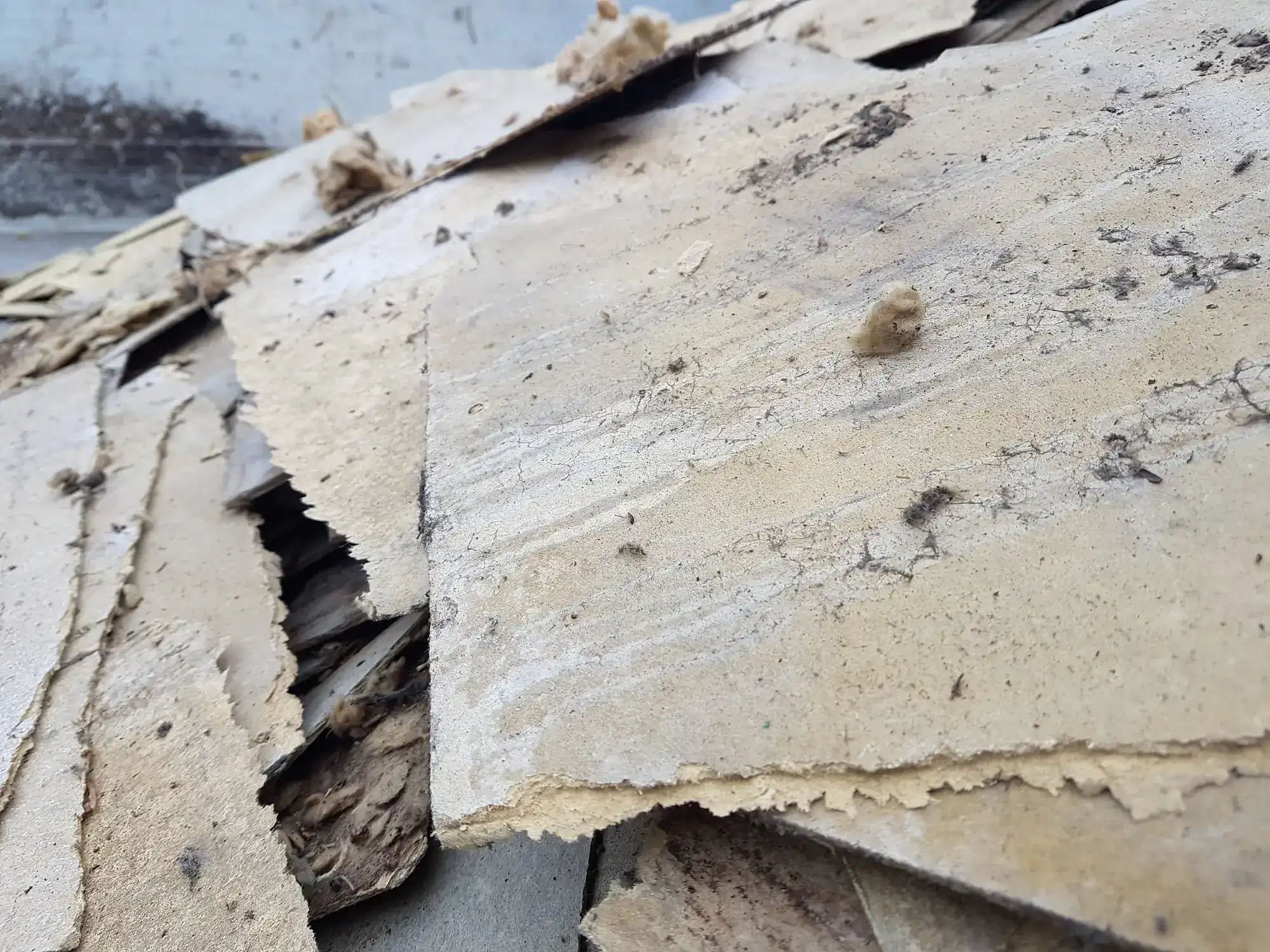
It starts with testing. You cannot identify asbestos by looking at it — that’s not an opinion, it’s a fact. Samples are collected from the suspected materials and sent to an accredited lab. Results typically come back within a few days, and from there you have a clear picture of what you’re working with and where it is.
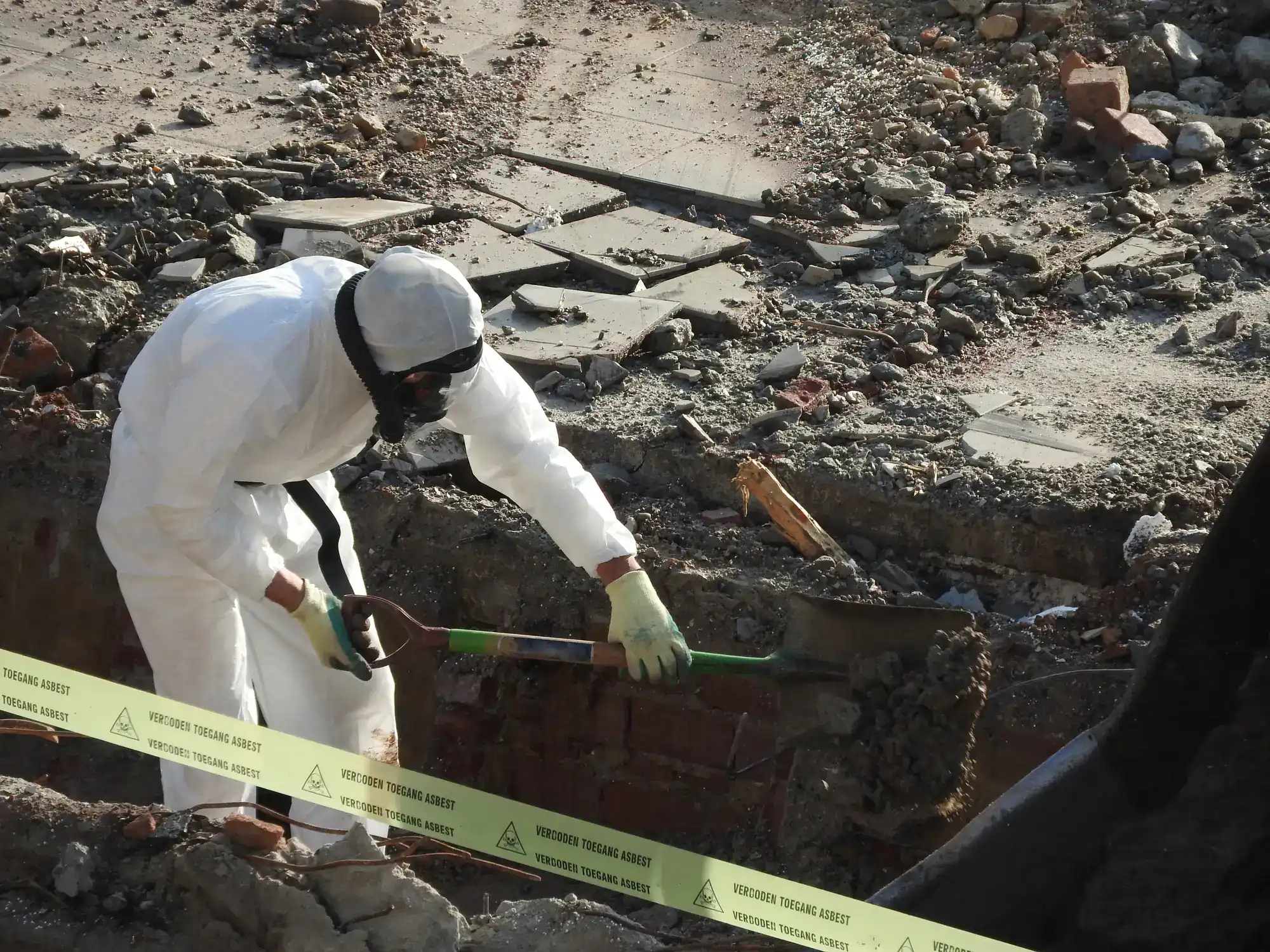
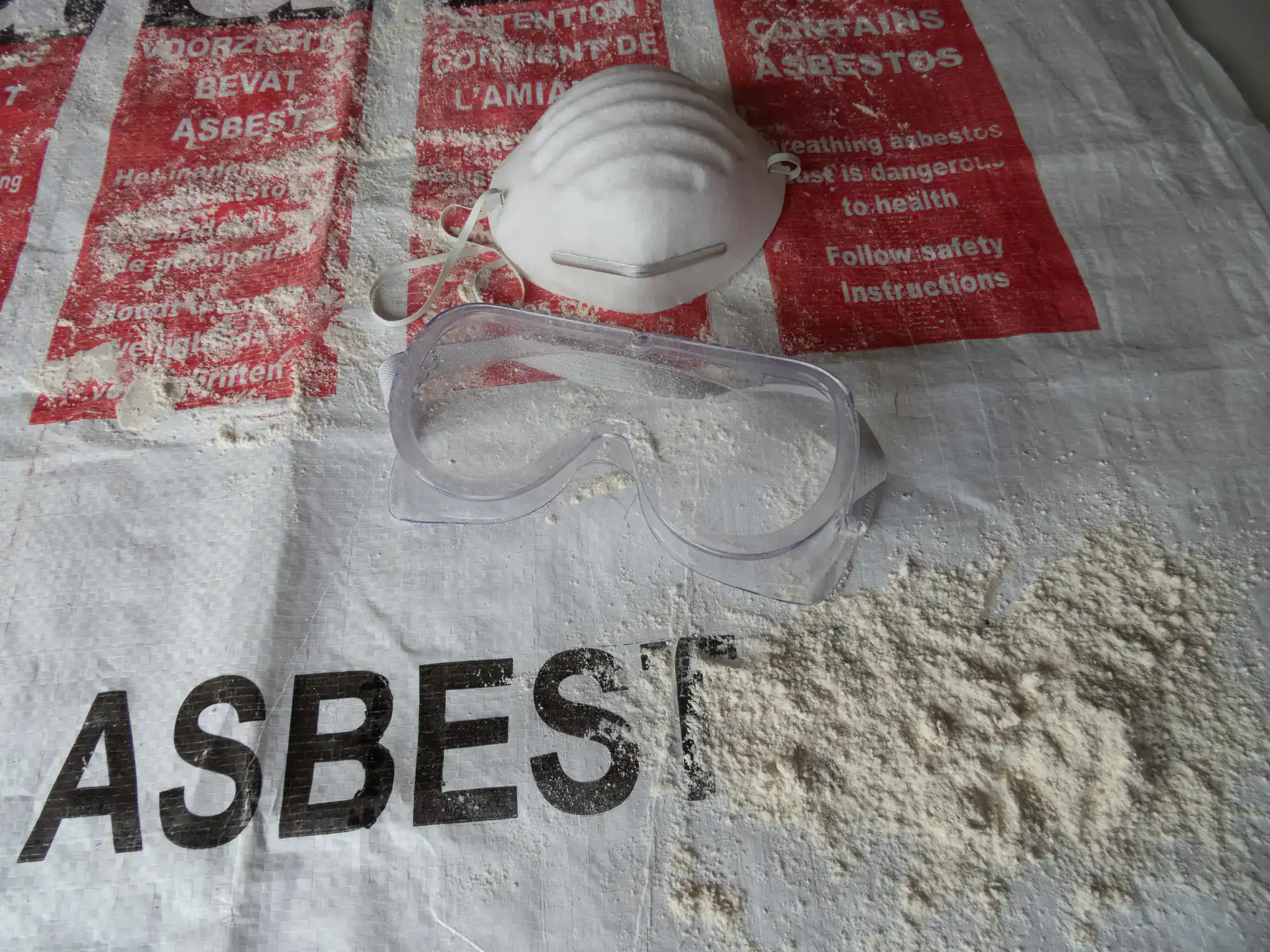
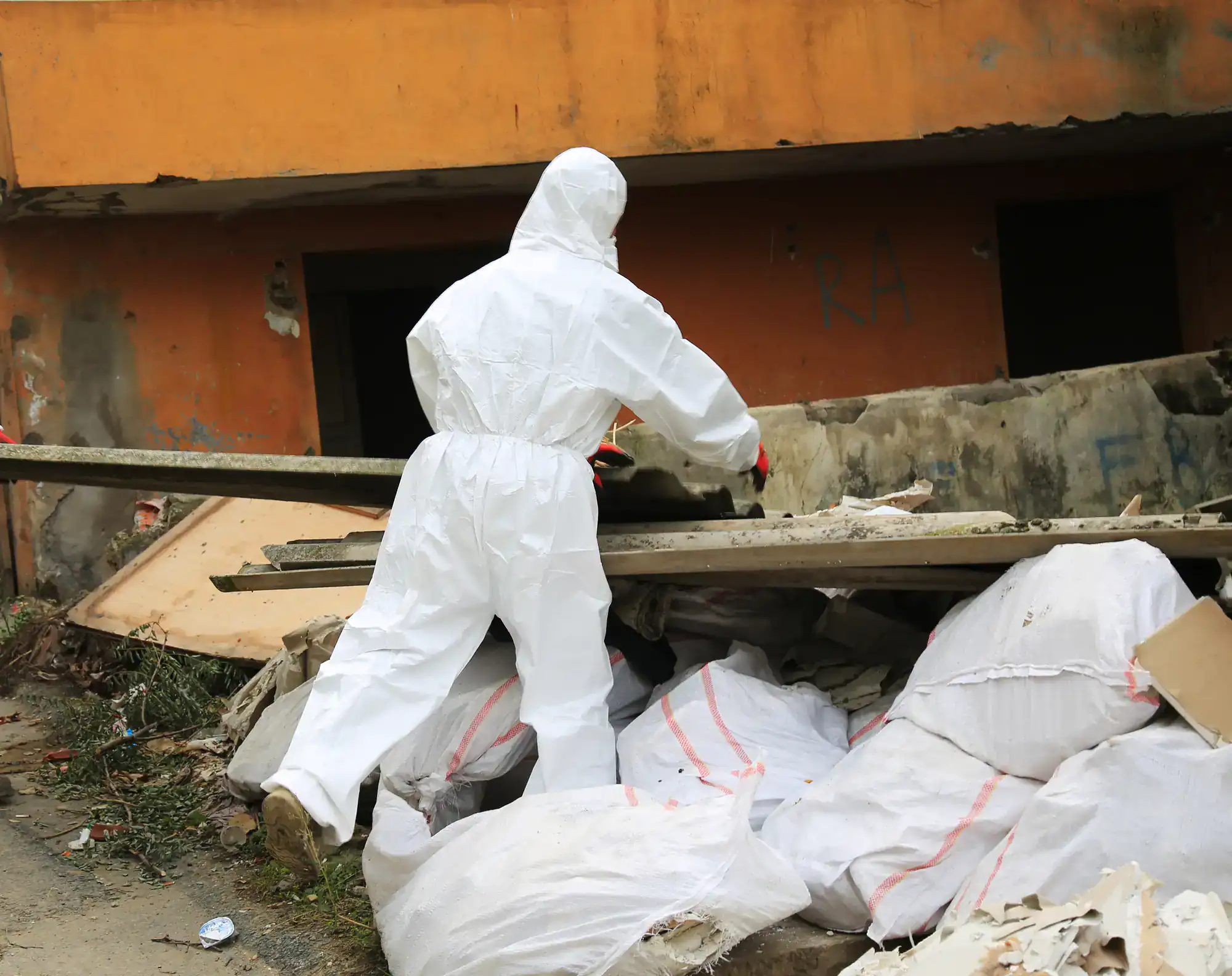
If abatement is needed, the work area gets sealed off with plastic sheeting and set up under negative air pressure — meaning air flows into the contained zone, not out of it, so fibers can’t migrate into the rest of your home. HEPA filtration units run throughout the job. Our crew works in full protective equipment, and all removed material is bagged, labeled, and transported to a licensed hazardous waste disposal facility. Pennsylvania requires a minimum five-day advance notification to the DL&I for friable asbestos removal exceeding three square or linear feet — that filing is handled by us, not something you need to manage yourself.
After the work is done, air clearance testing confirms the space is clean before containment comes down. You get written documentation of the entire process — the lab results, the removal records, the disposal receipts. For Worcester homeowners navigating a renovation permit or a real estate transaction, that paper trail is exactly what township building departments and buyers’ attorneys want to see.
Ready to get started?
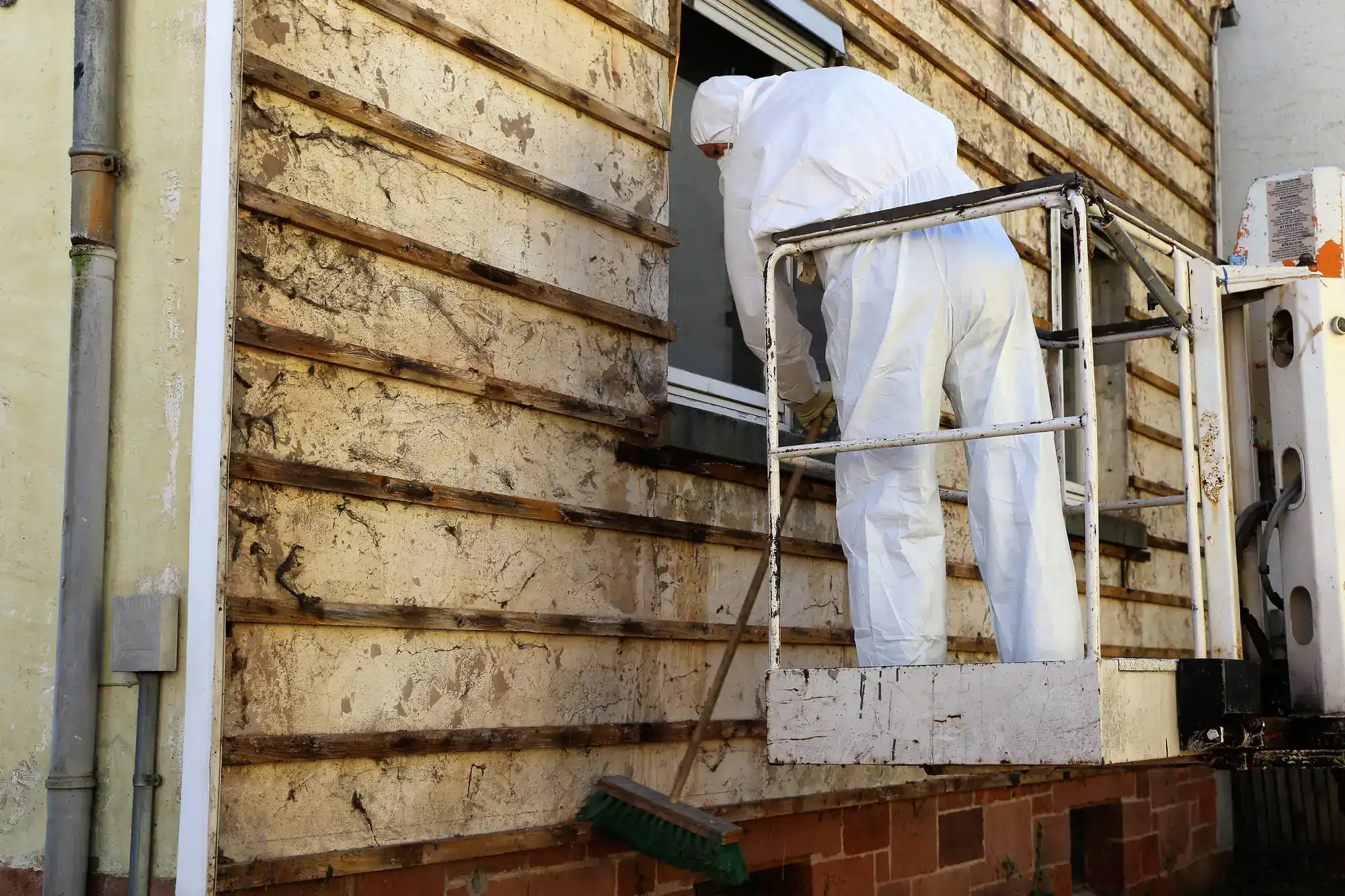
Asbestos shows up in more places than most people expect. In Worcester’s older housing stock — especially the farmhouses and mid-century colonials common throughout the township — it can be in the floor tiles, the ceiling tiles, the textured plaster, the pipe wrap around a steam boiler, the duct insulation, the roofing shingles, or the exterior transite siding. If your home has vermiculite in the attic, that’s a separate concern worth testing: most vermiculite installed before 1990 came from a mine in Libby, Montana that was contaminated with tremolite asbestos, one of the more hazardous fiber types.
We handle the full scope: asbestos inspection, bulk sampling and lab testing, abatement, and final air clearance. The reason a lot of Worcester homeowners call us once and don’t need to call anyone else is our broader service menu. Lead inspection and removal, mold sampling and remediation, demolition and gut-out, waterproofing, environmental clean-outs, furnace and boiler removal, duct cleaning, oil tank removal — it’s all under one roof. Montgomery County does not accept asbestos at its Household Hazardous Waste events, and standard waste facilities won’t take it either. Disposal requires a licensed hazardous waste facility, and we manage that chain of custody from removal through final receipt.
If you’re in Oak Ridge, near the Enclave at Worcester, or anywhere along the Morris Road corridor, the process is the same: one call, free estimate, and a clear answer about what you’re dealing with before any commitment is made.

The honest answer is that you can’t tell by looking. Asbestos fibers are microscopic, and the materials that contain them — floor tiles, pipe wrap, ceiling texture, insulation — look completely ordinary. Age is the most useful indicator: if your Worcester home was built before 1980, there’s a real possibility that some of its original building materials contain asbestos. That’s not a reason to panic, but it is a reason to test before you renovate, demo, or disturb anything.
The only way to confirm asbestos is through bulk sampling and lab analysis. A licensed inspector collects small samples from the suspected materials — carefully, without spreading fibers — and sends them to an accredited lab. Results are typically back within a few days. From there, you know exactly what you have, where it is, and whether it needs to be removed or can be safely managed in place. That information is worth having before a contractor opens your walls.
It depends on the scope and location of the work. For smaller, contained jobs — a section of pipe wrap in a utility room, floor tiles in one area of a basement — the work zone is sealed off with plastic sheeting and run under negative air pressure. That containment is designed to keep fibers out of the rest of the house, and many Worcester homeowners stay in unaffected areas of the property without issue.
For larger jobs — full floor removal across multiple rooms, attic insulation, or anything involving the HVAC system — vacating for the duration of the work is the safer and more practical choice. Our crew will walk you through the specific scope before work begins so you know exactly what to expect. There’s no guessing and no vague answers. If you need to be out, you’ll know that upfront, not after the crew shows up.
Stop the work. That’s the short answer. Pennsylvania law requires that asbestos abatement be completed by a DL&I-licensed contractor before renovation or demolition can continue in an affected area. If a contractor discovers suspicious material mid-project — under old flooring, behind a wall, around a boiler — the right move is to halt work in that area, avoid disturbing the material further, and call a licensed abatement contractor.
This scenario is more common than people expect in Worcester, particularly in the older farmhouses and mid-century colonials throughout the township. A kitchen remodel hits old floor tiles. A bathroom gut-out exposes pipe insulation. An HVAC replacement uncovers boiler wrap. None of these are project-ending situations — they’re a pause and a phone call. We offer emergency response and 24/7 availability specifically because these discoveries don’t happen on a schedule. The sooner the material is assessed and cleared, the sooner your renovation moves forward.
Yes, and it’s worth taking seriously. Vermiculite was a popular attic insulation material from roughly the 1950s through the late 1980s — lightweight, easy to pour in, and widely used in exactly the kind of mid-century construction common in Worcester Township. The problem is that the vast majority of vermiculite sold in the US during that period came from a mine in Libby, Montana that was contaminated with tremolite asbestos, a particularly hazardous fiber type.
If your Worcester home has gray or silver-brown granular insulation in the attic that looks like small pebbles or pellets, don’t disturb it. Don’t rake it, don’t add new insulation on top of it without testing, and don’t let a general contractor work up there without a clearance first. We can collect samples for lab analysis and give you a definitive answer. If it tests positive, removal is handled under full containment protocol — the same HEPA filtration and negative air pressure setup used for any other asbestos abatement job.
The cost depends on what you have, how much of it there is, and where it’s located. A small contained job — pipe wrap around a single boiler, floor tiles in one room — is going to run significantly less than a whole-house floor removal or an attic full of vermiculite insulation. There’s no flat rate that applies to every situation, and any contractor quoting you a firm number before seeing the property or reviewing lab results is guessing.
What we offer is a free estimate — no cost, no commitment, no pressure. You get a real number for your specific property before any work begins. For Worcester homeowners, where properties routinely fall in the $600,000–$1.3 million range, the cost of proper licensed abatement is almost always a fraction of what improper removal or deferred action ends up costing — especially when it affects a real estate transaction or requires remediation after the fact. Cash discounts are also available, which is genuinely uncommon in this market.
Worcester Township’s building permit process — governed under Chapter 51 — applies to construction and renovation work, and any project in a pre-1980 structure should have asbestos cleared before permits are pulled and demolition begins. The asbestos abatement itself is regulated at the state level, not the township level: Pennsylvania’s Department of Labor and Industry requires a minimum five-day advance notification for any friable asbestos removal exceeding three square or linear feet, and that notification is filed by the licensed abatement contractor, not the homeowner.
For projects that also fall under EPA NESHAP — typically larger commercial or multi-unit jobs — a ten-working-day advance notice to the PA DEP is required. For standard residential work in Worcester, the DL&I notification is what applies. We handle all required filings as part of the job, so you’re not navigating regulatory paperwork on your own. The practical takeaway: get the inspection done before you pull renovation permits, and make sure whoever is doing the abatement is licensed to file the required notifications. An unlicensed contractor cannot legally do either.
Other Services we provide in Worcester