Hear from Our Customers
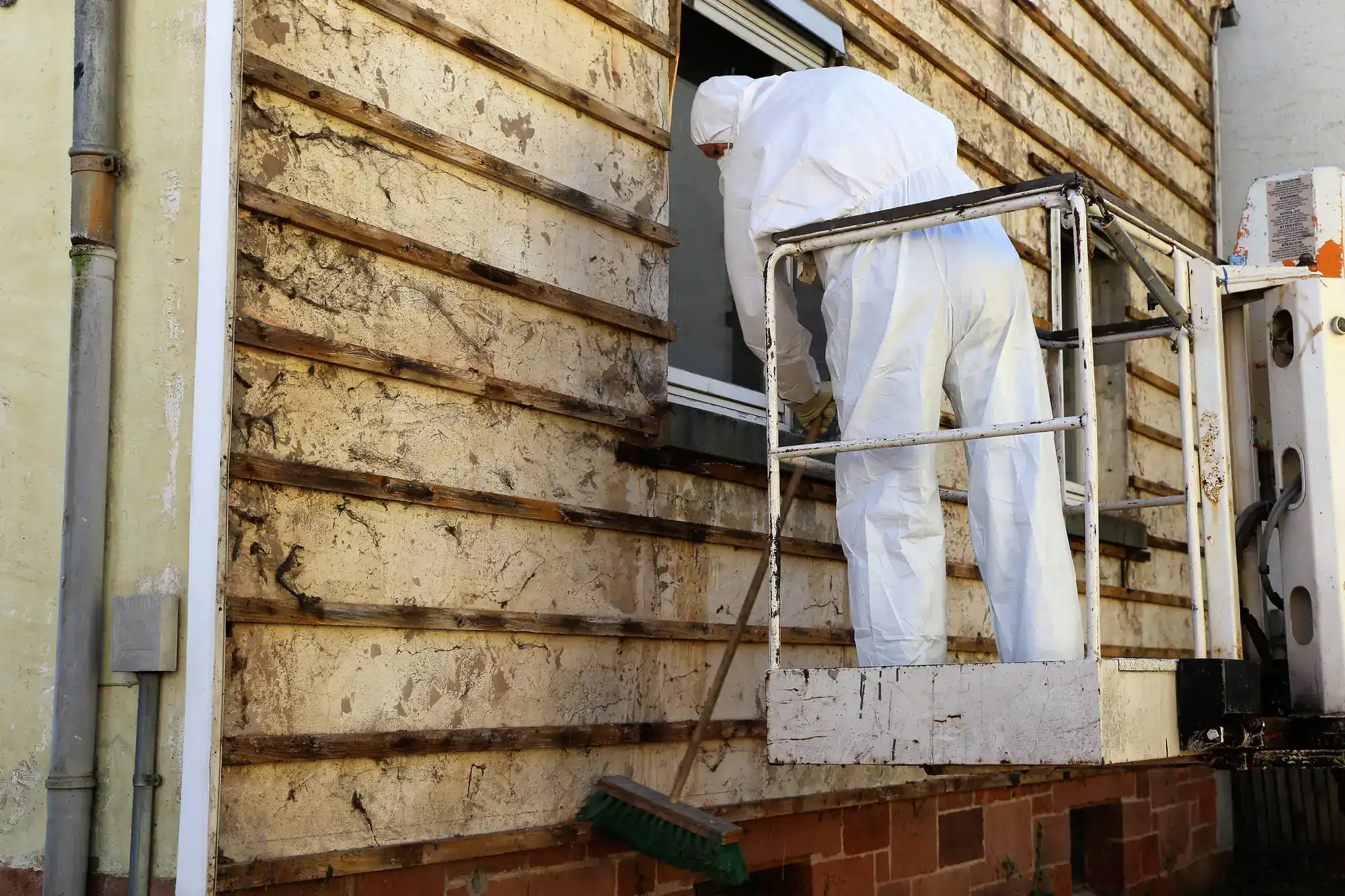
Saint Davids is one of the most desirable communities on the Main Line — and a lot of what makes it that way is the age and character of its homes. Stone colonials from the 1930s. Post-war ranches with original boiler rooms. Farmhouses in Ithan Village that have been renovated more than once. That history is worth preserving. But the materials used to build those homes — pipe insulation, floor tiles, attic fill, plaster, joint compound — were often asbestos-containing, and they don’t become safer with age.
When asbestos is properly identified and removed, your renovation can move forward without a work stoppage, a liability exposure, or a health risk hanging over the project. For homeowners in Saint Davids, where average property values exceed $560,000, that’s not a small thing. A contamination event mid-renovation doesn’t just cost money — it costs time, it complicates your contractor relationships, and in a real estate transaction, it can kill a deal entirely.
The other thing worth knowing: asbestos that’s been disturbed is significantly more dangerous than asbestos that’s sitting undisturbed behind a wall. Flooding from Ithan Creek, nor’easter damage, or an aggressive demo crew can all turn a stable material into an airborne one. Getting ahead of it — with a proper inspection before work starts — is almost always cheaper and less disruptive than dealing with it after the fact.
We’ve been doing this work in Delaware County and across the greater Philadelphia suburbs for over twenty years. That means we’ve worked in the kind of homes that define Saint Davids — older structures with layers of renovation history, mixed materials, and the kind of surprises that only show up once walls come down. We know the housing stock here, the common problem areas, and what questions to ask before we even start an inspection.
We’re fully licensed through the Pennsylvania Department of Labor and Industry, EPA and HUD compliant, and we carry a Certified Lead Inspector and Risk Assessor on staff — which matters in pre-1978 homes where asbestos and lead paint tend to show up together. We’re also fully bonded and insured, which protects you and your property if anything unexpected comes up during the job.
Radnor Township requires that contractors performing work within its boundaries be licensed with the township. We are. If you’re navigating permit requirements, PA DEP notification timelines, or federal NESHAP compliance alongside your renovation, we can walk you through all of it — not just show up and swing tools.
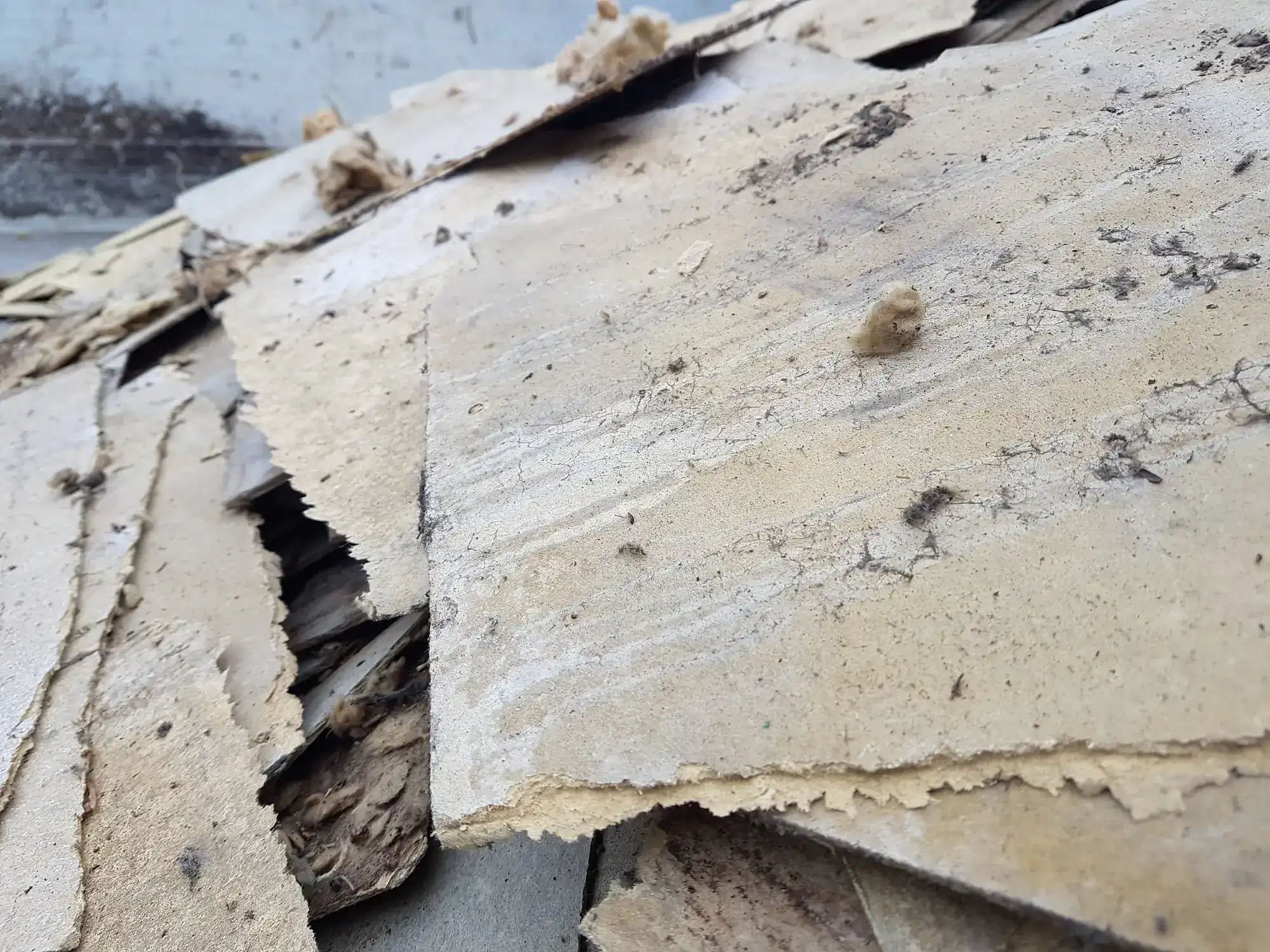
It starts with an inspection. Before anything gets touched, we assess the materials in question — visually and through sampling sent to an accredited lab. In older Saint Davids homes, we’re typically looking at pipe and duct insulation in mechanical rooms, vinyl floor tiles in kitchens and basements, attic insulation, plaster, and acoustic ceiling texture. The inspection tells us exactly what we’re dealing with and what level of abatement is required.
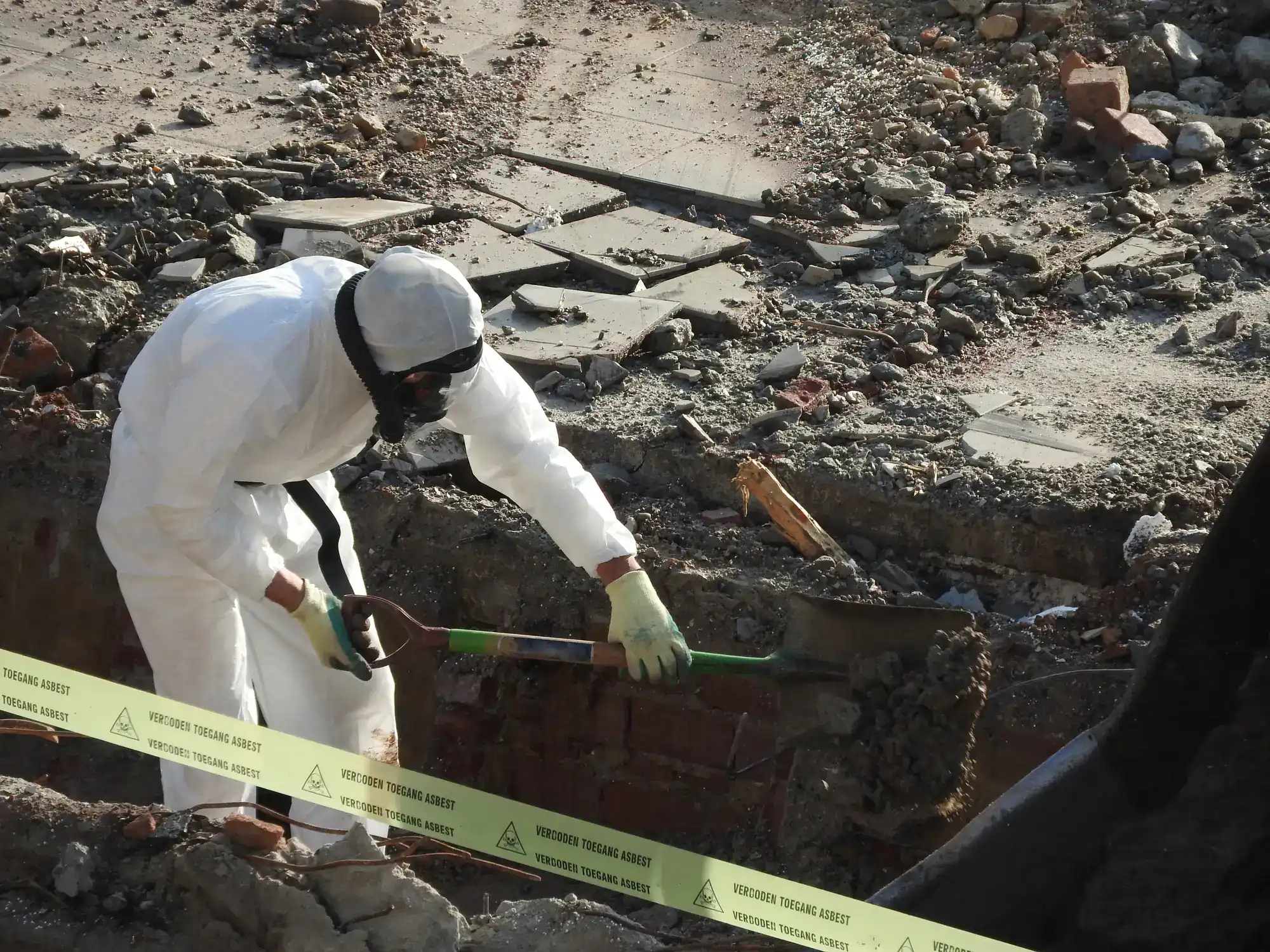
Once we have results, we give you a clear scope of work and a free estimate — no vague ranges, no surprise add-ons. If abatement is needed, we set up proper containment using negative air pressure and HEPA filtration before any material is disturbed. This isn’t optional equipment for us — it’s standard on every job, because the goal is to make sure fibers don’t travel to parts of your home that weren’t affected to begin with.
Pennsylvania DEP requires advance notification before friable asbestos removal that exceeds certain thresholds, and federal NESHAP rules require notification to state environmental agencies for larger projects. We handle that paperwork. After the abatement is complete, we conduct post-clearance air testing to confirm the space is clean before we close containment. You get documentation you can hand to your contractor, your real estate agent, or Radnor Township — whatever the situation calls for.
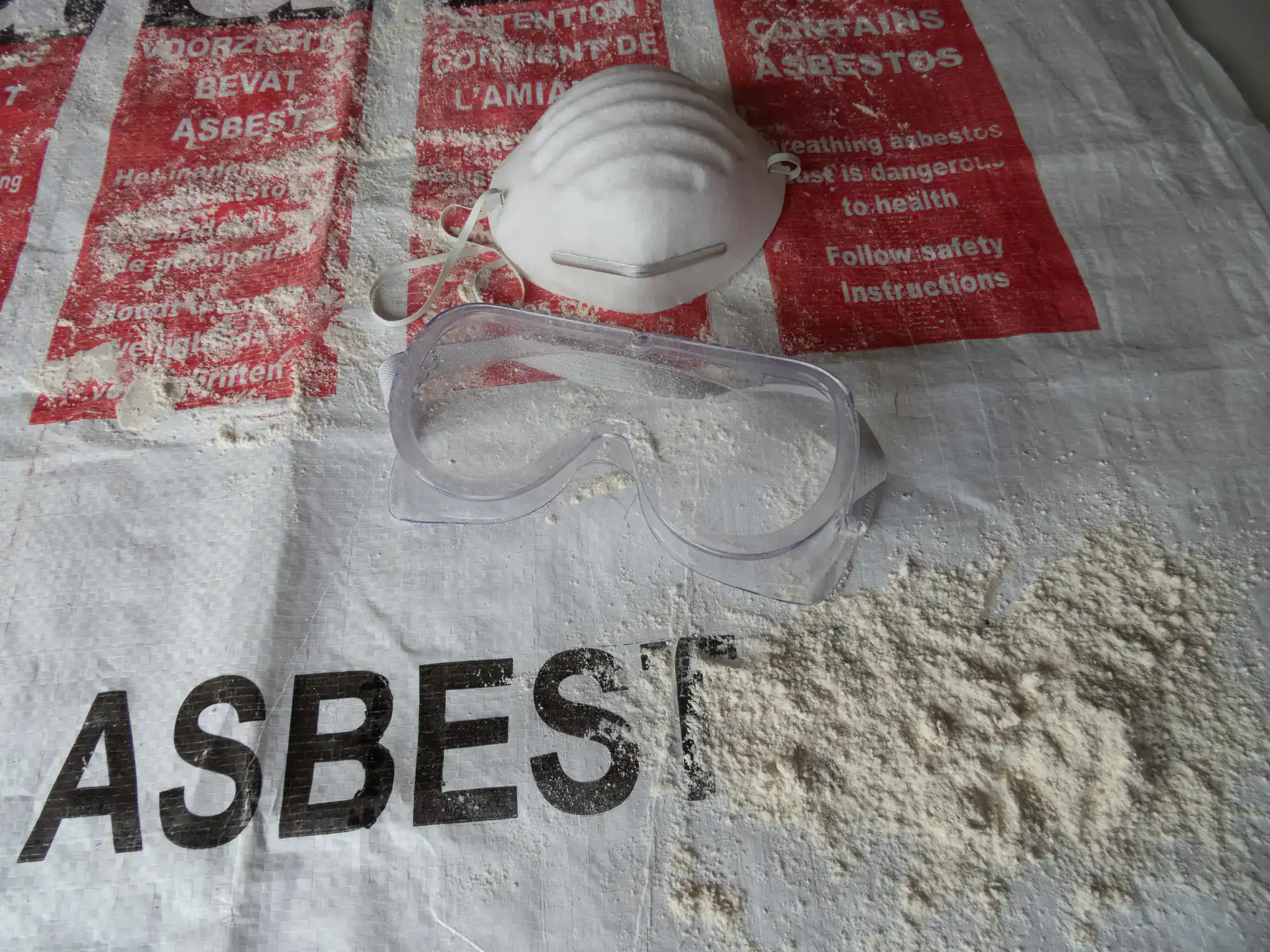
Ready to get started?
Most asbestos abatement jobs in Saint Davids don’t happen in isolation. A homeowner renovating a 1940s kitchen finds suspicious floor tile. A contractor pulling old pipe insulation in a basement flags something during a boiler replacement. A home inspector notes deteriorating ceiling texture in a pre-sale walkthrough. In almost every case, the asbestos concern is connected to a larger project — and that’s where having a single contractor who handles testing, abatement, demolition, mold remediation, lead removal, and waterproofing becomes genuinely useful.
We serve the entire 19087 corridor — Saint Davids, Wayne, Chesterbrook, Strafford — and we’re familiar with the housing stock, the Radnor Township permit process, and the kinds of materials that show up in this area’s older homes. If your project uncovers more than one issue, you don’t have to start the contractor search over again.
We also offer cash discounts and free estimates, which means you know what you’re paying before you commit to anything. Emergency response is available around the clock — because storm damage, a contractor discovery mid-demo, or a last-minute real estate complication doesn’t wait for Monday morning. If you need someone on the phone at 11 PM to talk through what was just found in your walls, that’s a call we take.
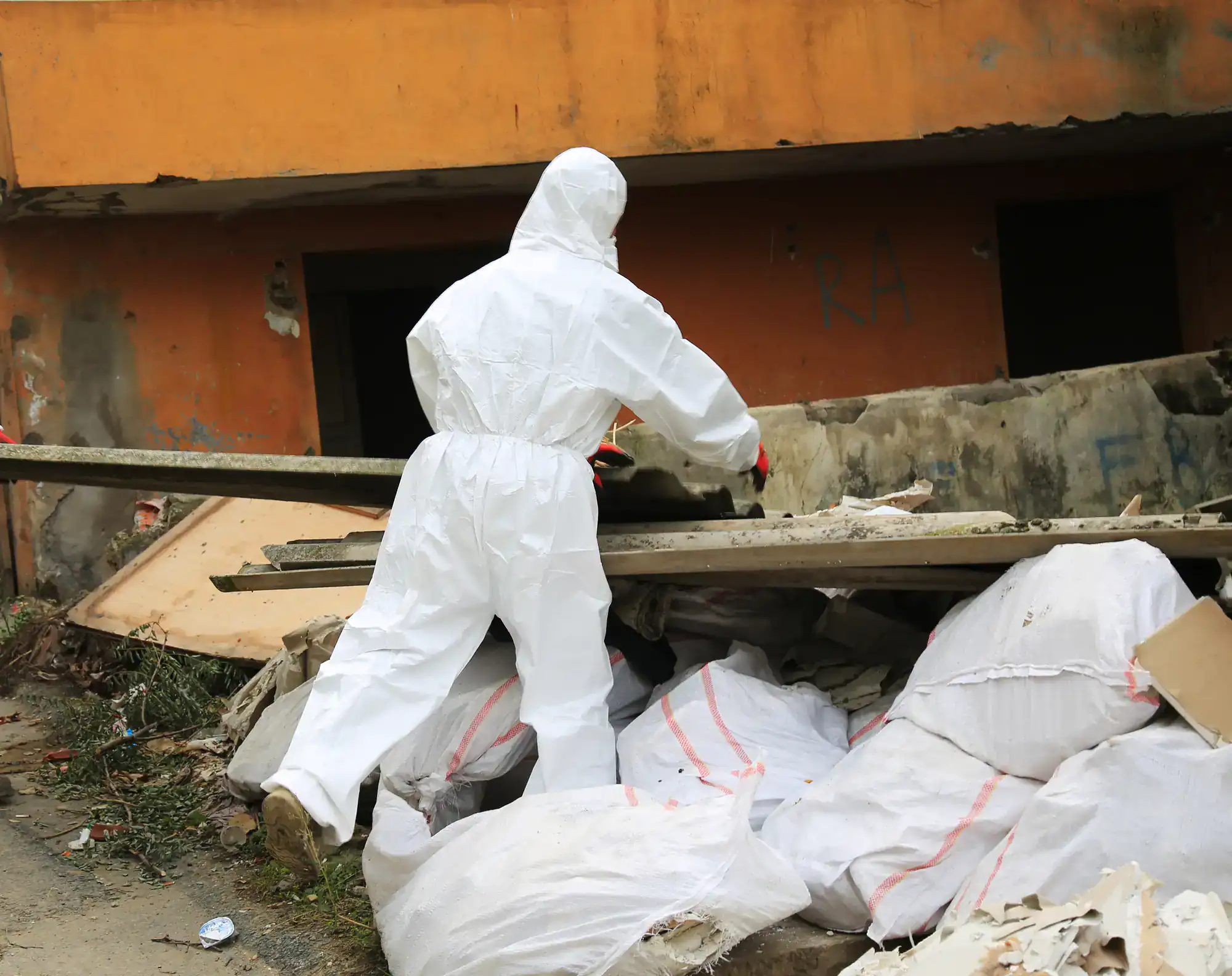

If your home was built before 1980, testing before any significant renovation is strongly recommended — and in many cases, it’s required. Pennsylvania and federal regulations both have provisions that apply when renovation work disturbs materials that may contain asbestos. The practical answer is that it’s far cheaper to test before demo than to stop a project mid-stream, set up emergency containment, and deal with potential regulatory exposure after the fact.
In Saint Davids specifically, a large portion of the housing stock falls squarely in the at-risk window. Homes from the 1920s through the 1960s are common throughout the Radnor Township area, and the materials used during that era — floor tiles, pipe wrap, attic insulation, plaster, joint compound — frequently tested positive for asbestos. A pre-renovation inspection gives you a clear picture of what’s there, what needs to come out, and what can stay undisturbed. That information shapes your entire renovation plan, and it protects your contractor, your family, and your investment.
You can’t tell by looking at it. Asbestos fibers are microscopic, and the materials that contain them — floor tiles, insulation, textured ceiling coatings, pipe wrap — look identical to non-asbestos versions of the same products. The only way to know for certain is to have a sample collected and analyzed by an accredited laboratory.
What we do is take a physical sample of the material in question under proper containment conditions — because disturbing it without containment during sampling defeats the purpose — and send it to a certified lab for analysis. Results typically come back within a few days. If the material tests positive, we walk you through what that means for your project: whether it needs to be removed, whether it can be encapsulated and left in place, and what the regulatory requirements are for your specific situation in Delaware County. You get a clear answer, not a worst-case sales pitch.
It depends on the scope and location of the work. For contained, smaller abatement jobs — a section of pipe insulation in a basement mechanical room, for example — it may be possible to remain in parts of the home that are fully isolated from the work area. For larger projects involving multiple rooms, significant square footage, or whole-floor abatement, vacating the home during active work is the standard recommendation, and in some cases it’s required.
The key factor is containment integrity. When we set up a work area, we use negative air pressure and HEPA filtration to prevent fibers from migrating to unaffected areas of your home. That containment has to be verified before work begins and maintained throughout. If the scope of the project is such that the containment boundary can’t adequately protect the rest of the living space, we’ll tell you that upfront — before work starts, not after. We’d rather have an honest conversation about logistics than put your family in a situation we didn’t prepare you for.
For most residential abatement jobs — a section of floor tile, a run of pipe insulation, or a single ceiling area — costs typically fall in the range of $1,200 to $3,500. Larger whole-house projects or jobs involving multiple material types can run significantly higher, sometimes into the $15,000 to $30,000 range depending on scope.
In Saint Davids, where homes are often older, larger, and have had multiple renovation layers added over the decades, it’s not uncommon for an inspection to turn up asbestos in more than one location. That’s why the inspection phase matters — it lets you understand the full picture before committing to a removal scope. We provide free estimates after inspection, so you have a real number before any work begins. We also offer cash discounts, which isn’t something most abatement contractors in Delaware County advertise. When you’re already managing a major renovation budget on a Main Line property, knowing your exact cost upfront — and having a discount available — makes the decision straightforward.
Yes — and it’s one of the more common emergency scenarios we respond to in the area. Delaware County’s hazard mitigation planning identifies nor’easters as a medium-to-high threat for the Saint Davids area, and flooding from Ithan Creek has been documented in the Radnor Township area as recently as 2018. When water intrudes into a basement or a storm damages a roof or exterior wall, it can disturb materials that were previously stable and undisturbed.
Pipe insulation in basement mechanical rooms is particularly vulnerable to flood damage. Old boiler systems in pre-1960s homes — common throughout Saint Davids — frequently have asbestos-containing wrap that, when wet and physically disturbed, can release fibers into the air. The same applies to damaged ceiling materials after a roof failure. If you’ve had storm damage to an older home and you’re not sure what’s in the materials that got hit, don’t start cleanup or demo until you’ve had it assessed. We offer emergency response and are reachable around the clock — because this kind of situation doesn’t wait for a scheduled appointment.
It comes down to how we run the business. Payment processing fees, administrative overhead, and the cost of extended billing cycles all add up — and rather than quietly building those costs into our base pricing, we’d rather pass the savings along when a customer pays in cash. It keeps our pricing honest and our estimates accurate from the start.
For homeowners in Saint Davids who are already managing significant renovation budgets — on properties where a full gut renovation can easily run six figures — the cash discount is a straightforward way to reduce out-of-pocket cost without compromising on the quality of the work or the credentials of the contractor doing it. It’s also a reflection of how we operate generally: transparent pricing, no hidden fees, and no surprises after the job is done. The free estimate serves the same purpose — you know what the number is before you commit, and the discount applies when it applies. That’s the whole story.
Other Services we provide in Saint Davids