Hear from Our Customers
You stop guessing. That’s the biggest thing. When you’re living in a home built in the 1940s or 1950s — which describes most of Oreland — the question isn’t really whether asbestos-containing materials exist somewhere in the structure. It’s whether they’ve been disturbed, whether they’re deteriorating, and whether anyone in your house is being exposed. Getting a straight answer from a licensed abatement contractor means you can move forward — with a renovation, a sale, or just daily life — without that question hanging over you.
For Oreland families specifically, that peace of mind is tied to something concrete. Roughly 40 percent of homes in this ZIP code were built before 1950, and the vast majority of the rest went up before 1980. That’s the window when asbestos was used in floor tiles, pipe insulation, ceiling materials, roofing, and more. The 1950s Cape Cods and ranch-style homes near Sandy Run, the older colonials in Custis Woods, the Victorians closer to Fitzwatertown — they all carry real risk that doesn’t go away on its own.
When abatement is done right, using proper HEPA containment and licensed removal, the material is gone. Your home is tested, cleared, and documented. You can finish the renovation, list the property, or simply stop worrying about what’s in the walls. That’s what a real outcome looks like — not a contractor who showed up, did something, and left you with more questions than answers.
We’ve been doing this work across Montgomery County for two decades, including throughout Oreland and the surrounding areas. That means we’ve worked in homes just like yours — pre-1960 construction, steam heating systems, original floor tiles, the whole picture. We’re fully licensed by Pennsylvania’s Department of Labor and Industry, EPA and HUD compliant, and carry a Certified Lead Inspector and Risk Assessor on staff. Not just a crew. An actual credentialed assessor who can tell you what you’re dealing with before anyone touches anything.
We’re available around the clock, offer free estimates, and bring HEPA filtration systems to every job — because containment isn’t optional when there are kids in the house. And in Oreland, where 43 percent of households have children under 18, that detail matters more than most contractors will admit.
If you’re in Springfield Township or Upper Dublin Township — both of which make up the Oreland CDP — we already know the permit process, the housing stock, and what to expect in a home from this era. That familiarity isn’t a sales line. It just makes the job go smoother.
It starts with a call and a free estimate. Someone comes out, walks the property, and assesses what’s there. In a pre-1980 home in Oreland, that usually means checking the obvious spots — floor tiles, pipe wrap on older heating systems, attic insulation, ceiling materials — but also looking at areas that get missed, like joint compound behind walls or roofing materials on older additions. You get a clear picture of what’s present, what condition it’s in, and what needs to happen next.
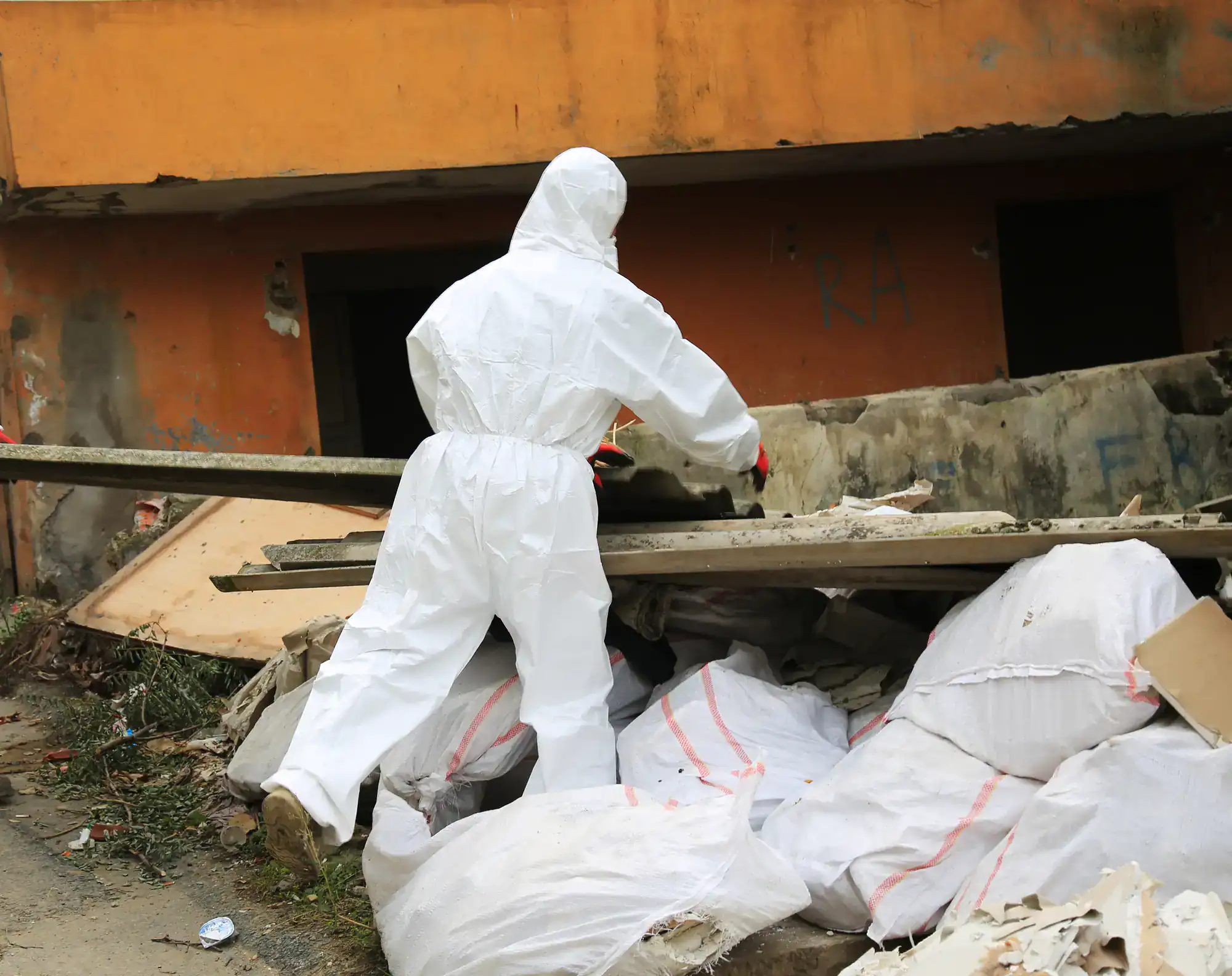
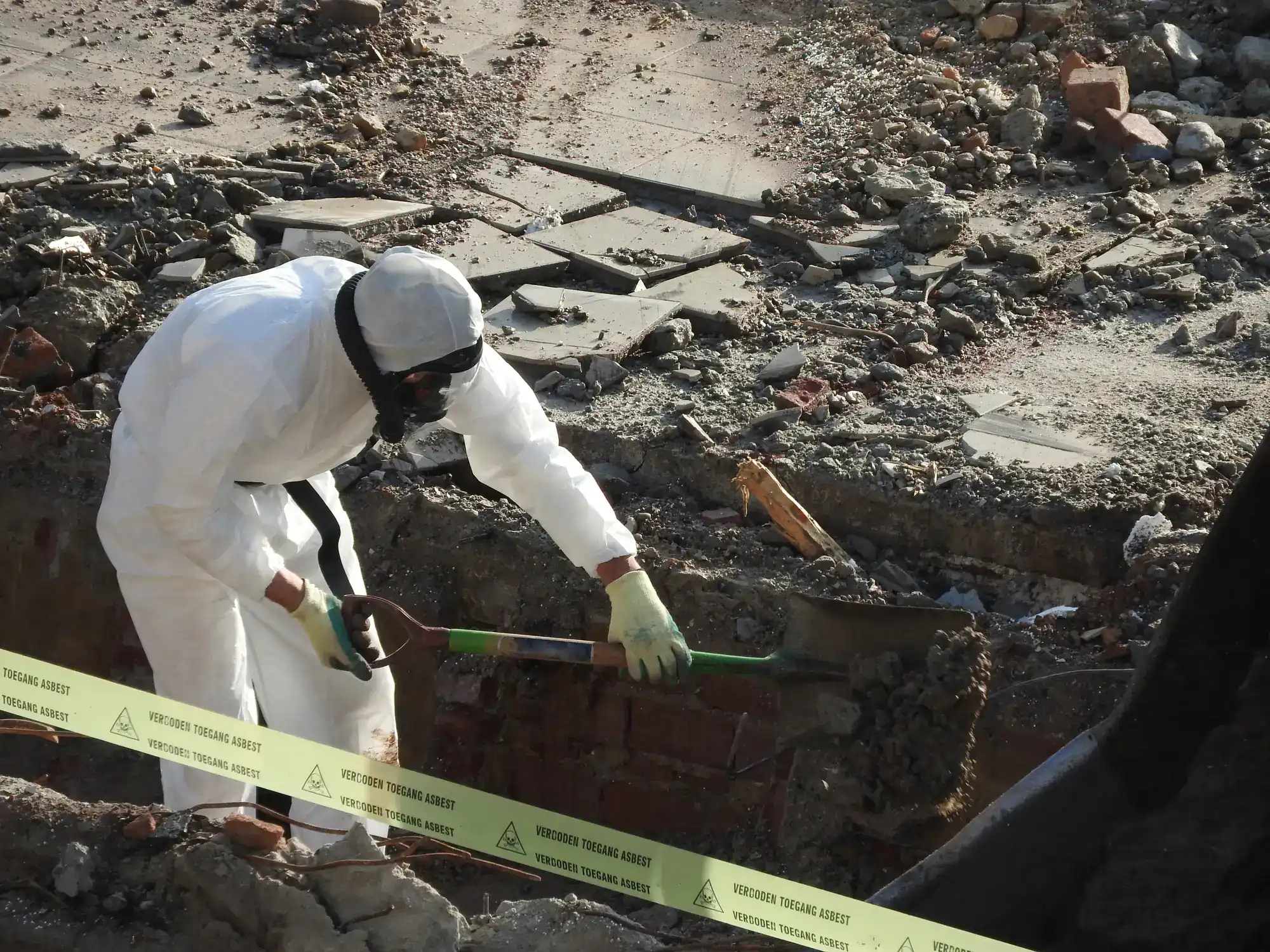
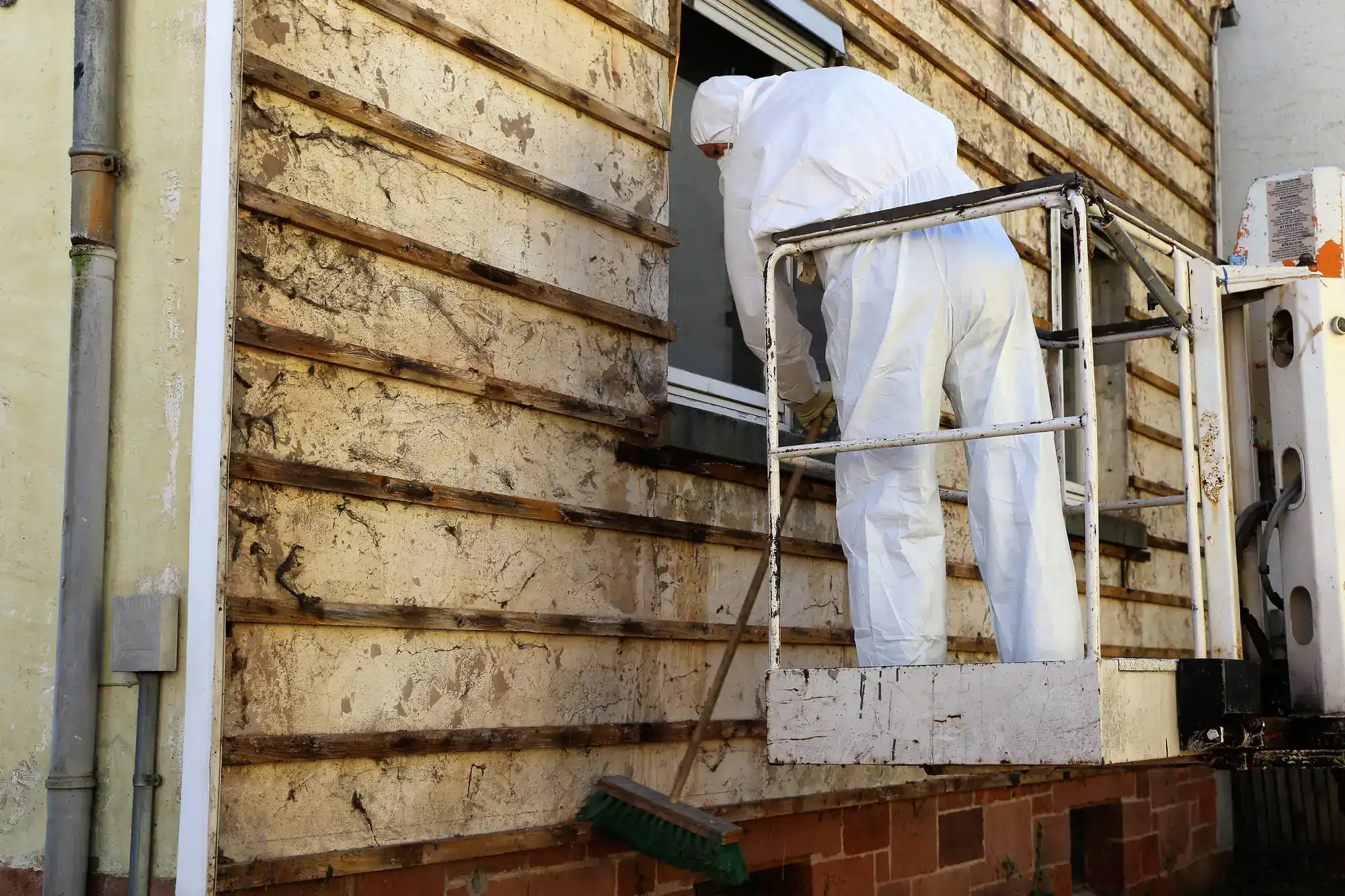
If abatement is needed, the work is done under proper containment. That means negative air pressure, HEPA filtration, and full isolation of the work area so nothing migrates to the rest of the house. Pennsylvania DEP requires advance notification before friable asbestos removal begins, and we handle that paperwork. If your home sits on the Upper Dublin Township side of the Oreland CDP, the permit process may differ slightly from the Springfield Township side — that’s a nuance most contractors don’t even know to ask about.
After removal, air clearance testing confirms the space is clean. You get documentation. The job is closed out properly, not just declared done. If the same project surfaces mold, lead paint, or failing waterproofing — which happens regularly in homes this age — we can handle that too without you having to start over with a different contractor.
Ready to get started?
Asbestos doesn’t show up the same way in every home, and the approach shouldn’t either. In Oreland, the most common sources are 9×9 floor tiles in kitchens and basements, pipe insulation on steam heating systems common to homes built in the 1930s through 1950s, and blown-in or vermiculite attic insulation. The older Victorians near Fitzwatertown may have asbestos in plaster or structural insulation that predates even the mid-century applications. Each property gets assessed on its own terms — not run through a checklist designed for commercial demolition jobs.
We handle the full scope: testing, abatement, documentation, and clearance. If the project involves gut demolition, waterproofing, or mold remediation alongside asbestos removal — which is common in Oreland’s aging basement and crawl space situations — all of it can be handled under one engagement. That matters when you’re trying to finish a renovation on a timeline, not coordinate three separate licensed contractors across two different township permit offices.
It’s also worth knowing that Pennsylvania’s asbestos abatement notification fee increases to $400 in January 2026 for projects in Montgomery County. If you’re planning work and haven’t scheduled it yet, that’s a real, concrete reason to move before the deadline rather than after. A free estimate costs nothing and locks in your understanding of the scope before fees go up.
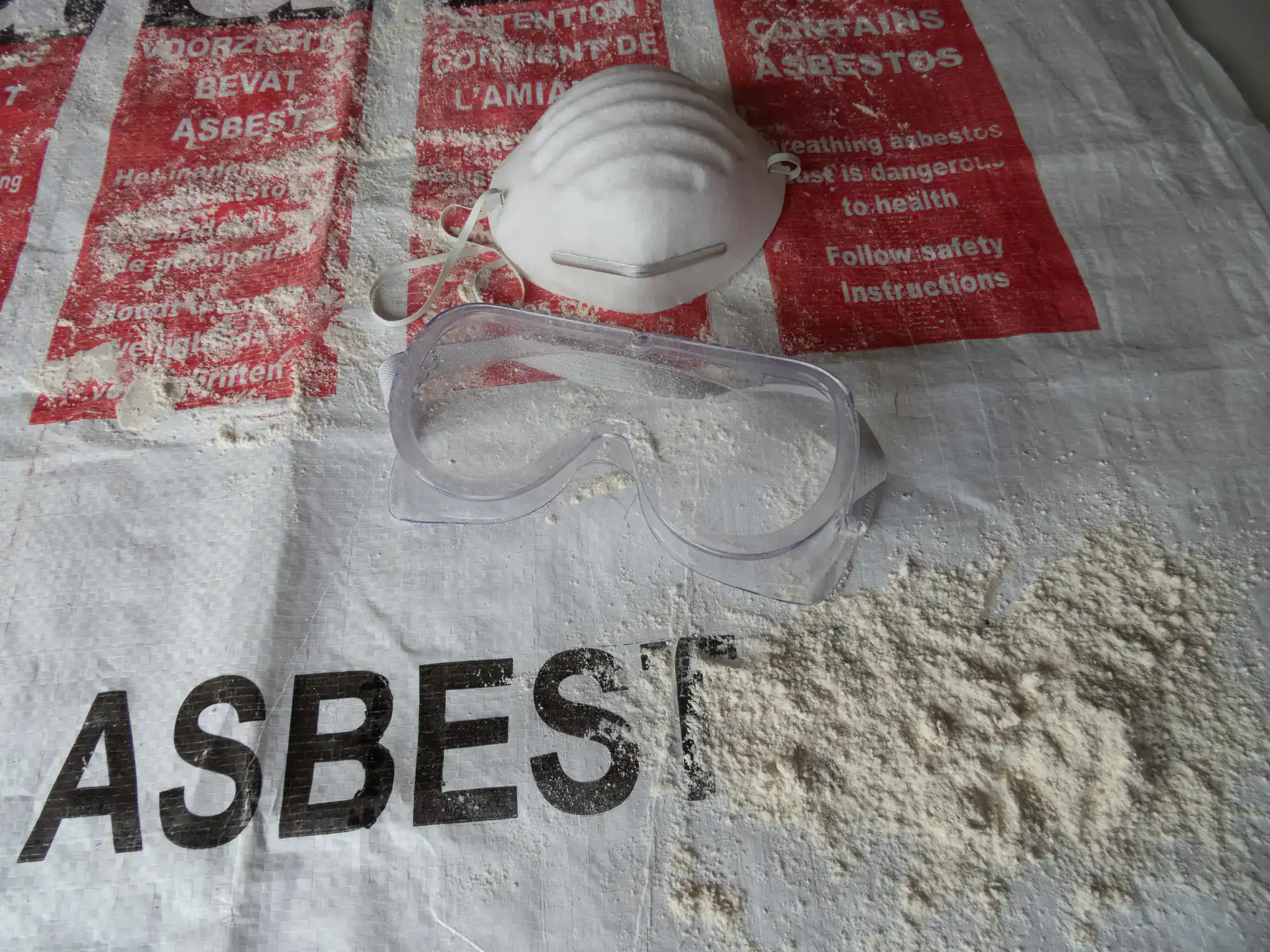
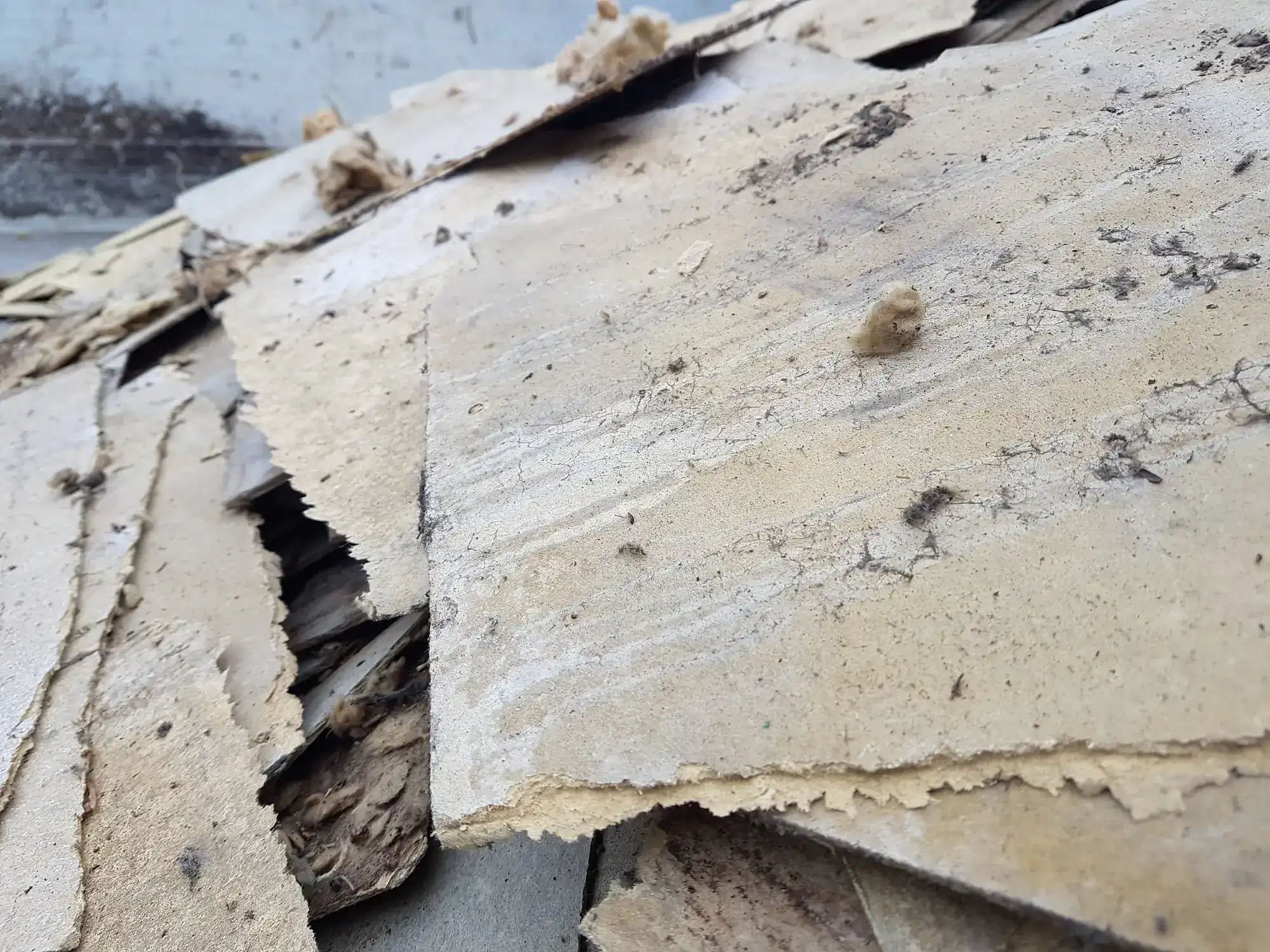
The short answer is: very likely yes, in at least one material. Homes built in Oreland during the 1940s and 1950s — which represent a large portion of the housing stock in ZIP code 19075 — were constructed during the peak era of asbestos use in residential building materials. Floor tiles, particularly the 9×9 inch variety common in mid-century kitchens and basements, are one of the most frequent sources. Pipe insulation on steam and hot-water heating systems is another. Attic insulation, ceiling tiles, joint compound, and roofing materials from this era also commonly tested positive for asbestos-containing materials.
The presence of asbestos doesn’t automatically mean you have an emergency. Asbestos that is intact and undisturbed poses a much lower risk than material that is deteriorating or has been cut, sanded, or broken. The problem is that most homeowners don’t know which situation they’re in until someone qualified actually looks. If you’re renovating, selling, or just noticing something that looks off, the right move is to get it tested by a licensed contractor before assuming it’s fine — or assuming the worst.
For most residential projects in Pennsylvania, homeowners are technically permitted to remove asbestos from their own single-family residence under certain conditions — but in practice, this is rarely a good idea and carries real legal and health risk. Pennsylvania’s Asbestos Accreditation and Certification Act requires that all asbestos abatement work be performed by contractors licensed by the Department of Labor and Industry. If you hire someone to do the work, they must be licensed. No exceptions.
Beyond the legal side, the practical risk of DIY removal is significant. Without proper HEPA containment, negative air pressure, and disposal protocols, you can spread asbestos fibers throughout the home rather than removing them. Montgomery County does not accept asbestos materials at its Household Hazardous Waste events — so disposal is its own separate challenge. For Oreland homeowners with families in the house, the risk-reward calculation on handling this yourself is not a close call. A licensed abatement contractor with the right equipment does the job once, does it safely, and gives you documentation that the work was done correctly.
Cost depends on what you’re dealing with — the type of material, how much of it there is, and what condition it’s in. A small, localized project like removing asbestos floor tiles in a single room typically runs in the range of $1,500 to $3,000. Larger projects involving pipe insulation throughout a basement, or attic insulation removal, can run $5,000 to $10,000 or more depending on scope. Full gut demolition in a pre-1960 home where multiple materials are involved can go higher.
For Oreland specifically, the age and construction style of most homes in the area means projects often involve more than one material type. A 1948 ranch or Cape Cod may have floor tiles, pipe wrap, and ceiling materials all in the same job. Getting a free estimate from a licensed contractor is the only way to know what you’re actually looking at. We offer free estimates and cash discounts, which is worth asking about when you call — especially if you’re managing a renovation budget alongside property taxes that average around $5,700 a year in this area.
It depends on the scope and location of the work. For a contained project — say, floor tile removal in a basement with proper isolation — many families can remain in the home if the work area is fully sealed off and negative air pressure is maintained throughout. The living areas of the house stay separate from the abatement zone, and HEPA filtration prevents fiber migration into occupied spaces.
For larger projects, or work that involves materials in living areas, HVAC systems, or spaces that are difficult to isolate, temporary displacement is the safer call. A licensed contractor should walk you through this honestly before the job starts — not after. In Oreland, where 43 percent of households have children under 18, this question matters. We’ll give you a straight answer about what’s realistic for your specific home and project scope, not a blanket policy that applies to every job regardless of conditions.
Pennsylvania DEP requires advance notification before any friable asbestos removal project that meets the threshold — generally three square feet or three linear feet of friable material for smaller residential projects, and ten working days’ notice for larger commercial or demolition projects under federal NESHAP rules. The notification goes to PA DEP, and your licensed contractor should handle this as a standard part of the job.
For Oreland homeowners, there’s an additional layer worth knowing: the Oreland CDP straddles both Springfield Township and Upper Dublin Township. Depending on which side of the township line your property sits on, the local permit office you’re dealing with may differ. This is a nuance that a contractor unfamiliar with the area might miss entirely. Starting in January 2026, the PA DEP notification fee for asbestos abatement projects in Montgomery County increases to $400 — so if you’re planning a project, getting it scheduled before that deadline is a straightforward way to avoid an unnecessary cost increase.
The cash discount is straightforward — it reduces processing overhead, and we pass that savings directly to you. It has nothing to do with cutting corners on materials, containment, or labor. The same licensed crew, the same HEPA filtration systems, the same documentation and clearance testing apply regardless of how you pay.
For Oreland homeowners who are already managing property taxes averaging around $5,700 a year and potentially juggling renovation costs on a pre-1960 home, a cash discount is a real, tangible benefit — not a gimmick. It’s the kind of thing a contractor offers when they’re confident in the quality of their work and not dependent on financing markups to make the numbers work. If you’re getting multiple estimates, it’s worth asking every contractor you talk to whether they offer anything similar. Most won’t.
Other Services we provide in Oreland