Hear from Our Customers
North Wales is one of the oldest boroughs in Montgomery County — and that’s something to be proud of. But pre-WWII construction comes with a specific set of hazards that newer suburban builds don’t. Asbestos was used heavily in floor tiles, pipe insulation, plaster, joint compound, and furnace systems throughout the 1930s, 40s, and 50s. If your home sits in the historic borough core near the train station or off Main Street, there’s a real chance it’s there.
When asbestos-containing materials are properly removed and contained, you stop worrying every time a contractor opens a wall. You can move forward with your renovation, close your real estate deal, or simply breathe easier knowing the hazard has been addressed by someone who actually knows what they’re doing. That’s the outcome — not a sales pitch, just what happens when the job is done right.
North Wales homeowners also tend to be managing properties with significant value and history. The borough’s Historic Preservation District means renovations require care and documentation. Getting abatement done properly — with full clearance documentation — protects both your investment and your ability to move forward with any future work on the property.
We’ve been serving Montgomery County and the surrounding region for two decades. That’s not a number we throw around for effect — it means we’ve worked in hundreds of older homes across North Wales and the North Penn Valley, including properties that look exactly like yours. Victorian twins, 1920s detached homes, mid-century bungalows near the SEPTA station — we know what’s in them and where to look.
We’re fully licensed by the Pennsylvania Department of Labor & Industry, EPA and HUD compliant, and we carry a Certified Lead Inspector and Risk Assessor on staff. That last credential matters more than most people realize — because in a borough where lead paint and asbestos frequently coexist in the same pre-1978 walls, having both covered under one roof saves you time, money, and the headache of coordinating multiple contractors.
We serve Chester, Delaware, Montgomery, New Castle, and Bucks counties. North Wales isn’t a stretch for us — it’s the heart of our service area.
It usually starts with a discovery — you pull up old floor tiles in a 1940s kitchen, a contractor opens a wall, or a home inspection flags something suspicious before a closing. Whatever the trigger, the first step is the same: we come out, assess the material, and tell you exactly what you’re dealing with. No vague answers, no unnecessary alarm. Just a straight assessment and a free estimate.
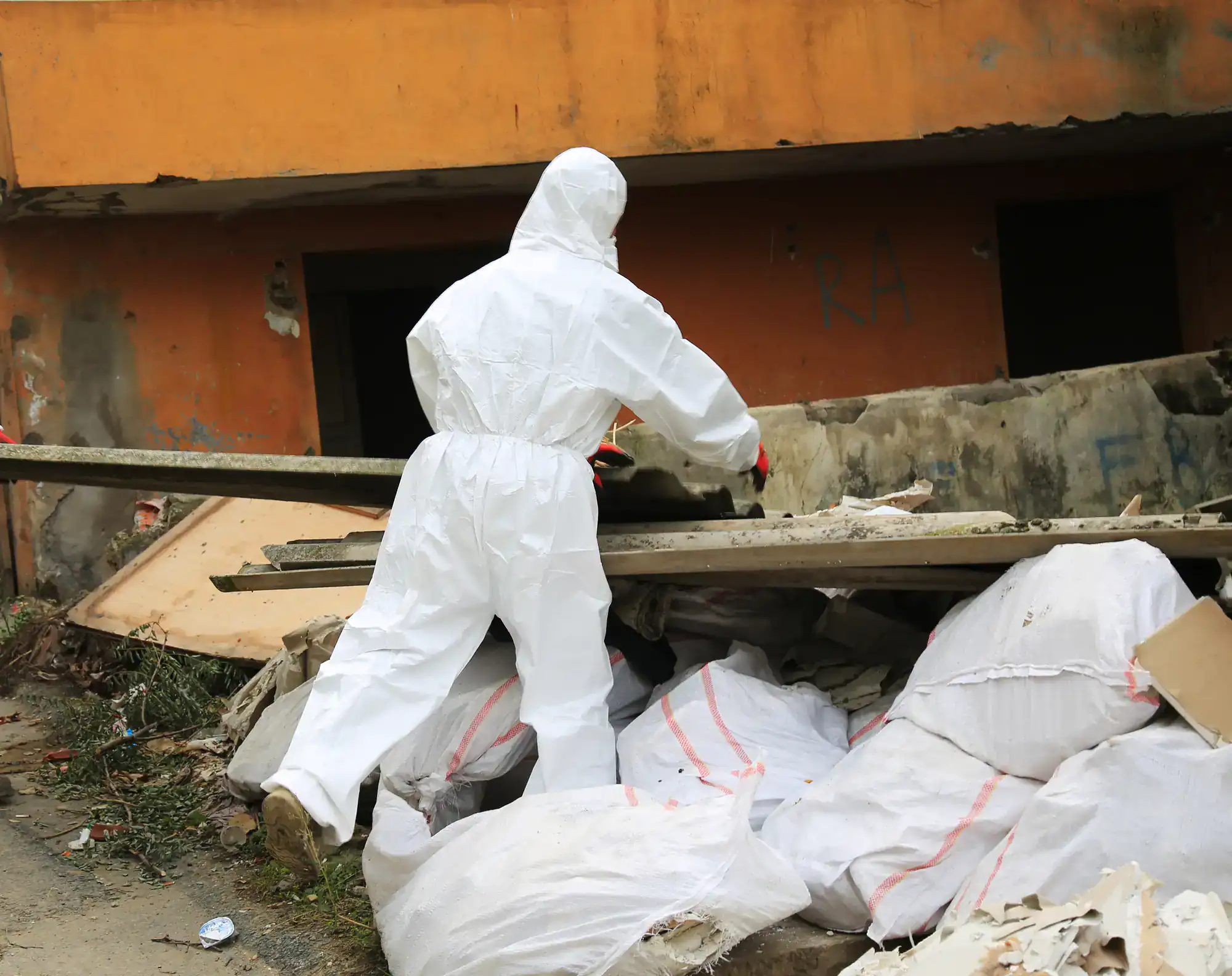
If removal is the right call, we set up proper containment before anything gets disturbed. That means HEPA filtration systems and negative air pressure barriers that prevent fibers from migrating into the rest of your home — critical in North Wales where a twin puts your neighbor eight feet away and your living room sits directly above the work area. Pennsylvania requires advance notification to the DEP before friable asbestos removal begins, and we handle that paperwork as part of the process. You don’t have to figure out the regulatory side on your own.
Once the material is removed, we conduct clearance testing to confirm the area is clean. You get documentation you can actually use — for your renovation contractor, your real estate agent, or your own records. If the job uncovers additional hazards like lead paint or mold, we handle those too. One call, one crew, one process from start to finish.
Ready to get started?
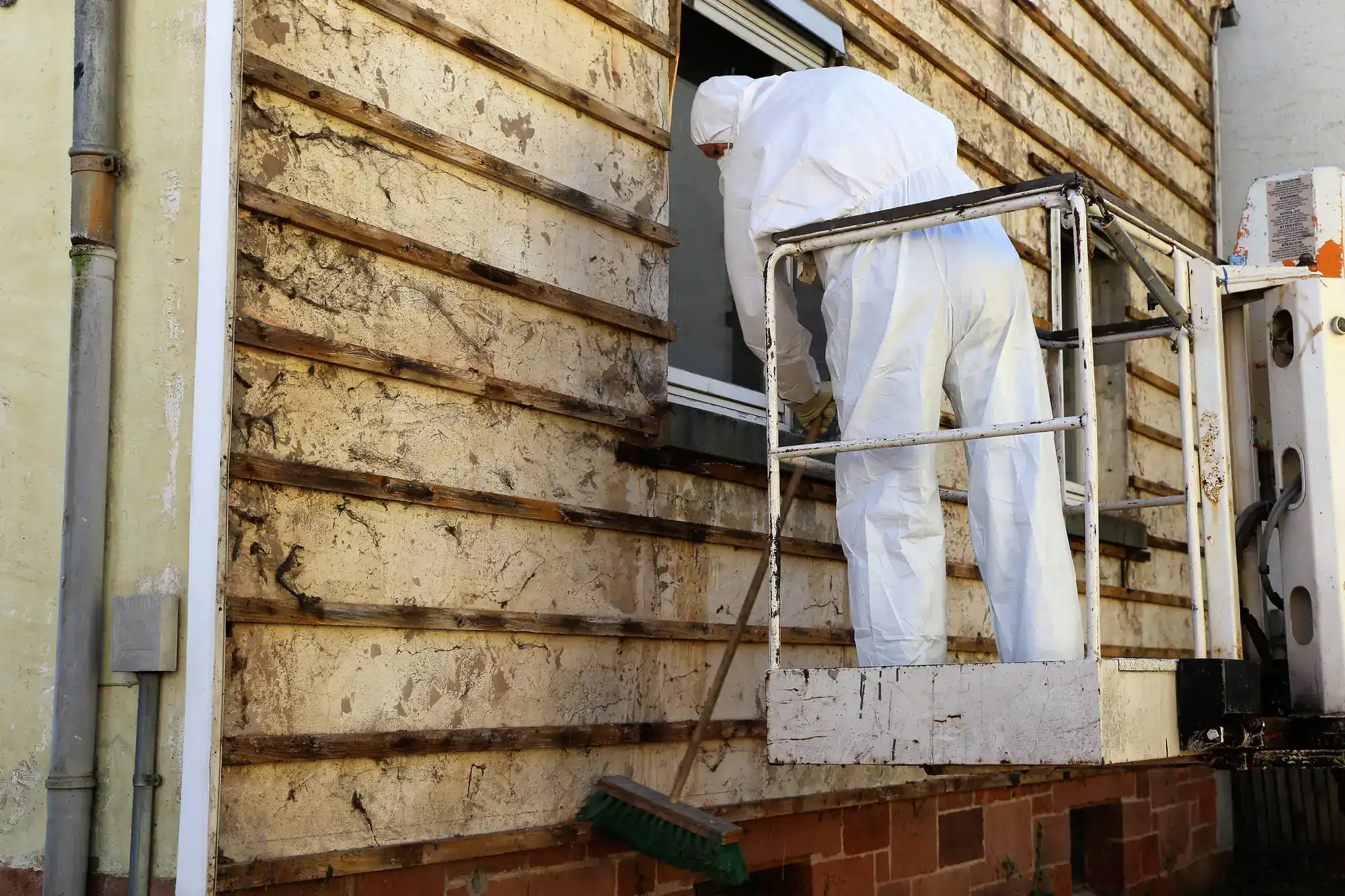
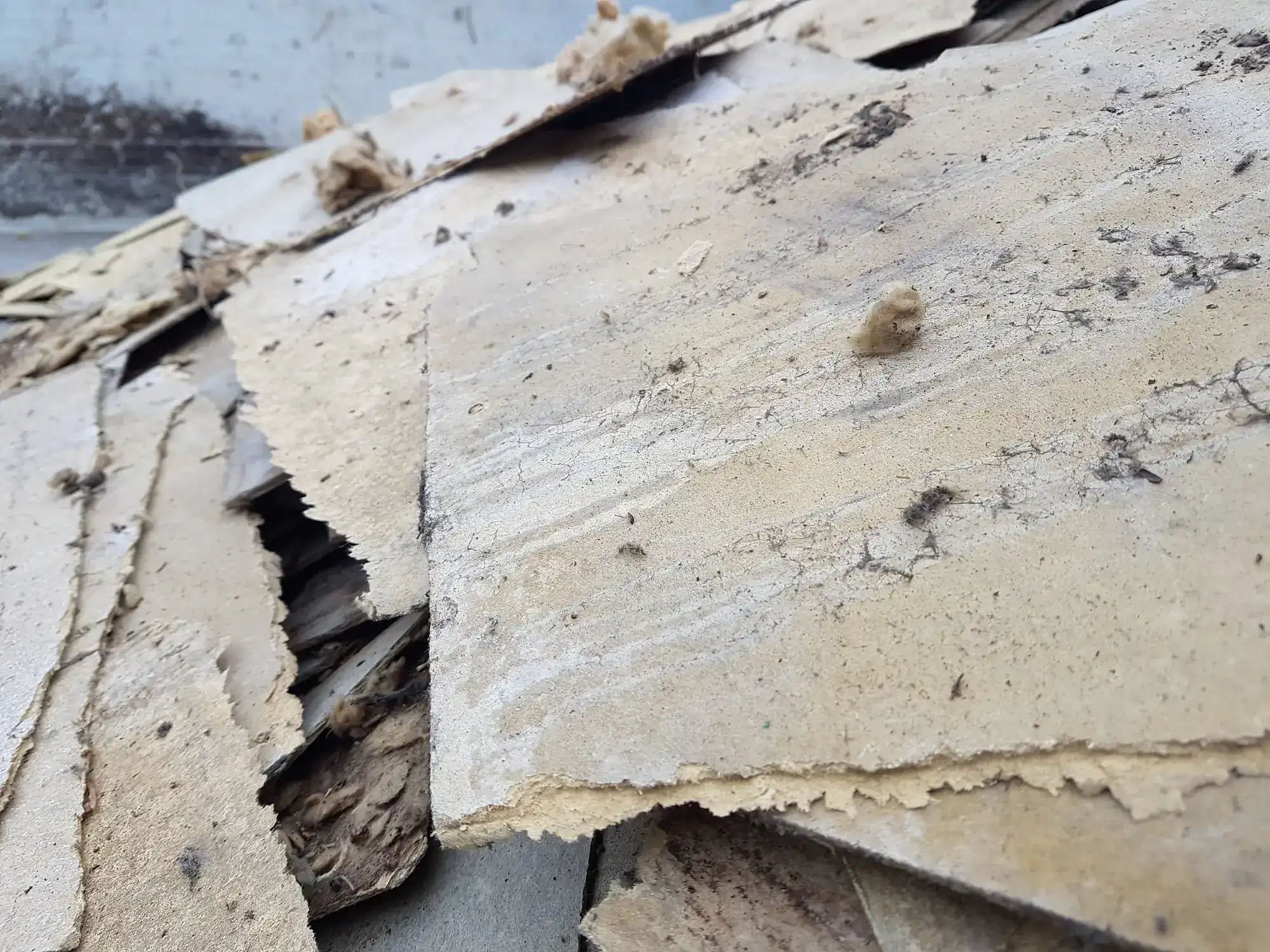
Asbestos abatement isn’t one-size-fits-all, and the older the home, the more layers there are to consider. In North Wales’s historic borough core, we regularly encounter asbestos in floor tiles, pipe and duct insulation, plaster and joint compound, popcorn ceilings, roofing materials, and original furnace and boiler systems. Each of those requires a different approach, and we’re equipped to handle all of it.
Every job includes on-site inspection and material assessment, full containment setup with HEPA filtration and negative air pressure, licensed removal and proper disposal, DEP notification handling, and post-removal clearance documentation. If you’re in the middle of a renovation and need demolition or gutting alongside the abatement, we do that too. Same goes for mold remediation, lead removal, waterproofing, oil tank removal, and duct cleaning — services that frequently come up together in older Montgomery County properties.
We offer free estimates with no pressure and no obligation. We also offer cash discounts, which isn’t something you’ll find on most abatement contractors’ websites. If you’re already absorbing an unexpected cost mid-renovation, that matters. And if something comes up at night or on a weekend, our line is open 24 hours a day. We’re not a call center — when you call, you get a real answer from someone who can actually help.
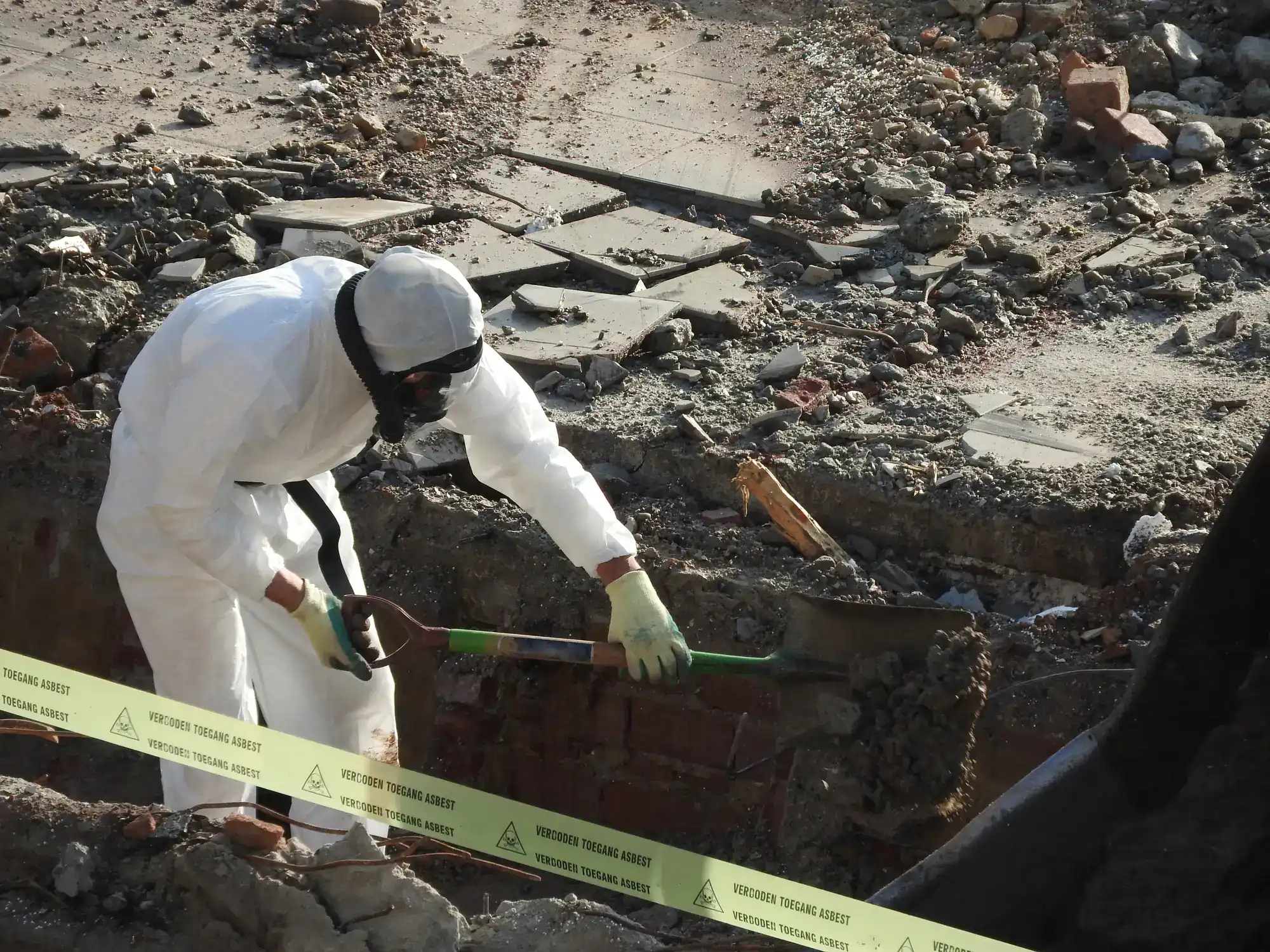
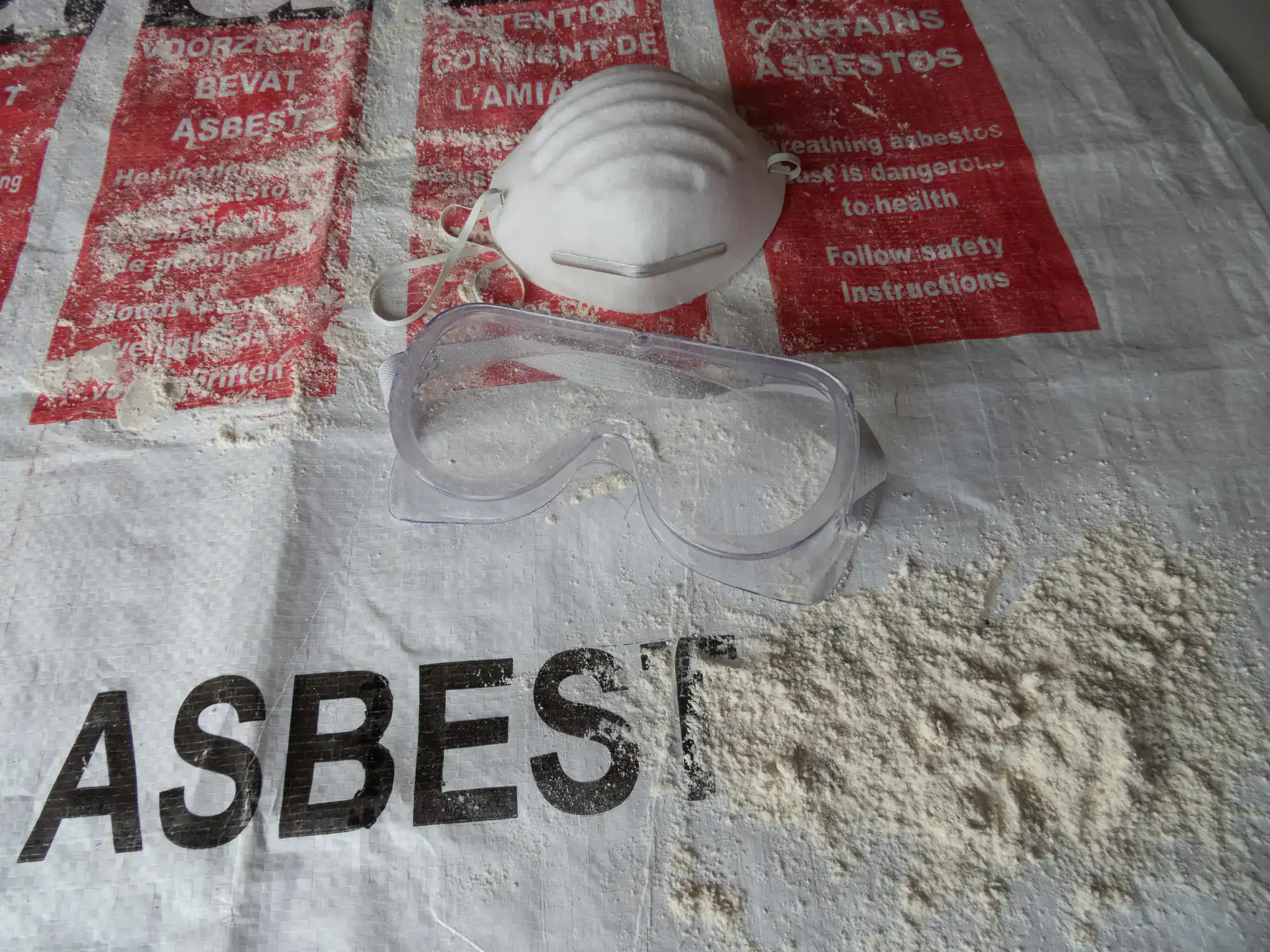
If your home was built before 1980 — and in North Wales’s historic borough core, a significant portion of the housing stock predates World War II — testing before any renovation work is strongly recommended. Asbestos-containing materials don’t release fibers just by existing. The risk comes when they’re disturbed: when you cut into drywall, rip up old floor tiles, or remove pipe insulation. At that point, fibers become airborne and the exposure risk becomes real.
Pennsylvania doesn’t require homeowners to test before a renovation the way commercial projects are regulated, but any licensed contractor who suspects ACM on a job site is obligated to stop work until the material is assessed. That means if you skip testing upfront and asbestos turns up mid-project, your renovation stops anyway — and now you’re dealing with the delay on a tighter timeline. Testing first is almost always the faster, cheaper path. We offer free estimates and can walk you through what to expect before anything is disturbed.
Most residential asbestos abatement jobs are completed in one to five days, depending on the scope and location of the material. A single room with asbestos floor tiles is typically a one-day job. A larger project involving pipe insulation throughout a basement, multiple rooms, or an old furnace system with asbestos wrap will take longer — usually two to four days once containment is set up and clearance testing is factored in.
One thing that affects timing in Pennsylvania is the DEP advance notification requirement. For friable asbestos removal above regulatory thresholds, the state requires a minimum five-day advance notice before work begins. We handle that notification as part of our process, so it doesn’t create an unexpected delay on your end — but it’s worth knowing upfront when you’re planning a renovation timeline or working toward a real estate closing date. We’ll give you a realistic schedule during the estimate so there are no surprises.
It depends on the scope of the work and where in the home the material is located. For contained, small-scale jobs — say, a single bathroom floor or a section of pipe wrap in a basement — it’s sometimes possible to remain in other parts of the home while work is underway, provided proper containment is in place. For larger jobs, or anything involving HVAC systems, walls, or materials in living areas, we typically recommend that residents and pets vacate for the duration of the work.
In North Wales’s older homes — particularly the pre-WWII construction common in the historic borough core — asbestos is sometimes found in multiple locations throughout the same property. If the scope expands during the job, we’ll communicate that clearly before proceeding. The goal is always to minimize disruption, but never at the cost of cutting corners on containment. HEPA filtration and negative air pressure barriers are standard on every job we run, regardless of size.
For most residential jobs, asbestos removal runs somewhere between $1,200 and $3,200 depending on the type of material, the amount present, and where it’s located in the home. Floor tile removal in a single room typically sits at the lower end of that range. Pipe insulation, ductwork wrap, or whole-room plaster remediation will push toward the higher end or beyond, depending on square footage and accessibility.
In North Wales specifically, older homes in the historic borough core often contain multiple types of asbestos-containing material in the same property — floor tiles in the kitchen, pipe wrap in the basement, and original furnace insulation in the utility room, for example. That kind of layered hazard profile is common in pre-WWII construction and can affect total project cost. The only way to get an accurate number is to have someone actually look at the property. We offer free estimates with no obligation, so you know exactly what you’re dealing with before you commit to anything.
Yes — and more so than in most surrounding communities. North Wales is one of the oldest boroughs in the region, with a housing stock that is largely pre-World War II. Asbestos was used extensively in residential construction from the 1930s through the late 1970s, which covers virtually the entire development timeline of the borough’s core housing stock.
The most common locations we find it in North Wales properties are vinyl floor tiles and the adhesive beneath them, pipe and duct insulation in basements and utility rooms, plaster and joint compound in walls and ceilings, popcorn or textured ceiling finishes, roofing shingles and felt underlayment, and insulation around original furnace and boiler systems. The borough’s population peaked in 1970 and housing development slowed significantly after that — which means the vast majority of homes in the historic core fall squarely within the high-risk construction era. If you’re renovating, buying, or selling a property in North Wales and the home is more than 40 years old, it’s worth having someone take a look before work begins.
Asbestos abatement is almost always an unplanned expense. It shows up mid-renovation when you’re already committed to a project budget, or it surfaces during a home inspection right before a closing when timing is tight and costs are stacking up. In a borough like North Wales — where homeowners are often investing in older, character-rich properties that require ongoing maintenance and renovation — that kind of unexpected hit lands differently than a routine service call.
The cash discount exists because it’s a straightforward way to pass real savings directly to the homeowner without the overhead that comes with processing fees and payment systems. It’s not a gimmick or a closing tactic — it’s just a practical option that makes a real difference when you’re already absorbing costs you didn’t plan for. We also offer free estimates for the same reason: you shouldn’t have to spend money just to find out what you’re dealing with. Call us at (484) 378-2453 and we’ll give you a straight answer on scope, timeline, and cost before anything else.
Other Services we provide in North Wales