Hear from Our Customers
Norristown’s housing stock tells the whole story. The row homes and twins lining the borough’s residential streets — many built between the 1890s and 1960s — were constructed during the peak decades of asbestos use. Pipe insulation on steam heat systems, 9×9 vinyl floor tiles, plaster additives, popcorn ceilings — it’s all in there. When you renovate, repair, or even just pull up old flooring, you’re potentially disturbing materials that were never meant to be touched without proper containment.
Once asbestos-containing materials are professionally identified, contained, and removed, the renovation can actually move forward. No more stopping mid-project, no more wondering what’s behind the walls, no more holding your breath every time a contractor swings a hammer. You get clearance documentation that satisfies borough permitting requirements, protects you in a real estate transaction, and gives you something concrete to show a future buyer.
For landlords managing older multi-family properties in Norristown — and there are plenty — proper abatement also means legal compliance. The borough’s rental market carries real asbestos obligations, especially when you’re renovating units or making repairs that disturb pipe insulation or original flooring. Getting it handled correctly the first time keeps you on the right side of PA DL&I and EPA regulations, and keeps your tenants safe.
We’ve been doing this work across Montgomery County for two decades — and that includes the specific building types that define Norristown: pre-war row homes with original steam heat systems, mid-century twins with original tile floors, and older commercial buildings along the borough’s industrial corridors near the Schuylkill River. This isn’t a regional company learning your neighborhood on the fly.
We’re fully licensed under Pennsylvania’s Asbestos Accreditation and Certification Act, EPA and HUD compliant, and fully bonded and insured. We have a Certified Lead Inspector and Risk Assessor on staff — which matters in a borough where lead paint and asbestos often share the same walls. Every job we do uses HEPA filtration systems and negative air pressure containment, meeting and in many cases exceeding what PA DEP requires.
You also get free estimates, cash discounts, and 24/7 phone availability. When something turns up mid-renovation on a Tuesday evening, you’re not leaving a voicemail and hoping for the best.
It starts with an inspection. Before anything is removed, we identify the materials in question — where they are, what condition they’re in, and whether they’re friable or non-friable. In Norristown’s older residential and commercial buildings, that often means checking pipe insulation in the basement, original floor tiles under newer flooring, and plaster in older walls. Samples are collected and tested so you’re working from facts, not guesses.
Once the scope is confirmed, we handle the PA DEP notification requirement — Pennsylvania requires five days’ advance notice before friable asbestos removal that exceeds threshold quantities, and that paperwork needs to be filed correctly before work begins. For pre-demolition projects, which are especially common right now given the active redevelopment happening across Norristown — from the former Norristown State Hospital site to the residential conversions underway downtown — this step is non-negotiable.
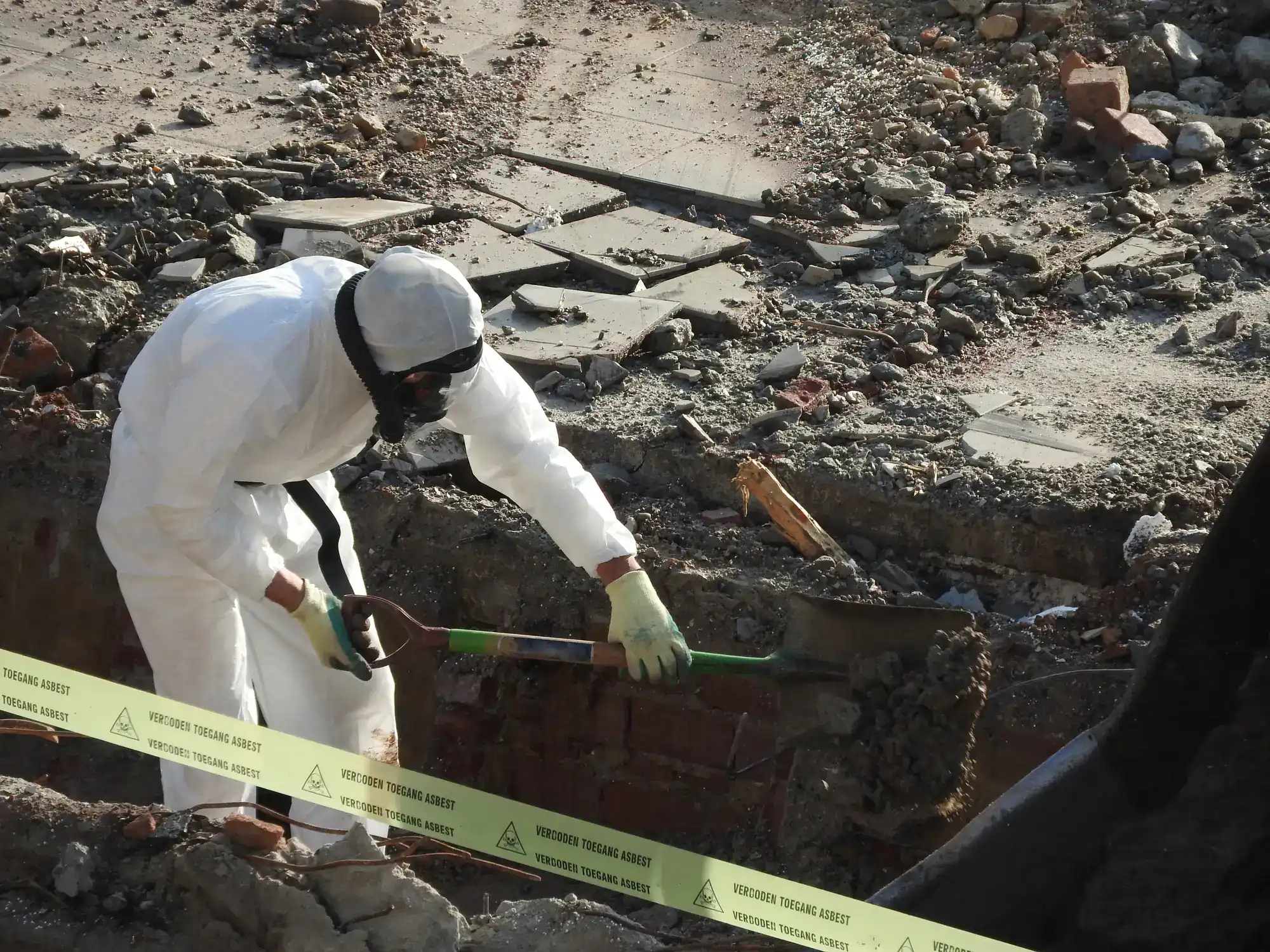
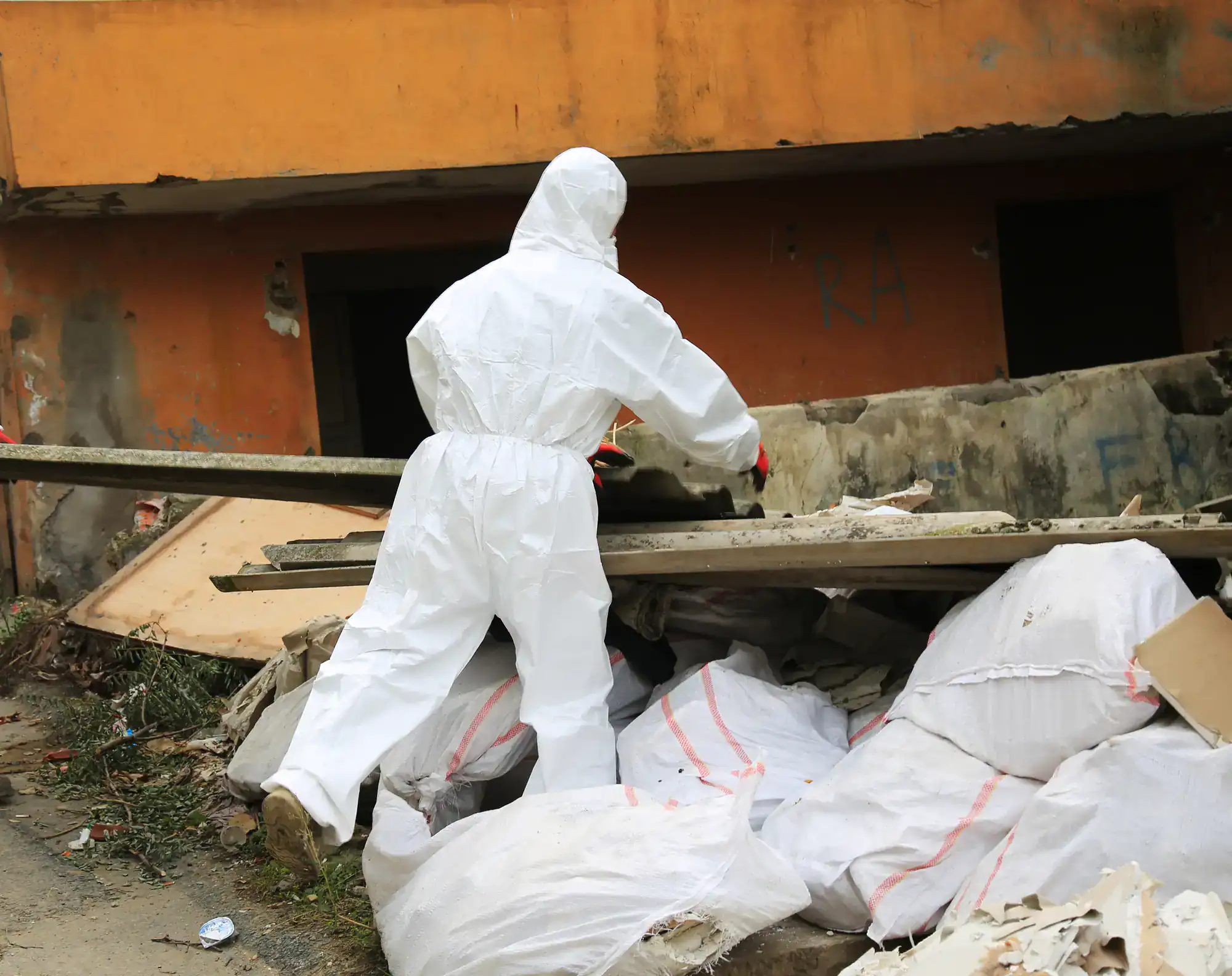
The removal itself is done under full containment: negative air pressure, HEPA filtration, and proper protective equipment throughout. Waste is disposed of at a certified asbestos disposal facility — Montgomery County does not accept asbestos at its Household Hazardous Waste events, so proper disposal requires a licensed contractor from start to finish. After the work is complete, you receive clearance documentation that satisfies permitting, real estate, and regulatory requirements.
Ready to get started?
Asbestos rarely shows up alone. In Norristown’s pre-war and mid-century housing stock, you’re often looking at asbestos and lead paint in the same structure, or asbestos and mold in a basement that’s taken on water from the Schuylkill floodplain. We handle all of it — asbestos testing and abatement, lead inspection and removal, mold remediation, demolition, waterproofing, and environmental clean-outs — under one roof. That matters when you’re managing a renovation timeline and can’t afford to coordinate three different contractors.
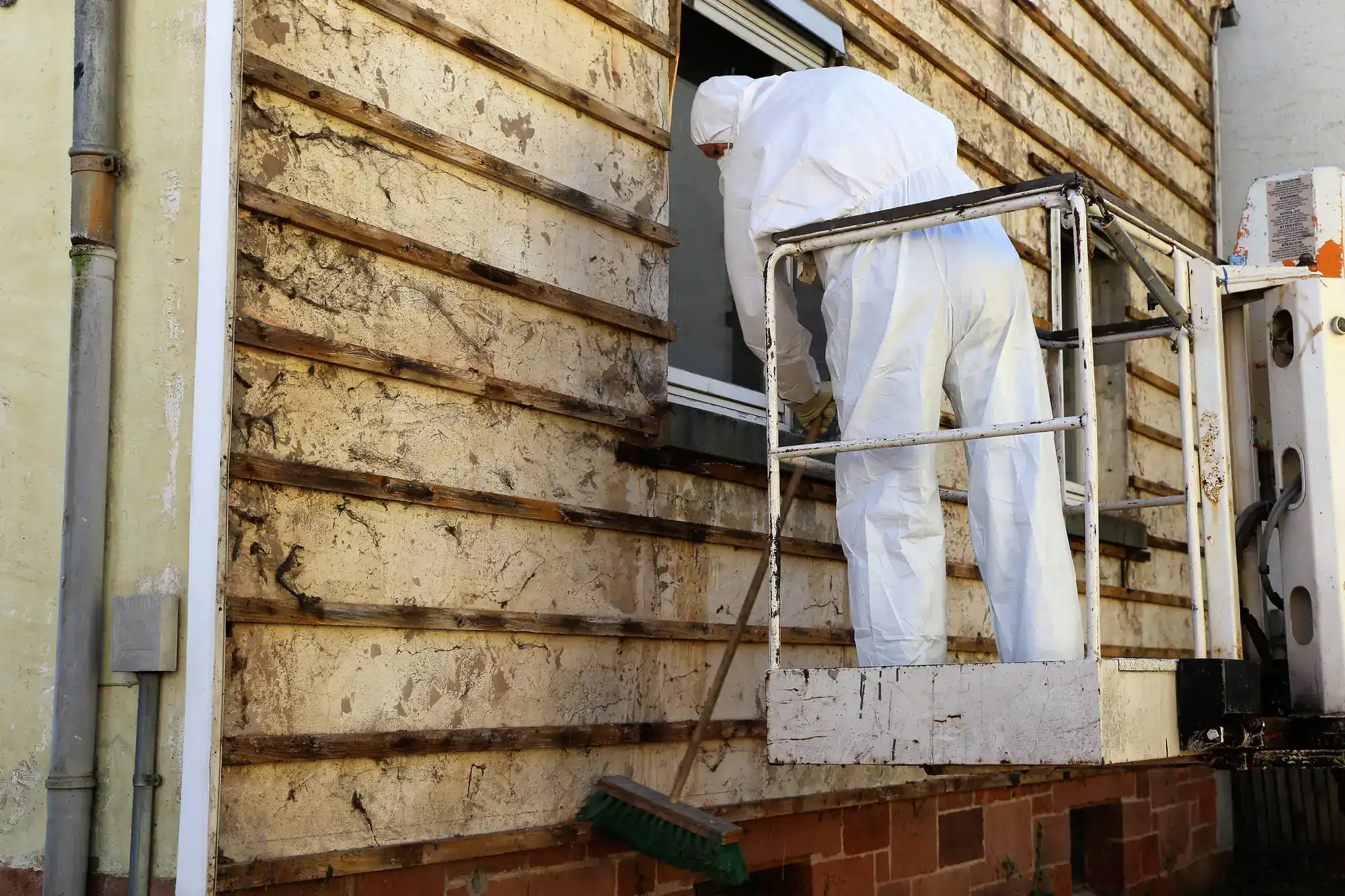
For residential homeowners, our work typically covers the materials most common in Norristown’s housing stock: pipe and boiler insulation, floor tiles, ceiling finishes, joint compound, roofing materials, and exterior siding. For commercial and institutional properties — which are seeing significant activity right now as older borough buildings are redeveloped — we handle pre-demolition surveys, NESHAP-compliant abatement, and all required regulatory documentation.
Every job, residential or commercial, comes with a free estimate upfront and cash discounts that no competitor in this market publicly offers. In a borough where budgets are real and renovation costs add up fast, that’s not a throwaway line — it’s a meaningful difference in what you actually pay.
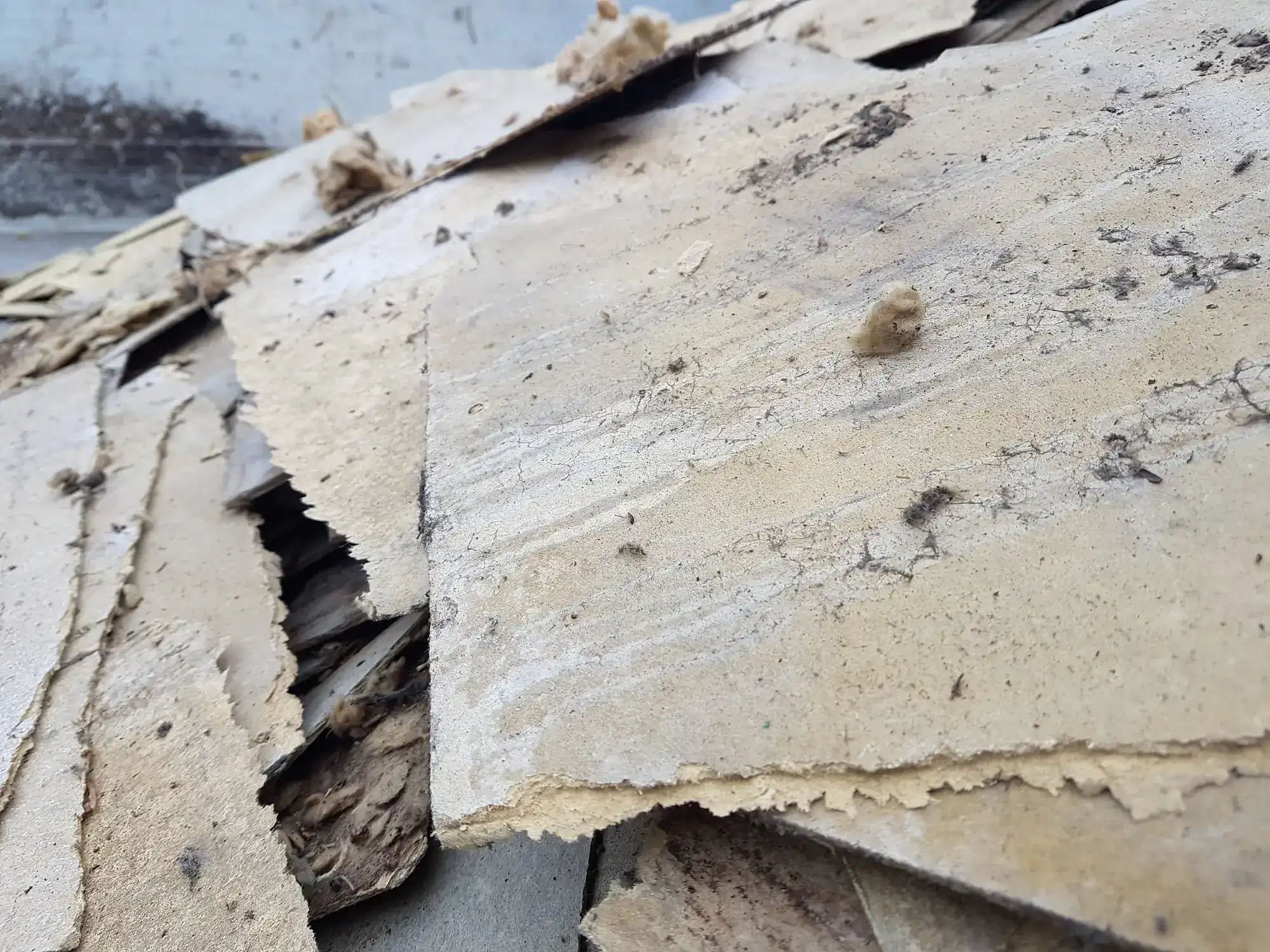
If your row home was built before 1980 — and most of Norristown’s residential core was built well before that — there’s a genuine probability that asbestos-containing materials are present somewhere in the structure. The most common locations in Norristown’s pre-war and mid-century row homes are the pipe insulation on steam heat and hot water systems in the basement, the 9×9 vinyl floor tiles that were standard in kitchens, bathrooms, and basements from the 1940s through the 1970s, and the plaster on original walls and ceilings, which sometimes contained asbestos as a strengthening additive.
Other areas worth checking include the attic insulation, any popcorn or acoustic ceiling finish applied before the mid-1980s, roofing shingles, and exterior siding on older structures. The only way to know for certain is to have samples collected and tested by a licensed professional — visual identification alone isn’t reliable, and disturbing suspect material without testing first is exactly how asbestos exposure happens.
Pennsylvania law prohibits DIY asbestos removal in commercial settings outright, and while residential removal isn’t technically illegal, it carries serious health and legal risks that make it a genuinely bad idea. Asbestos fibers are microscopic and become airborne the moment the material is disturbed. Without proper containment — negative air pressure, HEPA filtration, full protective equipment — you can contaminate the rest of the house, neighboring units, and expose your family to fibers that cause mesothelioma, lung cancer, and asbestosis.
Beyond the health risk, improper removal creates liability. If you sell the home later and a buyer’s inspection turns up evidence of improper abatement, you’re looking at a failed transaction or worse. In Norristown’s active real estate market, where older homes change hands regularly, clearance documentation from a licensed contractor is something buyers and their attorneys increasingly expect to see. The cost of doing it right the first time is far lower than the cost of undoing a DIY job.
In most cases, yes — at least for the duration of the active removal work. Once containment is established and negative air pressure is running, the work area is isolated from the rest of the home, but residents are generally advised to vacate until the work is complete and clearance air testing confirms that fiber levels are back to acceptable levels. For larger jobs or whole-house abatement, that could mean being out for a day or more.
In Norristown specifically, where row homes and twins share walls with neighboring units, proper containment is especially important. Asbestos fibers don’t respect property lines, and in a dense residential environment, inadequate containment can affect adjacent homes. We use full negative air pressure containment on every job precisely because of this — and we’ll walk you through the timeline and displacement expectations before work begins so you’re not caught off guard.
Cost varies based on the scope of the job — what materials are involved, how much square footage needs to be addressed, and whether you’re dealing with friable or non-friable asbestos. In Norristown’s market, where many jobs involve older row homes with multiple asbestos-containing materials — pipe insulation, floor tiles, and ceiling finishes sometimes all in the same property — the scope can vary significantly from one job to the next.
What you should always get before committing is a written estimate. We offer free estimates, so you know the actual number before any work begins. We also offer cash discounts, which in a borough where renovation budgets are real and finite makes a genuine difference. The cost of professional abatement is also worth weighing against the alternative — a failed home inspection, a real estate deal that falls through, or a landlord liability situation that costs far more than the removal would have.
Pennsylvania requires advance notification to the PA Department of Environmental Protection before friable asbestos removal that exceeds three square or three linear feet — and that notification must be submitted at least five days before work begins. For larger commercial or demolition projects that exceed federal NESHAP thresholds (160 square feet, 260 linear feet, or 35 cubic feet of regulated asbestos-containing material), notification to the EPA is also required. These aren’t optional steps — skipping them can result in fines of $25,000 or more.
At the local level, the Borough of Norristown requires building permits for renovation and demolition work, and pre-demolition asbestos surveys are a prerequisite for demolition permits on pre-1980 structures. Given the volume of redevelopment currently underway in Norristown — the Norristown State Hospital site, the residential conversions on Arch Street, the Main and DeKalb corridor — this permitting requirement is coming up constantly for developers and contractors working in the area. We handle all required notifications and documentation as part of the job, so you’re not navigating the regulatory paperwork on your own.
Norristown is a working borough with real renovation budgets, and we know that. Cash discounts reduce processing costs on both sides of the transaction, and we pass that savings directly to you rather than keeping it as margin. It’s a straightforward arrangement that works especially well for homeowners and landlords managing tighter budgets on older properties — the kind of properties that make up a significant share of Norristown’s housing stock.
It’s also worth noting that no competitor in this market publicly advertises cash discounts. For a homeowner pulling up 1950s floor tiles in a Norristown row home or a landlord renovating a multi-family rental unit on a fixed budget, the ability to reduce the total cost of a licensed, properly documented abatement job is a real and meaningful benefit. The discount doesn’t change what gets done or how carefully it’s done — we use the same HEPA filtration systems, the same containment protocols, and the same licensed, certified crew on every job regardless of how you pay.
Other Services we provide in Norristown