Hear from Our Customers
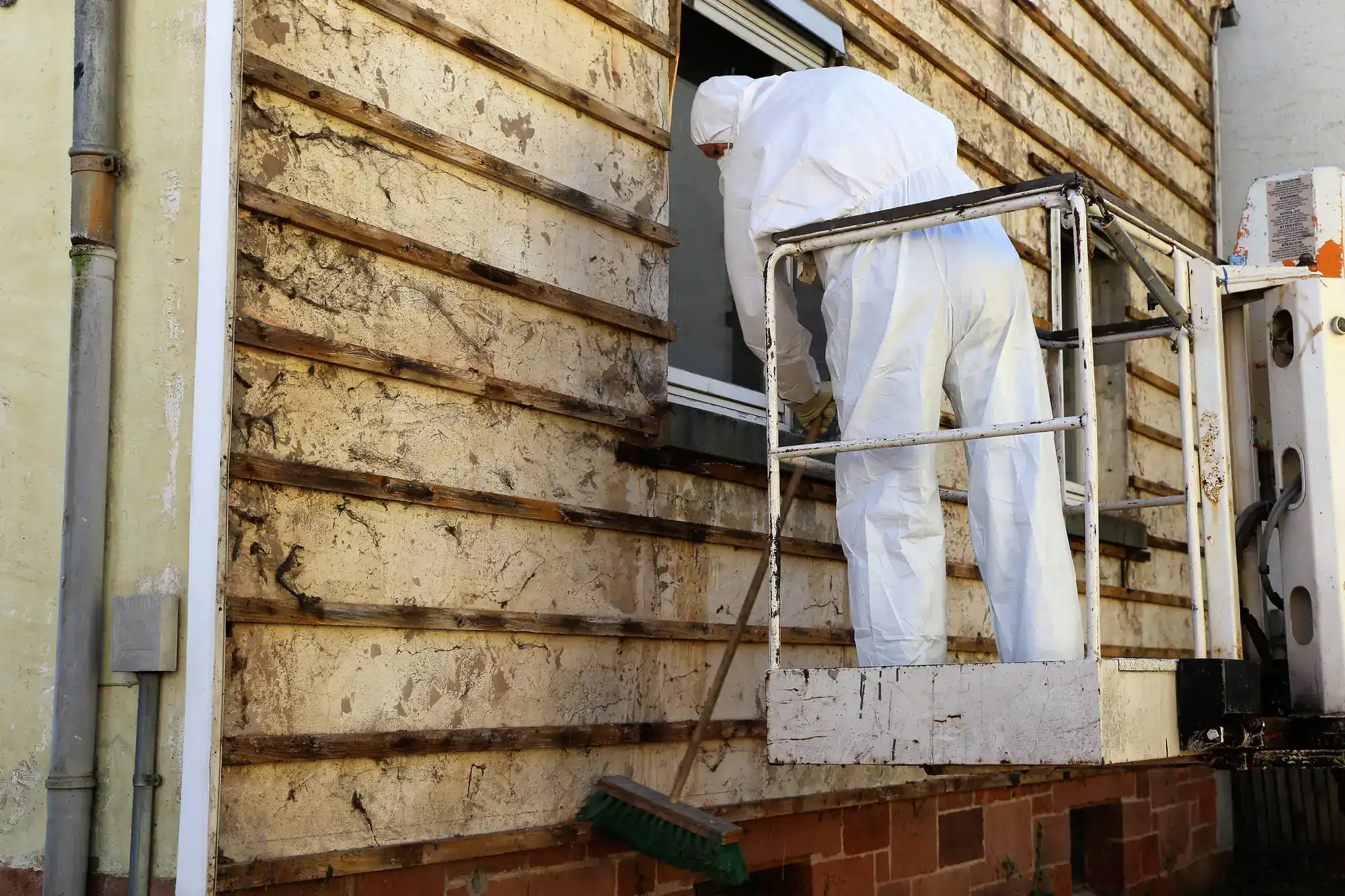
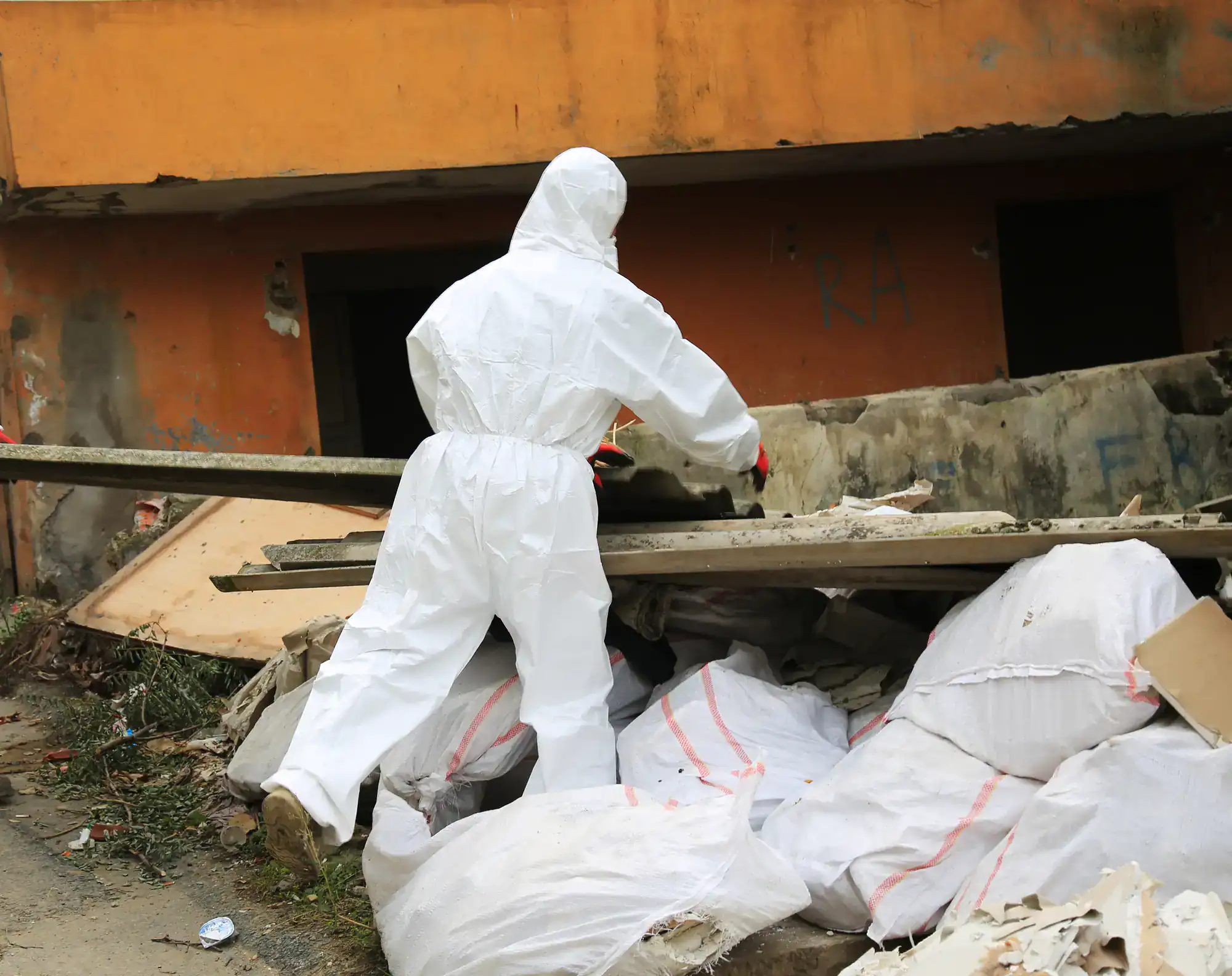
Finding asbestos mid-renovation is one of those moments that stops everything. The contractor is waiting, the demo is half done, and now you’re not sure what you’re looking at or who to call. That’s exactly the situation we were built for — and it happens more than you’d think in Montgomeryville, where a significant share of the housing stock dates to the 1950s through 1980s, right in the window when asbestos was used in floor tiles, pipe insulation, ceiling texture, joint compound, and duct wrap.
What you get after working with us isn’t just “the asbestos is gone.” It’s a cleared, documented, fully compliant space that your contractor can walk back into without hesitation. No lingering questions about air quality. No liability hanging over the project. No scrambling to find a second company to handle the disposal because, unlike most abatement contractors, we handle the entire scope — testing, removal, containment, and clean-out — under one roof.
For homeowners in Montgomeryville who are renovating to stay competitive in the North Penn School District real estate market, that continuity matters. A stalled project costs money. A cleared project keeps moving.
We’ve been doing this work in Montgomery County for two decades. That means our team has walked into basements, crawl spaces, and mechanical rooms all across Montgomeryville and the surrounding area and seen essentially every scenario a pre-1980 home can throw at them. Pipe wrap on a 1960s boiler. Asbestos floor tiles under three layers of new flooring. Popcorn ceilings in a home that’s been in the same family since Montgomeryville was still mostly farmland.
We are fully licensed under the Pennsylvania Department of Labor and Industry, EPA and HUD compliant, bonded, and insured. We have a Certified Lead Inspector and Risk Assessor on staff — which matters when you’re dealing with older homes that often have both asbestos and lead paint in the same materials. Montgomery County’s own guidance tells homeowners to use only licensed contractors for this work. We are exactly what that looks like.
It starts with a call — and we answer those calls around the clock, including nights and weekends, because asbestos discoveries don’t follow business hours. A contractor finds something at 4 PM on a Friday in a Montgomeryville basement. A furnace fails in December and the insulation wrap looks wrong. Those moments need a real response, not a voicemail.
Once you reach out, we coordinate an inspection and, if needed, lab testing to confirm whether asbestos-containing materials are present and in what condition. From there, we put together a clear scope of work and a free estimate before anything is scheduled. In Montgomery Township, any renovation of a pre-1980 structure is subject to building permit requirements and Pennsylvania DEP notification rules — we handle that side of the process so you’re not navigating state compliance paperwork on your own.
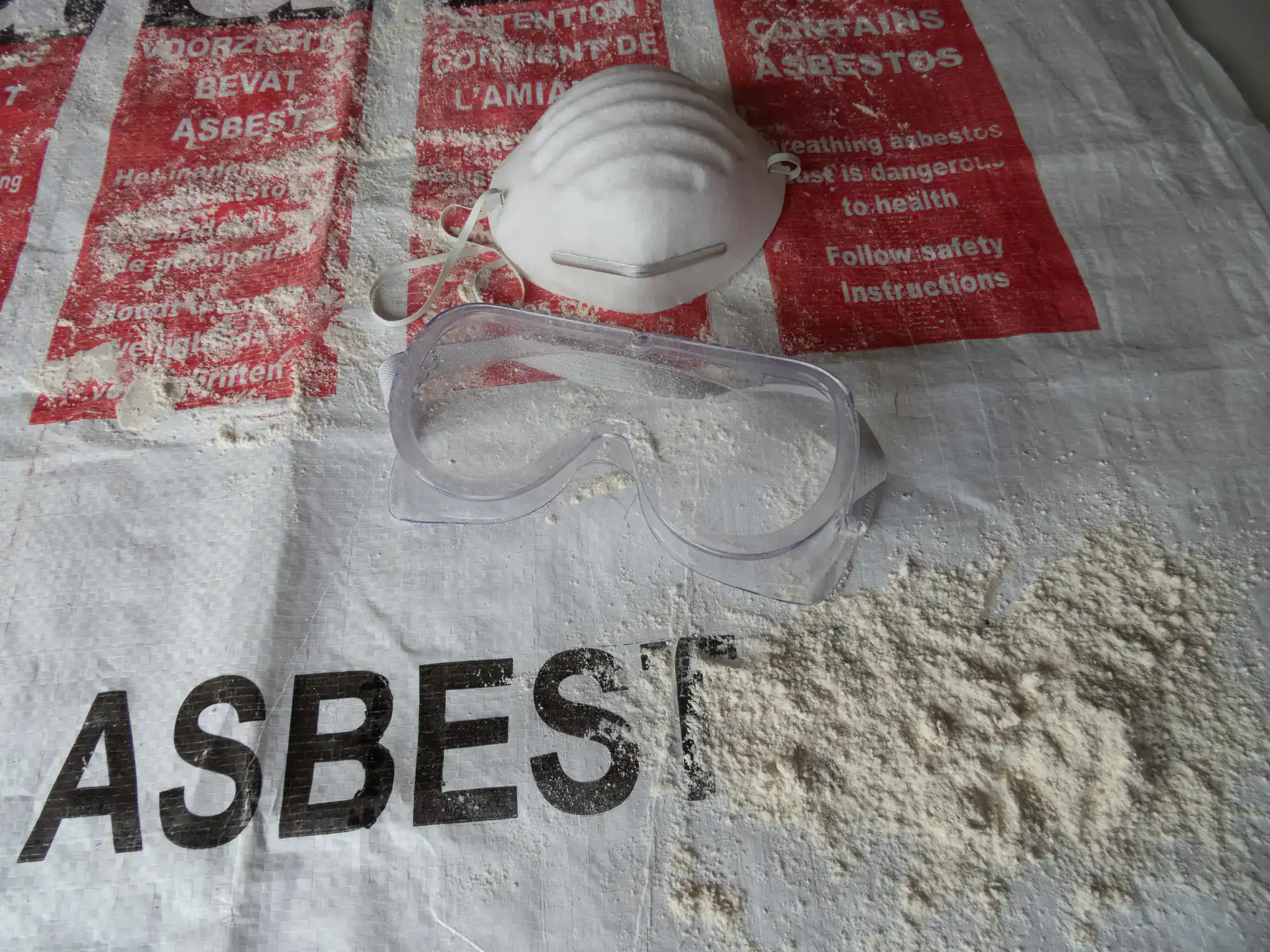
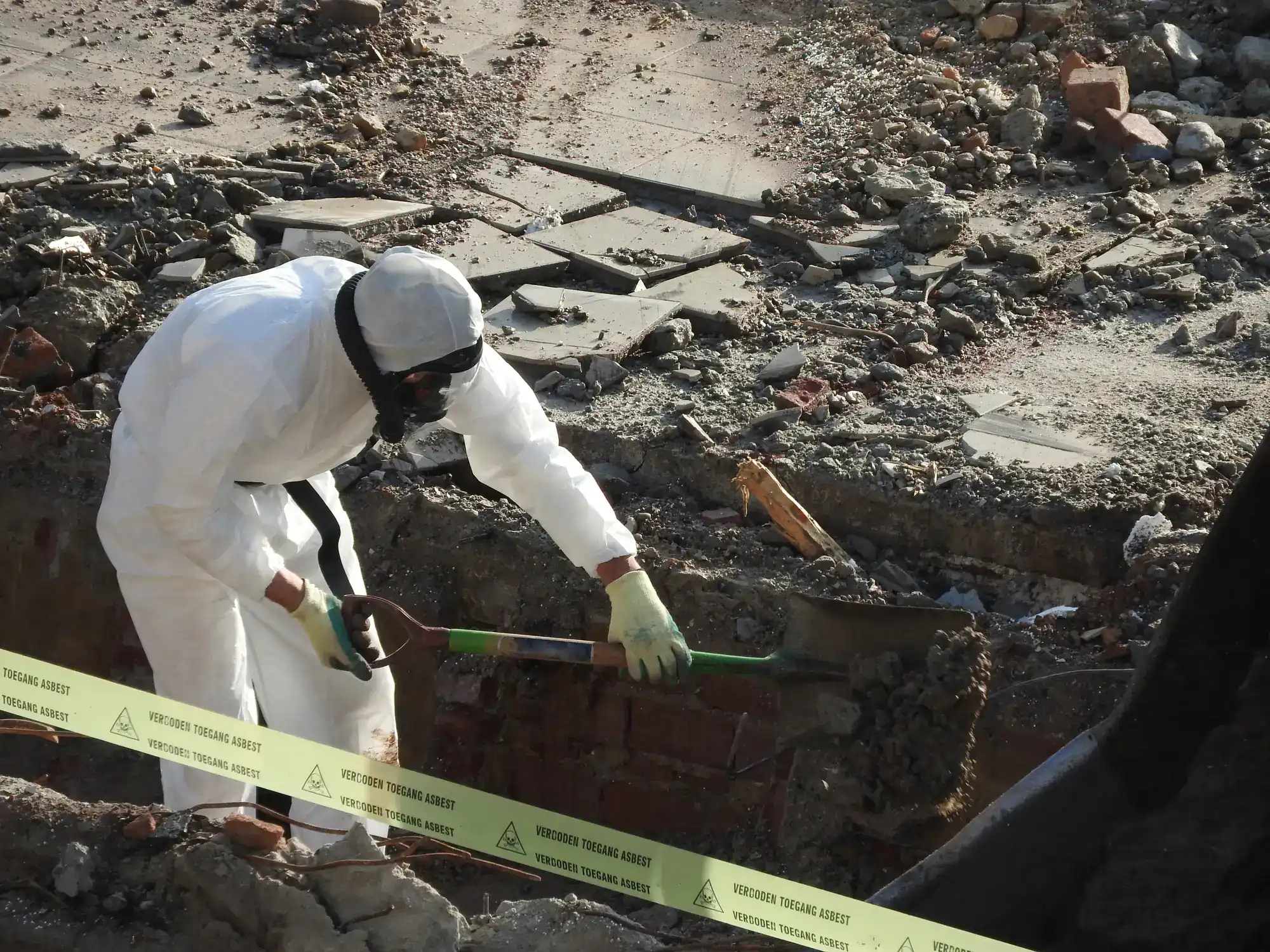
The abatement itself is done using HEPA filtration systems and negative air pressure containment. That’s not a formality — it’s what prevents the removal process from creating a worse air quality problem than the one you started with. When the work is complete, we provide post-abatement clearance documentation so your contractor, your real estate agent, or your own peace of mind has something concrete to stand on.
Ready to get started?
Most asbestos removal firms handle one piece of the problem. We handle all of it. Testing and inspection, abatement and containment, demolition and gutting if needed, waterproofing, and full environmental clean-out — that’s the scope we cover without handing you off to someone else. For Montgomeryville homeowners managing an active renovation, that single-company continuity is the difference between a two-week delay and a project that keeps moving.
The homes in and around Montgomeryville — particularly those built before the 1980s development boom that created communities like The Orchards and Hampton Green — commonly contain asbestos in floor tiles, pipe and boiler insulation, ceiling tiles, acoustic texture, and joint compound. Commercial properties along the Route 309 and US 202 Business corridor, some dating to the 1970s, carry similar risk when spaces are reconfigured or tenants turn over. We work across both residential and commercial scopes in Montgomery County.
Every job uses state-of-the-art equipment, HEPA-rated air filtration, and full compliance with EPA, HUD, and Pennsylvania DEP standards. Montgomery County does not accept asbestos at its Household Hazardous Waste events — there is no self-disposal path. We handle certified disposal as part of the job. Free estimates are available, cash discounts apply, and we are reachable any time you need us.

Yes, and there are actually two layers to be aware of. At the local level, Montgomery Township requires a building permit before any renovation, alteration, or demolition work begins — that includes the kinds of projects most likely to uncover asbestos, like basement finishes, kitchen remodels, and HVAC replacements. If your project is in a pre-1980 home in Montgomeryville, a pre-renovation asbestos survey is the responsible first step before that permit work gets underway.
At the state level, Pennsylvania DEP requires advance notification before the removal of friable asbestos material that exceeds 3 square or 3 linear feet — a threshold that most meaningful residential jobs will meet. For larger commercial or demolition projects, federal NESHAP regulations require a minimum 10-working-day advance notice to state environmental agencies. We handle the compliance and notification side of this process as part of the job, so you’re not left figuring out state paperwork on your own while a renovation sits waiting.
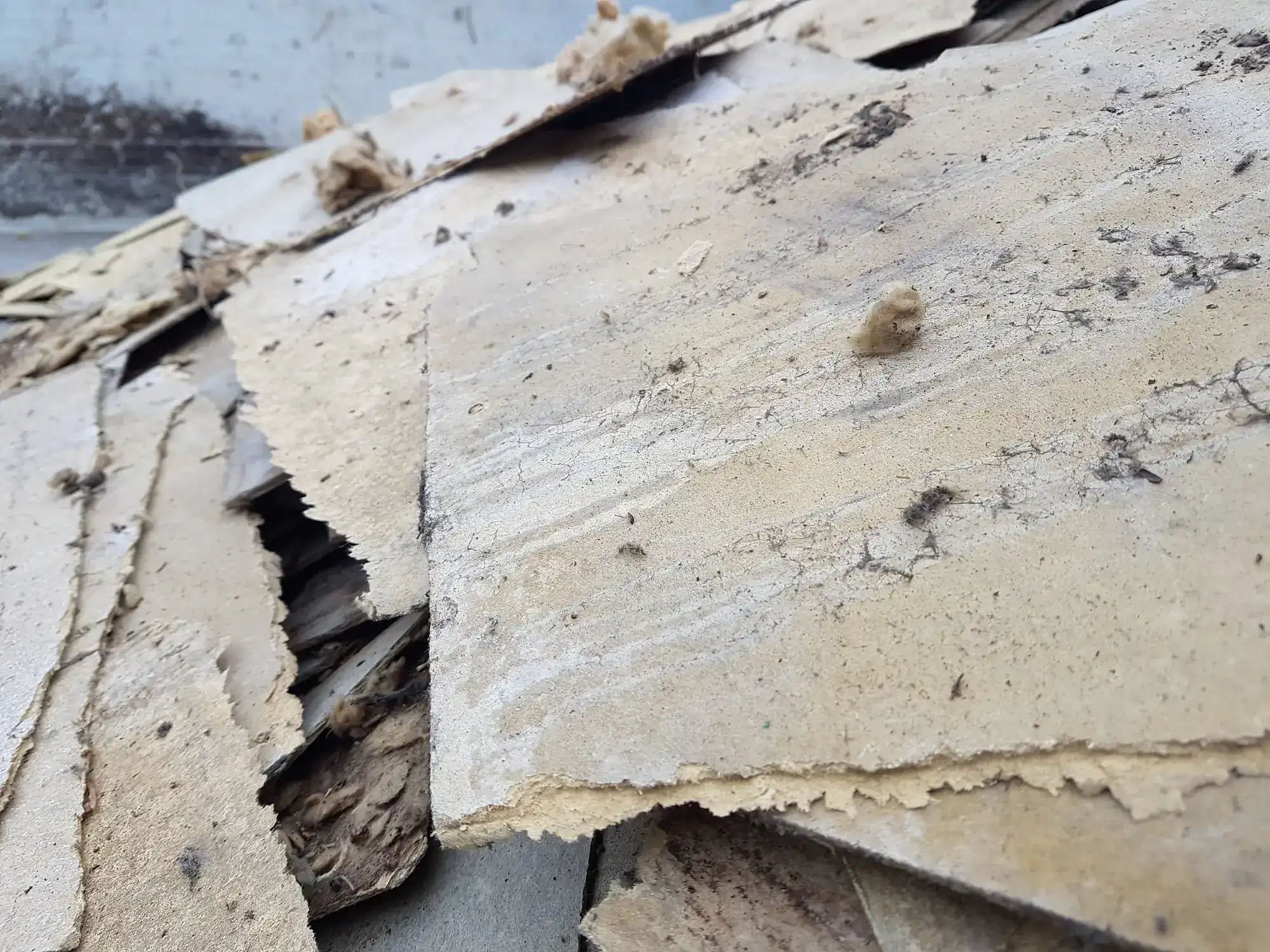
You can’t know for certain just by looking. Asbestos-containing materials don’t look different from non-asbestos materials — the only way to confirm is lab testing of a physical sample. What you can do is use age as a starting point: if your home was built before 1980, there’s a meaningful chance that some materials contain asbestos. That includes floor tiles, vinyl sheet flooring backing, pipe and boiler insulation, ceiling tiles, popcorn or acoustic ceiling texture, joint compound, plaster, and roofing shingles.
In Montgomeryville specifically, a large portion of the older housing stock dates to the 1950s through 1970s — well within the window when these materials were standard. Homes from that era that haven’t had major mechanical or structural updates are the ones most likely to still have original asbestos-containing components in place. If you’re planning a renovation, buying or selling a home, or you’ve noticed damaged or deteriorating insulation or tile, the right move is to get it tested before anyone disturbs the material. We can coordinate that inspection and get you a clear answer.
In some cases, no — leaving it undisturbed is actually the right call. Asbestos that is in good condition and not at risk of being damaged or disturbed is generally considered non-friable, meaning it’s not actively releasing fibers into the air. In those situations, encapsulation — sealing the material rather than removing it — may be the appropriate approach, and a qualified inspector can assess whether that’s viable for your specific situation.
The problem is that “undisturbed” is harder to guarantee than it sounds. A renovation that seems unrelated to the asbestos location can still create vibration, dust, or demolition debris that disturbs nearby materials. Aging materials can also become friable on their own over time — pipe wrap that was intact five years ago may be crumbling now, especially in older mechanical systems that are cycling through heating seasons. If you’re in a pre-1980 home in Montgomeryville and you’re planning any kind of project, or if you’ve noticed deterioration in insulation or tile, it’s worth getting a professional assessment before assuming the material is safely contained.
For a typical residential job, the national range runs roughly $1,200 to $3,200, but the actual number for your home depends on several factors: the type of material involved, how much of it there is, where it’s located, and whether it needs to be fully removed or can be encapsulated. Floor tile removal in a single room is a very different scope than full pipe insulation removal throughout a basement mechanical system.
In Montgomeryville and the broader Montgomery County area, older homes with original boilers, furnaces, and duct systems sometimes present larger scopes than homeowners initially expect — particularly when the insulation wrap has been in place since the 1950s or 1960s and covers significant linear footage. The best way to get an accurate number for your specific situation is a free estimate, which we provide before any work is scheduled. There are no surprises built into the quote, and cash discounts are available — something most abatement contractors in this area don’t offer. You’ll know what you’re looking at before you commit to anything.
Pennsylvania law requires that asbestos abatement work be performed by a contractor licensed under the Pennsylvania Asbestos Accreditation and Certification Act through the Department of Labor and Industry. This isn’t a technicality — it’s a meaningful requirement that exists because improper removal can result in higher airborne fiber concentrations after the work than before it. Disturbing asbestos without proper containment, filtration, and disposal protocols can turn a manageable problem into a serious health and liability issue.
Beyond the licensing requirement, there’s also the disposal side to consider. Montgomery County does not accept asbestos-containing materials at its Household Hazardous Waste events, which means there is no legal self-disposal path available to homeowners. A licensed contractor has access to certified disposal facilities and handles that piece as part of the job. Attempting to bag and trash asbestos materials on your own is both illegal and genuinely dangerous. If you’re in Montgomeryville and you’ve found something you think might be asbestos, the right move is to stop work, leave the material undisturbed, and call a licensed abatement contractor before anything else gets touched.
It comes down to how we’re structured. We are a locally operated company that has been working in Montgomery County for twenty years — not a large regional franchise with layers of overhead baked into every invoice. Accepting cash on certain jobs reduces our processing costs and administrative load, and we pass that savings directly to you rather than absorbing it as margin. It’s a straightforward decision that reflects how we operate.
For Montgomeryville homeowners who are already managing the cost of a renovation — and dealing with an unexpected asbestos discovery mid-project is rarely a budgeted line item — that discount is a real number, not a rounding error. Combined with our free estimate policy, it means you can get a clear picture of what the job will cost before committing, and potentially reduce that cost further depending on how you pay. In a community where residents are value-conscious and protective of their home investment, that kind of transparency tends to matter. It’s one of the reasons we’ve stayed the most referred environmental contractor in Montgomery County for as long as we have.
Other Services we provide in Montgomeryville