Hear from Our Customers
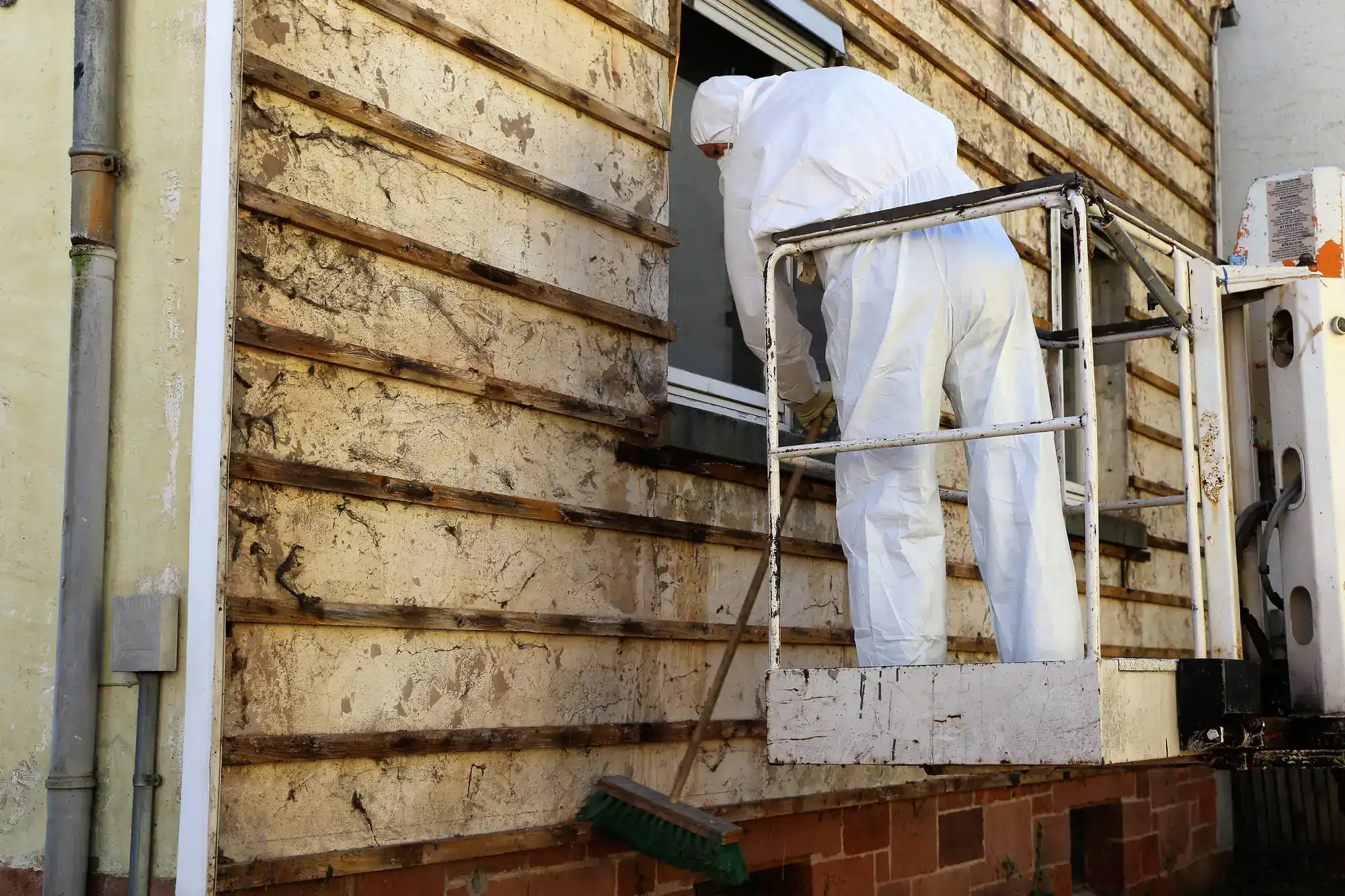
When asbestos is removed correctly, you stop inheriting someone else’s problem. You can renovate without stopping mid-project. You can sell without a disclosure nightmare. You can breathe — literally — without wondering what’s floating around in a home you’ve invested everything into.
Haverford’s housing stock tells the story clearly. The township’s own history notes that most homes were built in the first half of the 20th century. The Chatham Park neighborhood went up in the 1940s. Brookline dates to 1909. Llanerch to 1897. These are beautiful homes — but they were built during the decades when asbestos was in everything: floor tiles, pipe insulation, boiler wrap, plaster, joint compound, popcorn ceilings. If you’re renovating, selling, or just trying to understand what you’re living with, you need a licensed asbestos removal contractor who has actually worked in homes like yours.
With average home values in the 19041 ZIP code historically near $849,000, a failed inspection or a botched removal doesn’t just create a health risk — it creates a financial one. Getting it done right the first time protects your home, your family, and your investment in one of the most sought-after communities on the Main Line.
We’ve been doing this work across Delaware County — and throughout Chester, Montgomery, Bucks, and New Castle Counties — for two decades. Haverford is squarely in our core territory, not a market we’re expanding into. We’ve worked in the pre-war Colonials near Lancaster Avenue, the mid-century Cape Cods in Havertown, and the historic properties throughout the township. We know what these homes hold.
We’re fully licensed by the Pennsylvania Department of Labor and Industry, EPA and HUD compliant, and fully bonded and insured. We have a certified lead inspector and risk assessor on staff — which matters in a community where lead paint and asbestos frequently share the same walls. We use HEPA filtration systems on every job, not as an upgrade, but as a standard. And we’re available 24/7, because mid-renovation discoveries don’t wait for business hours.
It starts with a free estimate. We come to your property, assess what you’re dealing with, and give you a straight answer — what’s there, what needs to happen, and what it’s going to cost. No vague ranges. No pressure. Just a clear picture so you can make an informed decision.
If testing is needed, we handle that too. Samples go to an accredited lab, and we walk you through the results. From there, we build a removal plan specific to your home — because a 1909 Brookline-neighborhood property with original pipe insulation is a different job than a 1947 Chatham Park house with floor tile and popcorn ceilings. Pennsylvania DEP requires advance notification before friable asbestos removal begins, and we handle all of that paperwork on your behalf. You don’t have to figure out the regulatory side — that’s our job.
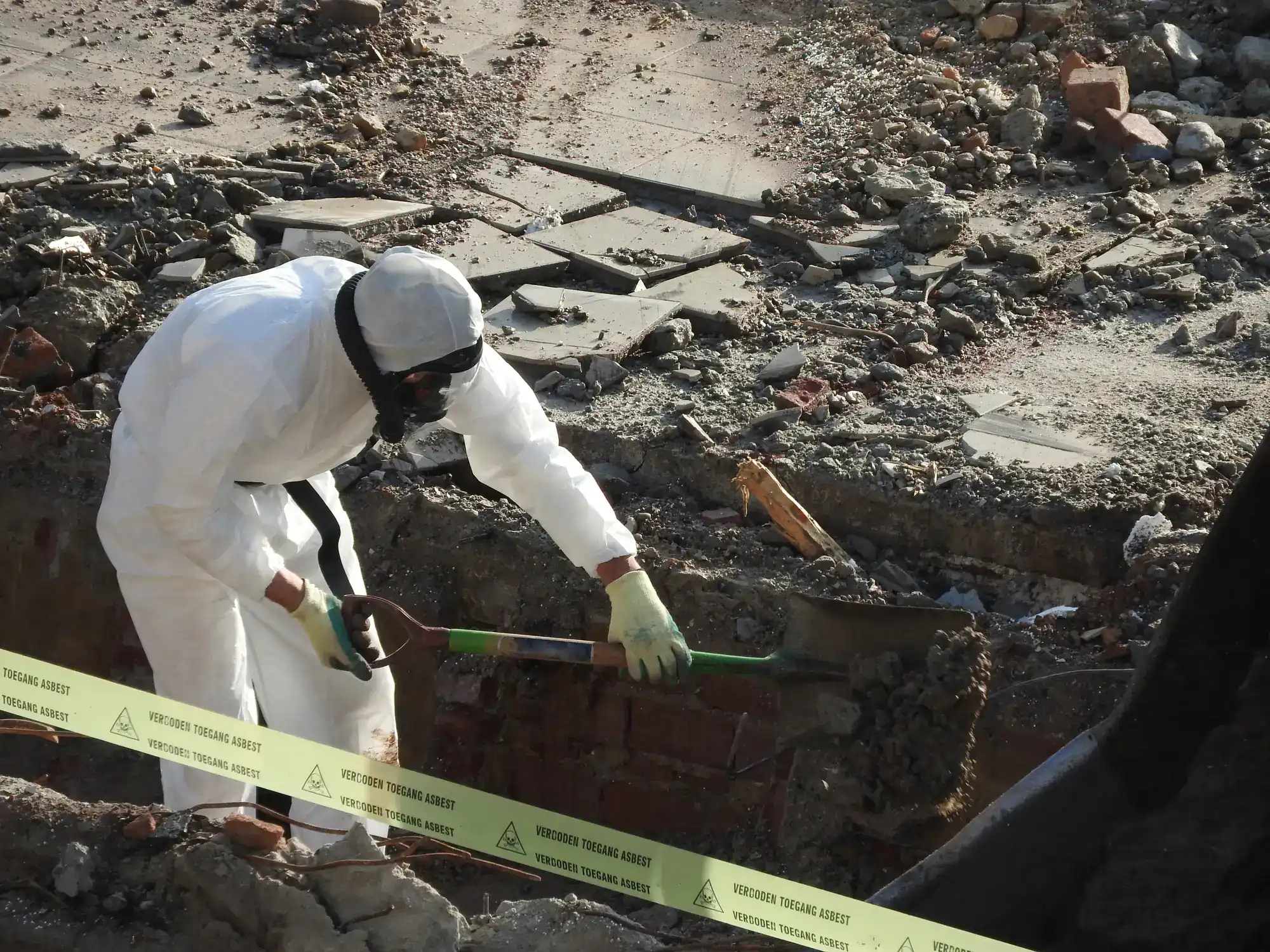
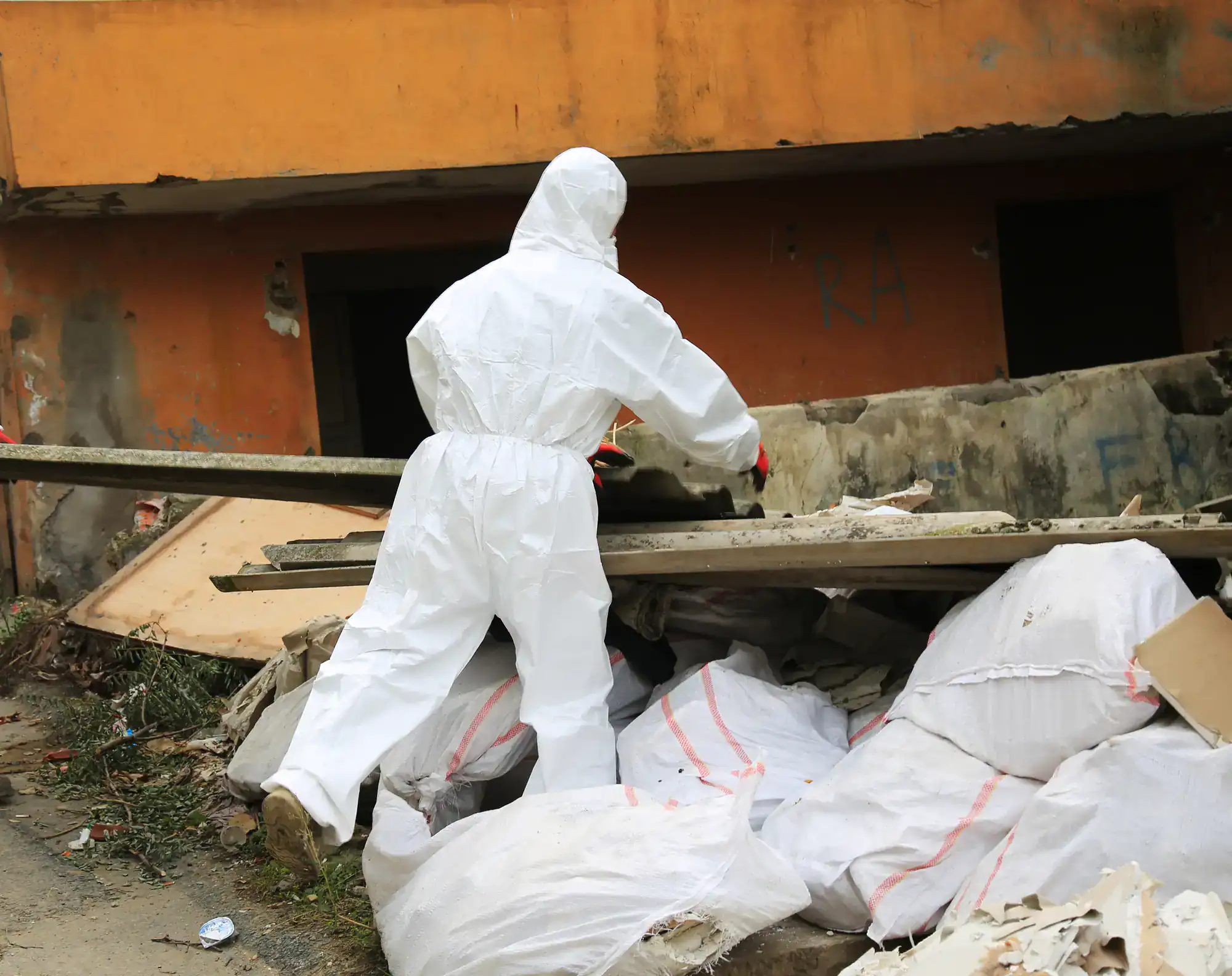
During the removal itself, we use full containment, negative air pressure, and HEPA filtration to make sure nothing spreads beyond the work area. When the job is done, we provide documentation — lab results, clearance reports, and a paper trail you can hand to a buyer, a real estate attorney, or your own files. We also handle lead abatement, mold remediation, demolition, and waterproofing if needed — so you’re not calling three different contractors to finish one project.
Ready to get started?
Asbestos shows up differently depending on when your home was built and what’s been done to it since. In Haverford’s older housing stock, the most common locations are pipe and boiler insulation in basement mechanical rooms, floor tiles and the adhesive beneath them, plaster and joint compound in walls and ceilings, popcorn or textured ceiling finishes, and roofing materials on older structures. If you’re opening walls, replacing HVAC, finishing a basement, or preparing a home for sale, any of these materials could be in play.
We handle the full scope — inspection, testing, abatement, and clearance — under one roof. If demolition needs to happen before the abatement can proceed, we do that too. If there’s mold behind the walls or lead paint on the trim, we’re already equipped to handle it. For homeowners near the Haverford College corridor or in the older estates throughout the township, that kind of comprehensive capability matters. You’re not managing a relay race between three separate contractors while a renovation sits on hold.
For real estate transactions specifically — which drive a significant portion of asbestos inquiries in a market this active — we move quickly, document everything, and understand that your closing date is a real deadline. Delaware County has its own permitting and regulatory requirements, and we know them. We’ve been working in this county for twenty years.
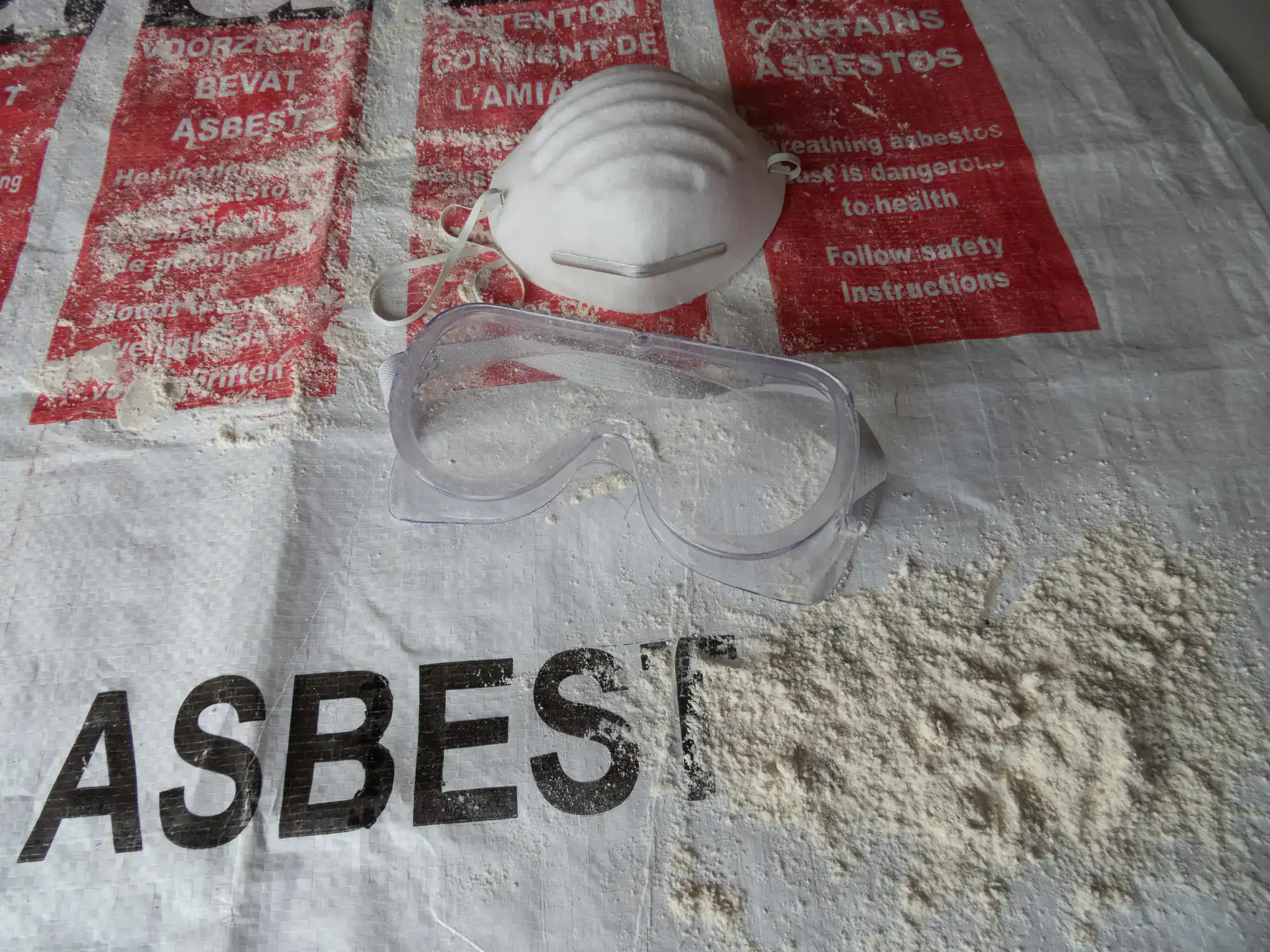
If your home was built before 1978 — which describes the vast majority of Haverford’s housing stock — testing before any major renovation is strongly recommended and, depending on the scope of work, may be legally required. Pennsylvania DEP regulations require advance notification before the removal of friable asbestos above certain thresholds, and federal NESHAP rules apply to larger renovation and demolition projects. If a contractor disturbs asbestos-containing material without proper handling, it doesn’t just create a health hazard — it can trigger regulatory penalties and turn a contained problem into a much larger one.
The practical answer is this: testing is relatively inexpensive compared to what happens if you skip it and find out mid-project. A kitchen gut, a bathroom overhaul, a basement finishing project — any of these can expose floor tiles, pipe insulation, or joint compound that contains asbestos. Getting a professional assessment before the work starts gives you a clear picture, a plan, and the documentation to prove the work was handled correctly. In a Haverford home worth $500,000 or more, that’s not an optional step.
For most residential jobs — a single room, a section of pipe insulation, or a contained area of flooring — the work takes one to three days. Larger projects, like whole-house abatement or a full basement mechanical room, can run three to five days or longer depending on the scope. The timeline also depends on how the work is staged: if demolition needs to happen before abatement can begin, or if lead paint is being addressed at the same time, that adds time to the overall project.
One thing that affects scheduling specifically in Delaware County and Haverford is the Pennsylvania DEP notification requirement. For friable asbestos removal above regulatory thresholds, we’re required to notify DEP at least five working days in advance. We handle that notification as part of the process, but it’s something to account for when you’re planning a renovation timeline. If you’re working against a real estate closing date or a contractor start date, call us early — the sooner we can assess and schedule, the more flexibility you have.
It depends on the scope of the work and where in the home it’s happening. For contained jobs — a section of pipe insulation in a sealed basement, for example — occupants can often remain in other parts of the home as long as proper containment is in place. For larger jobs that involve multiple areas, significant demolition, or work in living spaces, temporary relocation is typically the safer and more practical choice.
We set up full containment barriers, negative air pressure systems, and HEPA filtration on every job to prevent fibers from migrating beyond the work area. That said, we’ll give you a straight answer during the estimate about what’s realistic for your specific situation. Some Haverford homeowners manage to stay with family or in short-term accommodations for a day or two and come back to a cleared, documented home. Others prefer to be out entirely. We’ll tell you what we’d recommend based on the actual scope — not a blanket policy.
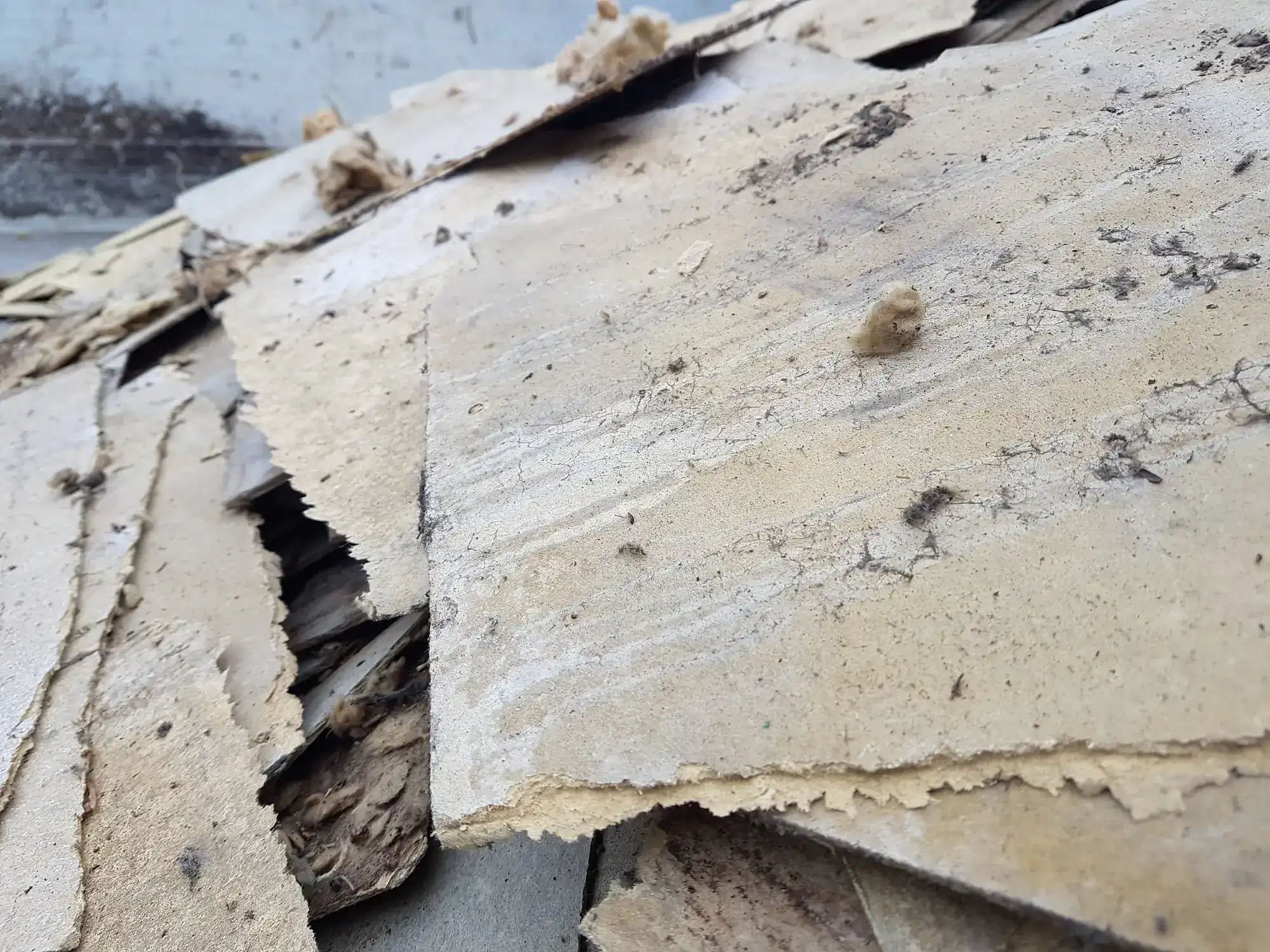
In homes built between the 1930s and 1970s — which covers most of Haverford’s residential neighborhoods — asbestos was used in a wide range of building materials. The most common locations we find it are pipe and boiler insulation in basement mechanical rooms, vinyl floor tiles and the black mastic adhesive underneath them, textured or popcorn ceiling finishes, plaster and joint compound in walls and ceilings, and roofing shingles or siding on older structures.
In Haverford specifically, the steam heating systems common in pre-war homes are one of the more frequent sources. Many of these homes still have original or partially-replaced pipe insulation that wraps around the distribution lines running through the basement. It’s the kind of thing that looks fine until someone bumps it during a renovation or a freeze-thaw cycle causes it to crack and flake. If your home has an older cast-iron radiator system and you haven’t had the insulation assessed, that’s worth putting on your list.
Yes — in both directions. Undisclosed asbestos that surfaces during a buyer’s inspection can kill a deal or significantly reduce your negotiating position. On the other hand, a home where asbestos has been professionally removed, documented, and cleared gives a buyer something concrete: a licensed contractor’s report, lab clearance results, and a paper trail that removes the uncertainty entirely. In a market where Haverford Township homes are listing at a median of $575,000 and the 19041 ZIP code has historically averaged closer to $849,000, buyers at that price point are not going to overlook an unresolved environmental issue.
We work with homeowners who are preparing to list, buyers who’ve flagged a concern during inspection, and real estate attorneys who need documentation before a closing can proceed. We understand that real estate timelines are real — and that a week of delays can cost more than the abatement itself. If you’re in a transaction and need this handled quickly and correctly, that’s exactly the kind of job we’re built for.
The free estimate exists because we think you should know exactly what you’re dealing with before you commit to anything. Asbestos abatement isn’t a category where vague ballpark figures serve anyone well — the scope, the materials involved, and the regulatory requirements all affect the cost, and you deserve a real number based on your actual home. Coming out to assess it costs us time, but it gives you the information you need to make a decision without financial pressure attached to the conversation.
The cash discount is straightforward: it reduces transaction costs on both ends, and we pass that savings directly to you. In a community like Haverford, where homeowners are often managing significant renovation budgets across multiple contractors and trades, every honest dollar saved on a line item matters — even when the overall project is substantial. It’s not a gimmick. It’s just a practical way to reward a simple transaction. If you’re paying cash and want to know what that looks like on your specific job, ask us when we come out for the estimate.
Other Services we provide in Haverford