Hear from Our Customers
When water starts showing up in your basement — whether it’s after a heavy rain or just a slow creep along the foundation wall — the damage doesn’t stop at wet floors. In Wyncote, where the Tookany Creek watershed has sent up to 12 inches of water into nearby Cheltenham homes during a single storm event, that kind of intrusion is a real and recurring problem. A properly installed french drain system redirects that water before it ever builds pressure against your foundation.
For homes in the Wyncote Historic District — many of which were built in the 1880s through 1920s — the stakes are even higher. Stone and brick foundations from that era were never designed with modern waterproofing in mind. They absorb. They crack. And once hydrostatic pressure finds a weakness, it keeps finding it. Getting a french drain in the right place, with the right slope and the right outlet, stops that cycle before it turns into a structural problem.
What you’re left with is a basement you can actually use, a foundation that isn’t quietly deteriorating, and the peace of mind that comes from knowing the fix was done correctly — not just quickly.
We’ve been working in Montgomery County for about two decades. That’s not a tagline — it’s just how long it takes to understand the specific drainage challenges, soil conditions, and housing stock that define Wyncote and the surrounding communities. The clay-heavy soils throughout southeastern Montgomery County don’t drain the way sandy or loamy soils do. Water pools. Pressure builds. And in a neighborhood full of Victorian-era estates and pre-war Colonials like those throughout Wyncote, that’s a problem that needs someone who actually knows what they’re walking into.
What makes us different from most drainage contractors working in this area is the environmental side of our business. We are a Certified Lead Inspector and Risk Assessor — which matters enormously when you’re excavating around the foundation of a home that’s been standing since the Taft administration. No competitor in the local search results for this service area holds that credential. That’s not a small distinction when your home is listed within the Wyncote Historic District and the walls you’re working near have been painted for 100 years.
It starts with a free estimate and a real conversation about what you’re dealing with. Before anything gets dug up, we assess the site — where water is entering, where it needs to go, and what’s in the way. For older Wyncote homes, that assessment includes checking for environmental hazards like lead paint on foundation walls or lead-contaminated soil around the perimeter. This isn’t a formality. It’s what separates a safe installation from one that creates a new problem while solving the original one.
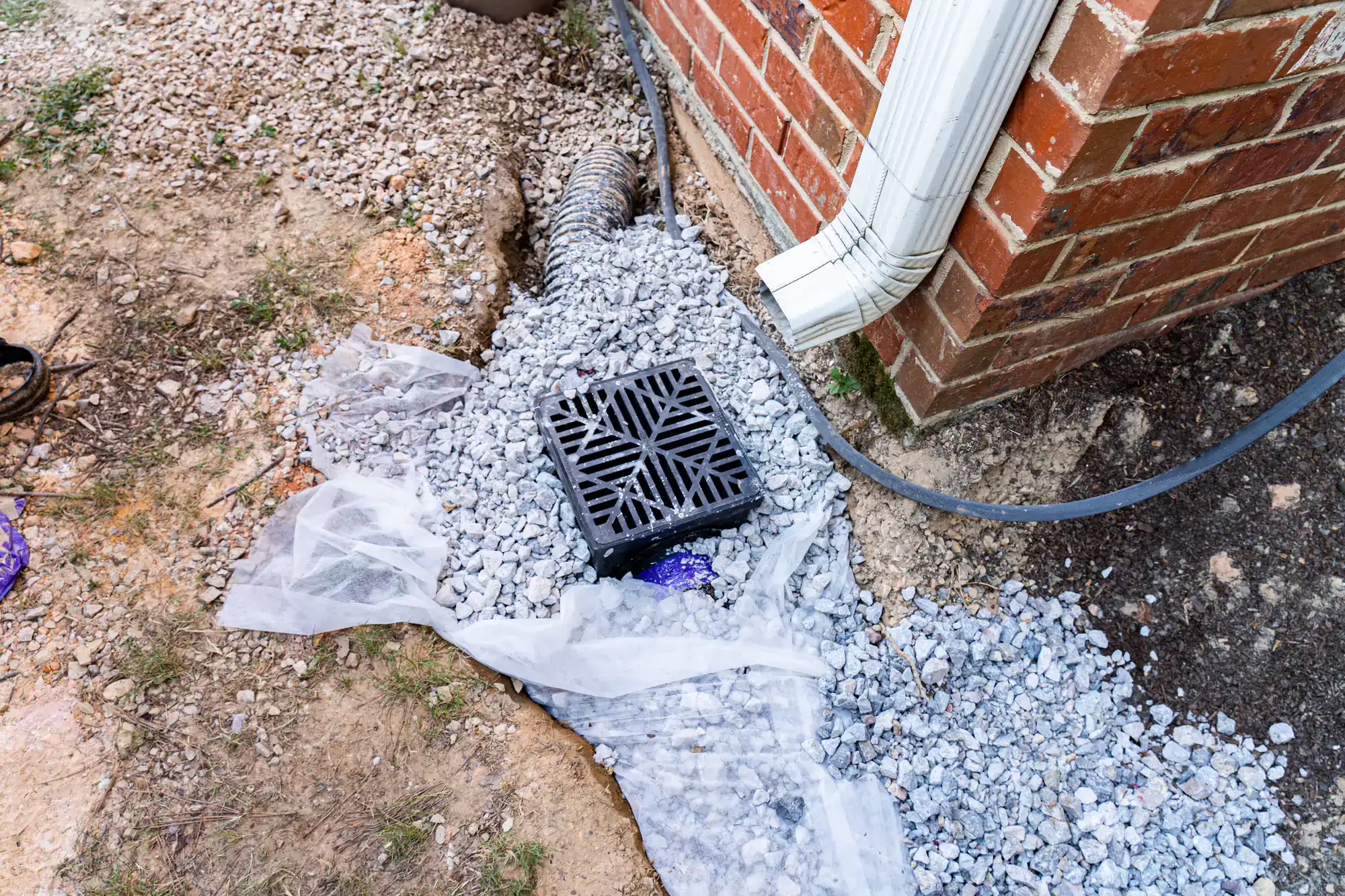
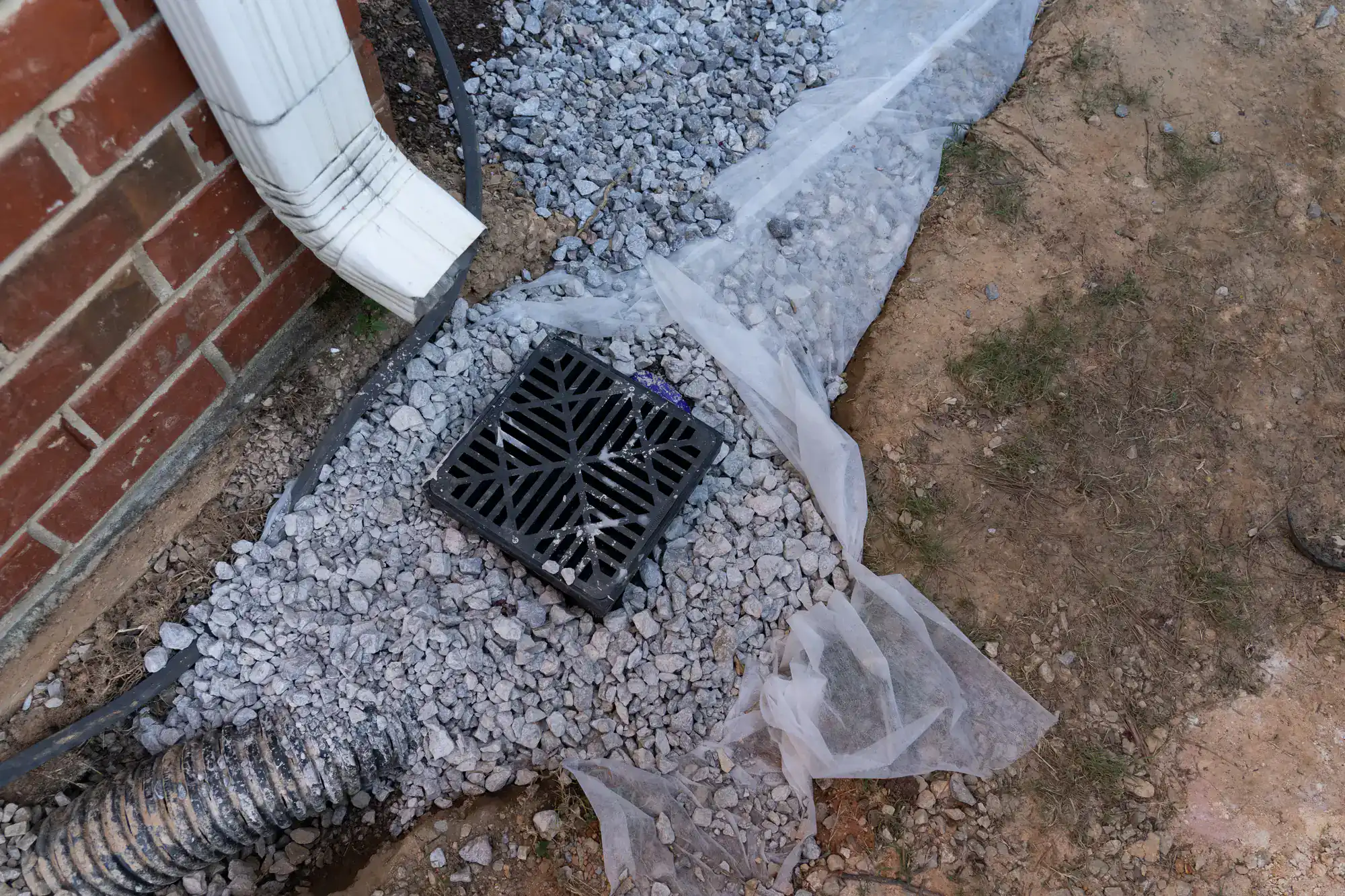
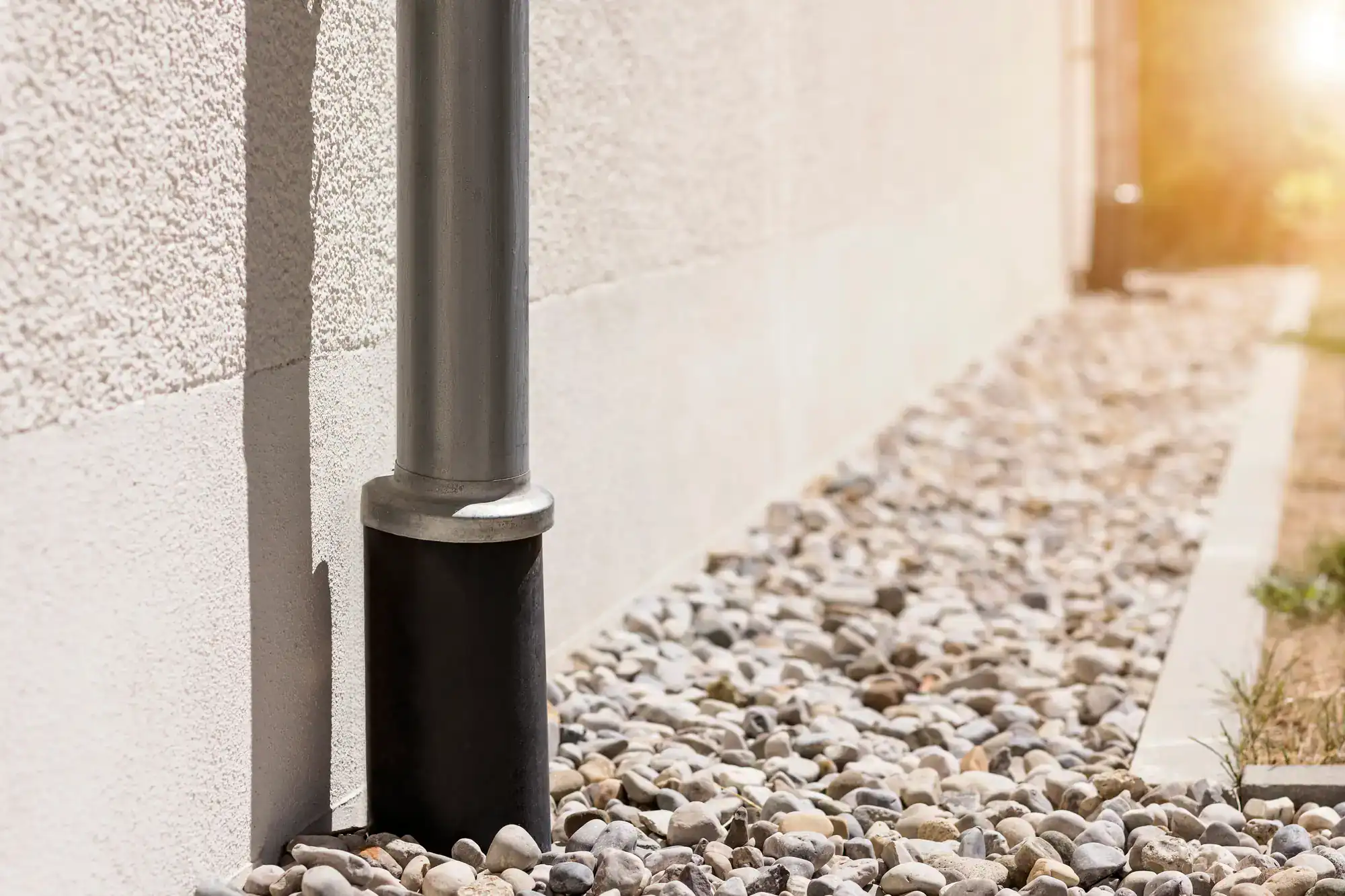
Once the plan is set and any necessary Cheltenham Township permits are pulled — including Stormwater Management review if the project disturbs 250 square feet or more — the installation begins. For an exterior french drain, that means excavating along the foundation, laying perforated PVC pipe in a gravel bed with geotextile filter fabric, and grading the outlet so water discharges cleanly and in compliance with the township’s MS4 stormwater ordinances. For an interior system, it means breaking the basement floor perimeter, installing the drain channel, and routing it to a sump pump. HEPA filtration runs throughout any interior work.
When it’s done, the site is cleaned up, the grade is restored, and you get a system that’s built to last 30 to 40 years — not one that clogs in three because the filter fabric was skipped.
Ready to get started?
We install both exterior and interior french drain systems, and the right choice depends on your specific situation — the age of your foundation, where water is entering, and what the lot grading looks like. In Wyncote, where many properties sit on gently rolling terrain with clay-heavy soil that holds water instead of letting it percolate, exterior systems are often the first line of defense. They intercept groundwater before it ever reaches the foundation wall. Interior perimeter drain systems handle water that’s already getting through — routing it to a sump pump and out of the home before it can do damage.
For homes within the Wyncote Historic District, the installation approach is always deliberate. We understand that exterior excavation near a structure that’s been standing for over a century requires care — not just with the pipe and gravel, but with what might be in the soil. Lead-contaminated paint chips weather off exterior surfaces over decades. Asbestos insulation on old steam heating systems is common in basements from this era. We test before the work starts, contain hazards properly when they’re found, and handle remediation in-house if needed — so you’re not coordinating three different contractors to get one drainage problem resolved.
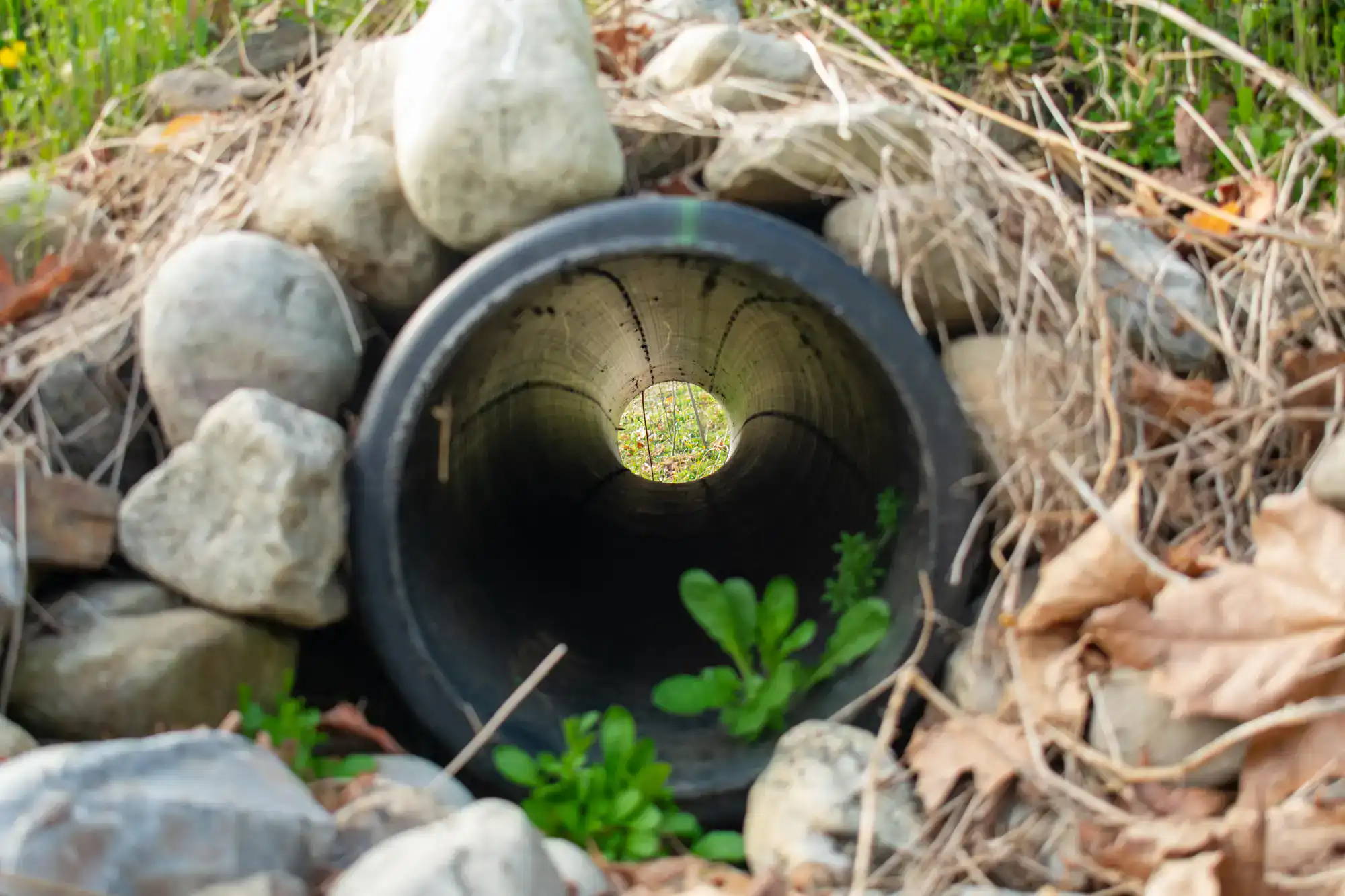
Every installation includes proper filter fabric, clean crushed stone, correctly sloped rigid perforated PVC, and a compliant outlet design. No shortcuts on materials, because a french drain that fails in five years isn’t a french drain — it’s a deferred problem.

Yes, in most cases. Cheltenham Township requires permits for grading and excavation work, and any project that disturbs 250 square feet or more of impervious surface also triggers a Stormwater Management review under the township’s MS4 program. French drain installations — especially exterior systems that involve foundation-adjacent excavation — will typically meet or exceed that threshold. The permit application process now runs through Cheltenham Township’s online OpenGov system, which launched in early 2025.
If your property is within the Wyncote Historic District, there’s an additional layer: the Board of Historical and Architectural Review (BHAR) must approve exterior work before a building permit can be issued. Contractors who aren’t familiar with this requirement can create delays that fall on the homeowner to sort out. We’ve been working in Montgomery County long enough to know the local permitting landscape, including the BHAR process, and we handle that coordination as part of the job — not as an afterthought.
The honest answer is that it depends on the scope — interior versus exterior, the length of the drain run, whether hazardous materials are present, and what the outlet situation looks like. For a straightforward exterior french drain on a residential property in Wyncote, you’re generally looking at somewhere in the range of $2,500 to $6,000. Interior perimeter systems, which involve breaking the basement floor and routing to a sump pump, typically run $4,000 to $10,000 or more depending on the linear footage and basement size.
What can push costs higher in Wyncote specifically is the age of the housing stock. Pre-1940 homes — and Wyncote has a lot of them — often require lead testing and sometimes lead remediation before excavation work can safely proceed. That’s not something every contractor accounts for in their initial quote, which is one reason quotes for the same job can vary so widely. We provide free estimates that break down every component so you know exactly what you’re paying for before anything starts.
An exterior french drain is installed around the outside perimeter of your foundation. It intercepts groundwater in the soil before it builds up against the foundation wall and finds a way in. It’s the more preventive of the two options — you’re stopping water in the yard before it becomes a basement problem. The tradeoff is that exterior installation requires excavation around the foundation, which in older Wyncote homes means working carefully near stone or brick structures that can be sensitive to ground disturbance.
An interior french drain is installed inside the basement, typically along the perimeter of the floor. It doesn’t stop water from entering the foundation wall — it captures it after it does and channels it to a sump pump for removal. This is often the more practical option when exterior excavation isn’t feasible or when the foundation has already been compromised. In Wyncote’s older homes, interior systems are common because the foundations have been in place for a century and the exterior grade has long since settled around them. Both systems work — the right one depends on your specific situation, which is exactly what a site assessment is for.
It’s not a problem, but it does require a different level of attention than a newer home. Homes built in the 1880s through 1920s — which describes a significant portion of Wyncote’s housing stock, particularly in and around the historic district — were constructed with stone or brick foundations, original plaster walls, and heating systems that often used steam or hot-water radiators with asbestos-insulated pipes. Any drainage work that involves excavation near those foundations or demolition of interior materials needs to account for what’s there before the work starts.
Lead-based paint is essentially a given in homes of this age. Lead-contaminated soil around the foundation perimeter is also common, because exterior paint weathers and chips over decades. We are a Certified Lead Inspector and Risk Assessor, which means we test for these hazards before digging, identify what’s present, and handle it under EPA and HUD protocols. No standard drainage contractor in the local market holds this credential. For the owners of Wyncote’s historic homes, that’s not a minor detail — it’s the reason to make the call.
A properly installed french drain — rigid perforated PVC pipe, clean crushed stone, and quality geotextile filter fabric — should last 30 to 40 years under normal conditions. The filter fabric is what keeps the system functioning long-term. It prevents soil from migrating into the gravel bed and clogging the pipe. When that fabric is skipped or the wrong material is used, the system can start failing in as little as three to five years as fine soil particles gradually block the drain.
Signs that a french drain has failed or is failing include water returning to areas that were previously dry, standing water in the yard after rain that used to drain within a day or two, or a sump pump that runs constantly without ever fully clearing the water. In Wyncote, where the Tookany Creek watershed creates genuine flooding pressure during heavy rain events, a failing drain system can go from “minor inconvenience” to “significant damage” faster than in areas with less intense stormwater loading. If you’re seeing any of those signs, it’s worth having the system assessed — and if it was installed more than 20 years ago, it may simply be at the end of its useful life.
Most waterproofing contractors are good at one thing: installing drainage systems. That’s fine if your home is a 1990s colonial with drywall and vinyl siding. It’s a different story if your home is a 100-year-old Victorian in Wyncote with original plaster walls, a steam heating system, and painted foundation walls that haven’t been touched since Prohibition. The moment a standard contractor starts excavating around that foundation or breaking up that basement floor, they’re potentially disturbing lead paint, lead-contaminated soil, or asbestos-containing materials — and they have no training, no certification, and no protocol for handling any of it.
We are an environmental hazard abatement firm that also installs drainage systems. That combination is rare, and in Wyncote specifically, it’s genuinely valuable. If lead or asbestos turns up during the work — and in homes of this age, it often does — we handle it in-house, under certified protocols, without stopping the job and telling you to call someone else. You get one contractor, one timeline, and one point of accountability from the initial assessment through the final grade. For a home that’s been standing for over a century in a federally recognized historic district, that’s the level of service the job actually calls for.
Other Services we provide in Wyncote