Hear from Our Customers
If you’ve lived in Spring Mount long enough, you already know what happens after a heavy rain. The yard holds water longer than it should. The basement smells off. There’s a damp corner that never quite dries out. That’s not bad luck — it’s geography. You’re sitting in the Perkiomen Creek valley with Spring Mountain rising behind you, and when it rains, all of that runoff has to go somewhere. Without a proper drainage system, it goes toward your foundation.
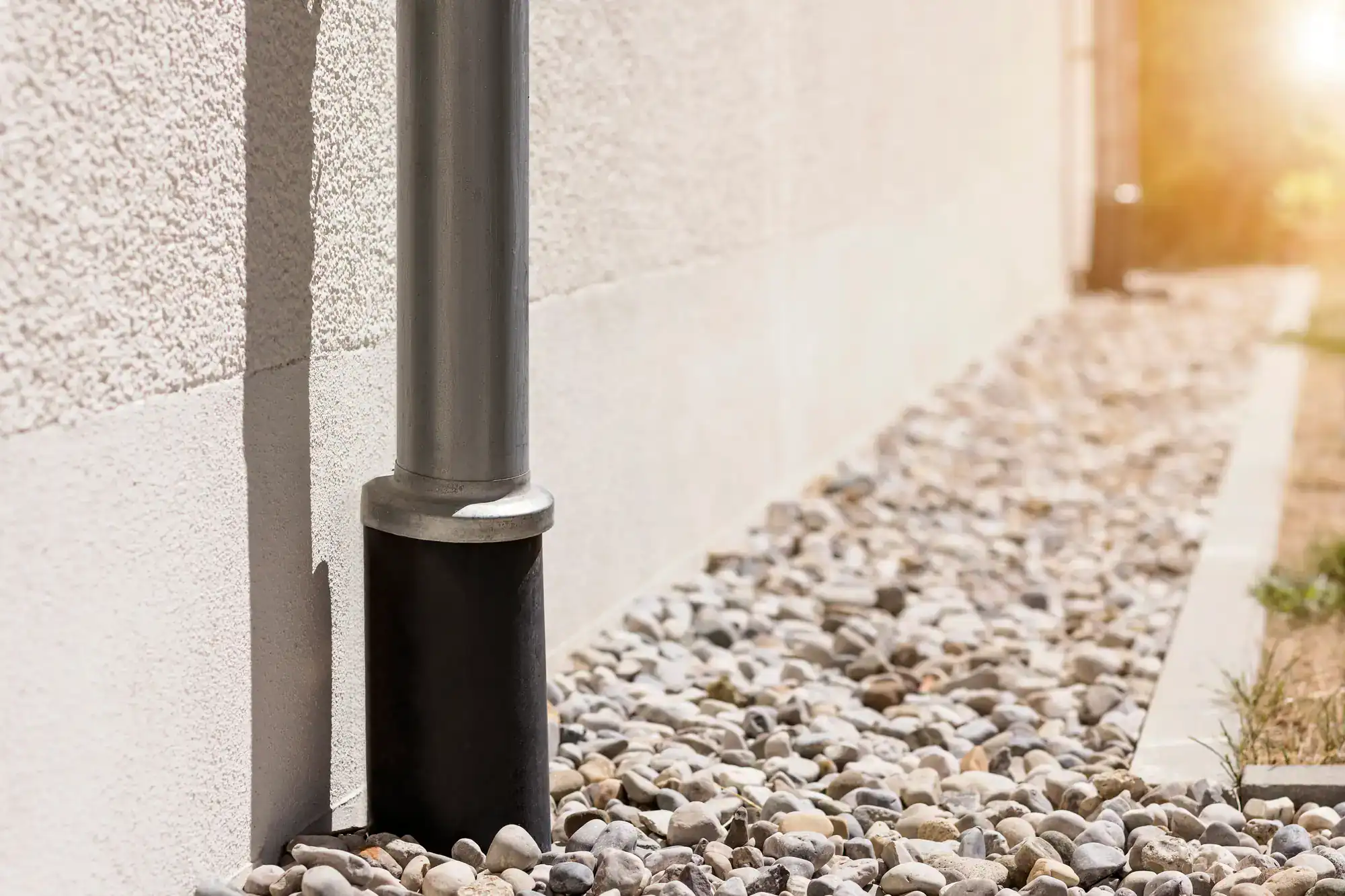
A French drain intercepts that water before it becomes your problem. It collects groundwater and surface runoff through a perforated pipe buried in gravel, then redirects it away from your home entirely. The clay-heavy soil throughout Montgomery County makes this especially important here — water doesn’t absorb quickly, it moves sideways, and it finds the path of least resistance. If that path runs along your foundation wall, you’ll feel it.
Once the system is in place, the difference is immediate and lasting. No more standing water after storms. No more hydrostatic pressure building against your basement walls. No more wondering whether this winter’s freeze-thaw cycles are quietly cracking your foundation. You get a yard that drains the way it should, and a home that stays dry the way it was meant to.
We’ve been working in Montgomery County for about two decades. That means we’ve worked on homes throughout the Perkiomen Valley — in Schwenksville, Collegeville, Lower Frederick Township, and Spring Mount itself. We know the housing stock here. We know the soil. We know what the creek does in March.
What separates us from a standard drainage contractor is what we do before the work starts. We’re a Certified Lead Inspector and Risk Assessor operating under EPA and HUD compliance standards. That matters in a community like Spring Mount, where a real portion of the housing stock predates 1978. When excavation goes near an older foundation, there’s a realistic chance of disturbing lead-contaminated soil or other hazardous materials. We test for that first. No guessing, no cutting corners.
We’re fully licensed, bonded, and insured — not just at the contractor level, but at the environmental services level. And we offer free estimates with no pressure attached, because you deserve to know exactly what you’re dealing with before you spend a dollar.
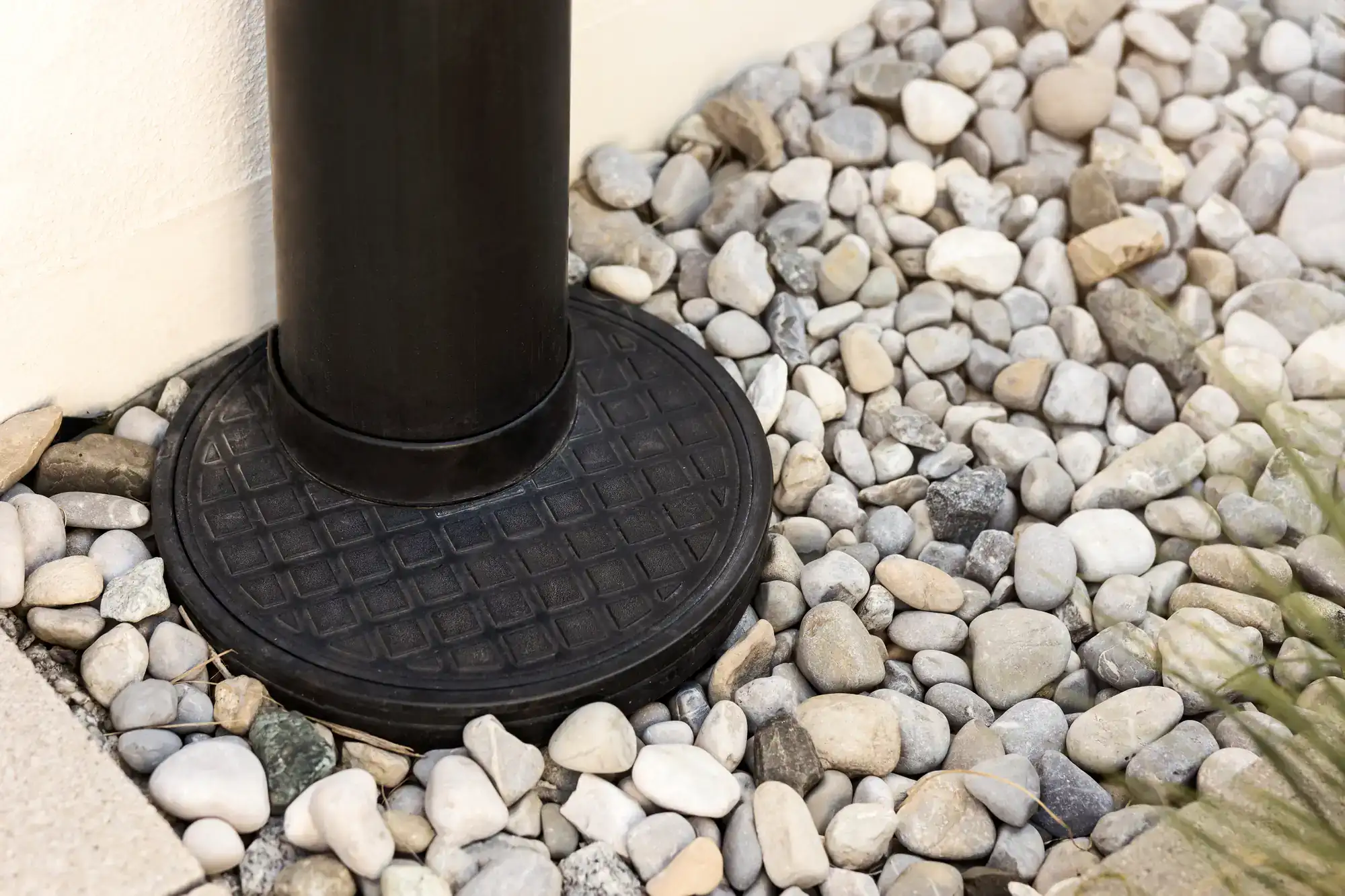
It starts with a free on-site estimate. We come out, walk the property, and look at where the water is coming from and where it needs to go. In Spring Mount, that assessment includes the slope from the mountain, the proximity to the creek corridor, and the soil conditions on your specific lot. No two properties are identical, and the drainage solution shouldn’t be either.
Before any excavation begins, we assess for environmental hazards. If your home was built before 1978, we test for lead in the soil and on any foundation surfaces that may be disturbed. This step is non-negotiable for us — and it’s something no standard drainage contractor in this area is equipped to do. If anything turns up, we handle it safely and in full compliance with EPA standards before the drainage work proceeds.
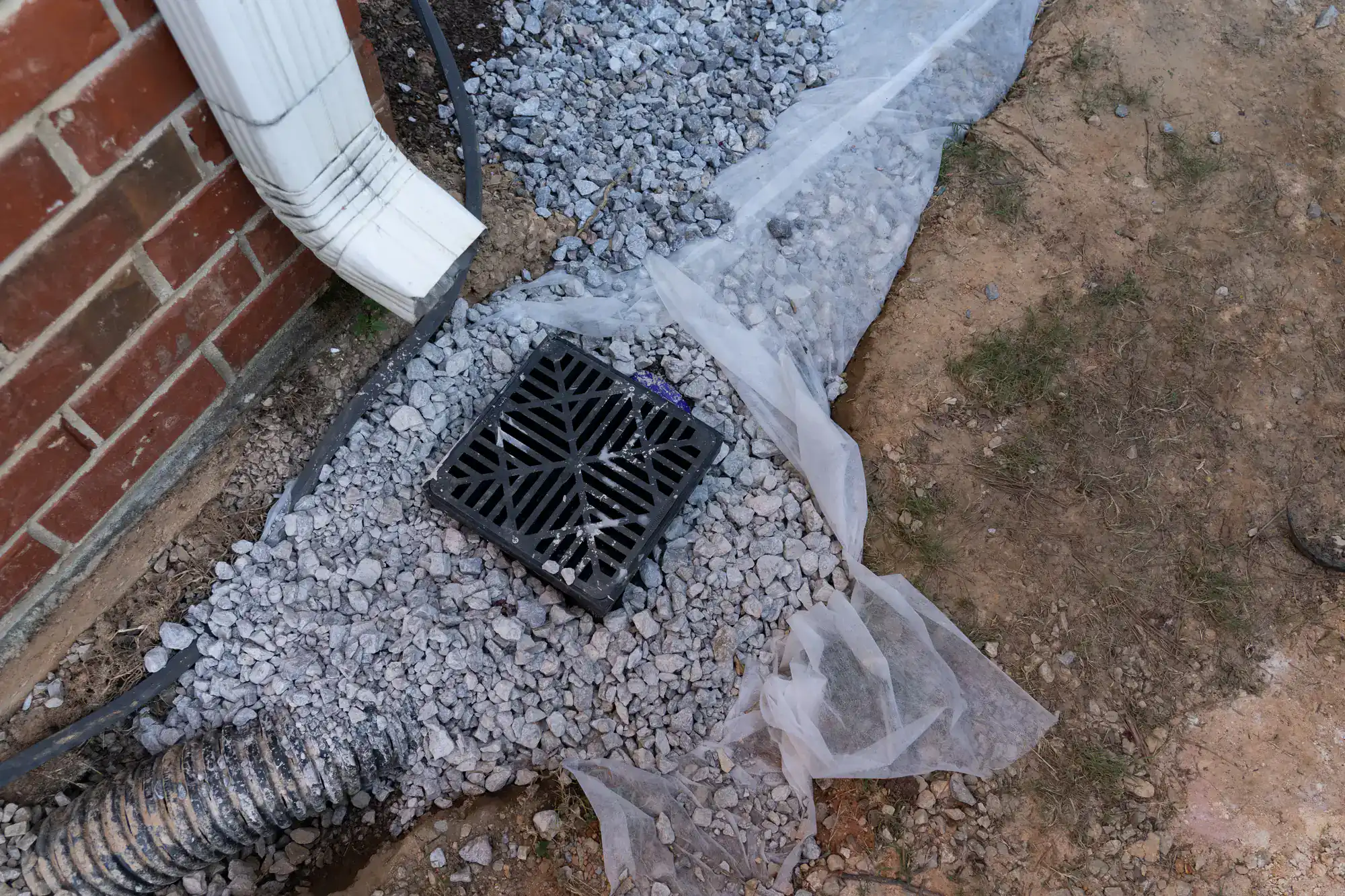
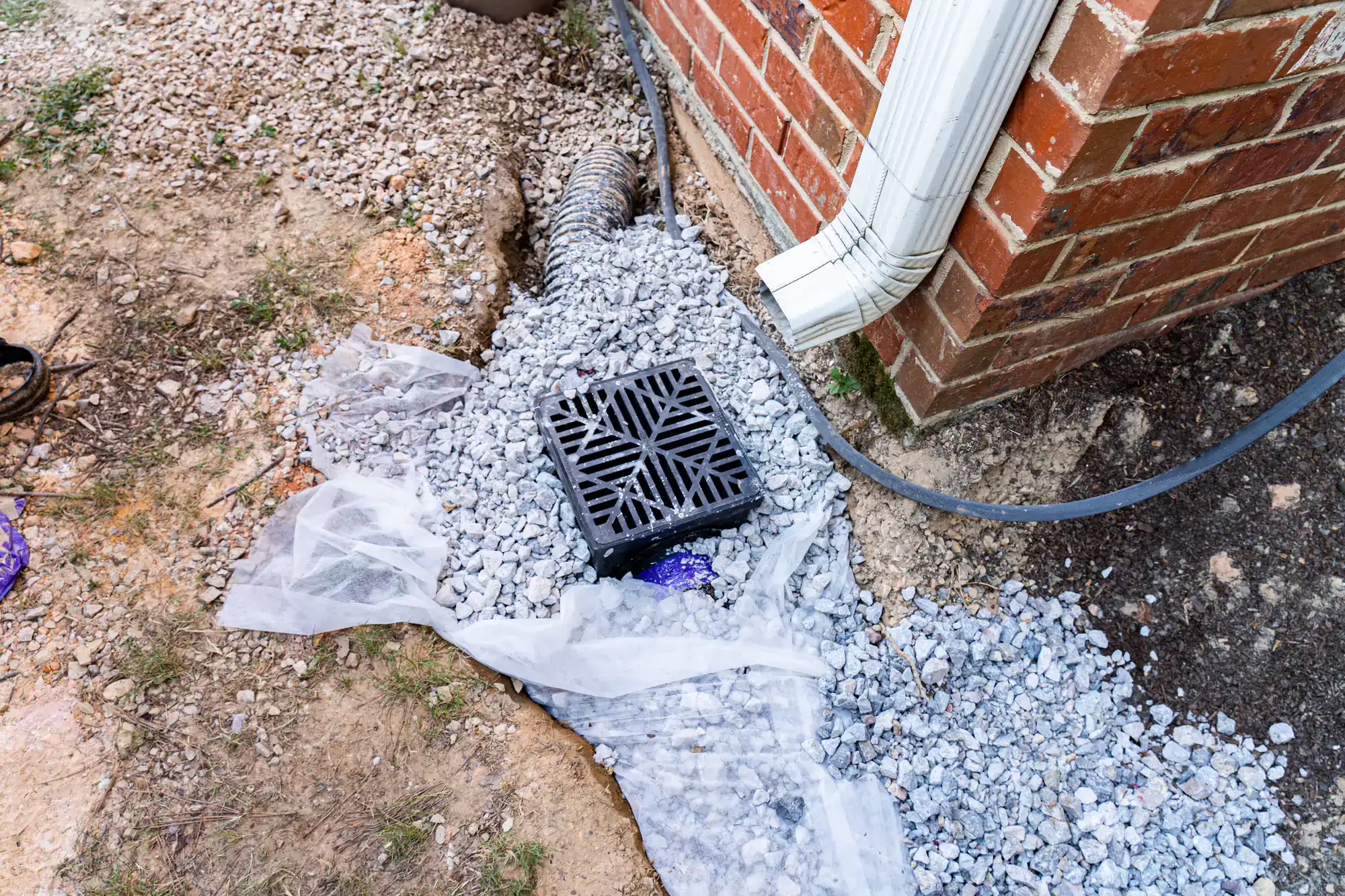
Once the site is clear, we excavate the trench, install rigid perforated PVC pipe, wrap it in geotextile filter fabric to keep soil out of the pipe, and backfill with clean crushed stone. The slope of the pipe is calculated precisely — drainage systems fail when this is done by feel instead of by math. We also confirm the outlet location drains properly away from the property and won’t create a new problem somewhere else on the lot. Lower Frederick Township may require a permit for exterior excavation work, and we’ll walk you through what’s needed before we start.
Ready to get started?
There are two main types of French drain systems, and which one your home needs depends on where the water is actually coming from. An exterior French drain is installed around the perimeter of your foundation and intercepts groundwater before it reaches the wall. This is typically the right call when the issue is surface runoff or soil saturation — common in Spring Mount given the slope drainage from Spring Mountain and the clay-heavy subsoil throughout the area. An interior French drain is installed beneath the basement floor slab and manages water that’s already entering through the foundation. This is the right answer when hydrostatic pressure is the primary driver, which is common in homes near the Perkiomen Creek corridor where groundwater tables stay elevated through the spring.
Both systems use the same core components when installed correctly: rigid perforated PVC pipe, proper geotextile filter fabric, and clean crushed stone sized for drainage rather than compaction. The difference between a system that lasts thirty years and one that clogs in five usually comes down to those details — the fabric grade, the pipe rigidity, the stone size, and the outlet design. We don’t substitute cheaper materials to win a bid.
Because we handle environmental abatement alongside drainage, we can also address mold remediation, and any other hazards discovered during the process — all in one engagement. For homeowners in Spring Mount with older properties, that integrated capability isn’t a bonus feature. It’s often the thing that makes the whole project go smoothly.

The most common signs are standing water in the yard that takes more than a day or two to absorb after rain, water staining or efflorescence on basement walls, a persistent musty smell in the lower level, or visible cracks in the foundation that appear to be letting moisture in. In Spring Mount specifically, the combination of slope drainage from Spring Mountain and the elevated groundwater table near the Perkiomen Creek corridor means these symptoms show up more often than in flatter, upland communities.
If you’re seeing any of these signs consistently — not just after an unusually heavy storm, but after normal rainfall — it’s worth having the drainage assessed. A free estimate from us includes a site walkthrough where we look at the actual water path on your property, not just the symptom inside the house. Understanding where the water is coming from is what determines whether a French drain is the right fix, and what type of system makes sense for your specific lot.
Most residential French drain installations in the Montgomery County area run between $2,500 and $10,000, with the national average sitting around $5,000. The range is wide because the cost depends on several variables: the linear footage of pipe required, whether the system is interior or exterior, how deep the trench needs to go, soil conditions, and where the outlet drains. Clay-heavy soil — which is common throughout the Perkiomen Valley — can add time and labor to the excavation, which affects the final number.
For older homes in Spring Mount, there’s also the pre-work environmental assessment to factor in. If lead testing is required before excavation, or if hazardous materials are discovered and need to be handled, that adds cost — but it also protects you from liability and health risk that a cheaper contractor would simply ignore. We provide free, itemized estimates so you know exactly what you’re paying for before anything starts. We also offer cash discounts, which can make a meaningful difference on larger projects.
Exterior French drain installation is typically best done when the ground isn’t frozen, which in Lower Frederick Township means spring through late fall is the ideal window. Spring is actually the most popular time for drainage work in the Perkiomen Valley — homeowners who dealt with wet basements and saturated yards through the winter are ready for a fix by March or April, and the ground is workable again after the freeze.
That said, interior French drain systems can be installed year-round because the work happens beneath the basement slab, where ground temperature doesn’t affect excavation. If you’re discovering a water problem in December or January and can’t wait until spring, an interior system may be the right starting point. We’ll tell you honestly which approach fits your situation — and if exterior work makes more sense but needs to wait for better conditions, we’ll explain exactly why rather than push you into a solution that doesn’t fit.
Yes — and this is one of the more important distinctions between us and a standard drainage contractor. When you excavate near the foundation of a home built before 1978, there’s a real possibility of disturbing lead-contaminated soil, lead paint on foundation surfaces, or asbestos insulation on older pipes. A drainage-only contractor isn’t equipped to identify or safely manage these materials. They either miss it entirely or stop work and leave you to find a separate specialist.
We are a Certified Lead Inspector and Risk Assessor operating under EPA and HUD compliance standards. We assess for these hazards before excavation begins — not after. If something is found, we handle the abatement in full compliance with federal regulations, using HEPA filtration to prevent airborne contamination in your home during the process. For Spring Mount homeowners with older properties, this integrated capability means the entire project — drainage installation, environmental testing, and any necessary abatement — is handled in one engagement, by one company, with no gap in accountability.
A French drain installed with the right materials and correct slope will typically last 30 to 40 years. The systems that fail early — clogging within 5 to 10 years — almost always come down to a few specific shortcuts: using flexible corrugated pipe instead of rigid PVC, skipping the geotextile filter fabric or using a grade too thin to hold up, using the wrong stone size, or miscalculating the slope so water doesn’t move through the pipe efficiently.
In the Perkiomen Valley, soil conditions add another variable. The clay-heavy subsoil throughout Montgomery County is more prone to fine particles migrating into drainage systems over time, which is exactly why proper filter fabric selection matters here more than in sandier soils. When we install a French drain, we use rigid perforated PVC, correctly graded crushed stone, and filter fabric rated for the soil conditions on your property. The goal is a system that’s still working when you’re ready to sell the house — or pass it on.
Yes. Every French drain project starts with a free on-site estimate, and there’s no obligation attached to it. We come out, walk the property, assess the drainage situation, and give you a clear picture of what the work involves and what it will cost — before you commit to anything.
For Spring Mount homeowners, the estimate also includes an initial assessment of whether environmental testing is warranted based on the age of the home and the scope of the proposed excavation. If you have an older home near the base of Spring Mountain and you’re considering exterior drainage work, knowing what’s in the ground before you start is genuinely useful information — not a sales tactic. We also offer cash discounts on qualifying projects, which we’re happy to discuss during the estimate visit. If you want to call outside of normal hours, we’re available around the clock — 24/7 phone availability is something we actually mean.
Other Services we provide in Spring Mount