Hear from Our Customers
Water doesn’t care about your finished basement, your stored belongings, or the fact that you just had the floors redone. When Lansdale’s clay-heavy soils get saturated after a heavy storm or a sustained stretch of spring rain, that water has nowhere to go — except toward your foundation. A properly installed french drain system intercepts it before it ever gets there.
What changes after the work is done is straightforward. The soggy corner of your yard firms up. The musty smell in the basement fades. You stop dreading the weather forecast. For homeowners in Lansdale’s tighter lots — where homes sit close together and runoff from a neighbor’s property has nowhere to drain — a french drain isn’t a luxury upgrade. It’s the fix that should’ve happened years ago.
And because so many homes in this borough predate 1978, the excavation process itself carries risks that a standard drainage contractor isn’t equipped to handle. Lead-contaminated soil, aging pipe insulation, foundation materials from a different era — these aren’t rare edge cases in Lansdale. They’re the norm. We’re a Certified Lead Inspector and Risk Assessor, which means we assess what’s actually present before a single shovel breaks ground. You get a drainage system and the peace of mind that the job was done safely.
We’ve been working in Montgomery County for nearly 20 years, and Lansdale has been a core part of that work. We’ve installed french drains in homes along the Pennbrook corridor, near the 9th Street neighborhoods, and throughout the older residential blocks that make up most of Lansdale’s 3.1 square miles. We know the soil. We know the housing stock. We know what a 1950s foundation looks like from the outside and what it’s hiding on the inside.
What makes us different isn’t a catchy tagline — it’s the credential list that no local waterproofing competitor can match. Certified Lead Inspector. Risk Assessor. EPA and HUD compliant. Fully licensed, bonded, and insured at the level required for environmental hazard work, not just general construction. When you’re digging around a pre-1978 Lansdale foundation, that coverage profile matters.
We also answer the phone at midnight. If water is coming in during a storm and you need someone to talk to — or show up — we offer 24/7 availability and emergency response. That’s not a marketing line. It’s just how we operate.
It starts with a free estimate. We come out, look at the actual problem — where the water is entering, how the yard is graded, what the soil conditions look like — and give you a clear picture of what needs to happen and what it’ll cost. No vague quotes, no pressure.
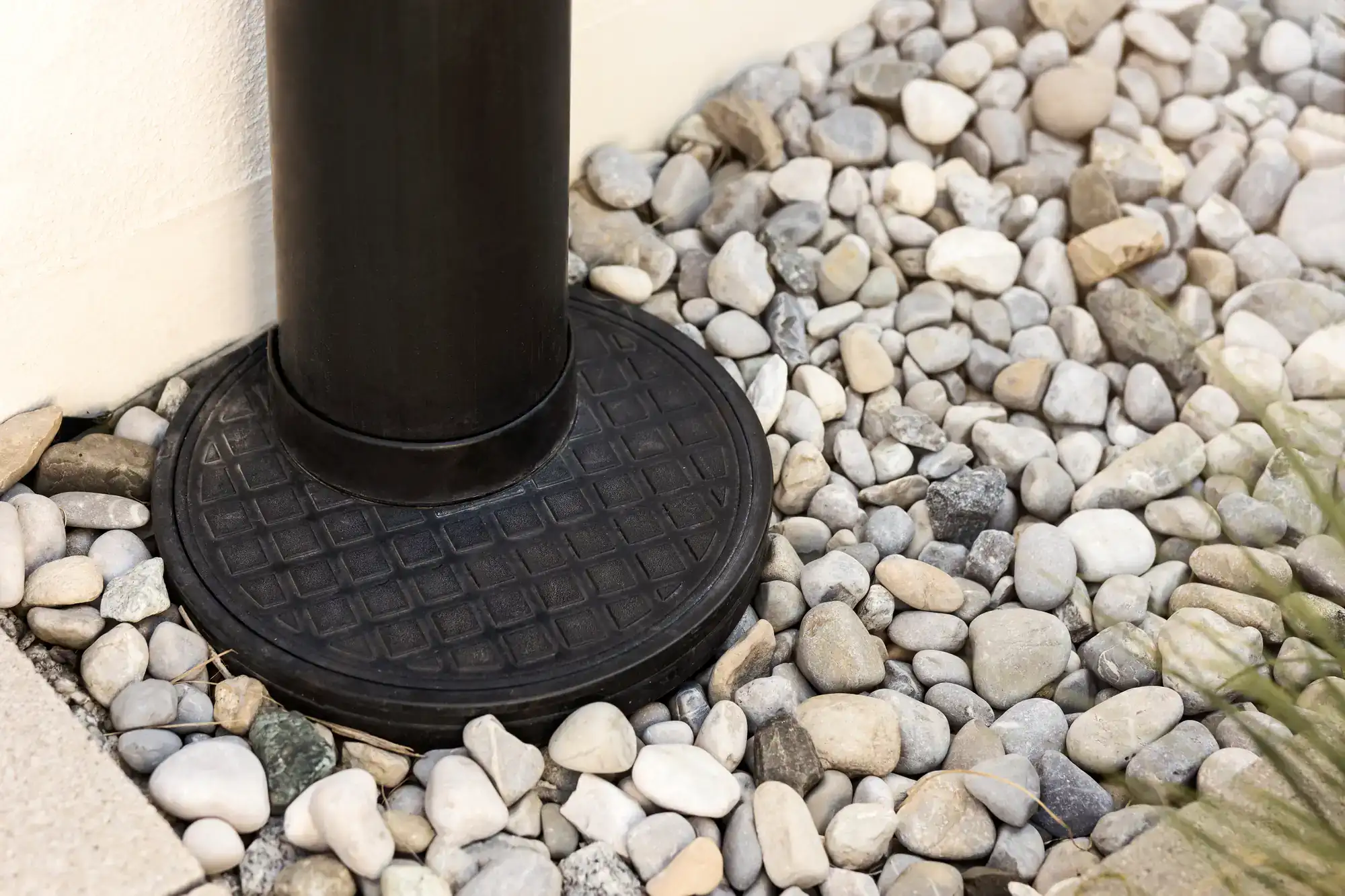
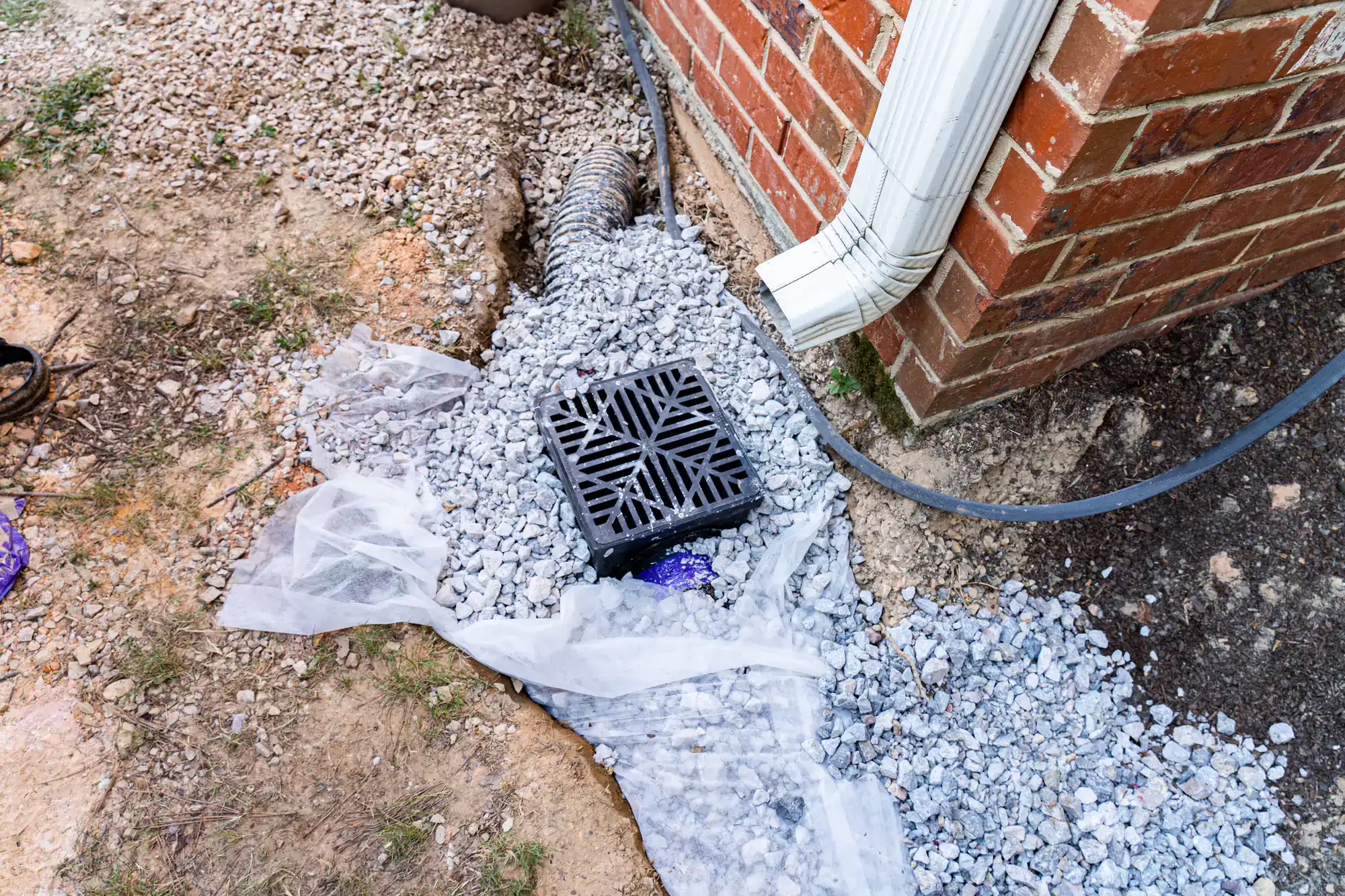
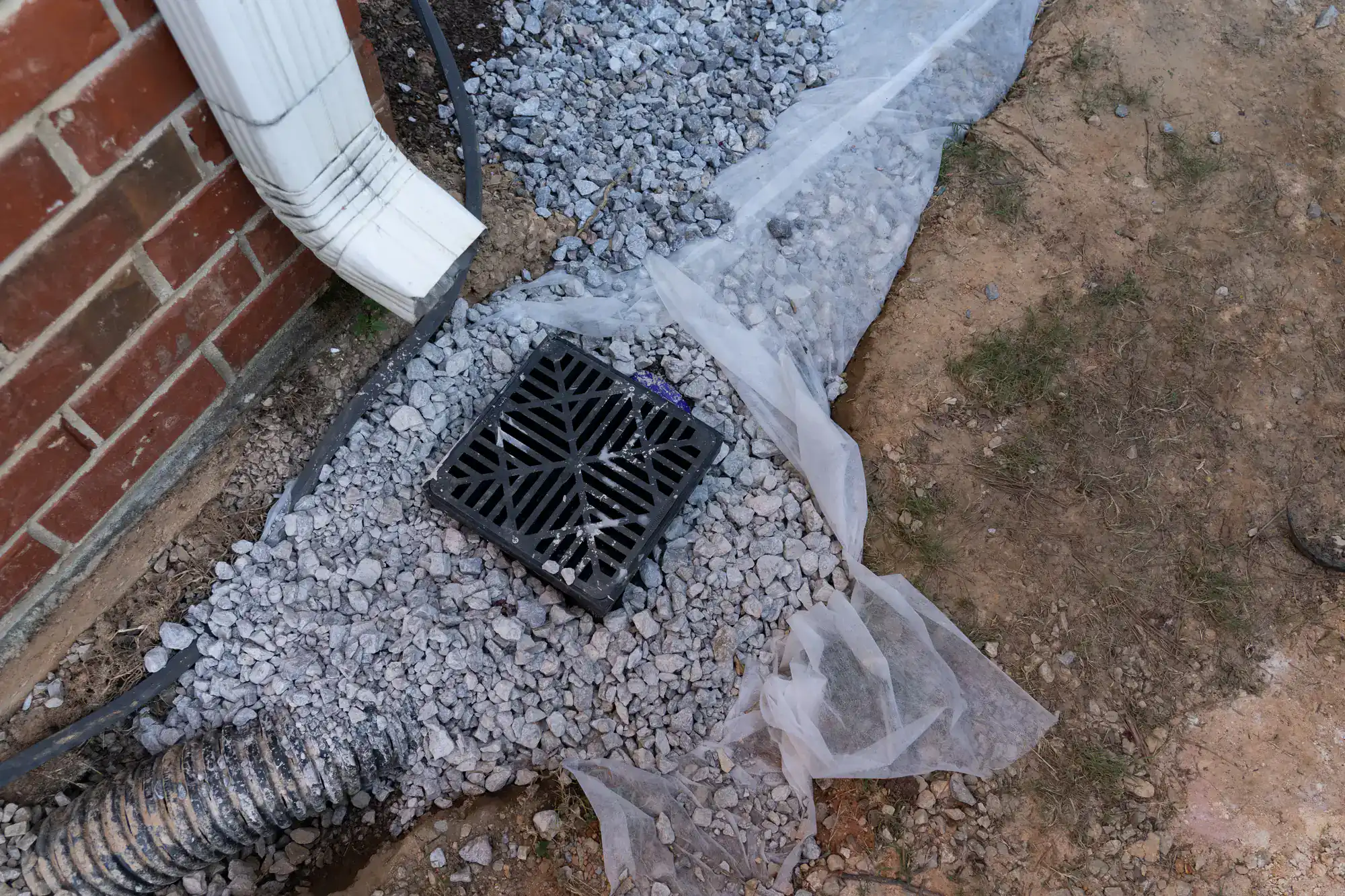
Before any excavation begins on an older Lansdale property, we assess the site for lead and environmental hazards. This step doesn’t exist on most contractors’ checklists, but it should — especially in a borough where a significant portion of the housing stock predates 1950. Once the site is cleared, the trench is dug at a calculated slope, rigid perforated PVC pipe is laid, wrapped in geotextile filter fabric, and surrounded by clean crushed stone. The outlet is positioned to direct water away from the foundation and toward an appropriate discharge point, in compliance with Lansdale Borough’s stormwater ordinance and any applicable NPDES requirements.
After installation, the trench is backfilled and the yard is restored. HEPA filtration is used throughout any phase where airborne particulates are a concern. The whole process is designed to work for Lansdale’s specific conditions — the clay soil, the tight lots, the older foundations — not just for a generic suburban backyard. Fall is the best time to get exterior work scheduled before the ground freezes, but interior french drain systems can be installed year-round if you’re dealing with something that can’t wait.
Ready to get started?
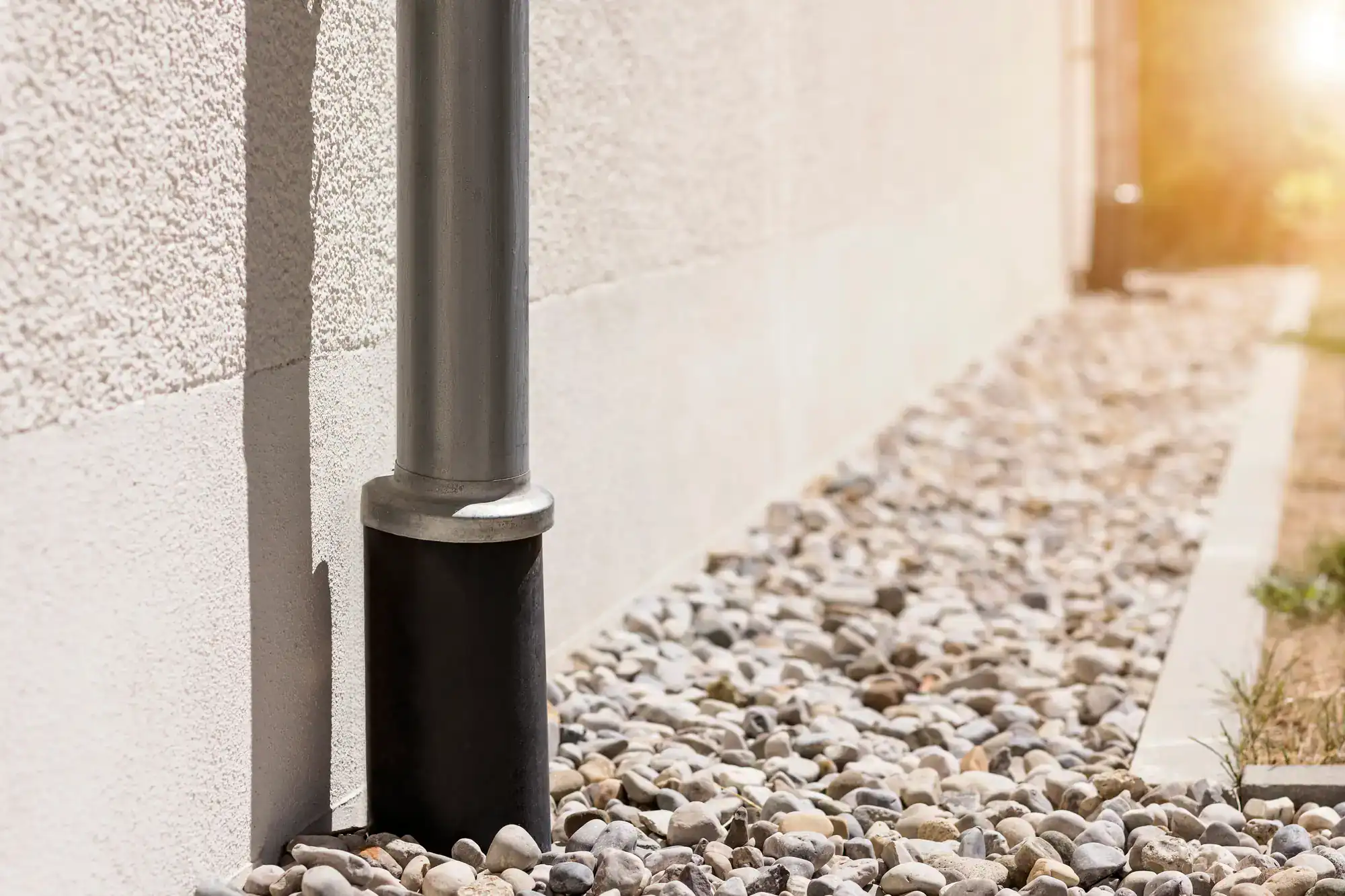
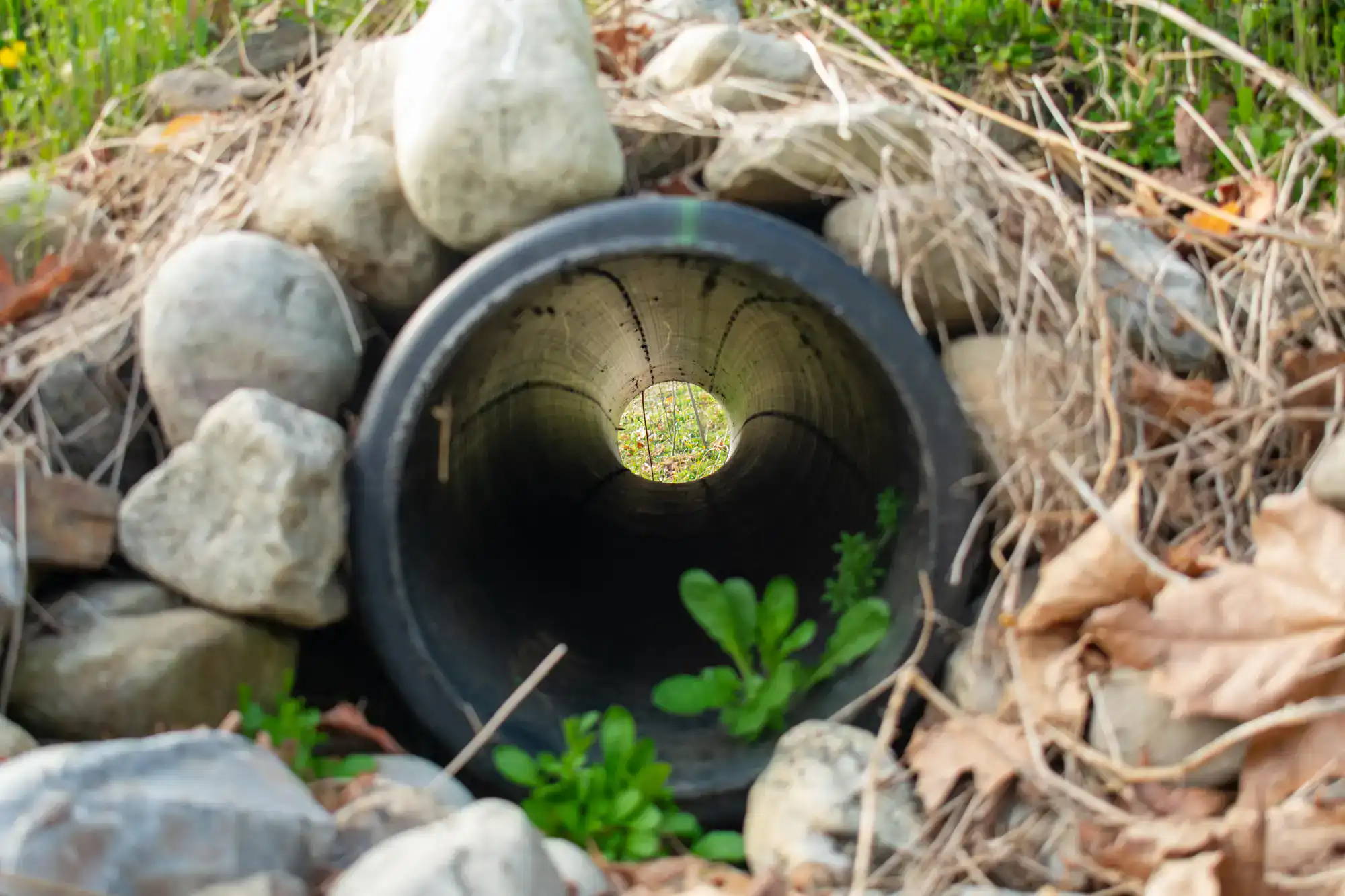
A french drain installation from us isn’t just pipe and gravel. Every system includes a pre-installation site assessment, rigid perforated PVC pipe — not the corrugated flex pipe that collapses under clay soil pressure — geotextile filter fabric to keep fine particles out of the drain, clean crushed stone, and a properly positioned outlet. The slope is calculated, not guessed. In Lansdale’s dense borough setting, where lots are small and neighboring properties are close, getting the outlet placement right matters both for drainage performance and for compliance with local code.
For homes near the Wissahickon Creek or any tributary running through the borough, we account for the 100-foot riparian buffer requirement that Lansdale’s stormwater ordinance enforces. That means no drainage structures placed within 50 feet of a watercourse bank without borough engineer approval — something a contractor unfamiliar with Lansdale’s specific regulations might overlook entirely.
If your basement is the primary concern and exterior excavation isn’t practical — whether it’s winter, access is limited, or the problem is hydrostatic pressure rather than surface drainage — interior french drain systems are also available. Both approaches are on the table, and the recommendation you get will be based on what your property actually needs, not what’s easiest to install. Cash discounts are available, and free estimates make it easy to get a straight answer before you commit to anything.

It depends on the scope of the work, but in many cases, yes. Lansdale Borough operates under its own stormwater ordinance, which requires drainage facilities to comply with the Pennsylvania Stormwater Best Management Practices Manual. If the installation involves grading that increases stormwater flow toward a neighboring property line, a plan submission and approval is required. Work that connects to or affects the borough’s storm sewer system also falls under NPDES permitting requirements.
This is one of the reasons hiring a contractor who actually knows Lansdale’s borough-specific codes matters. A contractor unfamiliar with local regulations might install a system that doesn’t comply — leaving you on the hook for a code violation or a redo. We pull the required permits, know the local standards, and handle the compliance side so you don’t have to figure it out yourself.
Based on Montgomery County data, homeowners in Lansdale have paid anywhere from roughly $1,200 to $8,200 for drainage installation, depending on the size of the project, the depth required, access conditions, and whether interior or exterior work is involved. Lansdale’s compact lot sizes and older housing stock can affect the scope — tight access for equipment, the need for a pre-installation hazard assessment on pre-1978 properties, and the clay-heavy soil conditions that require more careful material selection all factor into the final number.
The best way to get an accurate figure is a free on-site estimate, which we provide at no cost and no obligation. You’ll know exactly what’s included, why it’s recommended, and what it’ll cost before any work begins. Cash discounts are also available, which can make a meaningful difference on a mid-sized project.
An exterior french drain is installed around the perimeter of your foundation, below grade, to intercept groundwater before it reaches the wall. It’s the more comprehensive solution — it addresses the problem at the source. For Lansdale homeowners with older foundations and clay-heavy soil that holds water close to the structure, exterior installation is often the right call when access and timing allow for it.
An interior french drain is installed inside the basement, typically along the perimeter of the floor, and routes water that has already entered the foundation to a sump pump for discharge. It doesn’t stop water from entering the wall, but it manages it effectively and can be installed year-round — including in winter when frozen ground makes exterior work impractical. For homes in Lansdale where exterior access is limited by small lots or close neighboring structures, interior systems are often the more realistic option. The right choice depends on where the water is coming from and what your property allows.
The most common reason is clay soil. Montgomery County’s soils are predominantly clay-heavy, and clay has very low permeability — it absorbs water slowly and releases it even more slowly. When Lansdale gets a heavy summer thunderstorm or a sustained stretch of spring rainfall, that clay soil becomes saturated and the water has nowhere to go quickly. It pools on the surface, saturates the ground near your foundation, and stays there long after the rain stops.
Compounding this in Lansdale specifically is the borough’s density. Tight lots, older homes with limited permeable landscaping, and a traditional street grid with a lot of impervious surface mean runoff moves fast and accumulates in low-lying yards. A french drain system addresses this by giving that water a direct path to a proper outlet — intercepting it before it reaches your foundation or turns your yard into a muddy mess for half the week.
A french drain installed correctly — with rigid perforated PVC pipe, proper geotextile filter fabric, and clean crushed stone — typically lasts 30 to 40 years. The filter fabric is the critical element in Lansdale’s conditions specifically. Clay soils contain fine particles that will infiltrate and clog a drain system that lacks proper filtration, sometimes within just a few years. Corrugated flex pipe, which some contractors use to cut costs, is also prone to collapse under the lateral pressure of saturated clay — a common failure mode in this area.
The slope of the pipe matters too. A drain that isn’t pitched correctly won’t move water efficiently, and standing water inside the pipe accelerates sediment buildup. When we install a french drain system, the slope is calculated based on the specific site conditions — not estimated by eye. Done right, you shouldn’t need to think about it again for decades. Periodic cleaning and inspection every several years can extend the system’s life even further.
Yes — and in Lansdale, this comes up more often than most homeowners expect. The median home in this borough was built in 1958, and more than a quarter of homes predate 1940. That puts the overwhelming majority of Lansdale’s housing stock within the EPA’s pre-1978 lead paint threshold. When exterior excavation happens around an older foundation, there’s a real possibility of disturbing lead paint or lead-contaminated soil. Without the right protocols in place, that’s a health risk — particularly for families with children.
We’re a Certified Lead Inspector and Risk Assessor, which means we can test the site before work begins, identify what’s present, and handle it under certified protocols. We also use HEPA filtration systems during any phase of work where airborne particulates are a concern. This isn’t something most drainage contractors in the Lansdale market can offer — it’s a credential that requires specific federal certification. For the owner of a pre-1978 Lansdale home, it’s one of the most practical reasons to choose a contractor who comes from an environmental services background rather than a pure waterproofing background.
Other Services we provide in Lansdale