Hear from Our Customers
When you’re gutting a pre-1978 farmhouse along Creamery Road or dealing with water damage after Skippack Creek backs up into your basement, the difference between a qualified contractor and a cheap one isn’t just price — it’s whether your home is safe to live in when the work is done. Asbestos and lead don’t announce themselves. They sit quietly inside walls, floor tiles, and pipe insulation until someone starts swinging a hammer. At that point, the only thing standing between you and a serious health hazard is whether your contractor actually knows what they’re doing.
We hold the EPA Certified Lead Inspector and Risk Assessor credential — not just the basic removal certification most contractors carry, but the federal qualification that allows us to inspect, test, and certify lead conditions before demolition begins. That matters enormously in Skippack, where a significant portion of the housing stock predates 1978. You’re not just getting a crew with tools. You’re getting someone who can tell you exactly what’s in your walls before anything gets disturbed.
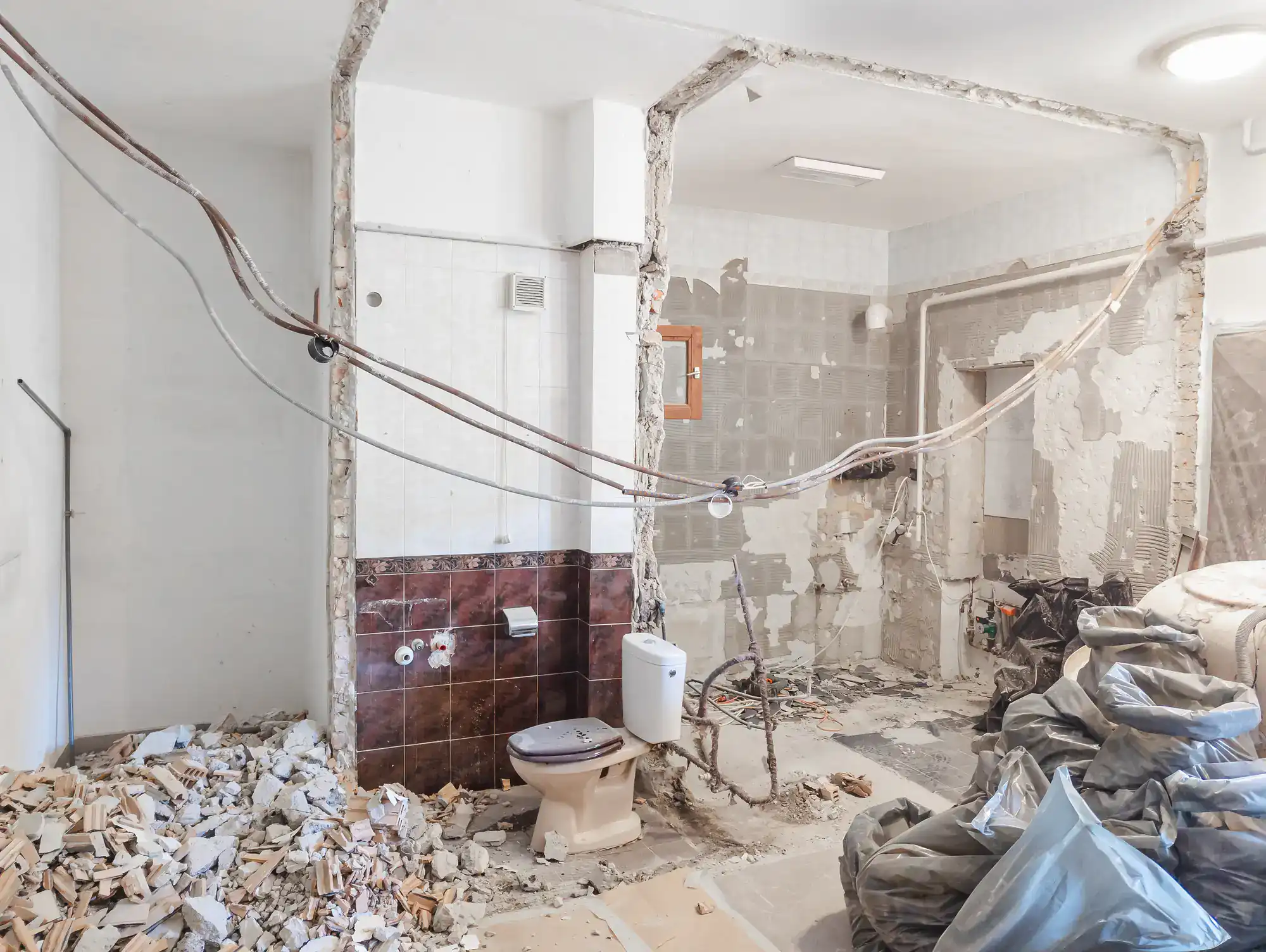
And if you’re dealing with water damage — whether it’s from the high water table that affects properties near the creek corridor or a burst pipe in the middle of a January night — the outcome you want is simple: dry, clean, and back to normal as fast as possible. We handle the full scope, from gutting and abatement through waterproofing and debris removal, so you’re not juggling four different companies to get one project done.
We’re EJS Environmental Services LLC — an owner-operated environmental abatement and demolition company based out of Glenside, PA, serving Skippack and the surrounding Montgomery County region. Eric has been running this operation for over two decades — not as a franchise, not as a call center that dispatches whoever’s available, but as a hands-on business where the person you talk to is accountable for the work being done right.
Skippack Township is one of the more demanding markets in Montgomery County for this kind of work. The housing stock here spans centuries, and the colonial-era farmhouses, mid-century homes, and historic village structures along Skippack Pike carry real hazmat complexity that most demolition contractors aren’t equipped to handle legally or technically. We’re fully licensed, bonded, and insured, and we’re EPA/HUD compliant — which means we’re qualified to work on the pre-1978 properties that make up a large share of what you’ll find in this township.
You also get a free estimate before anything starts, cash discounts are available, and someone answers the phone 24 hours a day. That’s not a sales pitch — it’s just how we run the business.
It starts with a free estimate and a real conversation about what you’re dealing with. If you’re renovating a historic property in Skippack Village or gutting a basement that’s taken on water, the scope of work looks different depending on what’s there — and figuring that out before anyone swings a tool is the whole point of the initial assessment. We’ll walk the property, identify what’s present, and give you a clear picture of what needs to happen and in what order.
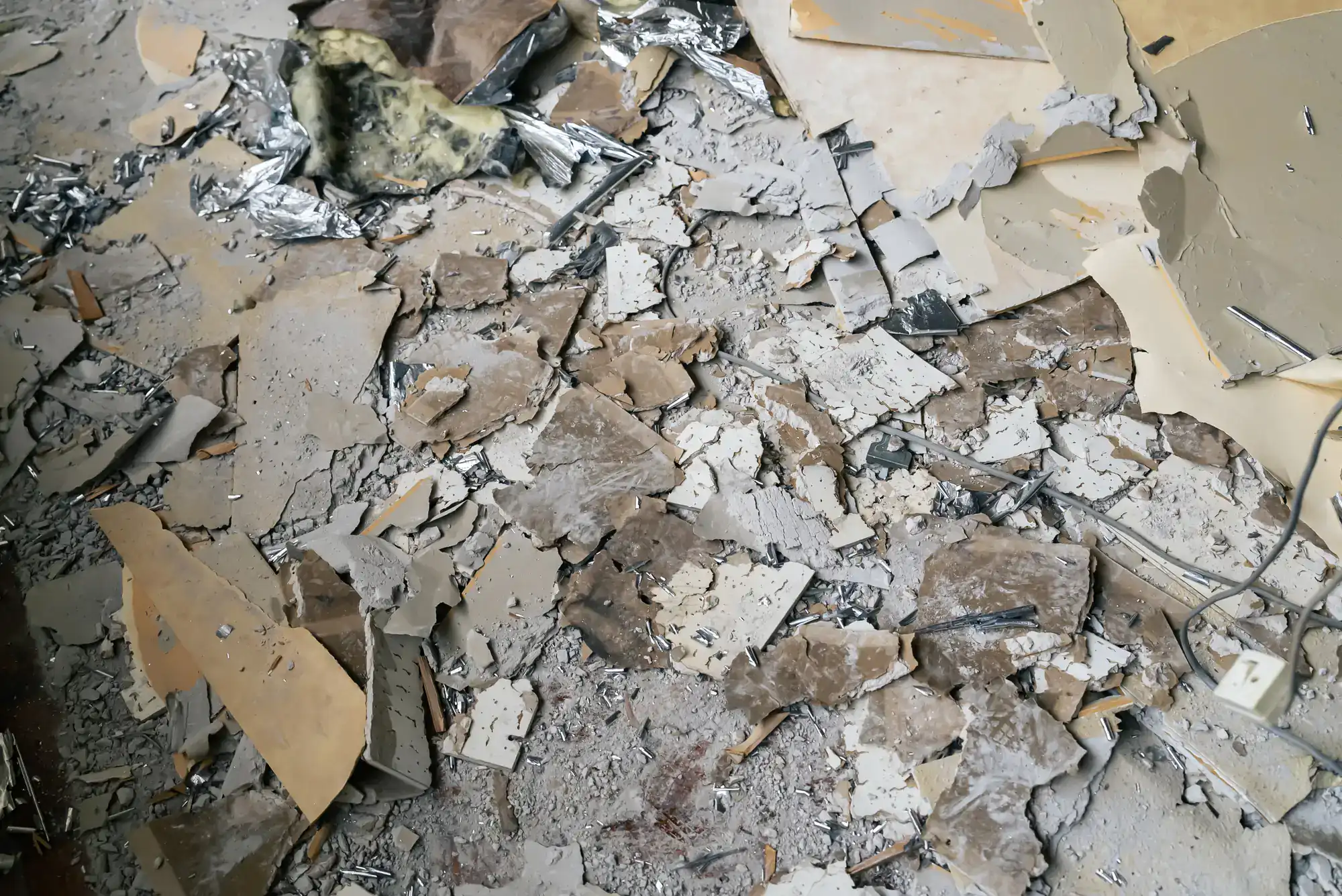
If the project involves a pre-1978 structure — which covers a large portion of Skippack Township’s housing stock — asbestos and lead testing comes before demolition begins. This isn’t optional under Pennsylvania DEP and EPA regulations, and it’s also just the right way to protect your home and everyone in it. We handle the testing, the certified abatement, and the containment using HEPA filtration systems that keep hazardous materials from spreading through the rest of the property during the work.
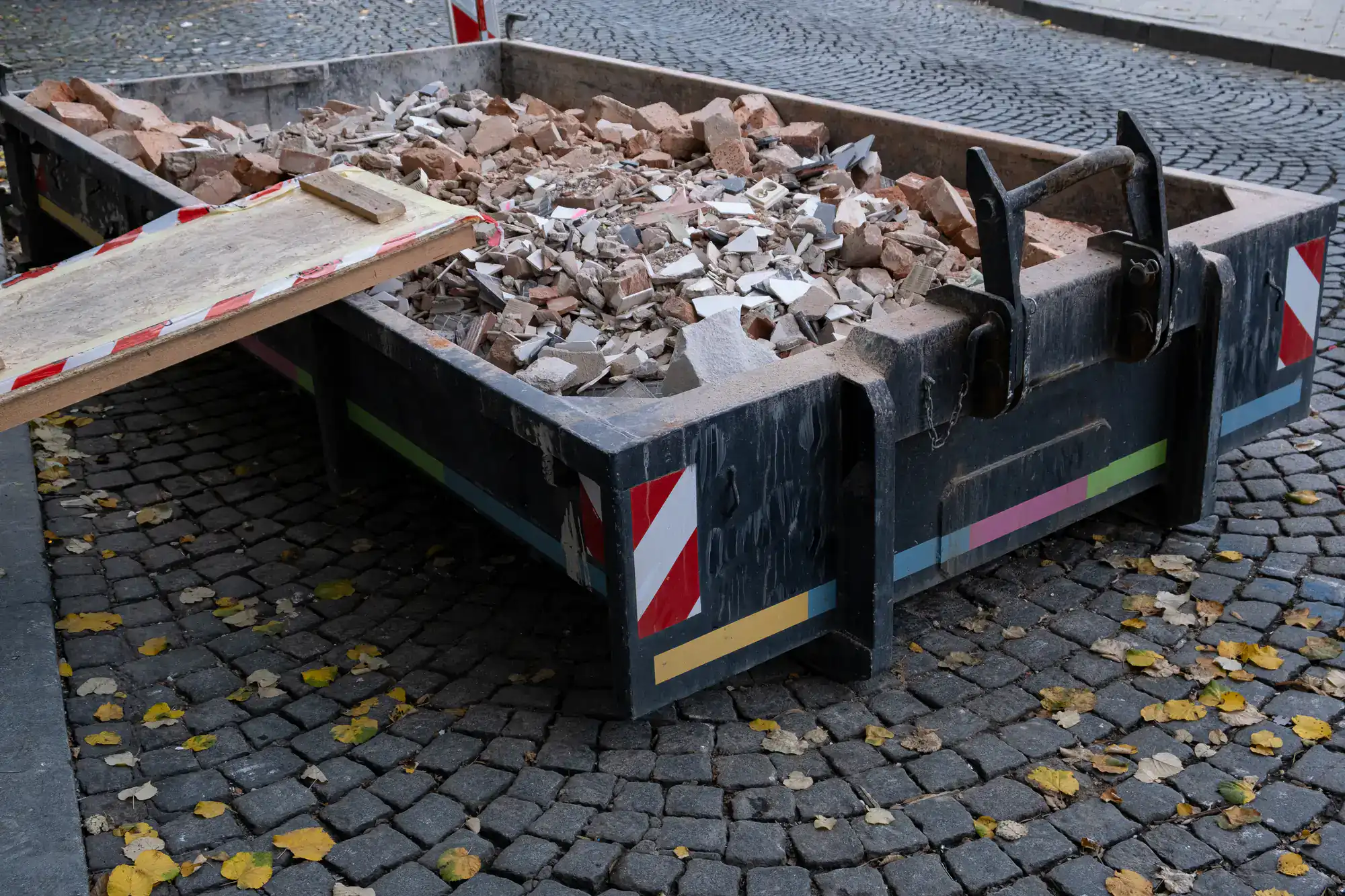
One thing worth knowing specific to Skippack: Skippack Township requires all contractors performing demolition work to be registered with the Code Enforcement Office under Chapter 77 of the Township Code, in addition to standard state licensing. The permit process runs through the Township’s administrative office on Heckler Road, and we navigate all of it. Once the work is done, construction debris removal is handled as part of the job — you’re not left managing a pile of material at the end.
Ready to get started?
Most contractors in the Skippack market handle one piece of the project. A mold tester tests. An abatement firm removes. A demolition crew guts. A hauler takes the debris. That’s four separate estimates, four separate schedules, and four separate phone calls when something goes sideways. We operate differently — every service in the project lifecycle is handled under one roof, by one team, on one invoice.
That includes asbestos inspection, testing, removal, and encapsulation; lead inspection, testing, and removal; mold sampling, testing, and remediation; water damage restoration and waterproofing; full interior demolition and gutting for residential and commercial properties; above-ground oil tank removal; appliance disposal; duct cleaning; and construction debris removal. For Skippack homeowners dealing with the kind of complex, layered projects that come with older properties — especially the farmhouses and mid-century homes throughout the township — this model isn’t just convenient. It’s the only approach that keeps the project moving without gaps between contractors.
If your property sits near the Skippack Creek corridor or in a lower-lying area of the township with known water table exposure, waterproofing and drainage work can be scoped as part of the same engagement. Emergency response is available around the clock, which matters when a pipe bursts in February and you need someone on-site before the mold clock starts running. Whatever the job looks like in Skippack, we can handle it from the first inspection through the last piece of debris out the door.

If your home was built before 1978, the honest answer is yes — testing before demolition is both legally required and genuinely important. Asbestos was used widely in residential construction through the mid-1970s, and it shows up in places most homeowners don’t expect: floor tiles, ceiling texture, pipe insulation, roofing materials, and joint compound. Skippack Township has a significant inventory of pre-1978 homes — from colonial-era farmhouses that date back to the 1700s to mid-century ranch and split-level homes built in the 1950s and 60s — and virtually all of them carry some level of asbestos risk.
Under Pennsylvania DEP regulations and federal EPA standards, asbestos-containing materials must be identified and properly abated before any demolition or renovation work disturbs them. That’s not a technicality — it’s a health and legal protection for you, your family, and the workers on the job. We handle the full process: inspection, testing, certified abatement, and clearance, so your project can move forward without regulatory exposure or health risk.
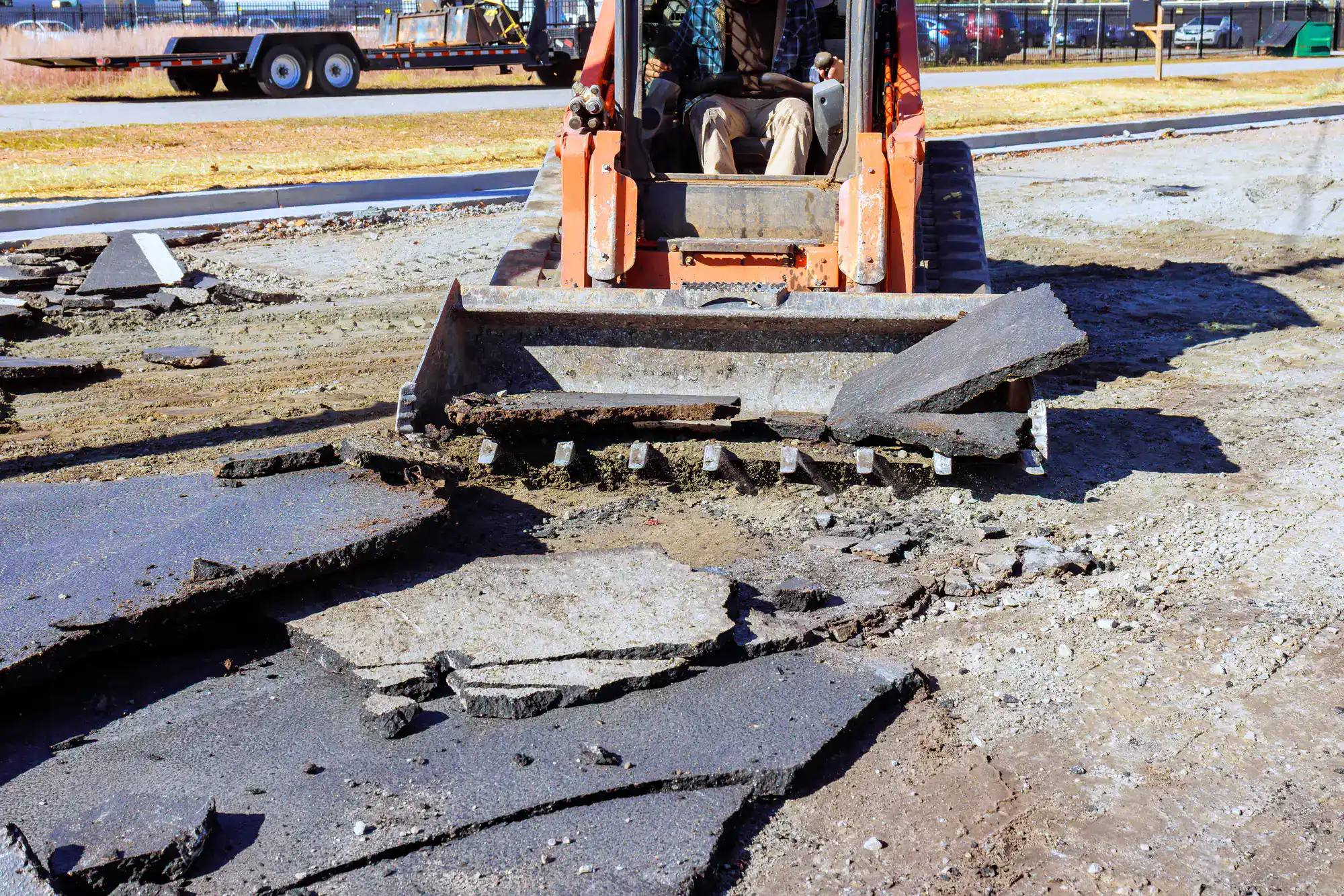
Demolition costs vary significantly depending on the scope of work, the size of the structure, and what’s found during the inspection phase. A full residential demolition in the Philadelphia suburban market typically runs in the range of $14,000 to $19,000 for an average-sized home, but that number shifts considerably when asbestos abatement, lead removal, or water damage remediation is part of the scope. For selective interior demolition — gutting a kitchen, a bathroom, or a basement — costs are lower, but the presence of hazardous materials in a pre-1978 Skippack property will add to the total.
The most important thing you can do before committing to any number is get a written, itemized estimate that accounts for what’s actually in your home — not a ballpark based on square footage alone. We provide free estimates and are transparent about what’s driving the cost. Cash discounts are available, which is worth asking about when you call. Hidden fees for debris disposal and permit costs are a common complaint in this industry, and we don’t operate that way.
Skippack Township requires building permits for demolition work, issued through the Township’s Code Enforcement Office under the Pennsylvania Uniform Construction Code. Beyond the standard permit, Skippack Township has a specific contractor registration requirement under Chapter 77 of the Township Code — any contractor performing demolition or construction work in the township must be registered with the Code Enforcement Office before work begins. This applies to all contractors, not just general contractors, and it’s a detail that homeowners often don’t know to ask about until there’s a problem.
If your project involves asbestos or lead abatement, there are additional compliance requirements under Pennsylvania DEP regulations and federal EPA standards that govern how materials are removed, contained, and disposed of. A contractor who pulls the demolition permit but isn’t EPA-certified for hazmat work is leaving you exposed. We handle all permit coordination and meet every applicable registration and certification requirement for work in Skippack Township — you don’t have to manage any of that separately.
The honest answer is that you often need both — and the fastest path forward is finding one company that can do everything. When a basement floods in Skippack, whether from Skippack Creek backing up during a heavy rain event, groundwater intrusion from the township’s documented high water table, or a burst pipe in an older home, the immediate priority is water extraction and drying. But once that’s done, the real question is what condition the structure is in. Drywall, insulation, framing, and flooring that have been saturated often need to come out — and if your home predates 1978, that material may contain asbestos or lead, which changes how it has to be handled.
We handle the full scope: water damage assessment, gutting and demolition of damaged materials, certified abatement if hazardous materials are present, and waterproofing to address the underlying cause. That means you’re not handing off a half-finished project from a restoration company to a demolition crew to an abatement firm. The phone line is available 24 hours a day specifically because water damage doesn’t wait for business hours, and the faster the response, the lower the mold risk.
There are a few specific credentials to look for. The EPA Renovation, Repair, and Painting (RRP) certification is the baseline — it’s required for any contractor working on pre-1978 homes and covers lead-safe work practices. But the RRP certification is not the same as being a Certified Lead Inspector and Risk Assessor, which is a separate, higher-level EPA credential that authorizes a contractor to inspect, test, and certify lead conditions — not just follow safe removal procedures. That distinction matters if you need to know what’s actually in your home before work begins, which is often required for real estate transactions, HUD-regulated properties, or complex renovation projects.
We hold the EPA Certified Lead Inspector and Risk Assessor credential, as well as EPA/HUD compliance certification for work on federally-assisted housing. In a township like Skippack, where pre-1978 homes represent a large share of the housing stock — from the historic village buildings along Skippack Pike to the mid-century homes throughout the township — these credentials are directly relevant to the work, not just resume items. Always ask a contractor to show you their certifications before signing anything.
Yes — cash discounts are available, and it’s worth asking about when you call for your free estimate. For homeowners in Skippack managing a significant renovation or restoration project, where the total scope often includes testing, abatement, demolition, and debris removal, the overall cost can add up quickly. A cash discount on a project of that size is a real dollar difference, not a token gesture.
Skippack homeowners tend to be doing more complex work than a simple gut-and-rebuild — the historic farmhouses, the mid-century homes, and the properties near the creek corridor all come with layers that drive project cost. Getting a clear, written estimate that accounts for everything upfront, combined with a cash discount where it applies, is a straightforward way to make sure you’re getting honest value for what the project actually requires. Call us, walk through the scope, and ask directly — the pricing conversation is transparent from the start.
Other Services we provide in Skippack