Hear from Our Customers
Most Lower Providence homeowners don’t call a demolition contractor because they want demolition. They call because something went wrong — a burst pipe in February, a basement that flooded after a storm pushed the Perkiomen Creek over its banks, or a kitchen gut that got complicated the moment someone opened a wall in a 1968 ranch and found pipe insulation that shouldn’t be touched without a certified crew on site. The problem isn’t just the damage. It’s not knowing who handles what, in what order, and whether the person you hired is actually qualified to do it.
When you work with us, that coordination burden disappears. Testing, abatement, demolition, and waterproofing all happen under one roof — one call, one crew, one invoice. There’s no gap between the asbestos abatement company finishing and the demo crew showing up, no miscommunication about what’s been cleared and what hasn’t. The job moves forward as a single, managed process, not a relay race between contractors who’ve never met each other.
For homeowners in Lower Providence, Audubon, Trooper, Eagleville, and the surrounding communities — most of whom are living in homes built before 1978 — that level of coordination isn’t a luxury. It’s the only way to do this kind of work correctly, legally, and without leaving hazardous material behind in a home where your family lives.
We’re based in Glenside — about 17 miles east of Lower Providence on US 422 — and have been working throughout Montgomery County for over two decades. That’s not a number we throw around for effect. It means we’ve pulled permits at the Lower Providence Township Community Development Department, worked in homes throughout Lower Providence, Audubon, Eagleville, and Trooper, and handled the specific combination of asbestos, lead, and water damage that shows up in this township’s postwar housing stock on a regular basis.
Eric, who runs EJS, is an EPA Certified Lead Inspector and Risk Assessor — not just an RRP-certified contractor, but someone who is federally qualified to inspect, test, and certify lead conditions in pre-1978 properties. That distinction matters in Lower Providence, where the majority of single-family homes were built before the 1978 cutoff. You’re not hiring a general contractor who added abatement to their service list. You’re hiring a specialist who built a business around this exact type of work.
We’re fully licensed, bonded, and insured. Free estimates. Cash discounts available on qualifying projects.
It starts with a free estimate. We come to your property in Lower Providence, assess what you’re dealing with — whether that’s a water-damaged basement, a full interior gut, or a structure that needs to come down — and give you a clear, written quote before anything else happens. No vague ballpark figures, no pressure to sign on the spot.
If your home was built before 1978, the next step before any demo work begins is testing. We test for asbestos-containing materials and lead paint on site. This isn’t optional — it’s required under federal EPA regulations, and skipping it exposes you to real legal and health liability. Because we hold both the testing and abatement certifications in-house, this step doesn’t add a separate contractor or a separate scheduling delay. We handle it, clear it, and move forward.
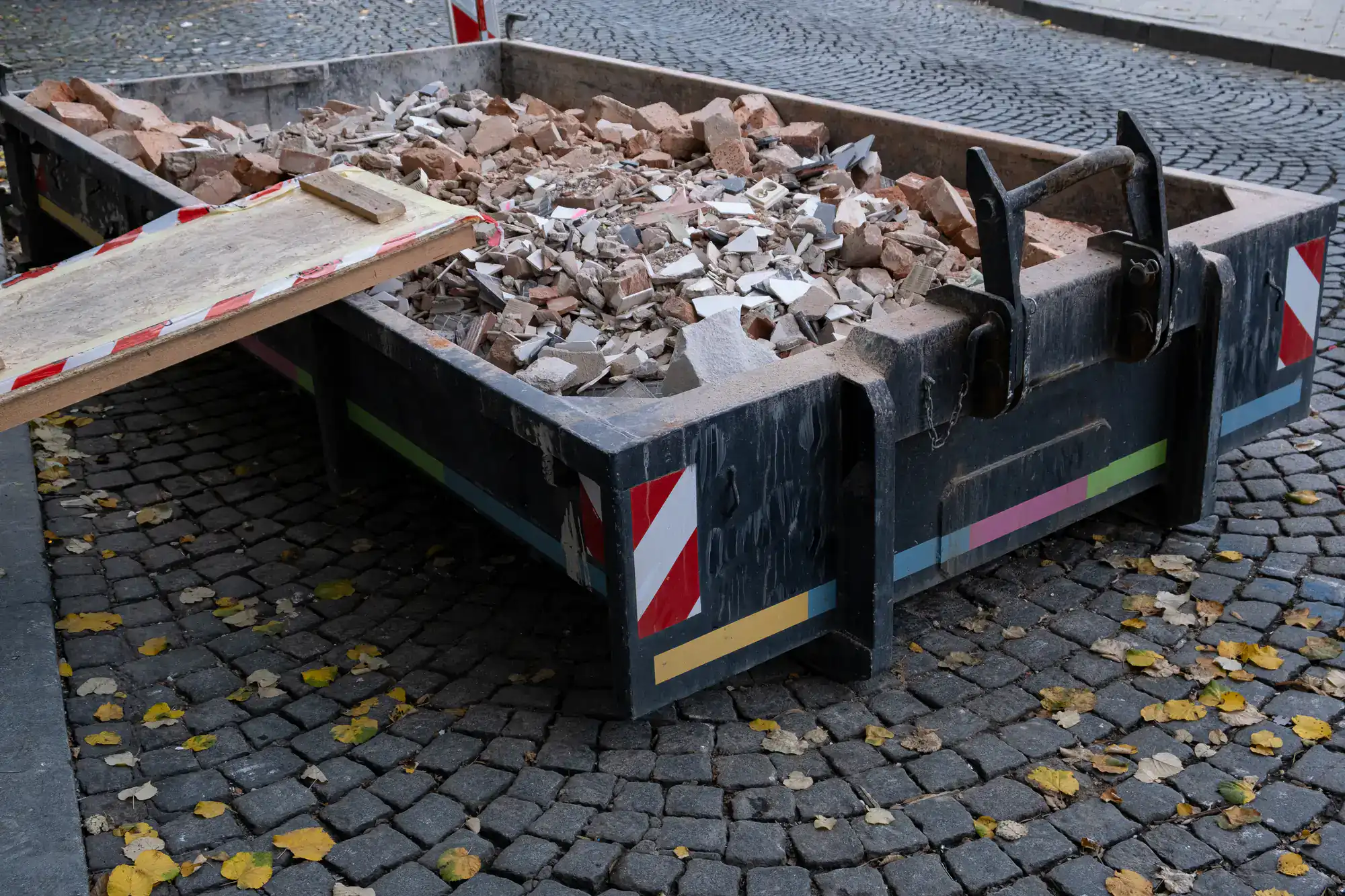
Once hazardous materials are identified and abated under proper HEPA containment, the demolition or gutting work begins. Lower Providence Township requires a demolition permit prior to the removal of any structure, and we file the complete permit application on your behalf — the township’s residential review timeline is 15 business days, and a complete, correctly filed application is the only way to hit that window. After the work is done, debris is removed and the space is cleaned and ready for whatever comes next — whether that’s a contractor, an inspector, or a fresh start.
Ready to get started?
We handle the full scope of what demolition and environmental abatement actually involves in Lower Providence and the surrounding area. Interior demolition and selective gutting for renovation projects. Full structure removal for properties that have reached end of life. Asbestos testing, identification, and abatement — including the floor tiles, ceiling tiles, pipe insulation, and joint compound that are common in the 1950s through 1970s homes throughout Lower Providence, Audubon, Trooper, and Eagleville. Lead paint inspection, risk assessment, and removal in pre-1978 properties, performed by an EPA Certified Lead Inspector — not just a removal crew. Mold remediation and water damage gutting, which is especially relevant for properties near the Perkiomen Creek corridor where flooding events have caused repeated interior water intrusion. Above-ground oil tank removal, which comes up regularly in Lower Providence’s older housing stock. And waterproofing services for basements and foundations dealing with chronic moisture issues.
All work is performed by licensed, supervised crews using HEPA filtration systems and proper negative air containment — not because it looks good on paper, but because it’s the only way to legally and safely handle hazardous materials in an occupied or soon-to-be-occupied home. We’re available 24 hours a day, seven days a week for emergency response, because a burst pipe or flood event in February doesn’t wait for business hours. If you’re not sure which of these services applies to your situation, that’s exactly what the free estimate is for.
Yes — Lower Providence Township requires a demolition permit before the removal of any structure, and that requirement applies to both residential and commercial properties. The permit is filed through the Township’s Community Development Department, which also handles zoning, building inspections, and floodplain administration. For residential projects, the township’s Building Code Official has 15 business days to review a complete application. The key word there is “complete” — an incomplete application restarts that clock, which is why it matters to have a contractor who knows what the township requires and files it correctly the first time.
Beyond the timeline, pulling the permit protects you. Unpermitted demolition work can surface as a problem when you go to sell the property, make an insurance claim, or have the work inspected later. We handle the full permit process on your behalf for every project in Lower Providence — you don’t have to navigate the township’s requirements yourself, and you won’t be left wondering whether the paperwork was done right.
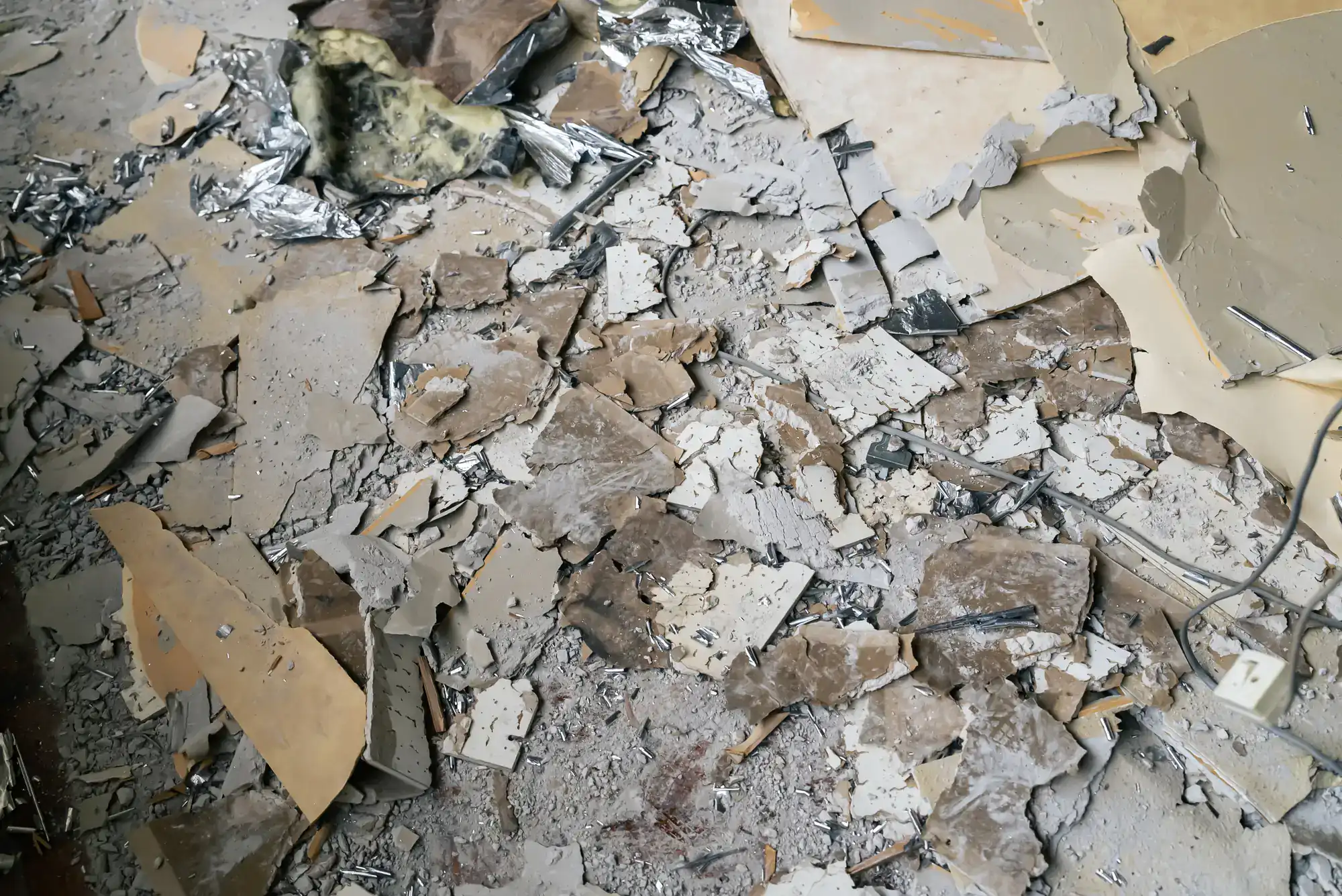
The honest answer is that you don’t know until you test — and in Lower Providence, where a large portion of the housing stock was built between the 1950s and 1970s, the probability is high enough that you should assume it’s present until testing says otherwise. Asbestos was used in floor tiles, ceiling tiles, pipe and duct insulation, joint compound, roofing materials, and exterior siding during that era. It doesn’t look different from materials that don’t contain it. You can’t identify it visually.
The EPA requires that contractors working on pre-1978 homes be certified under the Renovation, Repair, and Painting rule. We go a step further — we hold EPA Certified Lead Inspector and Risk Assessor credentials, which means we can test, identify, and certify asbestos and lead conditions in your home before any demolition work begins. That testing happens on site, as part of the same engagement as the demolition work itself. You don’t need to hire a separate inspector, wait for a separate report, and then schedule a separate abatement crew. It’s one process, handled by one team.
Move fast — that’s the most important thing. Mold growth begins within 24 to 48 hours of water intrusion, and once it establishes itself in drywall, insulation, and framing, the scope of the remediation work expands significantly. The Perkiomen Creek corridor has seen serious flooding events in recent years — Tropical Storm Isaias in 2020 and Hurricane Ida’s remnants in 2021 both caused major water intrusion in Lower Providence and surrounding communities. If your basement took on water, the clock starts immediately.
Call us as soon as possible. We’re available 24 hours a day, seven days a week for exactly this reason. When we arrive, we assess the extent of the water damage, identify what needs to be removed, and begin the gutting process — pulling saturated drywall, flooring, insulation, and any other compromised materials. If your home was built before 1978, we test before we touch anything, because water-damaged materials in older homes frequently contain asbestos or lead. Once the space is cleared, we can also address the waterproofing side to reduce the risk of it happening again.
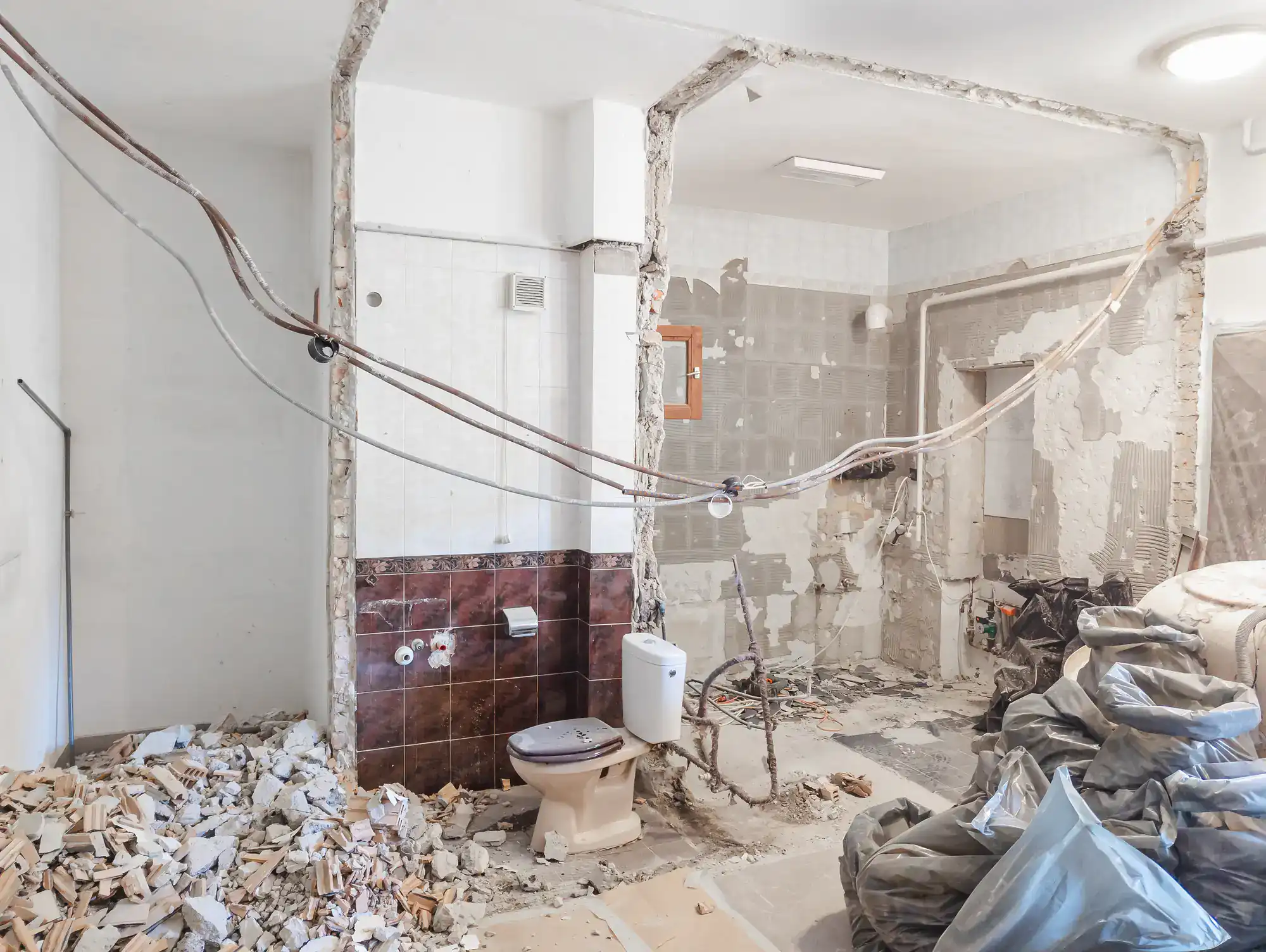
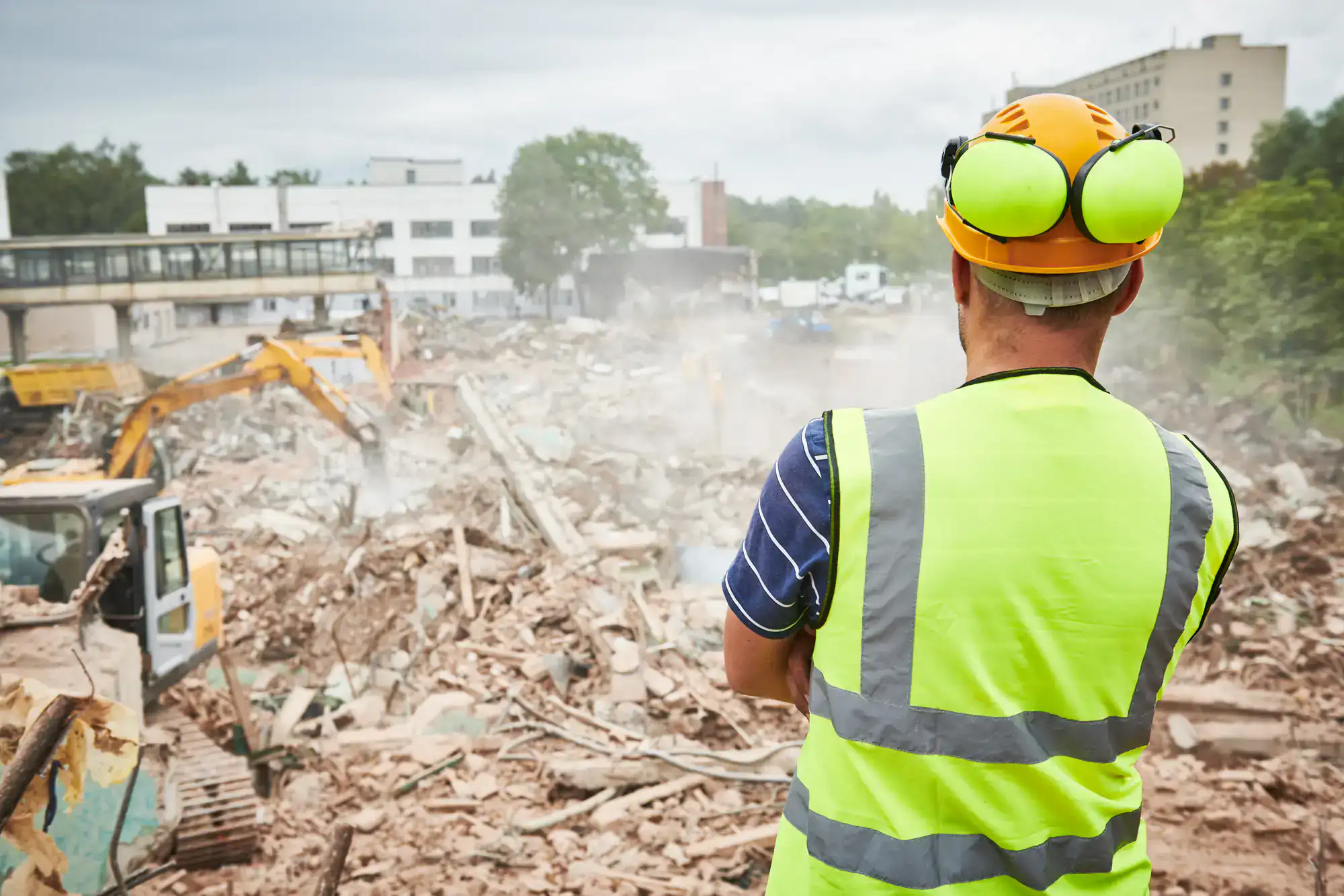
Interior demolition — sometimes called gutting — means removing specific elements inside a structure while leaving the structure itself standing. That might be a single bathroom, a full kitchen, a finished basement, or the entire interior of a home being prepped for a complete renovation. The walls, roof, and foundation stay. Everything inside comes out. This is the most common type of demolition work in Lower Providence, where most projects involve renovating an existing home rather than tearing one down entirely.
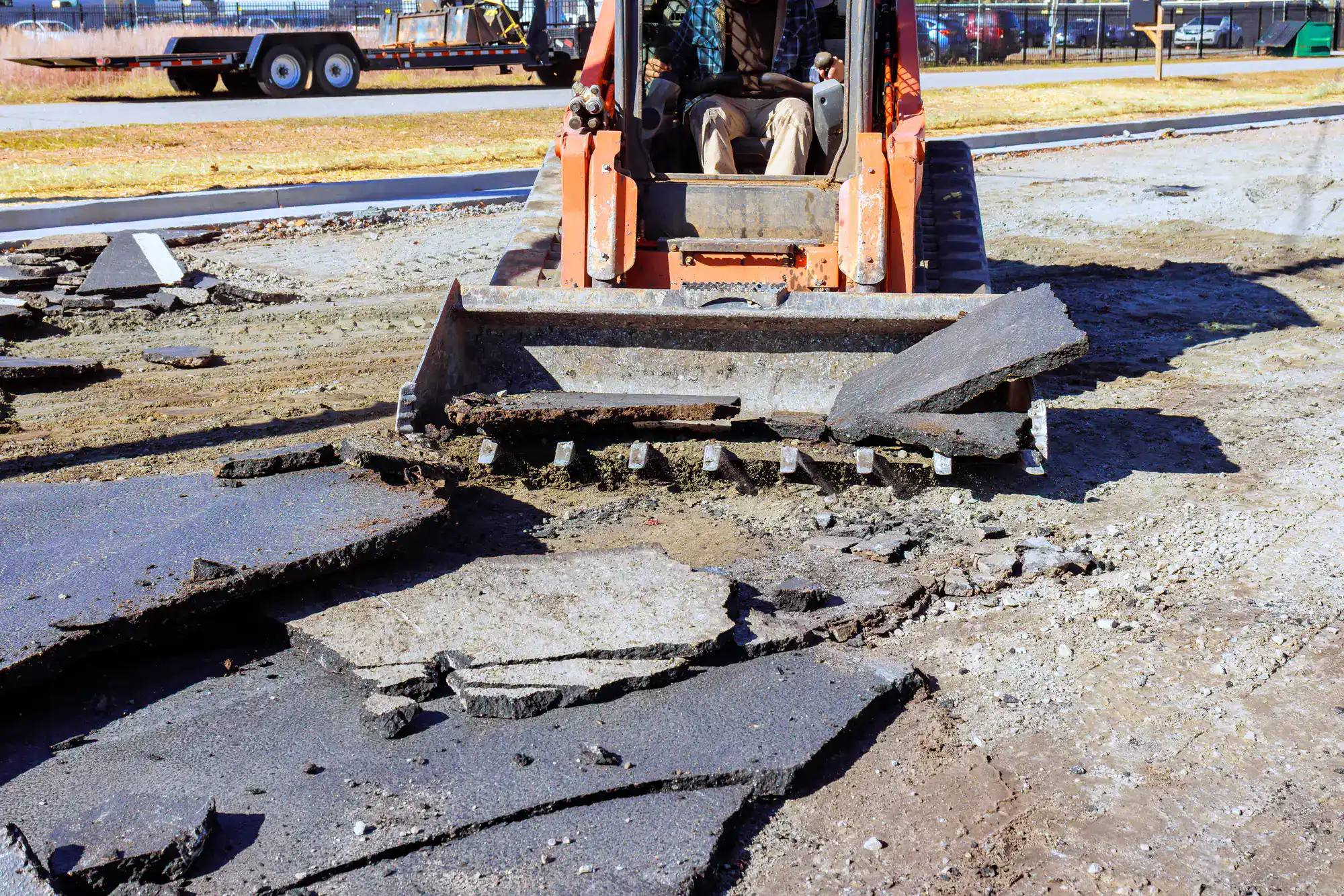
Full demolition means the entire structure is removed down to the foundation — or including the foundation, depending on the project. This is less common in established residential neighborhoods but does come up with properties that have sustained severe structural damage, homes being cleared for new construction, or older outbuildings and garages that have reached the end of their useful life. Both types of work require permits in Lower Providence Township, and both require hazardous material testing in pre-1978 structures before any work begins. We handle both, and the free estimate will tell you clearly which approach your project actually needs.
It can be — but only if the contractor holds the right certifications for both sides of the work. In Pennsylvania, asbestos abatement requires specific EPA and state-level certifications that go beyond a standard contractor’s license. Most demolition contractors are not certified abatement contractors, which is why the typical process involves hiring them separately and coordinating the handoff between them. That gap creates scheduling delays, miscommunication about what’s been cleared, and a real risk that materials get disturbed before they’ve been properly abated.
We’re certified for both. We hold EPA Certified Lead Inspector and Risk Assessor credentials, we are EPA/HUD compliant, and we perform asbestos and lead abatement in-house using HEPA filtration and proper containment — before the demolition crew touches anything. In a pre-1978 home in Lower Providence, that means the testing, the abatement, and the demolition all happen in a single, managed sequence with one point of accountability. No handoffs, no gaps, no hoping the previous crew did their job correctly. It’s the only way we work.
Yes, cash discounts are available on qualifying projects. In a township like Lower Providence — where a lot of the work involves older homes going through significant renovations, and where homeowners are often managing multiple project costs at once — paying cash on a demolition or abatement job is a straightforward way to reduce the total cost without cutting corners on the work itself. The discount reflects a real reduction in processing overhead, and it gets passed directly to you.
When you call for your free estimate, ask about cash pricing upfront. We’ll tell you whether your project qualifies and what the discount looks like in actual dollar terms — not a vague percentage buried in the fine print. The estimate itself is always free and always written, so you know exactly what you’re agreeing to before the job starts. Transparent pricing isn’t a selling point for us — it’s just how we think the process should work, especially when the work involves someone’s home.
Other Services we provide in Lower Providence