Hear from Our Customers
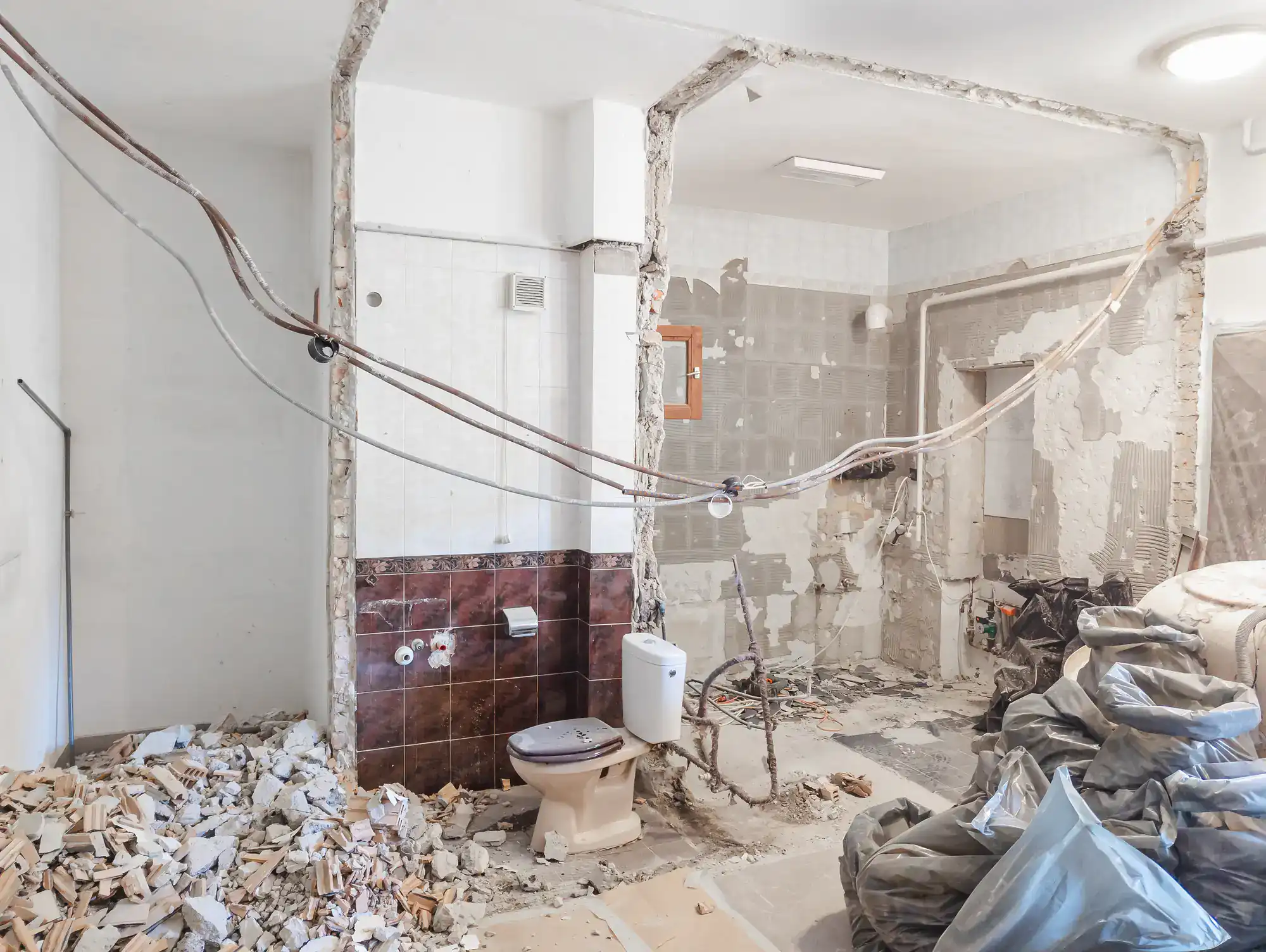
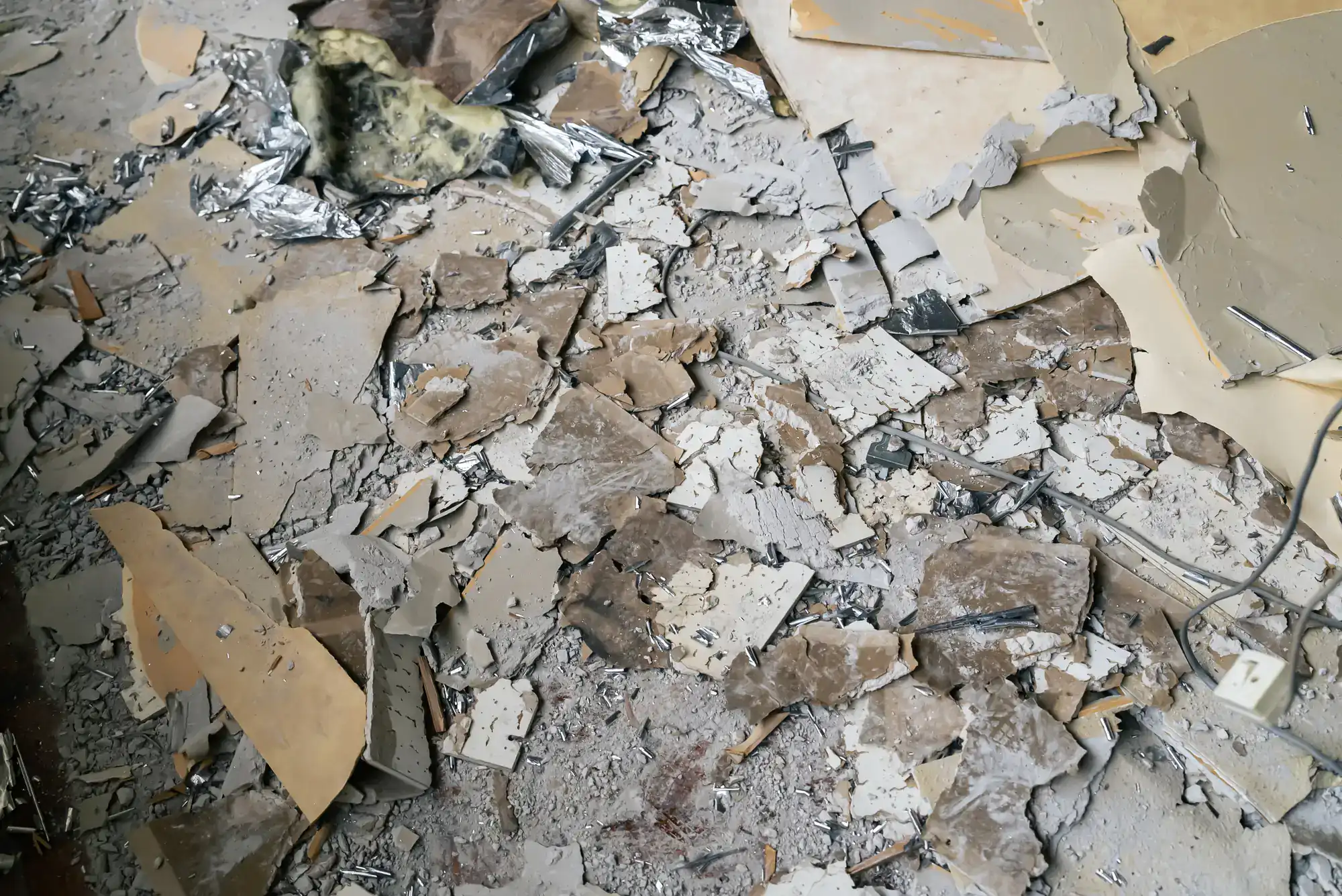
A lot of Harleysville’s housing stock was built between the 1950s and the late 1970s — right in the window where asbestos floor tile, lead paint on woodwork, and asbestos pipe wrap were completely standard. That 1965 split-level or 1972 colonial you’re renovating isn’t just an older home. It’s a home that almost certainly has hazardous materials sitting behind the surfaces you’re planning to gut. Finding that out mid-demolition, with an unlicensed crew already swinging, is a problem that costs far more to fix than it would have cost to test first.
When the Perkiomen or Skippack Creek systems push water into Lower Salford Township neighborhoods, the damage doesn’t wait. Mold starts forming within 24 to 48 hours, and flooded drywall, insulation, and subfloor materials in a pre-1978 Harleysville home don’t just need to come out fast — they need to come out correctly. That means certified abatement before demolition begins, not after someone realizes the floor tile is chrysotile.
The outcome you’re actually after is simple: a clean, compliant job site with no regulatory exposure, no hidden surprises, and no callbacks. That’s what a certified, fully licensed demolition contractor delivers — and it’s the difference between a renovation that moves forward and one that stalls out at the worst possible moment.
We’ve been doing this work in Montgomery County for over 20 years, with hundreds of jobs in exactly the kind of post-WWII single-family homes that define Harleysville — the ranch houses and colonials built when Lower Salford Township’s farmland was first being subdivided into the neighborhoods that line Route 63 and Route 113 today. We know what’s typically inside those homes, how the township’s permit process works, and what it takes to do the job without cutting corners that come back to bite you.
We carry EPA Certified Lead Inspector and Risk Assessor credentials — not just the basic RRP contractor certification that most demolition companies hold. That distinction means we can legally inspect and certify lead conditions before work begins, not just remove what someone else has already identified. Add full licensure, bonding, insurance, workers’ compensation coverage, and 24/7 availability, and you have a contractor that’s built to handle whatever your Harleysville home is holding.
It starts with a free estimate. Someone from our team comes out, walks the space, and gives you a straight answer on what you’re dealing with — no vague ballpark, no pressure. If the project involves a pre-1978 home, which covers a meaningful share of Harleysville’s housing stock, that walkthrough includes an assessment for asbestos and lead-containing materials before anything else moves forward. Federal law requires it, and skipping that step creates liability that lands on the homeowner, not the contractor.
Once the scope is clear, we handle the permit application with Lower Salford Township’s Building and Zoning department. That process has specific requirements — workers’ compensation documentation, email submission with confirmation, cash or check payment at pickup — and it’s the kind of administrative detail that unlicensed contractors either don’t know or ignore. We handle it correctly so your project doesn’t stall at the permit stage.
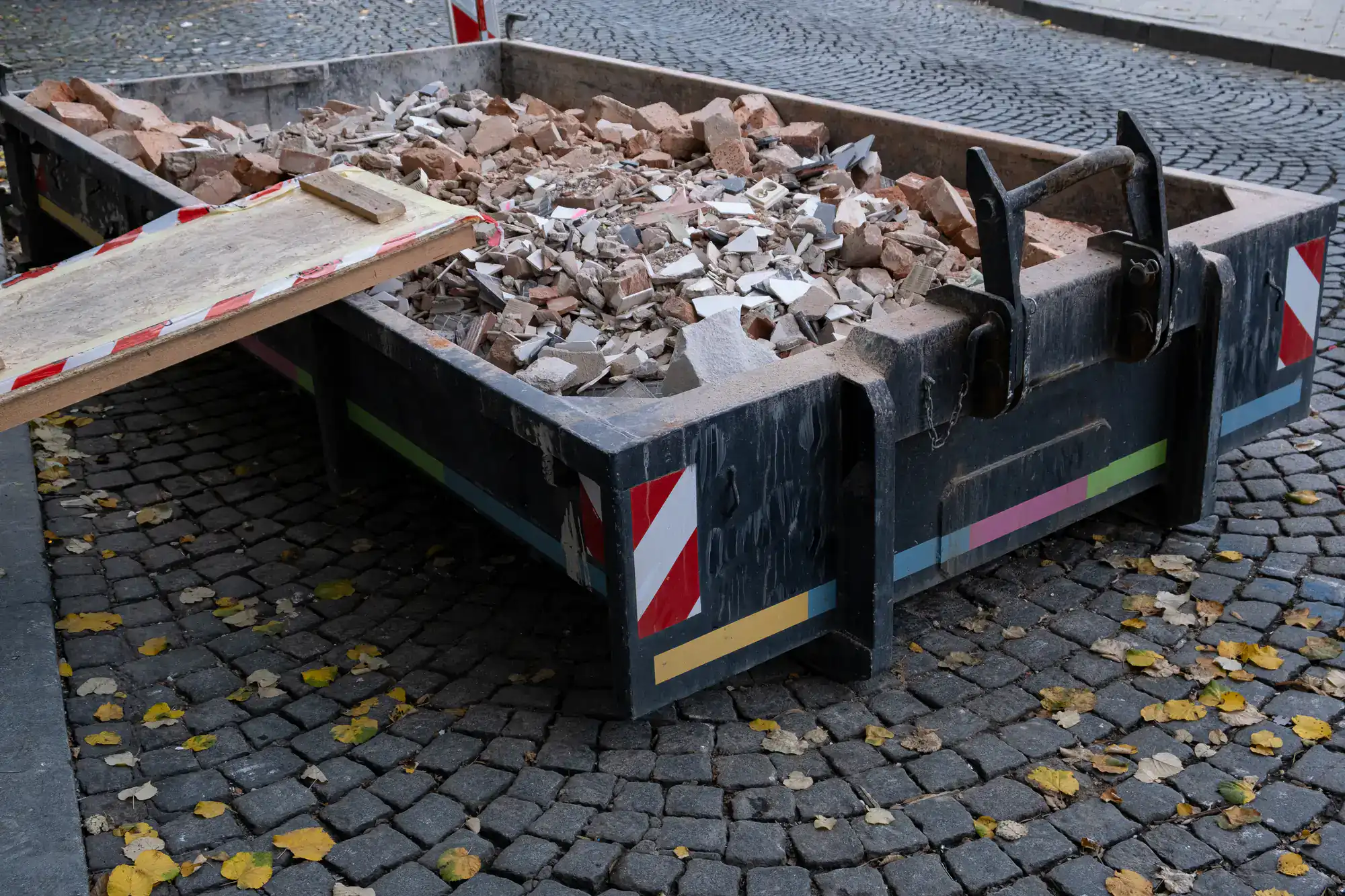
Then the work begins. If hazardous materials are present, certified abatement comes first, with HEPA filtration and negative air pressure containment keeping the rest of your home clean. Demolition and gutting follow, with a licensed supervisor on-site from start to finish. When the crew leaves, the space is cleared, debris is hauled, and the job site is ready for whatever comes next — whether that’s a contractor picking up the renovation or a restoration crew addressing flood damage.
Ready to get started?
Most demolition contractors show up, swing hammers, and leave. What they don’t do is test for asbestos before they start, certify lead conditions, or handle mold remediation when the demo reveals a moisture problem behind the walls. In Harleysville, where a significant portion of homes predate the 1978 federal hazmat threshold and where Perkiomen Creek flooding has pushed water into Lower Salford Township properties more than once, that gap in service creates real problems for homeowners.
We cover the full scope. That includes asbestos inspection, testing, and abatement; lead inspection and removal; mold sampling and remediation; water damage restoration; demolition and interior gutting; above-ground oil tank removal; environmental clean-outs; and construction debris removal. If your basement flooded and needs to be gutted, or your kitchen renovation uncovered something unexpected behind the tile, one call handles all of it. No coordinating three separate licensed contractors. No gaps in accountability between the testing company and the demo crew.
Everything is done by a fully licensed, insured, and bonded team with on-site supervision throughout the project. HEPA filtration is used on every abatement job. Free estimates are available with no obligation, and cash discounts are offered for customers who prefer to pay that way. If you’re dealing with an emergency — a burst pipe in February, a flooded basement after a storm — the phone is answered around the clock.
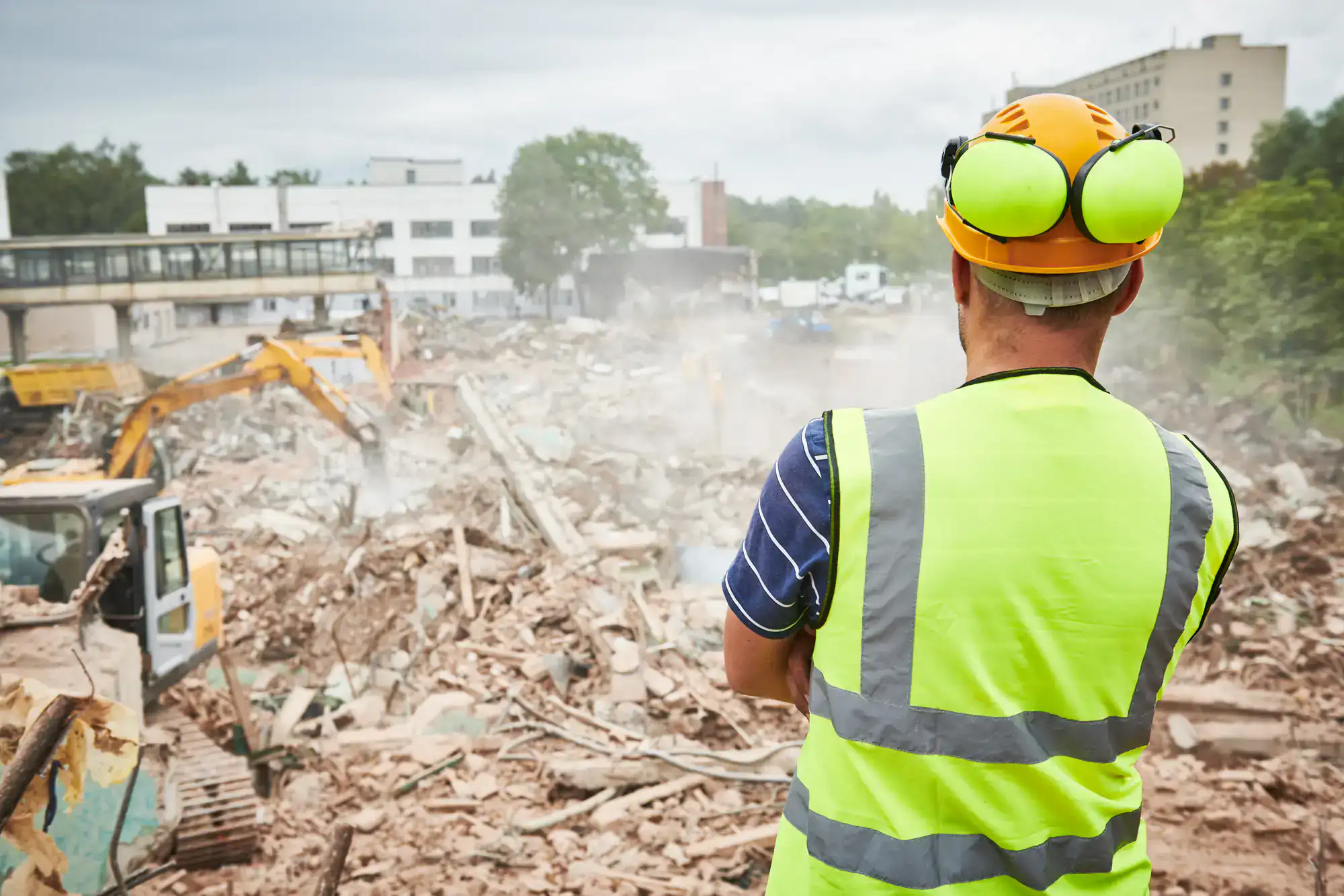
Yes, demolition work in Harleysville requires a permit from Lower Salford Township’s Building and Zoning department. This applies to interior demolition and gutting, not just full structural teardowns. The township has specific submission requirements: permit applications are submitted by email to the permits office, a confirmation email is required for the submission to be considered accepted, and payment is collected at permit pickup by cash or check only — no credit cards.
Contractors are also required to provide workers’ compensation coverage documentation as part of the permit process. If your contractor can’t produce that documentation, the permit process stalls, and you’re the one left exposed. We carry the required coverage and handle the entire permit application on your behalf, so you don’t have to navigate the township’s process on your own. If your property sits in the Franconia Township portion of the Harleysville CDP rather than Lower Salford, permit requirements may differ slightly — something worth confirming based on your specific address.
The honest answer is that you don’t know until it’s tested. Asbestos was used in a wide range of building materials through the late 1970s — floor tile, ceiling tile, pipe insulation, joint compound, roofing materials, and more. If your home was built before 1978, which covers a meaningful share of Harleysville’s housing stock given the community’s post-WWII development timeline, there’s a reasonable probability that at least one of those materials is present somewhere in the structure.
The only way to confirm it is through professional sampling and lab testing. We hold EPA Certified Lead Inspector and Risk Assessor credentials, which means we can legally perform the inspection and certify the results — not just remove materials that someone else has already flagged. That distinction matters because it keeps the entire process under one roof: testing, certification, abatement, and demolition, all handled by the same licensed team without handoffs between separate contractors. If materials test positive, abatement happens first under HEPA filtration before any demolition begins.
Start by calling a certified contractor before anyone starts pulling drywall. This is especially important in Harleysville, where flooding from the Perkiomen and Skippack Creek systems has caused documented property damage in Lower Salford Township — including the historic Perkiomen Creek crest following Tropical Storm Isaias in 2020. When water enters a home, mold begins forming within 24 to 48 hours. The instinct to rip out wet materials immediately is understandable, but in a pre-1978 home, that wet drywall or flooring may contain asbestos or lead. Gutting it without certified abatement first is a federal violation.
We handle emergency water damage response around the clock. The process starts with an assessment of what’s damaged, what materials are present, and what needs to come out. If hazmat testing is required, it happens before demolition begins. Abatement, gutting, and debris removal follow in sequence, with a licensed supervisor on-site throughout. The goal is to move fast without cutting the corners that create bigger problems down the road.
A demolition contractor removes structures — walls, floors, ceilings, fixtures. An environmental abatement contractor is certified to identify, contain, and safely remove hazardous materials like asbestos and lead before or during that demolition. In practice, most demolition contractors are not certified abatement contractors, which means they either skip the hazmat step entirely or subcontract it to someone else. That creates a coordination gap — and in a home with pre-1978 materials, it creates legal exposure for the homeowner if the work isn’t done in the right sequence.
We operate as both. We hold EPA certifications that cover the full scope: inspection, testing, abatement, and demolition under one license, one crew, and one point of accountability. For Harleysville homeowners dealing with older homes on lots that were originally part of the township’s post-WWII farm subdivisions, this integrated approach isn’t just more convenient — it’s the only way to ensure the job is done in compliance with federal EPA and HUD requirements from start to finish.
It depends on the scope of the project and whether hazardous materials are present. A straightforward interior gut of a single room in a post-1978 home — one where asbestos and lead testing come back clean — can often be completed in one to two days. A more involved project, like gutting a finished basement or a full kitchen in a 1960s or 1970s Harleysville home, typically runs longer once testing, abatement setup, containment, and debris removal are factored in.
The honest timeline driver is the hazmat assessment. If testing reveals asbestos-containing materials or lead paint, abatement has to happen before demolition proceeds, and that step has its own setup, containment, and clearance requirements. Skipping it to save time isn’t an option — it’s a federal violation. We build realistic timelines into every free estimate so you know what to expect before the project starts, not after the crew is already on-site.
Cash discounts are available. When customers pay in cash, we pass the savings from avoided credit card processing fees directly back to them — it’s a straightforward way to reduce the total cost of the project without changing anything about the scope or quality of the work. For a Harleysville homeowner managing a renovation budget on a home that may already require asbestos testing, abatement, and demolition as separate line items, that discount is a real number worth asking about when you call for your free estimate.
Free estimates are also standard — no obligation, no pressure. You get a clear picture of what the project involves and what it costs before anyone commits to anything. For emergency situations, like a flooded basement after a storm pushes the Perkiomen Creek over its banks, the 24/7 phone availability means you’re not waiting until Monday morning to find out where you stand. Call (484) 378-2453 any time to get the conversation started.
Other Services we provide in Harleysville