Hear from Our Customers
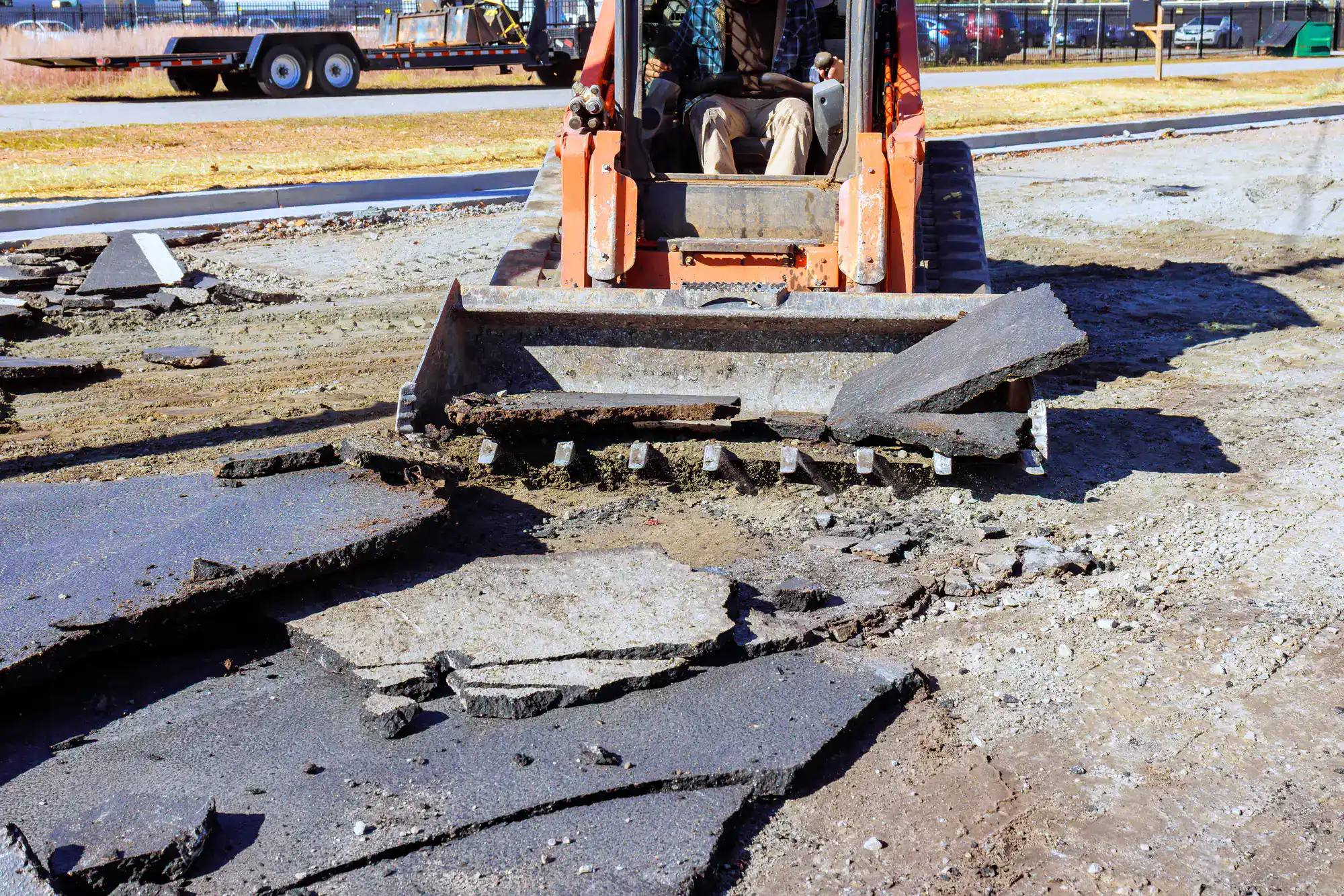
Franconia Township is full of homes with real history — 19th-century farmhouses, mid-century colonials, Cape Cods that haven’t been touched in decades. That history is worth preserving. But when it’s time to renovate, gut, or tear something down, that same history usually means asbestos in the insulation, lead paint on the trim, and a permit process that catches a lot of homeowners off guard. Most demo contractors show up, swing a hammer, and leave the hazmat problem for someone else to figure out. That’s where projects stall, costs balloon, and homeowners end up coordinating three vendors instead of one.
With us, the hazmat inspection, abatement, demolition, and debris removal happen under one roof. You get a single point of contact, a single scope of work, and a team that already knows what Franconia Township’s building department requires before a permit gets issued. That matters when you’re dealing with a pre-1978 farmhouse off Allentown Road or a flooded basement near the Indian Creek corridor.
If you’re in one of the flood-vulnerable areas closer to the Perkiomen Creek watershed — Morwood, or anywhere near the east branch — you already know that water damage doesn’t wait. When a pipe bursts in February or a storm pushes water through your foundation in March, mold starts forming within 24 to 48 hours. Having a demolition and gutting contractor who answers the phone at any hour is the difference between a contained project and a full remediation nightmare.
We’ve been working on homes across Montgomery County for over two decades — and that includes the Indian Valley communities that Franconia is part of, from Towamencin and Lower Salford to Souderton and Hatfield. This isn’t a franchise operation or a regional call center dispatching whoever’s available. We’re owner-operated with real skin in the game on every job.
Our credentials aren’t just for show. We hold the Certified Lead Inspector and Risk Assessor designation — a federal EPA credential that goes well beyond the basic contractor certification most competitors carry. That means we can legally inspect, test, and certify lead conditions on your property, not just remove what someone else identified. Add EPA and HUD compliance, full licensing, bonding, and insurance, and you have a contractor that can handle the jobs other companies have to turn down or subcontract out.
If you’re a Franconia resident with a Souderton or Telford mailing address, you’re used to explaining where you actually live. We already know.
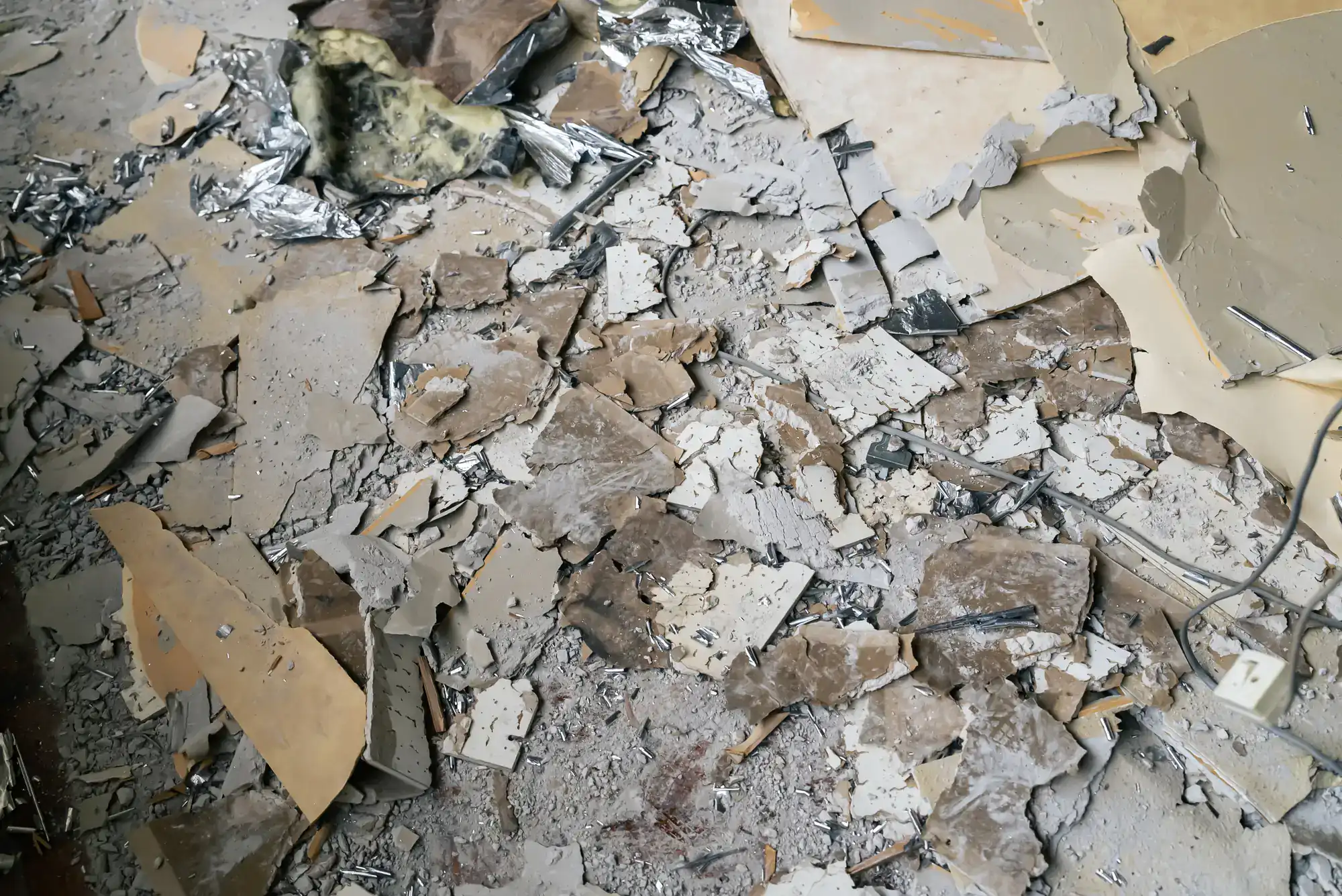
It starts with a free estimate. Someone from our team comes out, walks the property, and gives you a clear picture of what the project involves — what’s there, what needs to go, and what has to happen before demolition can legally begin. For older homes in Franconia Township, that almost always includes a hazmat assessment. If asbestos or lead is present, abatement comes first. There’s no skipping that step, and any contractor who tells you otherwise is putting you at legal and health risk.
Once the hazmat side is cleared, we handle the permit process with Franconia Township directly. That means submitting the application to 671 Allentown Road in Telford, coordinating the required rodent exterminator certificate that the township requires before issuing a demolition permit — something most homeowners have never heard of and most contractors don’t know to handle — and making sure inspections are scheduled correctly. You don’t have to learn the township’s process. We’ve already handled it.
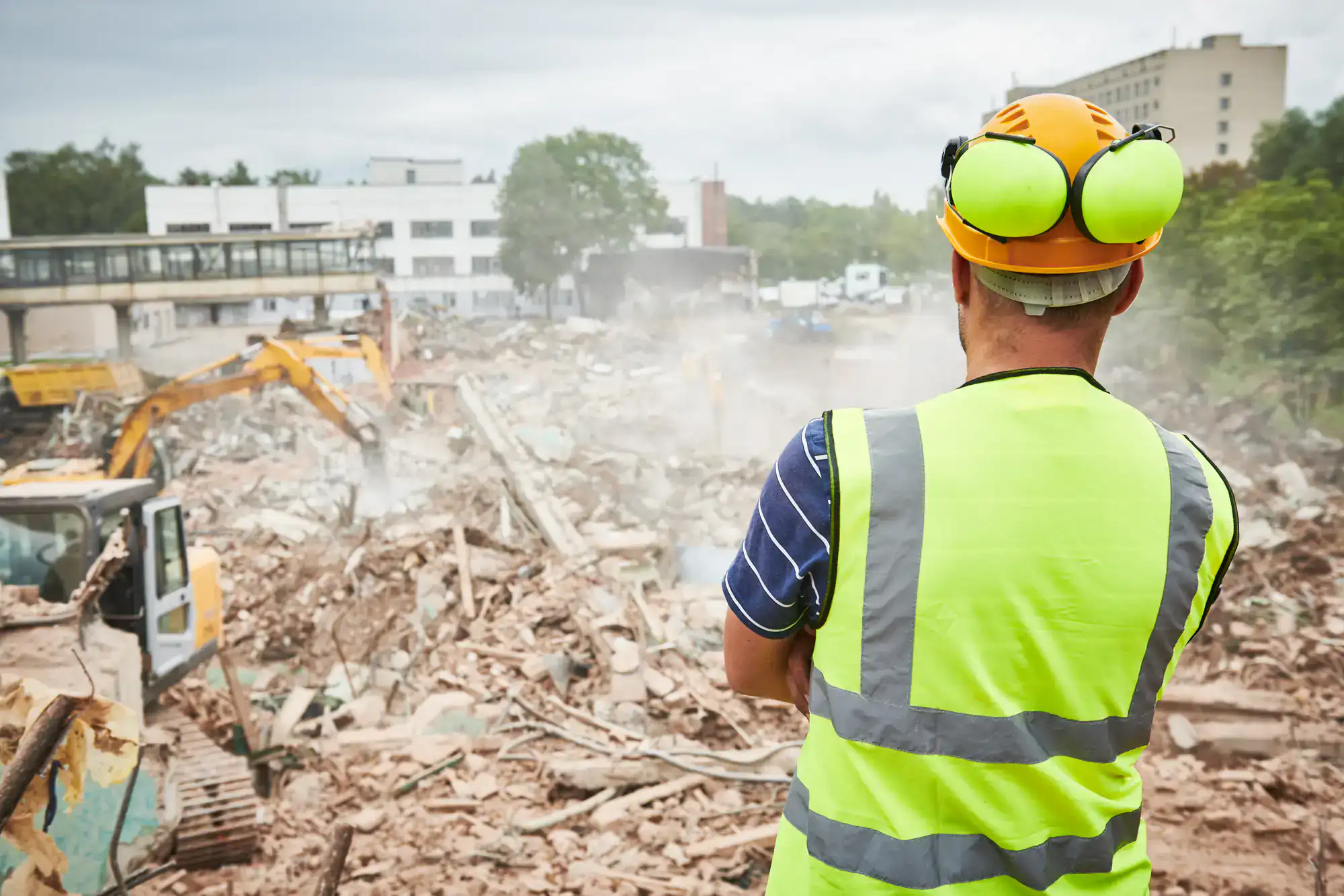
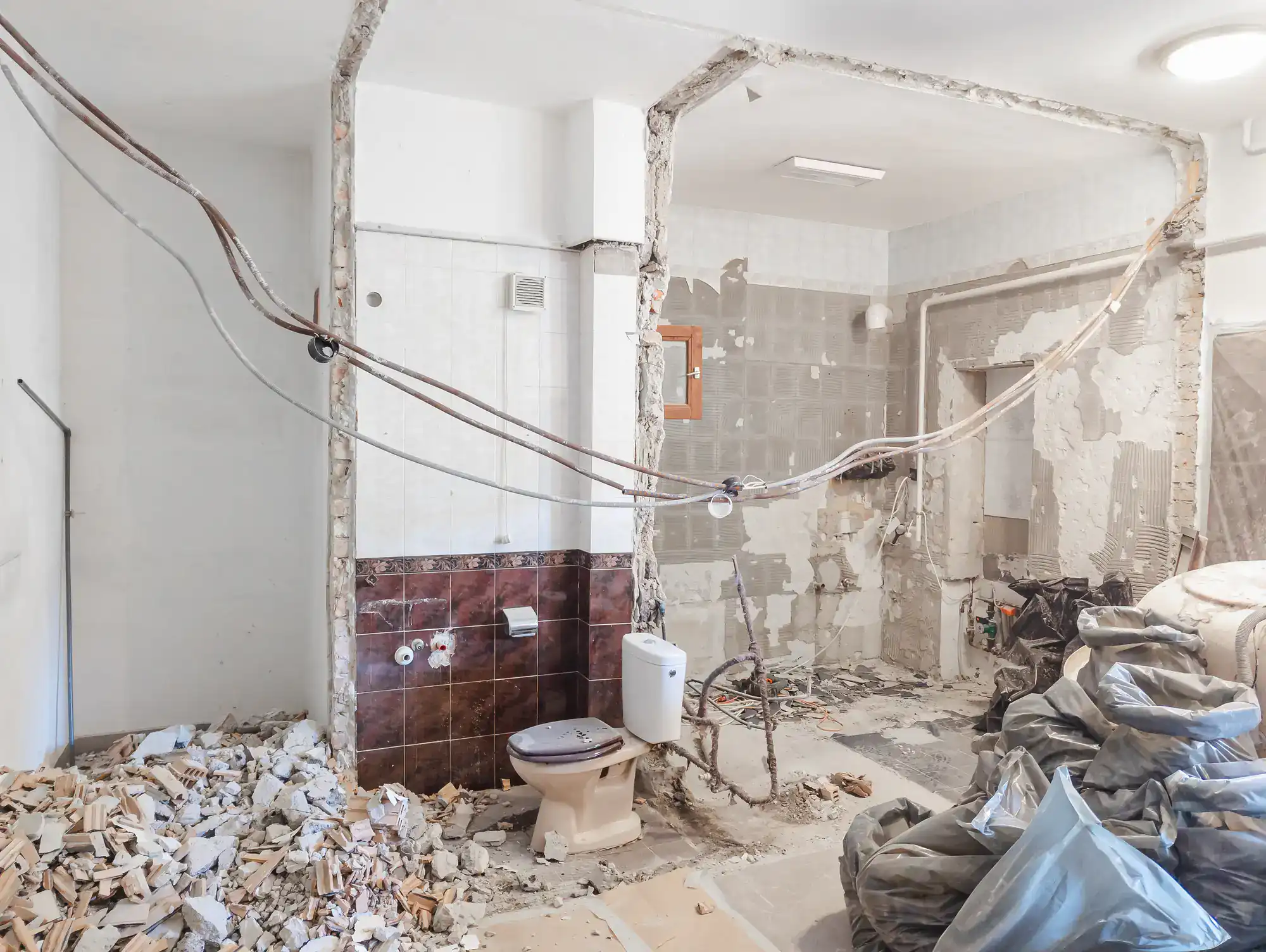
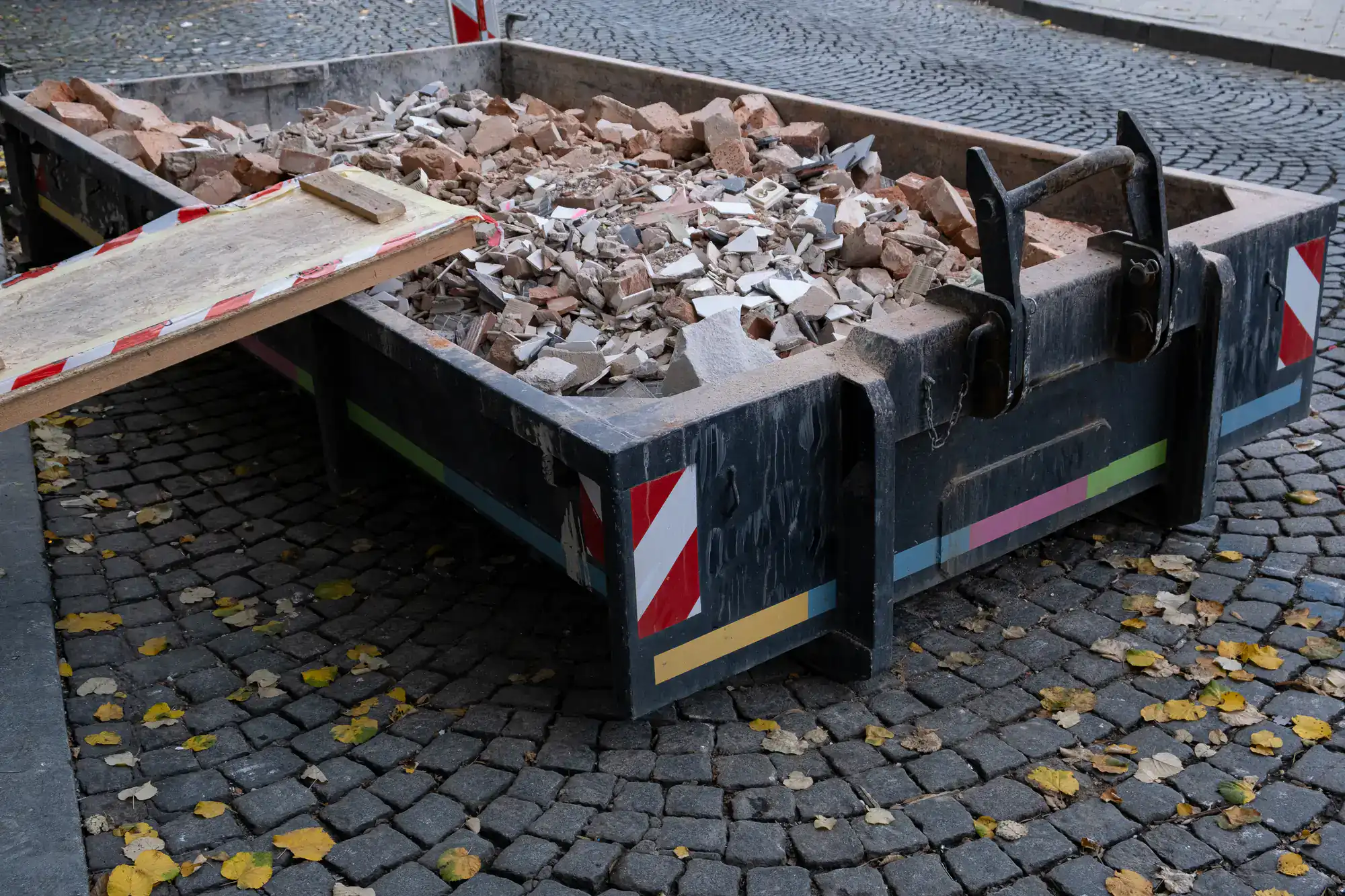
The actual demolition or gutting work is performed by our licensed, supervised crews using HEPA filtration systems to contain dust and particulates during abatement. When the work is done, debris is removed and the site is left clean. If waterproofing is part of the scope — which it often is for basements and crawlspaces in flood-adjacent areas near Indian Creek — that gets folded into the same project. No handoffs. No gaps.
Ready to get started?
Our services aren’t a menu you mix and match from separate vendors. They’re an integrated sequence: environmental testing and inspection, asbestos and lead abatement, interior demolition and gutting, structural demolition, waterproofing, and construction debris removal. For Franconia homeowners dealing with pre-1978 housing stock — which covers a significant portion of the township’s farmhouses, colonials, and mid-century ranches — that sequence isn’t optional. Pennsylvania DEP requires asbestos abatement and demolition notification for covered projects, and Montgomery County is explicit that asbestos-containing materials must be removed only by a licensed contractor. The county doesn’t accept asbestos at its Household Hazardous Waste events, which means proper contractor-handled disposal is the only compliant path forward.
For water damage situations — especially relevant in areas near Skippack Creek and the Perkiomen’s east branch, where the township has recorded repeated flooding events — we also provide emergency gutting and restoration services with 24/7 availability. When drywall, insulation, and flooring are saturated, getting them out fast is what prevents a water event from becoming a mold event. That response capability is built into our service model, not farmed out to a separate restoration company.
Free estimates are available with no pressure and no obligation. Cash discounts apply for customers who prefer that payment method — a straightforward offer in a category where pricing is often anything but. If your project is in Franconia Township, we already know the permit office, the process, and what your home likely contains. That’s worth something before the first wall comes down.
Yes — Franconia Township requires a building permit for demolition work, including interior gutting, structural alterations, and full teardowns. Permit applications are submitted to the township building at 671 Allentown Road in Telford, PA 18969. What most homeowners don’t know is that Franconia Township has a specific pre-condition: before a demolition permit is issued, you must furnish a certificate from a licensed rodent exterminator. That requirement catches a lot of people off guard, and it can delay a project significantly if it’s not addressed early.
A licensed contractor who knows Franconia Township’s process will handle this proactively — not as an afterthought after the permit application is already submitted. We manage the permit coordination as part of the project scope, so you’re not navigating township bureaucracy while also trying to manage a major construction project at home.
The most reliable answer is a professional inspection and testing by a certified contractor. The general rule of thumb is that any home built before 1978 has a meaningful probability of containing asbestos-containing materials — and in Franconia Township, that covers a substantial portion of the housing stock, from 19th-century farmhouses and Victorian-era structures to mid-century colonials and Cape Cods. Common locations include pipe insulation, floor tiles, ceiling tiles, roofing materials, drywall joint compound, and vermiculite insulation in attics.
You cannot identify asbestos by looking at it. Attempting to remove suspected materials without testing first is not only a health risk — it’s a legal one. Pennsylvania DEP requires notification for demolition and renovation projects involving asbestos, and Montgomery County is clear that removal must be handled by a licensed contractor. We’re a Certified Lead Inspector and Risk Assessor with the EPA credentials to inspect, test, certify, and abate — covering the full scope so you’re not left guessing what’s in the walls of your older Franconia home.
Water damage that isn’t addressed within 24 to 48 hours typically leads to mold growth — and once mold is established inside walls and under flooring, the scope of the project expands significantly. For homeowners in flood-prone areas of Franconia Township — particularly near Indian Creek, Skippack Creek, or the Morwood area close to the east branch of the Perkiomen Creek — this isn’t a hypothetical. Montgomery County has recorded over 31 flooding events on the Perkiomen watershed since 2000, and late winter and early spring are peak risk periods as snowmelt combines with heavy rainfall.
The gutting process involves removing saturated drywall, insulation, flooring, and any structural materials that can’t be dried and salvaged. Before any of that starts, we assess whether the affected materials contain asbestos or other hazardous substances — which is a real consideration in older Franconia homes. Emergency response is available 24/7, because the faster the gutting starts, the better the outcome. We handle the gutting, the hazmat component if present, and the debris removal so the site is ready for reconstruction without a gap between contractors.
Cost varies based on the scope of the project, the size of the structure or space being demolished, and whether hazardous materials are present. A standard interior gutting of a single room in a pre-1978 home — including hazmat testing, any required abatement, demolition, and debris removal — typically runs differently than a full structural demolition of an outbuilding or barn. The presence of asbestos or lead paint adds cost because it adds a required, regulated step to the process. Skipping that step isn’t an option — it’s a legal violation and a health risk.
What we provide upfront is a free, itemized estimate with no pressure and no hidden fees. That means you know the full scope — permit costs, abatement if needed, demolition, and debris removal — before any work begins. For Franconia Township homeowners, getting a clear picture of project costs before committing is the right call. Cash discounts are also available, which can meaningfully reduce the total for qualifying projects.
Yes — and that’s exactly the model we operate on. The typical problem homeowners run into is that most demolition contractors aren’t certified for asbestos abatement, and most abatement firms don’t do structural demolition. That forces you to hire two separate companies, coordinate their schedules, pay two mobilization fees, and manage the handoff between them — which often means delays, gaps in accountability, and a project that takes twice as long as it should.
We handle both under one contract. Environmental testing and inspection, asbestos and lead abatement using HEPA filtration and negative air containment, and then the demolition or gutting work — all sequenced correctly and managed by one team. For Franconia Township’s older housing stock, where pre-1978 materials are common across farmhouses, colonials, and mid-century ranches, having a single contractor who can legally do both isn’t just convenient. It’s the only way to get the job done correctly, compliantly, and without unnecessary delays.
Yes — we operate 24/7 emergency response for situations where waiting until Monday morning isn’t an option. In Franconia Township, that matters more than it might in a less flood-exposed community. The township sits within the Perkiomen Creek watershed, and areas near Indian Creek and the Perkiomen’s east branch near Morwood have documented, repeated flood vulnerability. When water gets into a home — whether from a burst pipe in February or a storm event in early spring — the window for limiting damage is short. Mold begins establishing within 24 to 48 hours of water exposure in walls, floors, and insulation.
Emergency response means a crew can be dispatched to assess the damage, begin the gutting process, and remove saturated materials before that window closes. For older Franconia homes where the affected materials may contain asbestos, we also handle the hazmat assessment as part of the emergency response — not as a separate engagement that has to be scheduled later. The goal is to stop the damage from compounding, get the site stabilized, and give you a clear path to reconstruction without the chaos of coordinating multiple contractors in the middle of a crisis.
Other Services we provide in Franconia