Hear from Our Customers
When you find water damage behind a plaster wall in a 1920s Doylestown colonial, you’re not just dealing with a demo job. You’re dealing with potential asbestos in the pipe insulation, lead paint on every surface underneath, and mold that’s been growing in a space no one’s touched in decades. Getting that wrong isn’t just expensive — in a pre-1978 home, it can be a federal violation.
That’s the reality for a lot of homeowners in Doylestown Borough and the surrounding township. With roughly 30% of homes built before 1939 and many more built before 1978, hazardous materials aren’t a remote possibility here — they’re the norm. What changes when you hire a contractor who’s actually EPA certified is that you get a full inspection before anything gets disturbed, proper abatement before anything gets removed, and documentation that protects you legally when it’s all done.
For properties in the Doylestown Historic District, the stakes are even higher. Exterior demolition work requires a Certificate of Appropriateness from HARB before a permit is even issued. We already know this process. We pull the permits, we handle the review timeline, and you don’t get a code enforcement notice three weeks into a job you thought was going smoothly.
EJS Environmental Services LLC has been doing this work in Doylestown and the Philadelphia suburban corridor for over two decades. That’s not a tagline. It means we’ve worked on pre-Civil War row houses in the borough, mid-century colonials off Route 611, and everything in between. We’ve found asbestos where homeowners in Doylestown never expected it, lead paint under six layers of newer coats, and mold behind plaster walls that hadn’t been touched since the Eisenhower administration.
We’re based out of Glenside — about 20 minutes south of Doylestown on 611 — so we’re not dispatching crews from three counties away. We know the housing stock in Doylestown and throughout Bucks County, we know the permit process the borough requires, and we know what HARB expects when exterior demolition is on the table.
What you get with us is one company that handles testing, abatement, gutting, waterproofing, and debris removal from start to finish. No handoffs. No gaps. One call, and one crew that sees it through.
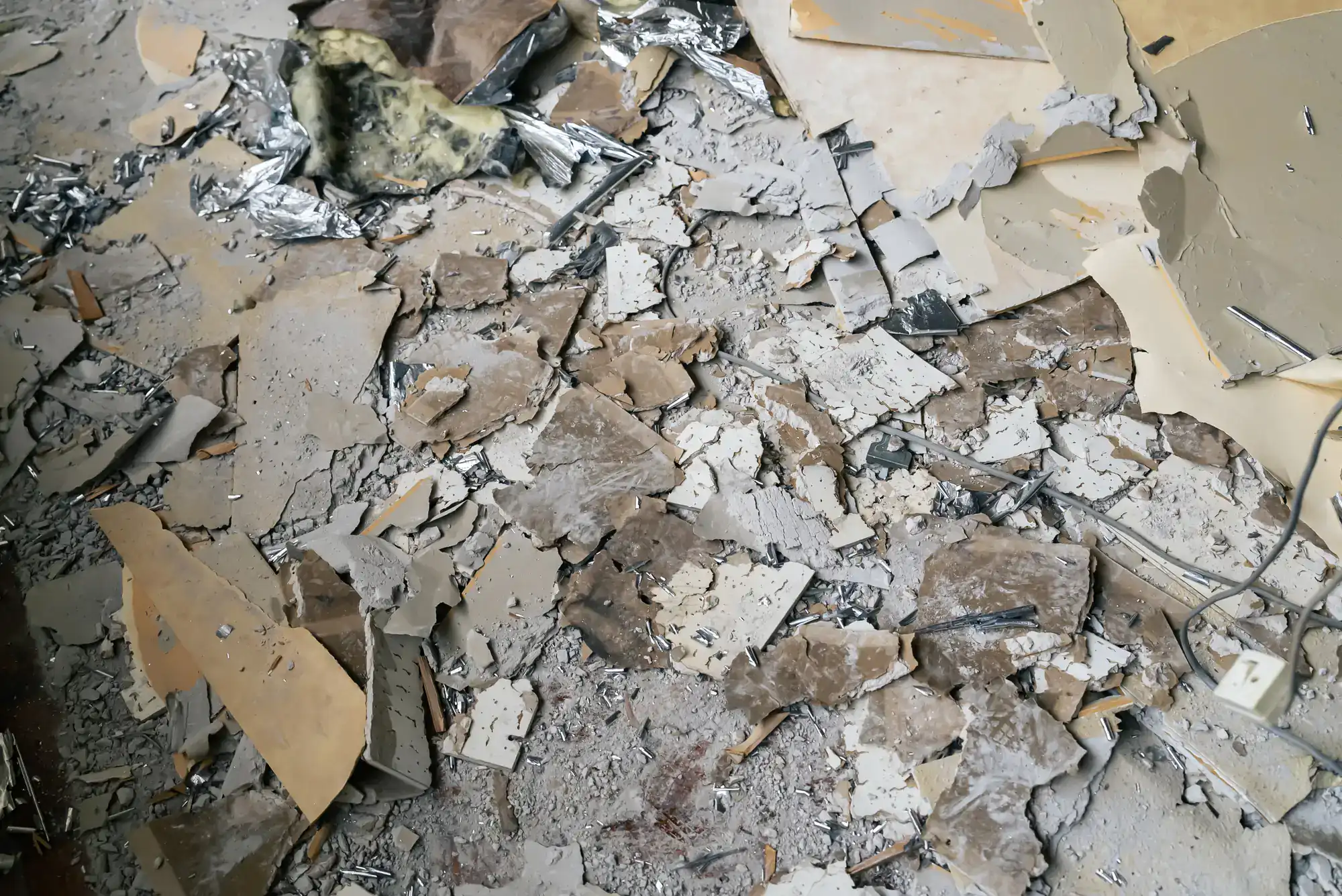
It starts with a free estimate and a real conversation about what you’re dealing with. If your home was built before 1978 — and in Doylestown, there’s a good chance it was — we conduct a certified hazardous materials inspection before any demolition work begins. That means testing for asbestos, lead paint, and any other materials that need to be handled under EPA and HUD protocols. This isn’t optional paperwork; it’s what separates a legal job from a liability.
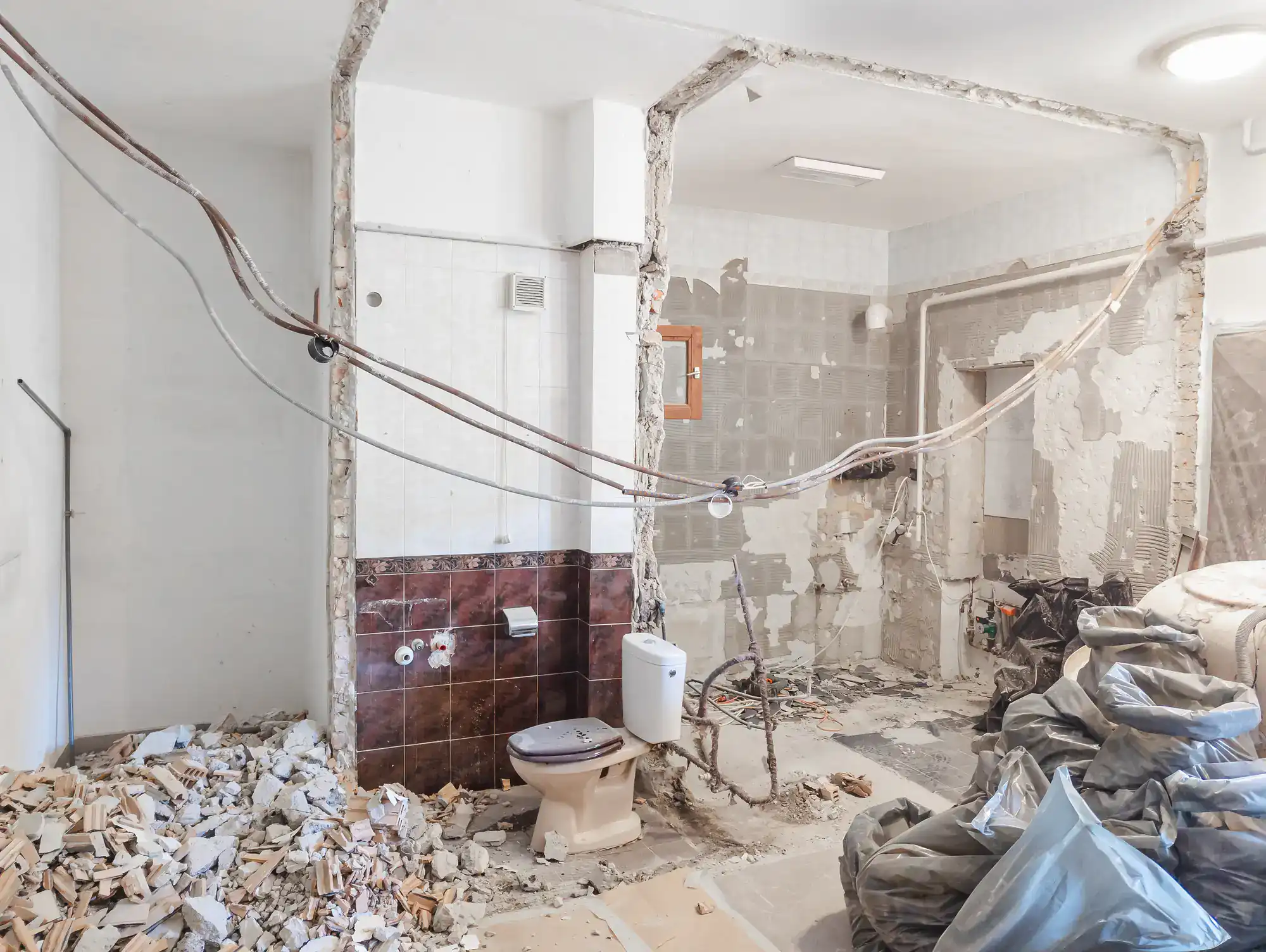
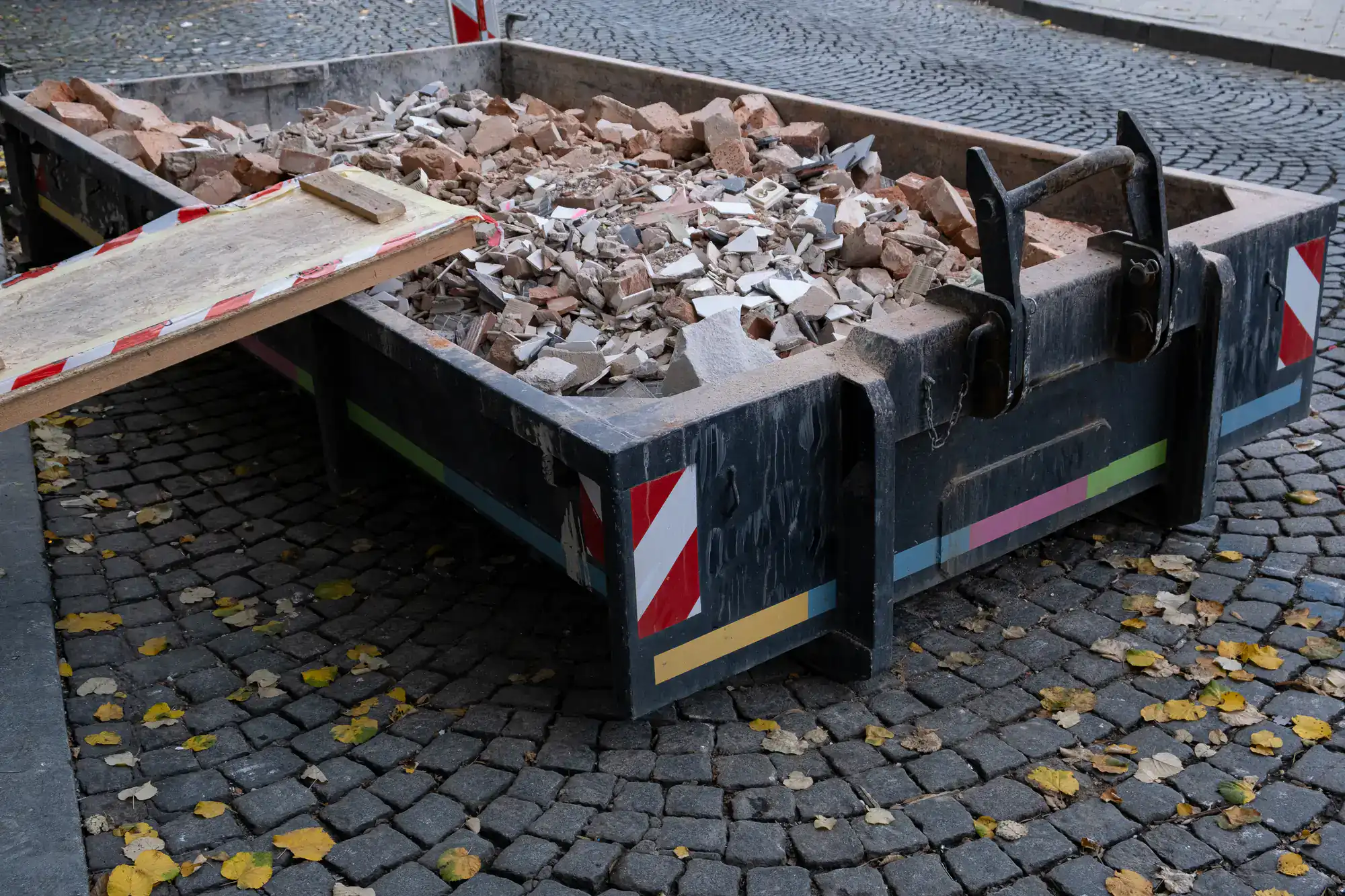
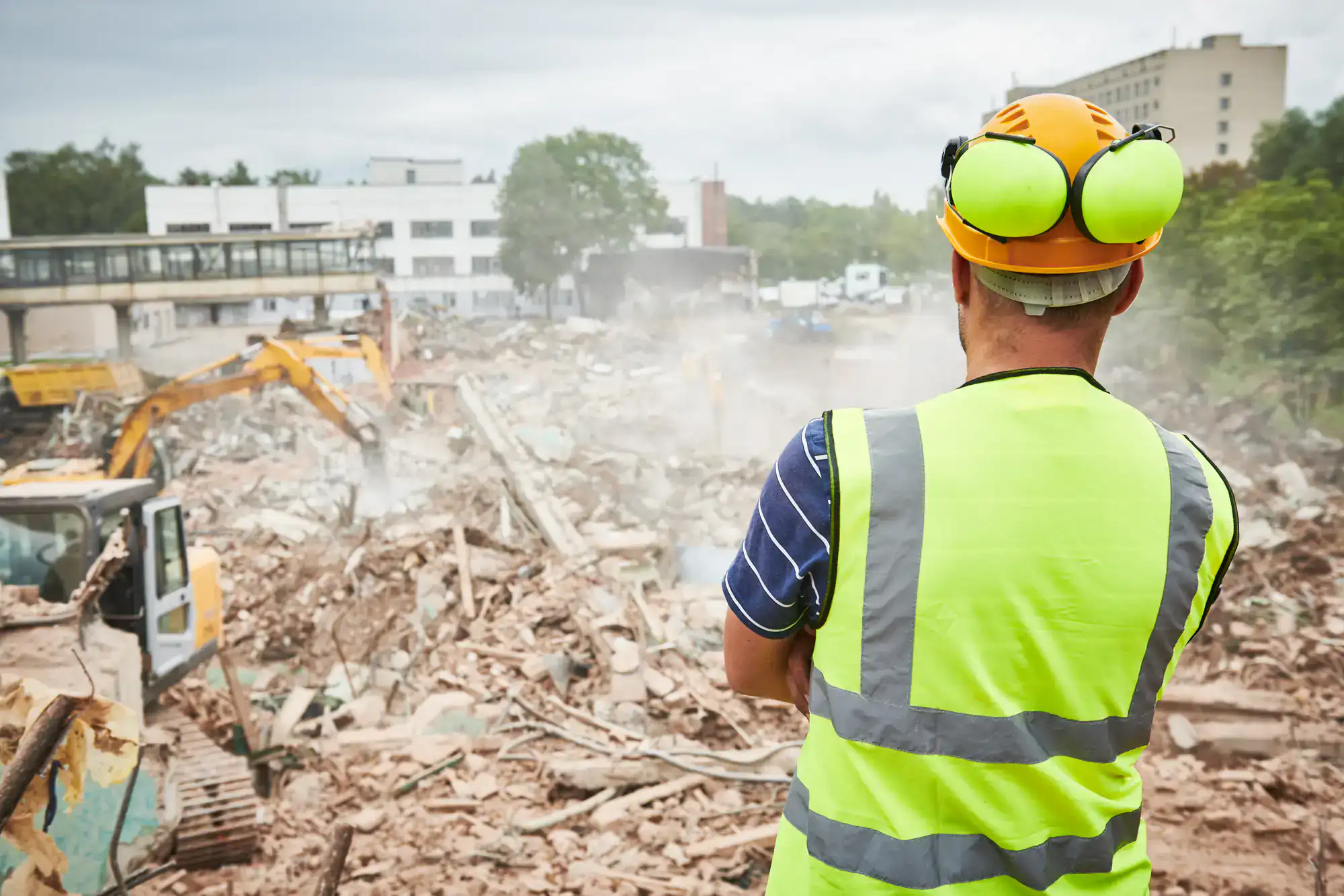
Once the inspection is complete and any hazardous materials are properly abated and documented, the actual demolition or gutting work begins. Whether that’s a full interior gut after a water event, targeted wall removal for a renovation, or construction debris removal after a larger project, we work clean and contained. We use HEPA filtration systems throughout to make sure nothing airborne spreads to the parts of your home you’re keeping.
For properties in Doylestown Borough’s Historic District, we factor in the HARB review process from the start — not as an afterthought. Permit timelines here can run longer than in neighboring townships, and we account for that upfront so the job doesn’t stall mid-project. When the work is done, we handle the debris and leave the site clean. You don’t manage the cleanup. That’s already included.
Ready to get started?
We handle the full scope of what demolition actually requires in Doylestown and the surrounding market. That starts with certified hazardous materials testing — asbestos inspection, lead paint assessment, and mold evaluation — before any walls come down. If abatement is needed, we handle it in-house with EPA-certified protocols and full HUD compliance. You get documentation at every stage, which matters when you’re dealing with a pre-1978 property and need a paper trail that holds up.
From there, the work expands into whatever the job actually calls for. Interior gutting for water damage restoration. Targeted demolition for renovation projects. Oil tank removal for older homes in Doylestown and the township that are converting away from oil heat. Waterproofing after a basement gut. Construction debris removal when the job is done. These aren’t add-ons you have to coordinate separately — they’re part of what we do as a single engagement.
For homeowners near Peace Valley Park or in the older neighborhoods along Doylestown’s historic streets, the combination of aging infrastructure and Bucks County’s wet winters creates real risk for water intrusion, frozen pipe events, and the mold that follows. When that happens, you need a contractor who can respond the same day — not one who schedules you two weeks out. We’re available 24/7, and emergency response is part of how we operate, not an upcharge.
Yes — and in Doylestown Borough specifically, the permit process can involve more than one layer of approval. The Borough’s Building and Zoning Department requires a building permit for any structural demolition, interior gutting, or significant removal work. If your property falls within the designated Historic District, you may also need a Certificate of Appropriateness from the Historic Architectural Review Board — known as HARB — before a permit is even issued. HARB reviews all exterior changes, additions, and demolition work visible from a public street, and their approval has to come first.
This is one of the more common points of confusion for homeowners in Doylestown who hire a contractor without local experience. They start work, skip the HARB step, and end up with a code enforcement issue mid-project. We handle the permit process as part of the job — we know what Doylestown Borough requires, we know the timeline, and we don’t hand you a clipboard and send you to figure it out yourself.
The honest answer is that you don’t know until it’s tested — and in Doylestown, the probability is high enough that testing should be the first step, not an afterthought. Approximately 30% of homes in Doylestown were built before 1939, and a significant portion of the remaining stock was built before 1978. Asbestos was commonly used in pipe insulation, floor tiles, ceiling tiles, roofing materials, and HVAC duct wrap — all of which show up regularly in the older homes throughout the borough and township.
The way to find out is through a certified inspection by an EPA-licensed inspector, which is exactly what we provide before any demolition or gutting work begins. We collect samples, send them to an accredited lab, and give you a certified report. If asbestos is present, we abate it properly before the demo work starts. If it’s not, you have documentation confirming that — which is useful both for your peace of mind and for any future property transaction.
Water damage in an older Doylestown home is rarely just a water problem. When you open up walls or floors in a pre-1940s structure, you’re often looking at a combination of issues: water intrusion, mold growth, and the potential for asbestos or lead in the materials that got wet. Mold can begin forming within 24 to 48 hours of a water event, and in homes with plaster walls, original wood framing, and minimal vapor barriers, it spreads fast and quietly.
What we do in this situation is assess all of it at once. Rather than calling a water damage company, then a mold remediator, then a demo crew, then a waterproofing contractor, you’re working with one company that handles each phase in sequence. We identify the source, abate any hazardous materials that were affected, gut what needs to come out, and waterproof what needs to stay. That matters a lot in Doylestown Township, where properties near the North Branch of the Neshaminy Creek have real flood exposure and where winter pipe bursts in century-old plumbing are a recurring issue every year.
Interior demolition — or gutting — means removing the interior components of a space down to whatever structural level the job requires. That could mean taking out drywall or plaster, removing flooring, pulling out cabinetry, stripping insulation, or clearing out everything down to the studs and subfloor. What’s included depends on the scope of the project, which is why the free estimate conversation matters — you should know exactly what’s in and what’s out before anything starts.
In Doylestown’s older housing stock, gutting projects often involve materials that require special handling. Original plaster walls, horsehair insulation, older floor tiles, and pipe wrap are all common in pre-1940s homes and all carry potential hazmat considerations. We factor that into the estimate from the beginning, so you’re not getting a low number up front and a surprise invoice when something unexpected turns up inside the walls. The estimate covers the full scope — inspection, abatement if needed, the gutting itself, and debris removal when the work is complete.
We’re available by phone 24 hours a day, seven days a week. When something goes wrong — a pipe bursts at midnight in January, a basement floods after a heavy rain event on the Neshaminy Creek watershed, or you discover significant mold behind a wall you just opened — you can reach a real person, not a voicemail system. Emergency response is part of how we operate, not a premium add-on.
The reason this matters in Doylestown specifically is the combination of older infrastructure and mid-Atlantic weather. Homes with original plumbing from the early 1900s are genuinely vulnerable to freeze events during Bucks County winters, and properties in lower-lying areas of the township have real flood exposure. When water gets into a historic Doylestown home, every hour matters — mold sets in fast, and the longer water sits in contact with original materials, the more extensive the remediation becomes. Fast response isn’t just a convenience here; it’s the difference between a manageable project and a much larger one.
We offer cash discounts on qualifying projects. It’s a straightforward pricing consideration — cash payments reduce administrative overhead, and that savings gets passed along directly to you. There’s no complicated qualification process; it comes up during the estimate conversation and gets factored into the final number transparently.
Beyond that, the free estimate itself is worth noting. In a market like Doylestown — where home values are well above the state average and where projects on pre-1978 properties can involve multiple phases — knowing your full cost before you commit matters. We walk through the entire scope during the estimate: what the inspection covers, what abatement would cost if needed, what the demolition or gutting work involves, and what debris removal looks like at the end. You get a real number, not a range that balloons once the job starts. For homeowners in the borough and township who are already navigating the complexity of older properties, that kind of pricing clarity isn’t a small thing.
Other Services we provide in Doylestown