Hear from Our Customers
Most demolition projects in Spring House don’t fail because of bad labor. They fail because someone swings a hammer into a wall that was never tested — and suddenly your kitchen gut is on hold while two separate contractors argue about who handles the asbestos. That’s a real scenario. It happens more often than it should, and it’s completely avoidable.
Spring House is a community of custom-built homes, many of them constructed between the 1940s and 1970s, which puts the majority of the local housing stock squarely in the window for asbestos-containing materials and lead-based paint. A 1960s Colonial on a wooded lot near Gwynedd Estates isn’t the same as a 1995 townhouse in a newer subdivision — it was built with different materials, different techniques, and different risks. When you hire a contractor who’s only equipped to demo, you’re gambling on what they won’t find.
When the work is done by a team that handles testing, abatement, and demolition under one license, you get something most contractors can’t offer: a project that keeps moving. No stop-work surprises. No second contractor to schedule. No gap in the chain of accountability. You get a cleared, safe, inspection-ready space — and you get there without the detour.
We’ve been working in Montgomery County for over twenty years, and that’s not a tagline — it’s the reason we know what a 1955 custom-built home in Spring House is likely to contain before we ever touch a wall. We’ve worked across Lower Gwynedd Township long enough to know the building stock, understand the permit process at the township building on North Bethlehem Pike, and recognize the kinds of surprises that show up in homes this age.
We’re a fully licensed, bonded, and insured environmental and demolition contractor — and those aren’t interchangeable terms. We hold PA state licensure for asbestos work, EPA/HUD compliance for lead renovation in pre-1978 homes, and a Certified Lead Inspector and Risk Assessor credential that most contractors in this area simply don’t carry. We’re also available around the clock, offer free estimates, and will beat any comparable quote you bring us.
One call handles the whole scope. That’s the model, and it’s what sets us apart in a market where most demo contractors stop the moment they find something they’re not licensed to touch.
Every project starts with an evaluation. Before anything comes down, we assess the space — what’s there, what it’s made of, and what needs to be tested. In Spring House, where a significant portion of homes were built before 1978, that step isn’t optional. Pennsylvania law requires licensed abatement for asbestos and lead disturbance, and Lower Gwynedd Township requires a building permit for structural demolition and gutting work. We know those requirements. We handle them. You don’t have to chase down a separate abatement firm or figure out the township’s permit process on your own.
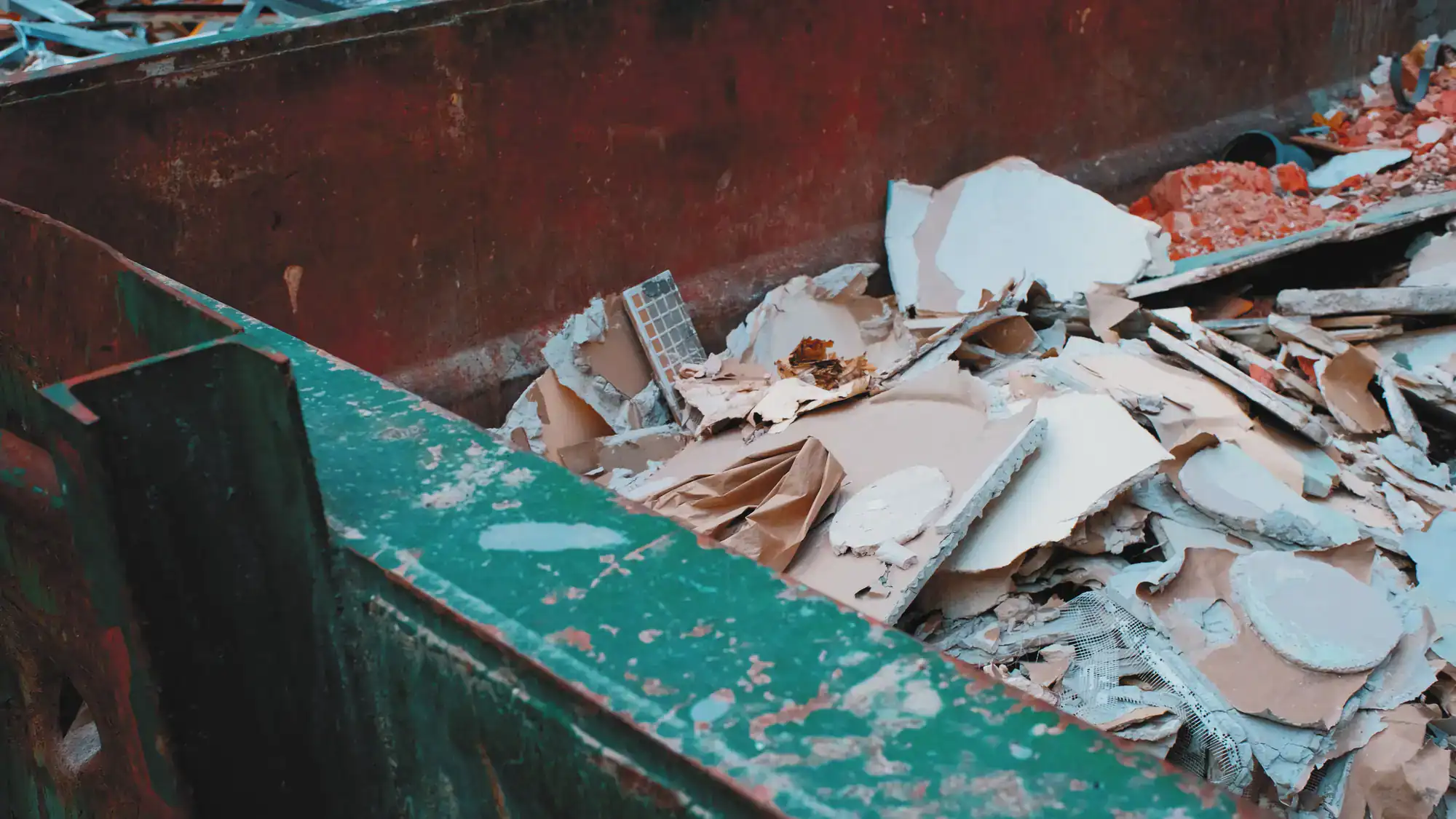
Once testing is complete and permits are in place, we move into abatement if needed — asbestos removal, lead encapsulation or removal, mold remediation — using HEPA filtration systems and on-site licensed supervision throughout. Then demolition proceeds on a clear, compliant site. No interruptions, no handoffs, no scrambling.
After the work is done, we don’t just walk away. Final inspection and cleanup are part of the process. What you’re left with is a space that’s ready for the next phase — whether that’s a full renovation, a build-back, or a contractor coming in to start fresh. The goal is a clean handoff, and that’s what we deliver.
Ready to get started?
The services we provide aren’t a menu you pick from — they’re a connected system. Asbestos testing and removal, lead inspection and encapsulation, mold sampling and remediation, interior demolition and gutting, debris removal, waterproofing, oil tank removal, duct cleaning, and environmental clean-outs are all handled in-house. That matters specifically in Spring House, where the housing stock is older, the homes are custom-built, and the likelihood of encountering regulated materials during a gut renovation is high.
Spring House also sits within the Wissahickon Creek watershed, and basement moisture issues are a real and recurring problem for homeowners on lower-lying lots throughout Lower Gwynedd Township. If you’ve had water intrusion — from a storm, a plumbing failure, or years of slow seepage — mold can already be present behind the drywall before demolition begins. We test for it, and we handle it as part of the same project.
For homeowners near Trewellyn Chase, along Norristown Road, or anywhere in the 19477 ZIP code, the process is the same: one licensed team, one contract, one point of contact from first assessment to final inspection. We offer free estimates, cash discounts, and a price-beat guarantee — not to undercut the market, but because we’re confident in what we bring to the table and want to make it easy for you to get started.

If your home was built before 1978 — which describes the majority of Spring House’s housing stock — there’s a meaningful chance it contains asbestos-containing materials or lead-based paint. Asbestos was used extensively in insulation, floor tiles, ceiling tiles, joint compound, plaster, pipe wrap, and roofing materials through the early 1980s. Lead-based paint was standard in residential construction before 1978. The custom-built character of many Spring House homes, particularly those constructed between the 1940s and 1970s, means these materials can appear in unexpected places and in non-standard configurations.
Pennsylvania is one of the few states where asbestos removal contractors must hold a state-issued license under the PA Asbestos Accreditation and Certification Act. The EPA’s Lead Renovation, Repair, and Painting Rule requires certified contractors for any work disturbing lead paint in pre-1978 homes. Testing before demolition isn’t just smart — in many cases, it’s legally required. We handle both the testing and the abatement, so you’re not coordinating two separate contractors or waiting on a handoff to keep your project moving.
Yes. Lower Gwynedd Township requires a building permit for demolition, gutting, and most structural alterations — including work that might seem minor, like removing siding or making changes to wall assemblies. The township operates under the 2018 International Building Code and enforces it through the Building & Zoning Department at 1130 North Bethlehem Pike. Skipping the permit process isn’t just a code violation — it can create real problems when you go to sell the property or file an insurance claim.
There’s also a historic resource consideration worth knowing. Lower Gwynedd Township maintains a Historic Resources Map, and certain older properties in Spring House fall within that category and are subject to additional review before a demolition permit is issued. If your home is one of them, you’ll need to submit a historic resource impact study before work can begin. We’re familiar with the township’s permit requirements and can help you understand what applies to your specific property before the first wall comes down.
Work stops. That’s the short answer. If a demolition contractor disturbs asbestos without the proper state licensure, they’re legally required to halt the project, secure the area, and bring in a licensed abatement firm before anything else happens. In practice, that means your project timeline gets blown up, you’re now coordinating two separate contractors, and you may be dealing with a site that’s been partially disturbed — which can actually complicate the abatement process and drive up costs.
This is one of the most common and preventable problems in residential demolition, especially in a community like Spring House where the housing stock is predominantly older. The fix is straightforward: hire a contractor who tests before they demo and holds the licensure to handle whatever they find. We’re a PA-licensed asbestos contractor and a Certified Lead Inspector and Risk Assessor. We assess the site before work begins, so the scope is defined upfront — not discovered mid-project when it’s most disruptive and most expensive.
It changes the scope significantly. Spring House sits within the Wissahickon Creek watershed, and Lower Gwynedd Township has documented stormwater management challenges tied to suburban runoff and the creek’s impaired status. For homeowners on lower-lying lots — particularly those near Norristown Road or along the watershed’s drainage paths — basement water intrusion is a recurring issue, not a one-time event.
When water gets into a basement and sits behind drywall or insulation, mold can begin developing within 24 to 48 hours. By the time you’re scheduling a demolition project, it may already be present in areas you can’t see. We test for mold as part of the assessment process, and if it’s found, remediation happens before or alongside demolition — not after, when it’s already been disturbed and spread. If you’ve had any water intrusion in your lower level, it’s worth mentioning that upfront so we can factor it into the evaluation. We’re available around the clock for emergency situations, too, if the timing is urgent.
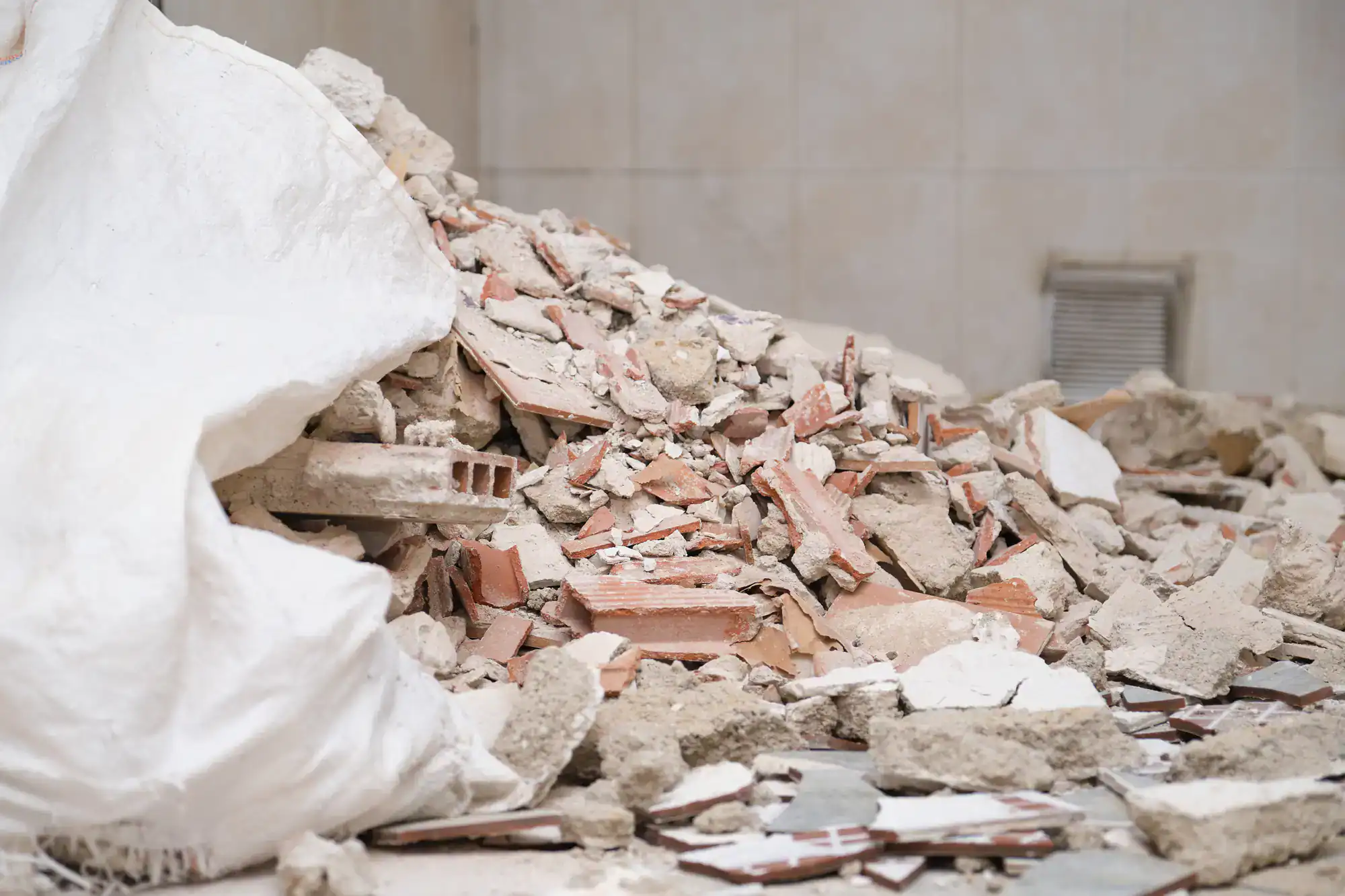
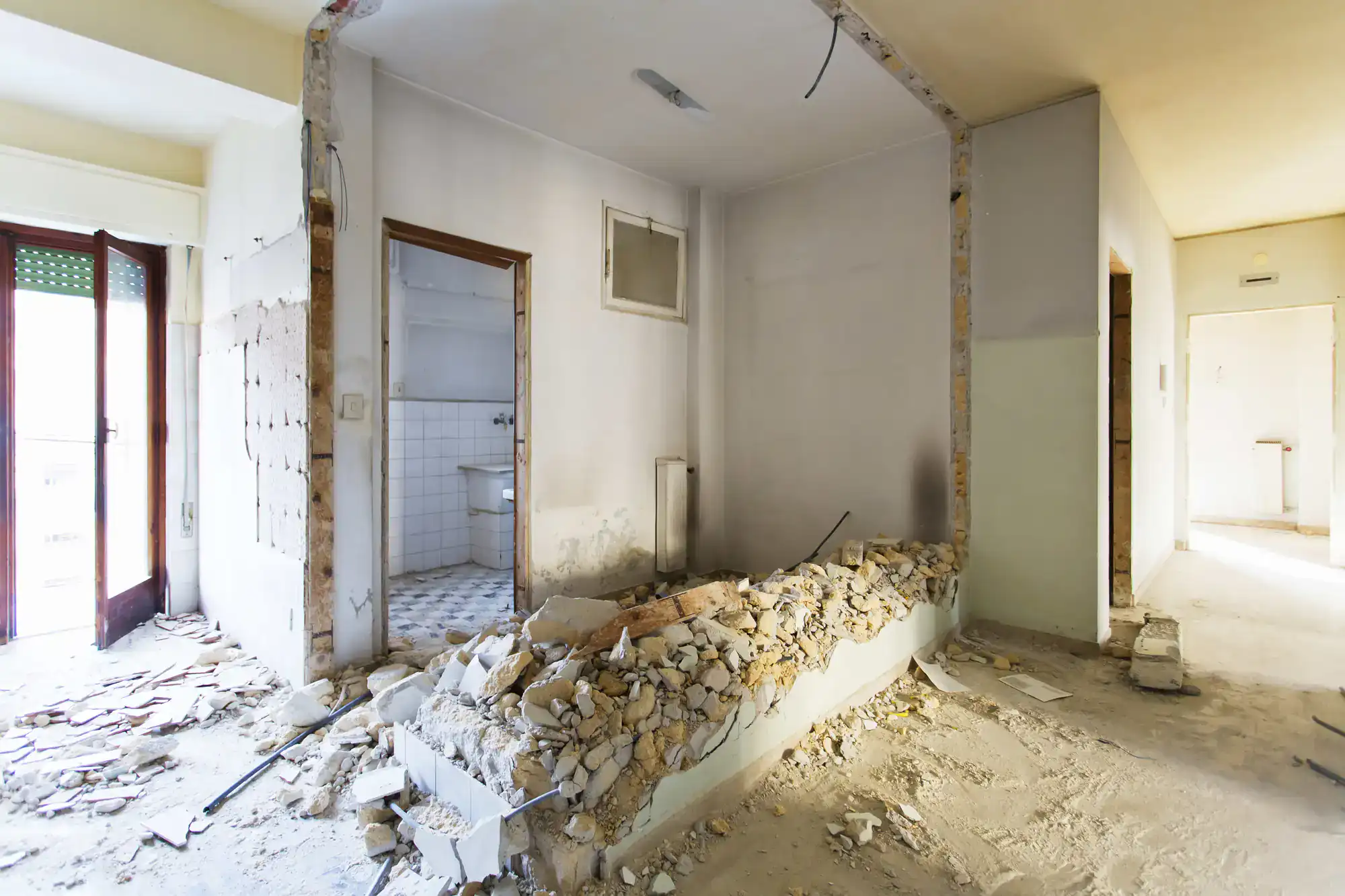
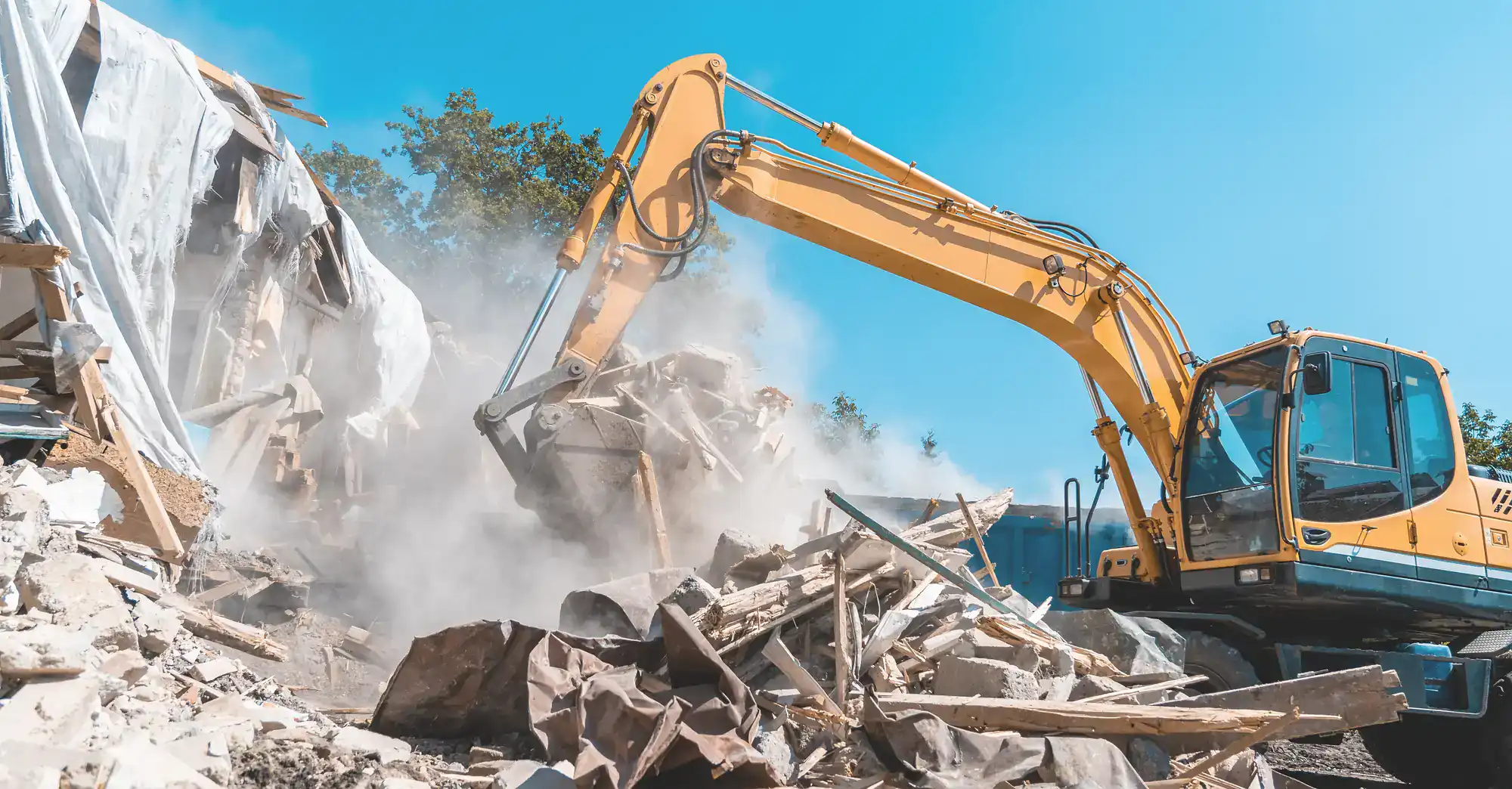
Demolition typically refers to removing an entire structure or a major portion of one — tearing down a wall, removing a room addition, or clearing a building down to its foundation. Gutting refers to stripping the interior of a space down to the studs — removing drywall, flooring, insulation, ceilings, and fixtures — while leaving the structural shell intact. Most residential renovation projects in Spring House involve gutting rather than full structural demolition.
The distinction matters because the scope, permitting, and hazmat risk can differ between the two. A full gut of a 1960s kitchen or bathroom in a custom-built Spring House home is likely to expose older materials — original insulation, adhesive-backed floor tiles, plaster with lead paint — that require licensed handling before the space is ready for renovation. We handle both gutting and demolition, along with the testing and abatement that either process may require. If you’re not sure which applies to your project, the free estimate conversation is a good place to start — we’ll tell you exactly what the job involves before you commit to anything.
Yes, cash discounts are available. The way pricing works is straightforward: you get a free estimate upfront that covers the full scope of the job — testing, abatement if needed, demolition, debris removal, and any additional services the assessment identifies. There are no mid-project surprises built into the model, because we evaluate the site before work begins rather than discovering issues after the first wall comes down.
Spring House homeowners tend to be thorough researchers, and that’s a fair approach when you’re talking about a home worth $500,000 or more. The price-beat guarantee means if you’ve gotten a comparable quote from another licensed contractor, bring it — we’ll beat it. The cash discount is simply a reflection of reduced transaction overhead, and we pass that back to the customer directly. What you’re paying for is a licensed, fully insured team with two decades of Montgomery County experience, state-certified asbestos credentials, and a process that keeps your project moving from day one. Call (484) 378-2453 to get your free estimate scheduled.
Other Services we provide in Spring House