Hear from Our Customers
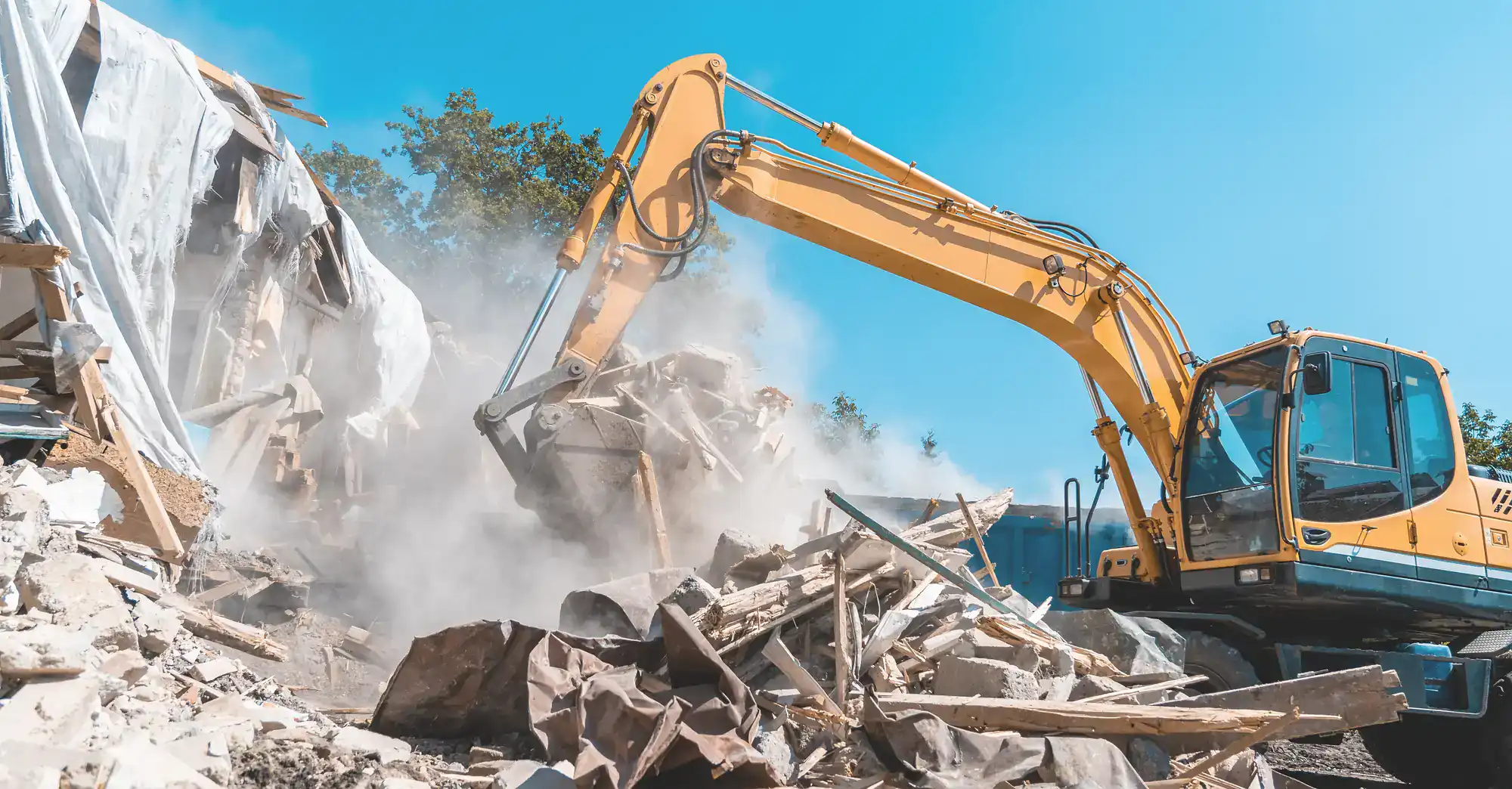
Most demolition jobs in Ardmore go sideways the same way. A crew opens a wall in a 1930s stone twin, finds something they’re not licensed to touch, and suddenly your renovation is on hold while you scramble to find a certified abatement contractor. That delay costs you time, money, and the momentum you had going into the project.
When you hire a contractor who handles testing, abatement, and demolition under one roof, that scenario doesn’t happen. A discovery mid-project gets handled in-house and the job keeps moving. For homeowners gutting kitchens, bathrooms, or full floors in Ardmore’s pre-war housing stock, that kind of continuity isn’t a luxury — it’s the only way to run a renovation responsibly.
There’s also the regulatory layer that catches a lot of people off guard. Lower Merion Township has a Historic Resource Inventory, and if your property is on it, demolition requires more than a standard building permit — it requires a Certificate of Appropriateness from the Historical Architectural Review Board before work can even begin. An experienced contractor who knows that process before showing up on day one is a completely different resource than one who finds out about it mid-project.
We’ve been doing this work for two decades, and a significant part of that experience has been in communities exactly like Ardmore — dense, historic, and full of pre-war construction that looks solid from the outside and surprises you once you’re inside it. We hold a PA state asbestos license, a Certified Lead Inspector and Risk Assessor credential, and full EPA and HUD compliance. Those aren’t marketing points. They’re the legal prerequisites for doing this work correctly in homes built before 1978.
We serve both Montgomery County and Delaware County, which means we work on both sides of Ardmore’s township line — whether your property falls under Lower Merion Township or Haverford Township. We know the permit process in Ardmore, we know the HARB review requirements, and we know what to expect when we open a wall in a home built near Suburban Square in 1928. We’re fully licensed, bonded, and insured, and we’re available around the clock for situations that don’t wait for business hours.
It starts with a free estimate. You describe the scope — a kitchen gut, a bathroom demo, a full floor, whatever it is — and we come out, assess the space, and give you a real number. No vague ranges, no surprise add-ons after the fact. If you have a competing estimate, we’ll beat it.
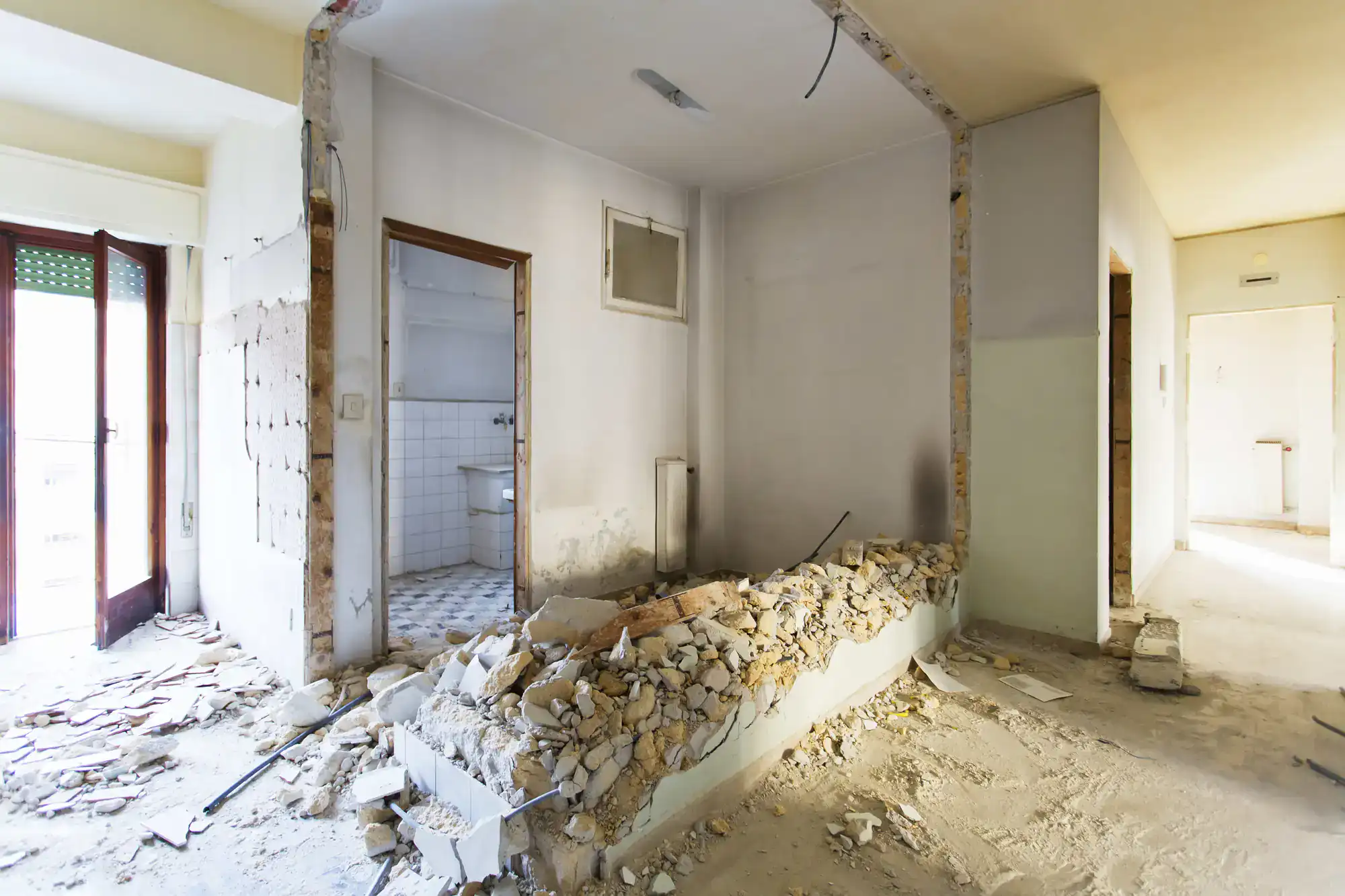
Before any demolition begins, we do a thorough evaluation for asbestos, lead paint, and any other environmental hazards present in the materials we’ll be disturbing. In Ardmore’s pre-war housing stock, this step isn’t optional — it’s legally required under federal NESHAP and EPA Lead RRP rules, and skipping it exposes you to serious liability. If we find something, we handle it. HEPA filtration systems go up, the material gets removed under certified protocols, and then demolition continues. You don’t need to bring in a second contractor or wait for a separate crew to finish before we can start.
Once the space is clear, we leave it clean and ready for whatever comes next — whether that’s your general contractor, your flooring crew, or the next phase of your renovation. If your property is on Lower Merion Township’s Historic Resource Inventory, we factor in the HARB review timeline from the start so there are no permit surprises that push your schedule back.
Ready to get started?
We handle the complete range of demolition and gutting services — interior demolition, full gut-outs, structural demo, basement clearing, and site preparation. But what separates us from a standard demo company is everything that surrounds the demolition itself. We test before we touch. We remediate what we find. And we do it all without stopping the clock on your project.
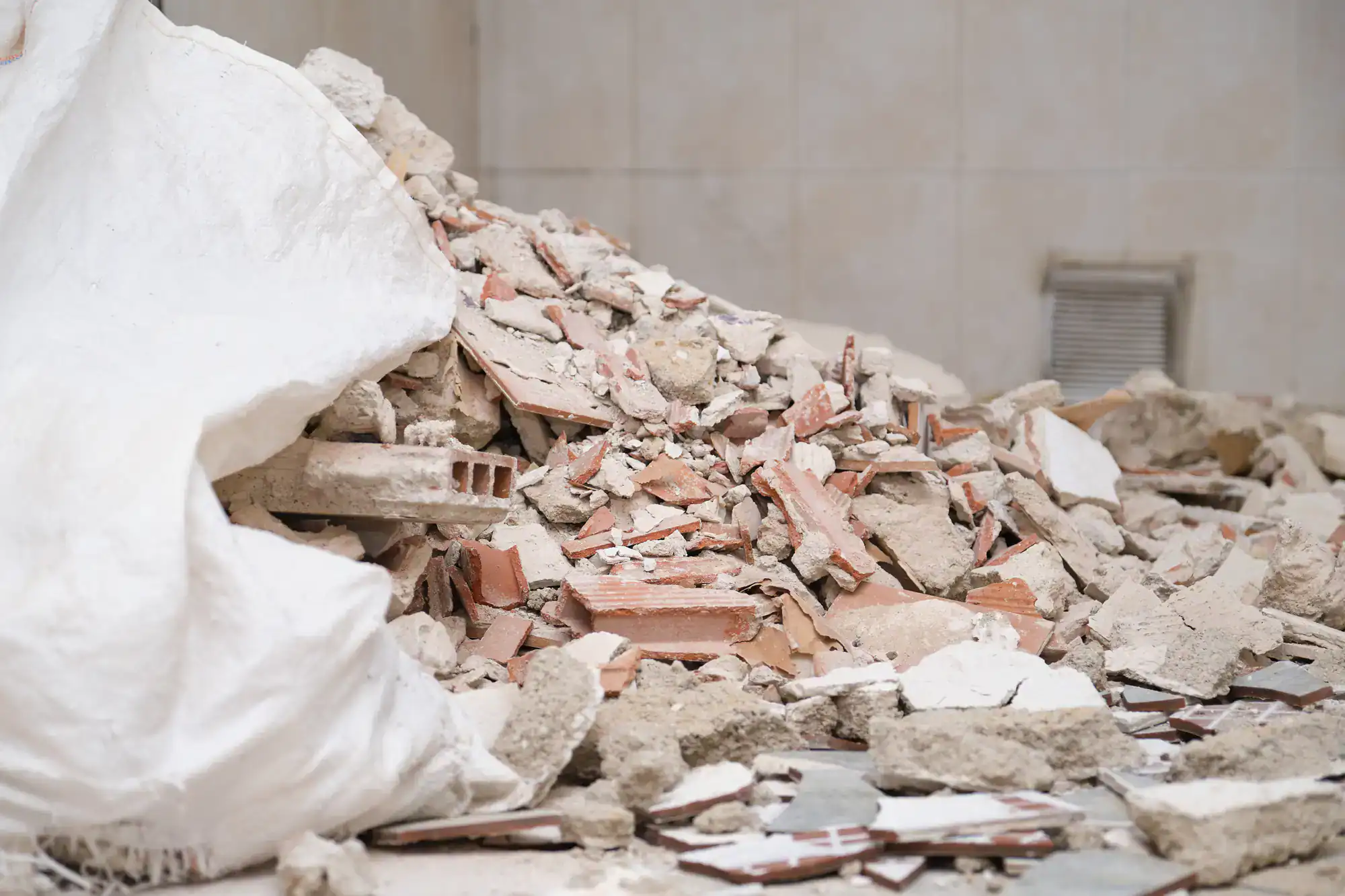
For Ardmore homeowners, that scope matters more than it does almost anywhere else on the Main Line. The stone twins and row houses concentrated around the Ardmore train station and Lancaster Avenue corridor were built almost entirely between 1920 and 1940. Every one of them predates the 1978 federal ban on lead-based paint. Many of them contain asbestos in pipe insulation, floor tiles, plaster, and joint compound — materials that look harmless until a demo crew disturbs them. Our asbestos testing, lead inspection, mold remediation, and environmental abatement services are built into the same workflow as the demolition itself, not bolted on as an afterthought.
We also offer waterproofing services, which matters for Ardmore’s older masonry construction. The Mid-Atlantic freeze-thaw cycle does real damage to stone and brick foundations over time, and a gut renovation is often the right moment to address moisture issues before the walls go back up. One contractor, one call, one project from start to finish.
Yes — and in Lower Merion Township, the permitting process can be more involved than homeowners expect. Any demolition work, including interior gut renovations, requires a building permit from the Township’s Building and Planning Department. You can reach them at 610-645-6200 to confirm what your specific project requires.
The layer that catches most people off guard is the Historic Resource Inventory. If your property is classified as a Class I or Class II historic resource, you need more than a standard building permit — you need a Certificate of Appropriateness from the Historical Architectural Review Board before that permit can even be issued. Ardmore has a significant number of properties on this inventory, particularly along Lancaster Avenue and in the older residential blocks near Suburban Square. A contractor who understands this process before the job starts saves you from a costly delay after work has already been scheduled.
If asbestos is discovered during demolition, work legally must stop until the material is assessed and removed by a licensed abatement contractor. Under federal NESHAP regulations, regulated asbestos-containing materials have to be removed before any demolition activity that would disturb them — that’s not a recommendation, it’s a federal requirement.
The reason this becomes a problem for most homeowners is that their demo contractor isn’t licensed for abatement. That means the job stops, you find a certified contractor, you wait for their schedule, and your renovation timeline falls apart. With us, that scenario doesn’t happen. Because we’re licensed for both abatement and demolition, a discovery mid-project gets handled in-house. We contain it, remove it under certified protocols with HEPA filtration, and keep the job moving. In Ardmore’s pre-war housing stock — where asbestos in pipe insulation, floor tile, and plaster is common — this isn’t a rare edge case. It’s something we encounter regularly and handle without disrupting your project.
The short answer: if your home was built before 1978, assume it has lead paint until a certified inspector tells you otherwise. Ardmore’s dominant housing stock — stone twins and row houses built primarily between 1920 and 1940 — predates the federal lead paint ban by decades. Lead-based paint was used extensively in that era on walls, trim, window frames, doors, and exterior surfaces.
A Certified Lead Inspector and Risk Assessor performs a formal inspection to identify where lead hazards exist and at what concentration. This is a specific, licensed credential — not a general contractor saying they “handle lead.” We hold this certification, which means we can assess your home before demolition begins, document what’s there, and manage the removal under EPA and HUD compliant protocols. Under the EPA’s Lead Renovation, Repair, and Painting Rule, any contractor working on a pre-1978 home must be lead-safe certified. If the contractor you’re considering can’t show you that credential, they shouldn’t be opening the walls of your Ardmore home.
For a standard interior gut — a kitchen, a bathroom, or a single floor of a typical Ardmore stone twin — demolition itself usually takes one to three days depending on scope. If environmental testing and abatement are required, which they often are in pre-war construction, that adds time to the front end of the project before demo can begin. The abatement timeline depends on what’s found and how much of it there is.
What affects the overall schedule most in Ardmore specifically is the permitting process. Lower Merion Township’s permit review takes time, and if your property is on the Historic Resource Inventory and requires HARB review, that review happens before a permit is issued — which means it needs to be factored into your project timeline from the very beginning, not discovered after you’ve already scheduled a crew. An experienced contractor who builds that timeline in from the start keeps your renovation on track. One who doesn’t know about HARB review until they’re standing in front of a township inspector does not.
Yes — but only if they hold the right credentials for both, which most demolition contractors do not. Pennsylvania is one of the few states that requires a state-issued license for asbestos abatement work under the Asbestos Accreditation and Certification Act. This is a license issued and regulated by the PA Department of Labor and Industry — not a training course, not a self-declared certification, but a formal state license. A large number of contractors who claim to handle asbestos in the Philadelphia suburbs do not hold it.
We hold the PA state asbestos license along with a Certified Lead Inspector and Risk Assessor credential, which means we are legally authorized to test, abate, and then demolish — all under one project scope. For Ardmore homeowners planning gut renovations in pre-war homes, this combination is the most practical and cost-effective way to run the job. You’re not coordinating two separate contractors, you’re not waiting for one crew to finish before another can start, and you’re not absorbing the cost and delay of a project that stops unexpectedly because hazmat was found.
Yes. We offer cash discounts on demolition and environmental services, and it’s a straightforward way to reduce your project cost if you’re paying out of pocket rather than through financing or insurance. For Ardmore homeowners managing a gut renovation budget that already includes permits, materials, and contractors across multiple trades, trimming the demolition line item without cutting corners on credentials is a real advantage.
We also offer free estimates and will beat any legitimate competing estimate you bring us. Ardmore’s renovation market is active — there are demo companies showing up in local search results ranging from well-established operators to businesses founded just a few years ago with no environmental credentials. The goal isn’t to be the cheapest option on the list. It’s to give you the most complete service at a fair and transparent price, so you’re not paying twice when a less-qualified contractor hits something they’re not licensed to handle mid-project. Call us, describe your scope, and we’ll give you a real number before you commit to anything.
Other Services we provide in Ardmore